Category: Engineering

Why Power Shut-Offs From Heat Waves Can Lead to Public Health Crises

Why Power Shut-Offs From Heat Waves Can Lead to Public Health Crises

Why Power Shut-Offs From Heat Waves Can Lead to Public Health Crises

02/05/23

“Why can power shut-offs from heat waves lead to public health crises?”

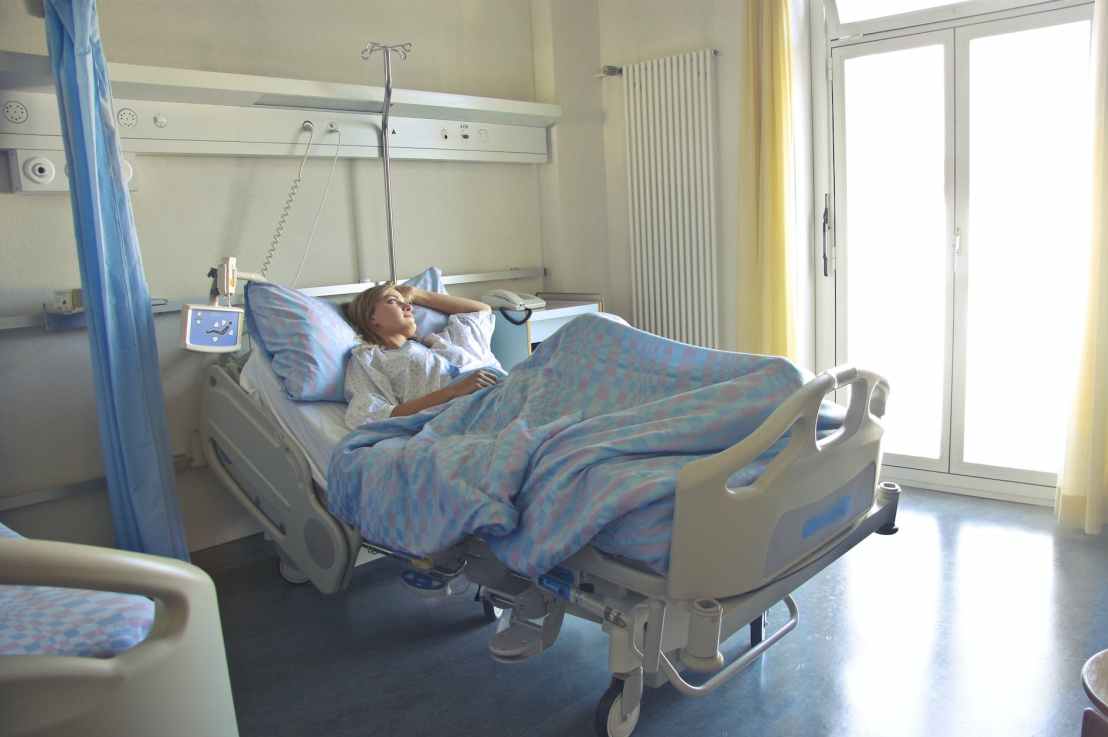
Heat waves are major public health problems. The intense temperatures can lead to mass dehydration, strokes, and even death. Electricity usage spikes during heat waves. If there is not enough supply to meet demand, then power shut-offs can ensue. Such events further exacerbate the public health crisis, whether it be air conditioners not working to hospitals and water filtration systems shutting down. Loss of functioning infrastructure reduces regional capacity to deal with heat waves, starting an intense domino effect of catastrophes. This is Why Power Shut-Offs From Heat Waves Can Lead to Public Health Crises.


Why Virtual Reality First Responder Training Can Reduce Injuries

Why Virtual Reality First Responder Training Can Reduce Injuries

Why Virtual Reality First Responder Training Can Reduce Injuries

02/04/23

“Why can virtual reality first responder training reduce injuries?”

First responders are the backbone of disaster assistance. However, training for the dangerous scenarios they must face provides a unique challenge. Either they must prepare by performing dangerous maneuvers and risk getting injured or do toned-down training but make themselves more liable for mishaps in the field. 

So how can we get around this? Well, one solution may come through virtual reality training. With virtual reality, complex situations can be simulated without exposing trainees to injury. This will make them prepared to take on any challenge without getting hurt. This is Why Virtual Reality First Responder Training Can Reduce Injuries.

Town Flood Evacuations

Town Flood Evacuations

Town Flood Evacuations

02/03/23

“What happens when an entire town has to evacuate from a flood?”

Floods are devastating natural disasters. If the force is too powerful and mitigation efforts are not sufficient, then entire towns can become flooded. To prevent colossal loss of life, the entire town may have to be evacuated before a floods hits. Emergency response professionals and urban planners are typically involved in putting together plans for these events. Town Flood Evacuations may be short-term if the flood is only moderate or long-term (possibly permanent) if the entire town becomes destroyed.

How Hospitals Can Use Weather Prediction to Determine When to Ramp up Capacity

How Hospitals Can Use Weather Prediction to Determine When to Ramp up Capacity

How Hospitals Can Use Weather Prediction to Determine When to Ramp up Capacity

02/01/23

“How can hospitals use weather prediction to determine when they should increase capacity?”

Extreme weather events can lead to more people checking into hospitals. Whether it be dehydration from heat waves or frostbite from cold snaps, medical institutions are almost guaranteed to see more activity. Since measures to accompany this increased demand may take time to set up, hospitals can look to weather predictions to understand when they have to act.This can be combined with other information such as celebration of local holidays to make even more accurate preparations. If implemented correctly, hospitals can better channel their resources to people in need and save lives. This is How Hospitals Can Use Weather Predictions to Determine When to Ramp up Capacity.

Why Hospitals See Spikes in Visits During Heat Waves

Why Hospitals See Spikes in Visits During Heat Waves

Why Hospitals See Spikes in Visits During Heat Waves

01/31/23

“Why do hospitals see spikes in visits during heat waves?”

Heat waves are public health crises. The long-lasting soaring temperatures lead to wide-scale dehydration, stress, and pain. If not treated carefully, these conditions can put people into critical states, forcing them to the emergency room. Public Health Professionals and Emergency Planners need to understand Why Hospitals See Spikes in Visits During Heat Waves and get their infrastructure prepared.

Virtual Reality First Responder Training

Virtual Reality First Responder Training

Virtual Reality First Responder Training

01/30/23

“How can first responders integrate virtual reality into their training?”

First responders are some of the most important people during emergencies. Their skills allow them to rush to the scene and save lives. However, setting up training for these events can be quite challenging. Emergency situations are very complicated dynamic events that don’t always play well in rehearsal. For example, simulating a building collapsing from an earthquake is very expensive to perform physically. 

So how can we use current technology to fix part of this gap? Well, what if we were to simulate a virtual world using virtual reality? This way, we can perform countless different complex scenarios without ever having to build anything in the physical world. Virtual Reality First Responder Training gives us the opportunity to put first responders in any situation they need to prepare for.

How Virtual Reality Can be Used to Help Urban Planners Explore Their Ideas

How Virtual Reality Can be Used to Help Urban Planners Explore Their Ideas

How Virtual Reality Can be Used to Help Urban Planners Explore Their Ideas

01/29/23

“How can virtual reality be used to help urban planners explore their ideas?”

Virtual reality allows people to explore a simulated space. This can be applied to professional spaces, urban planning being no exception. With virtual reality, urban planners can visualize what a concept they have may look like on a human scale. Instead of being restricted to a static computer program, planners can see how residents will actually feel about things. Virtual reality can show a project’s impact on the surrounding environment such as shadows and reflections. This is How Virtual Reality Can be Used to Help Urban Planners Explore Their Ideas.

Why Community Resiliency Assessment Metrics Need to Be Co-Developed With the Communities Being Assessed

Why Community Resiliency Assessment Metrics Need to Be Co-Developed With the Communities Being Assessed

Why Community Resiliency Assessment Metrics Need to Be Co-Developed With the Communities Being Assessed

01/27/23

“Why do community resiliency assessment metrics need to be co-developed with the communities being assessed?”

Urban Planners develop community resiliency assessment metrics to determine the adaptive capacity of a place. However, if these planners do not have any connection with the communities, the methodology they develop may miss important nuances and give an inaccurate portrayal. For example, an economic evaluation of a low-income neighborhood may make it sound like it has no hope when a disaster strikes. But the community may be tight-knit and well-organized, positioning itself to be self-reliant during climate impacts. To capture these elements, the communities will need to be a part of the metrics development process. This is Why Community Resiliency Assessment Metrics Need to Be Co-Developed With the Communities Being Assessed

Why Building Codes Should Incorporate Future Temperature Projections

Why Building Codes Should Incorporate Future Temperature Projections

Why Building Codes Should Incorporate Future Temperature Projections

01/26/23

“Why should building codes incorporate future temperature projections?”

Building codes often take into account local temperatures in their guidance. For example, California’s Title 24 building energy efficiency codes require residential units to have minimum ceiling and wall insulation values corresponding to their local climate zone. With the advent of climate change, the temperatures in such climate zones will shift, and the buildings built today must withstand this new paradigm. To illustrate, the Californian city of Fresno is projected to experience 10 times as many heat days per year between 2050 and 2099 than what it experienced from 1961 to 2005. Policymakers should start considering Why Building Codes Should Incorporate Future Temperature Projections to protect their citizens.