Category: Engineering

Filter Backwashing

Filter Backwashing

Filter Backwashing

09/25/25

“Why can we clean filters by pumping water backwards?”

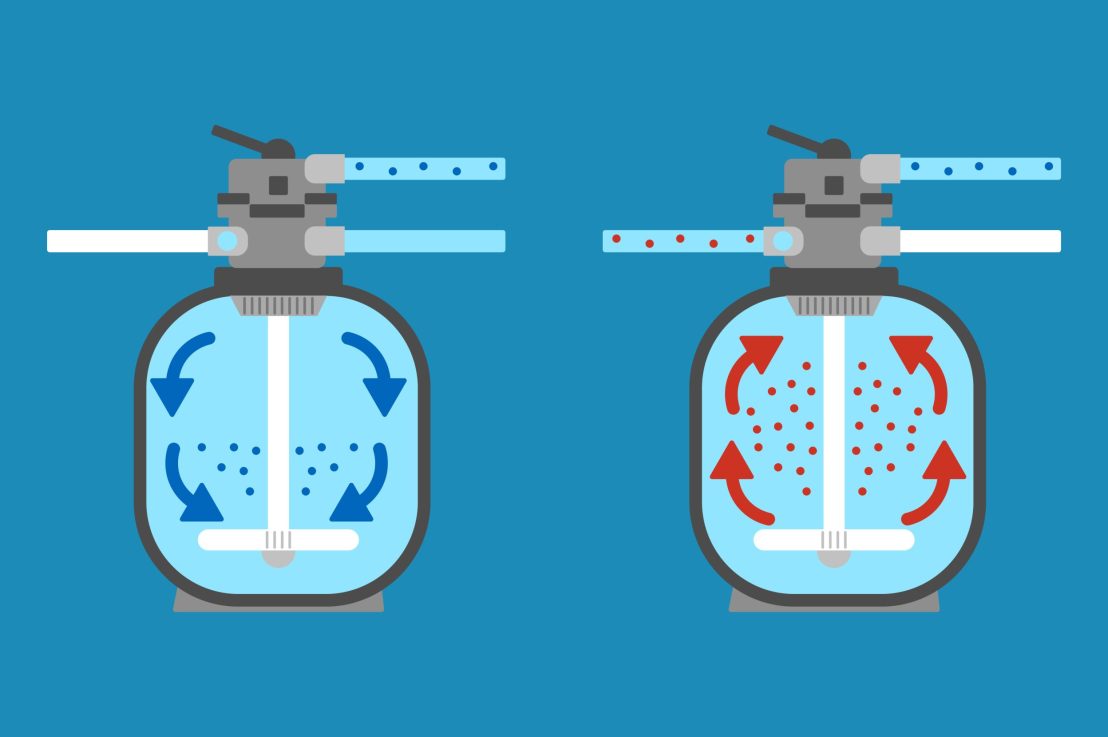
Filters collect trapped material over time. Sometimes this piles up so much that it hampers further treatment. To solve this, infrastructure operators can pump water in the other direction to remove water from filtration. This Filter Backwashing is vital for treatment maintenance.

Image credit: https://www.aquabluepools.net/

Rapid Mixing for Water Treatment

Rapid Mixing for Water Treatment

Rapid Mixing for Water Treatment

09/24/25

“Why is it important to rapidly mix water at the beginning of the coagulation process?”

Coagulation mixes coagulants with suspended particles to form larger, charge-neutralized molecules. However, the mixing needs to occur quickly (usually less than a minute) to ensure the coagulants are evenly distributed and the suspended solids are destabilized to effectively clump together during flocculation. This Rapid Mixing for Water Treatment is the first part of the larger coagulation-flocculation process, and is an example of how the brilliant systems that underpin everyday life for many.

Image credit: https://haoshpumps.com/

Temporary Water Hardness

Temporary Water Hardness

Temporary Water Hardness

09/22/25

“What’s a special type of water hardness that can be removed by boiling and adding lime?”

Water hardness comes from having too much dissolved magnesium and calcium in water. But some types of water hardness are easier to soften than others. If the magnesium and calcium are attached to bicarbonates, then they can be removed through boiling or adding lime. This type of water hardness is called Temporary Water Hardness. 

Soil Stabilization

Soil Stabilization

Soil Stabilization

09/21/25

“How can we protect soil against erosion and stormwater runoff?”

Soil is vulnerable to erosion and runoff, leading to water body pollution and disturbed geology. But if we can protect the soil’s foundation through stabilization measures. These Soil Stabilization techniques are an important part of stormwater and geotechnical management, making them a requirement for stormwater pollution prevention plans

Stormwater Sediment Traps

Stormwater Sediment Traps

Stormwater Sediment Traps

09/20/25

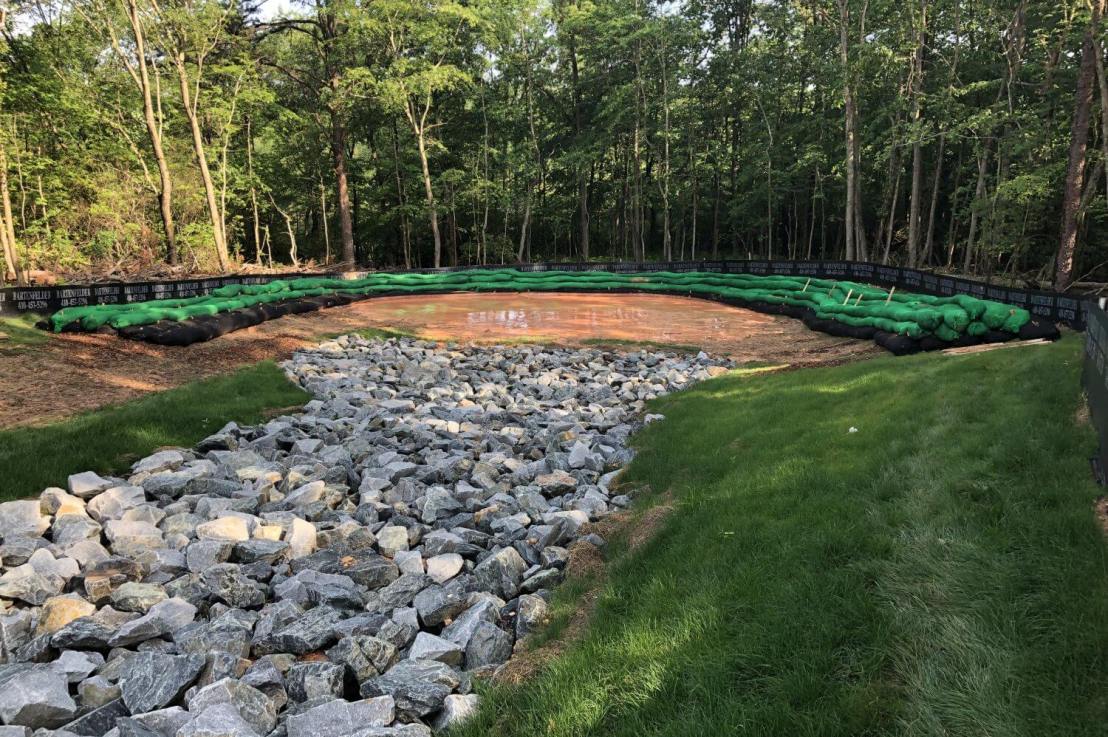
“How can we use simple engineering techniques to filter sediment out of stormwater?”

Stormwater can pick up sediment from construction sites, roads, and other surfaces it travels across. This sediment can pollute waterbodies, clog pipes, and harm natural water systems. So how can we use our engineering mindsets to stop the overflow of sediment? Well, we know that when runoff with sediment is slowed down, the sediment will eventually settle to the bottom. And we also know that once the sediment and water are separated, we can use an outlet to drain the filtered water. So, what if we were to design a pit that traps water, settles sediment, and removes the excess water? Well, this is the idea behind Stormwater Sediment Traps. Stormwater sediment traps are an effective way to remove sediment from runoff, and may be used to satisfy stormwater pollution prevention plans. Sediment traps also require maintenance to remove excess sediment buildup.

Image credit: https://www.mkbcompany.com/

Engineer of Record

Engineer of Record

Engineer of Record

09/18/25

“Why do project designs need a licensed engineer to sign off?”

Preparing construction plans is always a risky endeavor. You need to make sure all weaknesses are addressed, all steps work functionally, and that everything is up to code. One way to minimize project risk is to hire a qualified engineer to prepare and carry out designs. This Engineer of Record signs off on design/construction documents to signify their responsibility for success. In the U.S, becoming an engineer of record typically involves obtaining a professional engineering license.

Linear Infrastructure

Linear Infrastructure

Linear Infrastructure

09/14/25

“Can we unify linear geometry infrastructure under a single name?”

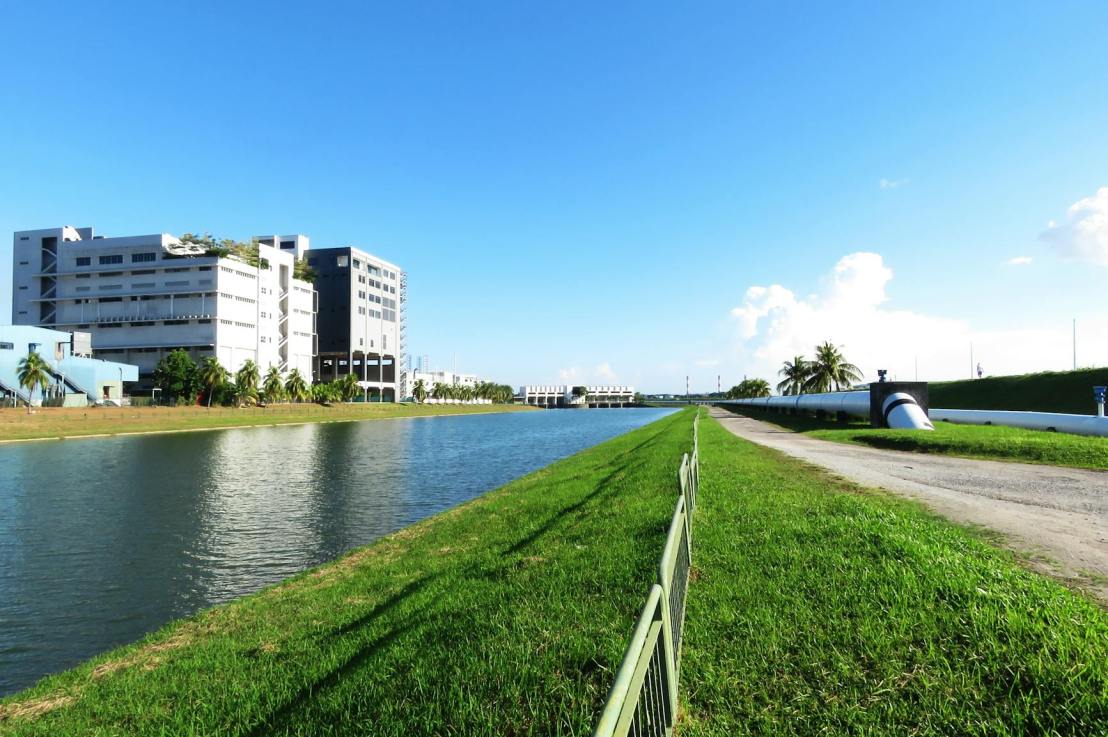
Physical infrastructure comes in a multitude of shapes and sizes. Many come in linear geometries, such as canals, pipelines, railways, and powerlines. This Linear Infrastructure must contend with strenuous logistical coordination and bureaucratic hurdles for implementation.

Precast Porous Concrete Panels

Precast Porous Concrete Panels

Precast Porous Concrete Panels

09/12/25

“What makes NYC’s new porous concrete panels so special?”

Most cement panels block pervious surfaces, drastically increasing the chances of flooding during storm surges. To ameliorate this, NYC is making a new type of concrete panel that has a special concrete mix with a high void content that allows for some permeability. These Precast Porous Concrete Panels, or PCPPs, enable water to enter and sink into the permeable surfaces below, reducing stormwater runoff, ponding probability, and heat island effects. These new panels can potentially drastically reduce NYC’s already overbuilt environment’s chance of getting overwhelmed by floods and heatwaves. However, these new panels can also allow harmful chemicals to seep into the ground and have lower strength than regular concrete. NYC guidelines recommend that these panels not be installed on trucking routes, principal arterial roadways, industrial zones, significant underground utility corridors, or existing bike lanes/crosswalks. 

Image credit: https://www.nycstreetdesign.info/
Pluvial Flooding

Pluvial Flooding

Pluvial Flooding

09/11/25

“How can we classify floods caused by stormwater buildup over surfaces?”

Floods can happen in a myriad of different ways. When storms occur and rainwater overwhelms urban drainage capacity, Pluvial Flooding breaks out. Pluvial flooding can develop into intense flash floods that wreak havoc on surrounding infrastructure. Urban planners and environmental engineers need to develop careful consideration for pluvial flooding in city operations.