Category: Engineering

Activated Carbon

Activated Carbon

Activated Carbon

03/22/26

“How can we use extremely dense carbon to filter water?”

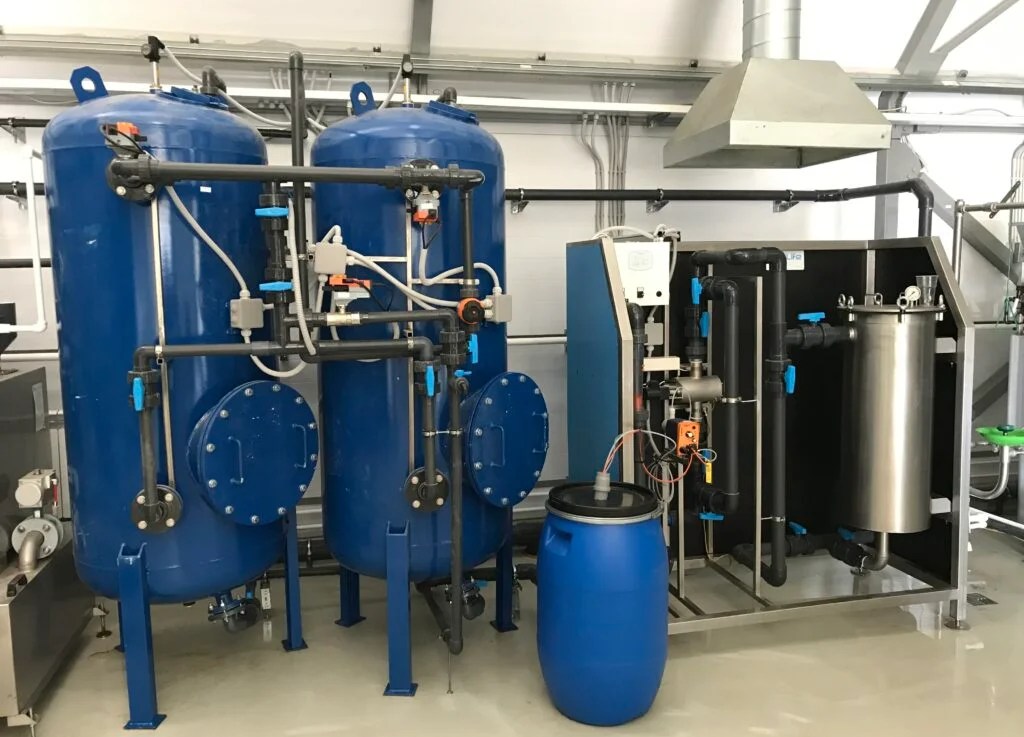
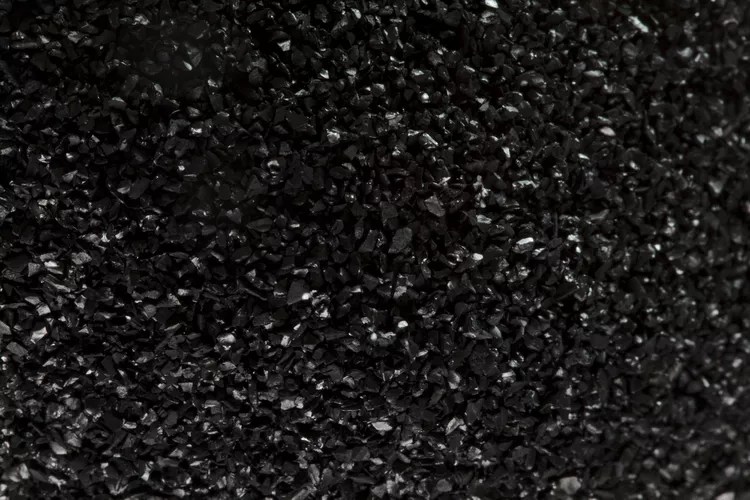
Certain materials are good at filtering water. One of them is Activated Carbon. Activated carbon is hyperdense with tiny pores (often over 3,000 square meters per gram), which can adsorb water contaminants on its interior surface. Activated carbon pores will fill up over time and will need to be cleaned out. 

Image credit: https://www.thoughtco.com/

Sod

Sod

Sod

03/21/26

“How can we create landscapes with pre-grown grass?”

People like to create grassed landscapes. However, grass can take time and resources to develop. So what if we could insert pre-made grass? Well, this is the idea behind Sod, rolls of pre-grown grass. Sod contains grass blades and dirt, with the grass’ root base. People can use sid to stabilize disturbed areas and decelerate the flow of rainwater. 

Stoichiometric Air-Fuel Ratio 

Stoichiometric Air-Fuel Ratio 

Stoichiometric Air-Fuel Ratio 

03/19/26

“What’s the ratio of air-fuel mass in combustion to ensure all ingredients are used?”

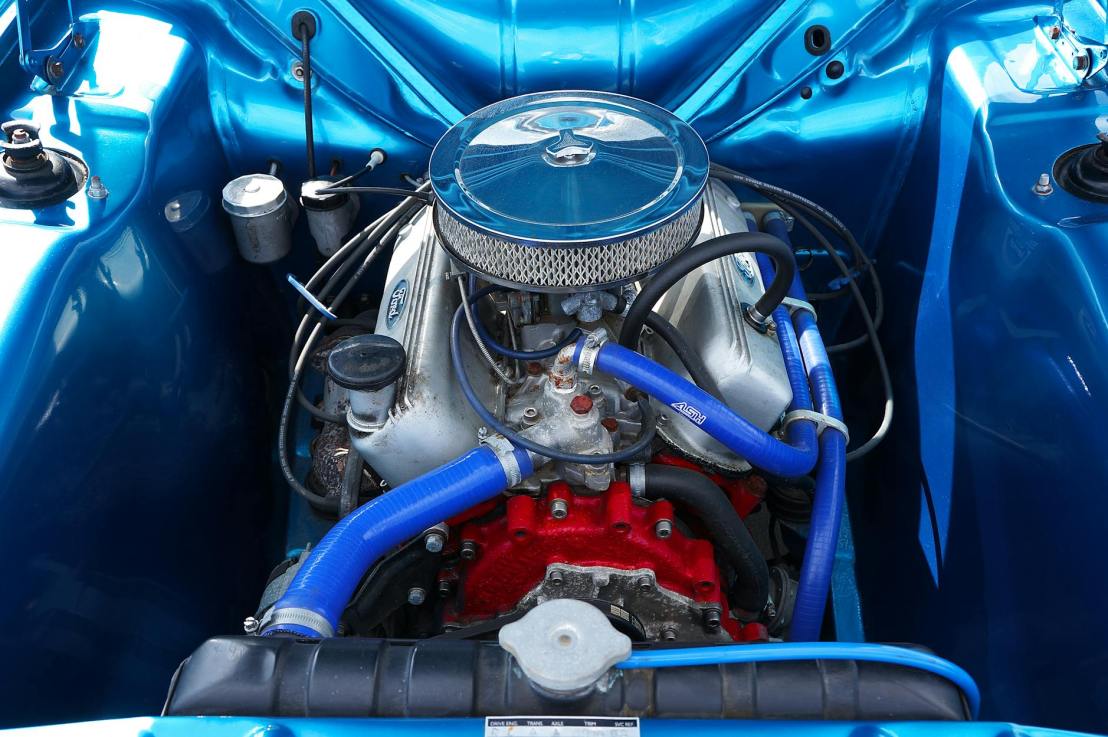
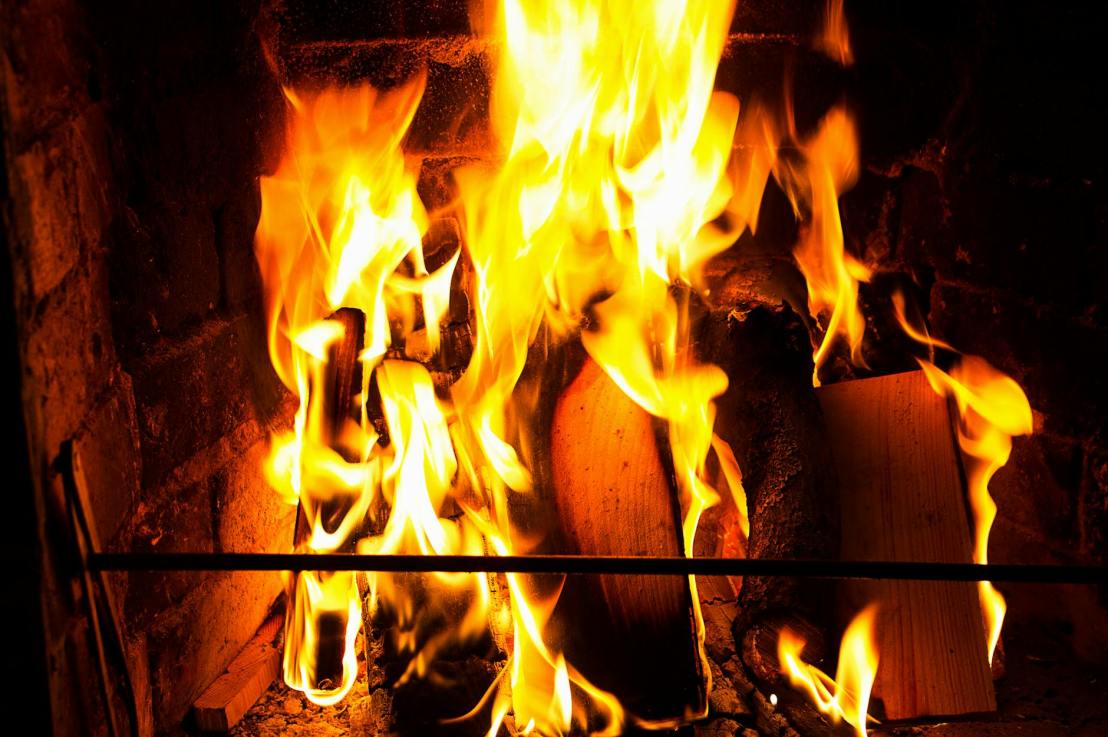
Combustion reactions require air and fuel. If the ratio of air to fuel is not perfect, there will be some unspent air or fuel at the end. The ratio where all air and fuel are consumed in the reaction is called the Stoichiometric Air-Fuel Ratio. The stoichiometric air-fuel ratio produces only carbon dioxide, water, and nitrogen.

Air-Fuel Ratio

Air-Fuel Ratio

Air-Fuel Ratio

03/18/26

“What’s so special about the mass of air to fuel in a combustion process?”

Combustion reactions require air and fuel to operate. The quality of the reaction is determined by the ratio of air to fuel mass present, also called the Air-Fuel Ratio. The air-fuel ratio is usually represented by the amount of air compared to fuel. For example, an air-fuel ratio of 8:1 means that for every 8 kg of air, there is 1 kg of fuel.If there is too little air in the ratio, some fuel will not burn. If there’s too much air, then there will not be enough fuel present to burn effectively.

Hydroxyl Radicals

Hydroxyl Radicals

Hydroxyl Radicals

03/15/2026

“Why is there a molecule called “the detergent of the atmosphere”?

Hydroxide ions (OH-), also called Hydroxyl Radicals, are molecules made up of one oxygen atom, one hydrogen atom, and a single unpaired valence electron. This valence electron makes hydroxyl radicals very reactive and potent in neutralizing stable organic chemicals like toxic pollutants. Hydroxyl radicals also readily oxidize troposphere pollutants like methane, carbon dioxide, and VOCs, earning hydroxyl radicals the nickname as “the detergent of the atmosphere”.

Lockout/Tagout

Lockout/Tagout

Lockout/Tagout

03/12/26

“How can we make sure we’re safe during hazardous energy appliance maintenance?”

Maintaining an appliance with hazardous energy can be very dangerous. So what can we do to make sure we’re safe during this time? Well, what if we identify the hazardous energy sources, deenergize the energy sources,  use a lock to physically isolate the source of energy to ensure no accidental activation occurs, add a warning tag with our name and contact information, test the system to make sure energy was isolated, conduct maintenance work, and then get everyone out before removing locks and tags to renergize the system? Well, this is the idea behind Lockout/Tagout, a widely adopted hazardous energy maintenance protocol

Power Fault Limiting Devices

Power Fault Limiting Devices

Power Fault Limiting Devices

03/11/26

“How can devices disconnect electrical circuits during excessive power runs?”

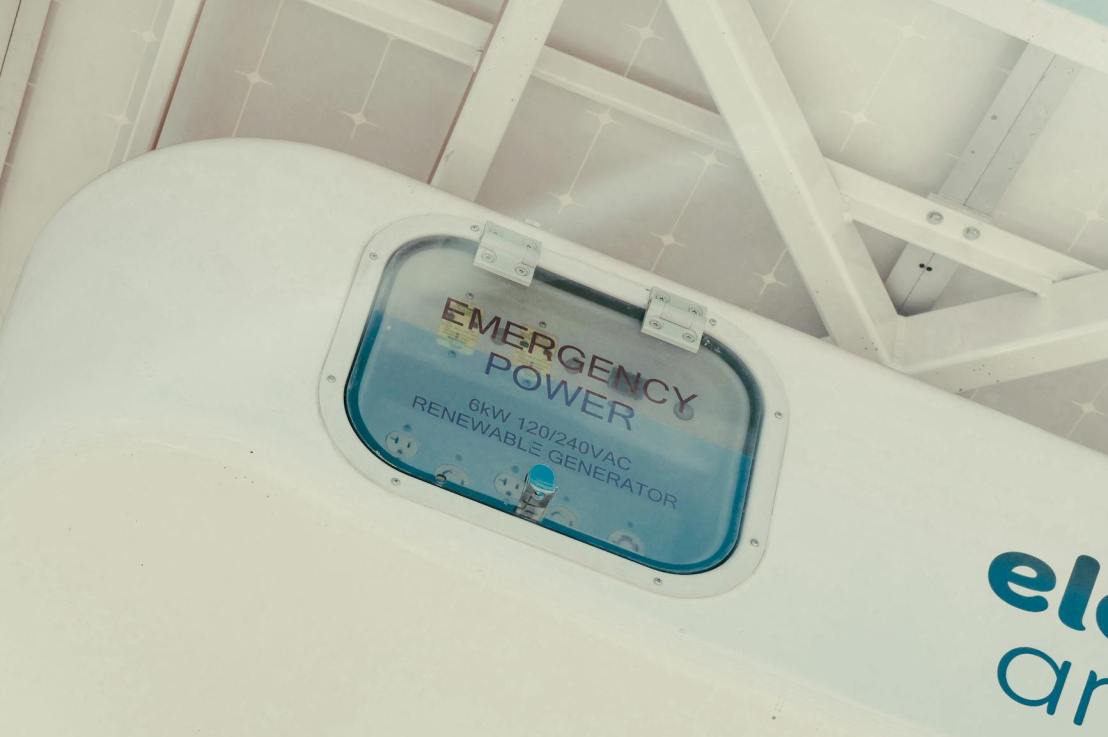
Electrical circuits can cause safety issues when too much power runs through them. Because of this, people can install Power Fault Limiting Devices like fuses to disconnect circuits before drastic actions occur.

TCLP — Toxicity Characteristic Leaching Procedure

TCLP — Toxicity Characteristic Leaching Procedure

TCLP — Toxicity Characteristic Leaching Procedure

03/08/2026

“How can we determine if waste will leach toxic chemicals when it rains?”

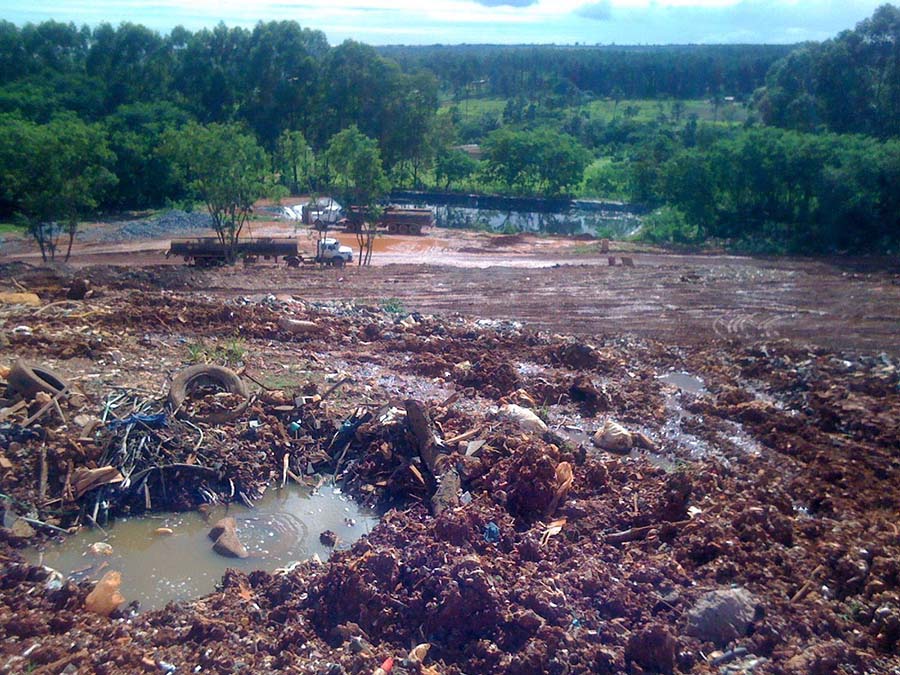
Surface waste management has to account for a lot of variables. One of them includes determining if the waste will leach toxic chemicals when it rains. SO what if we were to grind waste down like it was in a landfill, mix the waste with a weak acidic solution similar to acid rain, tumble the mixture for 18 hours, and chemically analyze the leachate output for contaminant limits? Well, these are the steps behind the TCLP — Toxicity Characteristic Leaching Procedure, an EPA RCRA procedure to determine the potential toxicity of waste leachate. 

Image credit: http://www.btlliners.com