Category: Engineering

Energy Source Placement and Racial Equity

Energy Source Placement and Racial Equity

Energy Source Placement and Racial Equity

06/21/20

“Why does energy source placement have to take into account racial equity?”


Energy is the lifeblood of modern society. From the servers that power our internet to the refrigerators that keep our food fresh, so much of our critical infrastructure relies on energy. However, historically most of this energy has come from pollutive sources, which were frequently sited in or near systematically disempowered racial minority communities. This only exacerbates racialized oppression, and as a result, Energy Source Placement and Racial Equity must be thought of together.

And don’t forget, #BlackLivesMatter

How Increasing Diverse Representation in Infrastructure Engineering Would Improve the Profession

How Increasing Diverse Representation in Infrastructure Engineering Would Improve the Profession

How Increasing Diverse Representation in Infrastructure Engineering Would Improve the Profession

06/16/20

“How would increasing the amount of diversity in infrastructure engineering improve the profession?”


Due to discriminatory power structures, the field of infrastructure engineering is quite uniform in terms of its demographics. This means that individuals coming from communities that are not well-represented will have fewer opportunities to make their voices heard during critical matters. This can be seen in events such as highway construction in the United States, where entire neighborhoods of black and brown communities were bulldozed to make room for these structures. These actions have left us with rotting and inequitable infrastructure that hurt all communities. To change this, increasing diverse representation in infrastructure engineering would allow such individuals to be in charge of high-level decisions and ensure that community safety is not violated. This is How Increasing Diverse Representation in Infrastructure Engineering Would Improve the Profession.


And don’t forget, #BlackLivesMatter

Why Infrastructure in Marginalized Communities Will Fail Disproportionately During Climate Change

Why Infrastructure in Marginalized Communities Will Fail Disproportionately During Climate Change

Why Infrastructure in Marginalized Communities Will Fail Disproportionately During Climate Change

06/15/20

“Why will infrastructure in marginalized communities be destroyed more during climate change?”


Infrastructure in marginalized communities is disproportionately in a worse state due to negligence from higher echelons of power. With the advent of climate change, this infrastructure is going to become even more damaged since not only are these same communities typically on the frontlines but the money reserved for climate impacts will mostly go towards wealthier communities. This is Why Infrastructure in Marginalized Communities Will Fail Disproportionately During Climate Change.

And don’t forget, #BlackLivesMatter
How Investing in Education Instead of Policing Could Cultivate the Climate Adaptation Leaders of the Future

How Investing in Education Instead of Policing Could Cultivate the Climate Adaptation Leaders of the Future

How Investing in Education Instead of Policing Could Cultivate the Climate Adaptation Leaders of the Future

06/12/20

“How can investing resources away from policing and into education cultivate tomorrow’s Climate Adaptation Leaders?”


Climate change is set to affect communities from the most marginalized backgrounds of society the most. Logically, the leaders of climate adaptation should spring up from these groups. However, due to governments’ existing preference for funding policing over education, many of these people with great potential will be locked up instead and left with sub-par opportunities. If this was reversed, then a whole new crop of elites could form to drive forward action on the climate crisis. This is How Investing in Education Instead of Policing Could Cultivate the Climate Adaptation Leaders of the Future.

And don’t forget, #BlackLivesMatter

Defunding Police and Refunding Into Climate Adaptation

Defunding Police and Refunding Into Climate Adaptation

Defunding Police and Refunding Into Climate Adaptation

06/09/20

“How can we fund climate adaptation programs by defunding the police?”


The advent of the COVID epidemic has brought about a major budget shortfall in municipal governments. Given that these are one of the primary methods of funding adaptation work, preparing for the new climate paradigm has just become a lot more difficult. Unless of course, we can tap into another source of funding. Namely, the police. Police (particularly in the US) take up a disproportionate amount of the city budget. By redistributing some of the funds to climate adaptation, we can invest in a just, resilient, and sustainable future instead of locking people up. This is why Defunding Police and Refunding Into Climate Adaptation may be a good idea.

And don’t forget, #BlackLivesMatter
Police Militarization

Police Militarization

Police Militarization

06/07/20

“How are the police becoming militarized?”


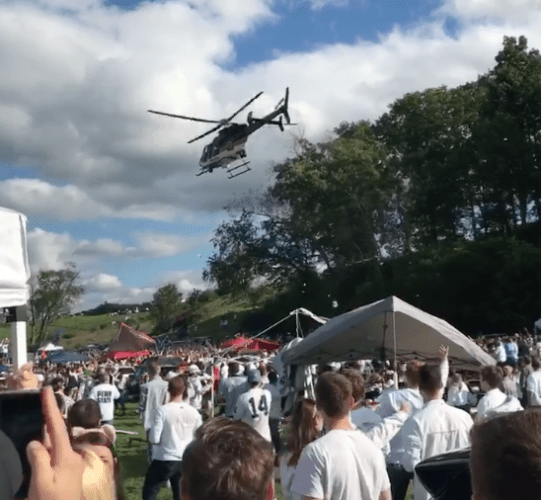
Since the 1970s, Police around the world and particularly in the United States have started undergoing militarization. This means that they have started purchasing military-grade equipment such as assault rifles, grenade launchers, and armored personnel carriers as well as military tactical training such as information gathering on activists. Furthermore, research has shown that militarized police are more often deployed in communities of color even when controlled for crime rates. Police Militarization is a definite issue and must be stopped so we can all live in a resilient and sustainable future.

And don’t forget, #BlackLivesMatter
Why Hovering a Helicopter at Low Altitudes for Crowd Control Is Dangerous

Why Hovering a Helicopter at Low Altitudes for Crowd Control Is Dangerous

Why Hovering a Helicopter at Low Altitudes for Crowd Control Is Dangerous

06/06/20

“Why is hovering a helicopter at low altitudes incredibly dangerous?”


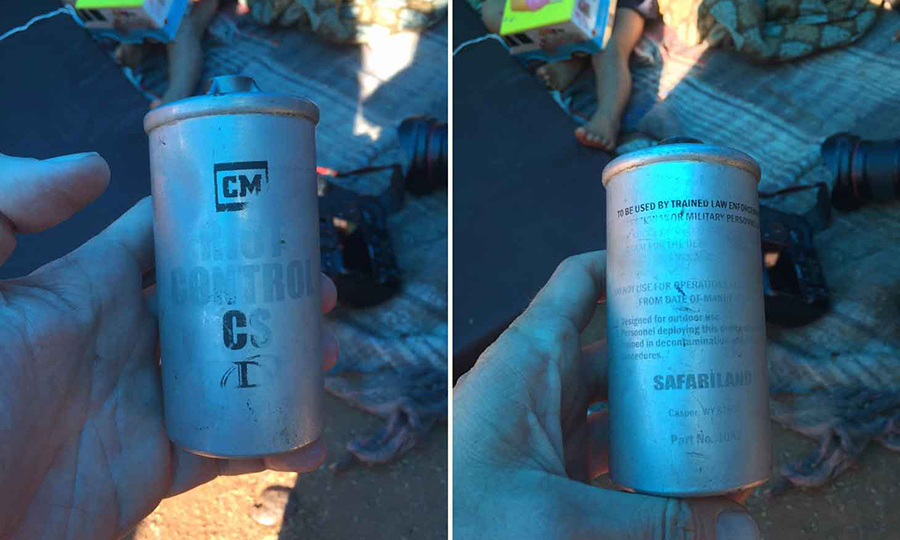
Helicopters are commonly used by law enforcement agencies for tactical missions. However, flying them at low-altitudes for crowd control can be incredibly dangerous. The dust and gravel that they kick out can hurt protesters and even cause long-term damage. Furthermore, in case of an engine failure, the helicopter will have no room to maneuver and will likely crash. This is Why Hovering a Helicopter at Low Altitudes for Crowd Control Is Dangerous.


Image credit i2.wp.com/images.onwardstate.com

How Tear Gas Canisters Hurt People

How Tear Gas Canisters Hurt People

How Tear Gas Canisters Hurt People

06/05/20

“How do tear gas canisters fall and hurt people?”


One of the most common and ethically-debated means of crowd control during protests is tear gas attacks. Although the effects of tear gas upon the lungs are widely discussed, the falling canisters can hurt and fracture individual bystanders. This is How Tear Gas Canisters Hurt People.

Image credit frieze.com

How Tear Gas Damages Lungs

How Tear Gas Damages Lungs

How Tear Gas Damages Lungs

06/04/20

“How can tear gas damage lungs?”


Although it’s ethicality is contested, tear gas is often used in crowd control situations to break up protests. Being composed of noxious compounds, inhalation of the smoke can irritate the linings of the lungs and lead to health complications such as wheezing, coughing, and choking, and even diarrhea, nausea, and vomiting. Individuals with Asthma or other respiratory complications are especially at risk and may need to seek immediate medical attention. This is How Tear Gas Damages Lungs.


Image credit ichef.bbci.co.uk