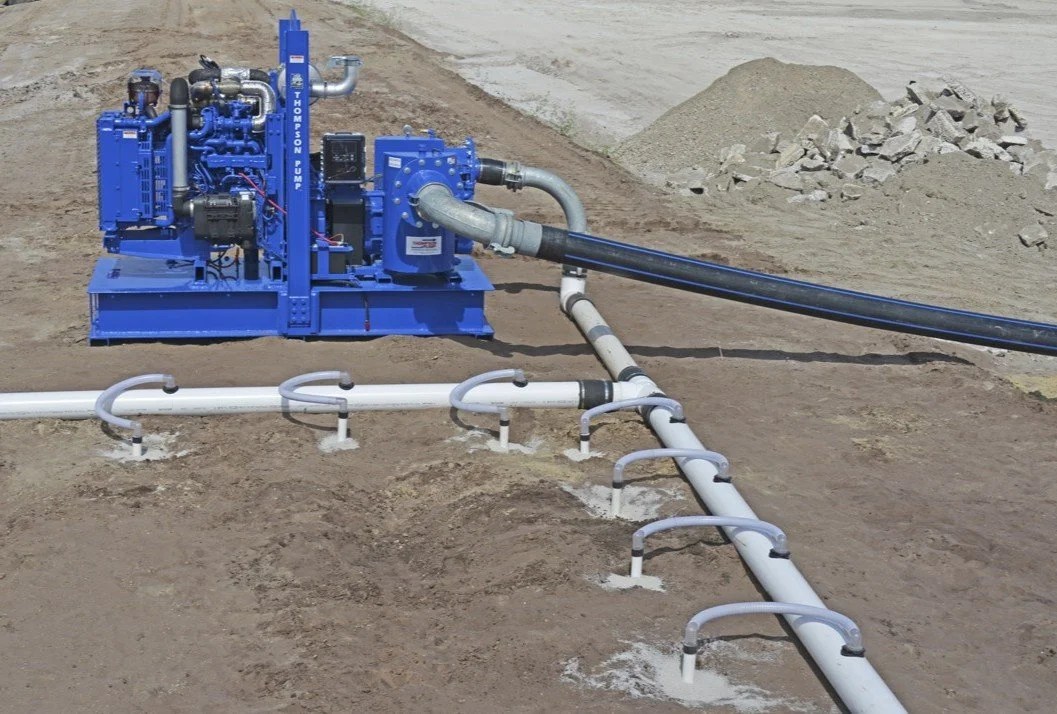
People may need to lower water tables for construction, flood safety, or contamination remediation. One way to accomplish this is to use a pump to suck out the water from the aquifer like a straw. The water table will naturally get smaller when water is removed. This is How Pumps Can Lower Water Tables.
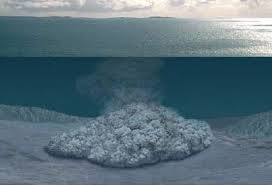
It’s easy to think of sediment in water bodies as unchanging. However, sometimes, sediment can accumulate near a steep slope, and an event can cause this sediment to tumble downhill. The water that becomes mixed with this sediment will end up denser than the surrounding water, and gravity will pull the mixture downhill, resulting in a strong, long-traveling current called a Turbidity Current. Turbidity currents can carve out abyssal channels if done repeatedly enough.
“How does the ocean transition from shallow to deep waters?”
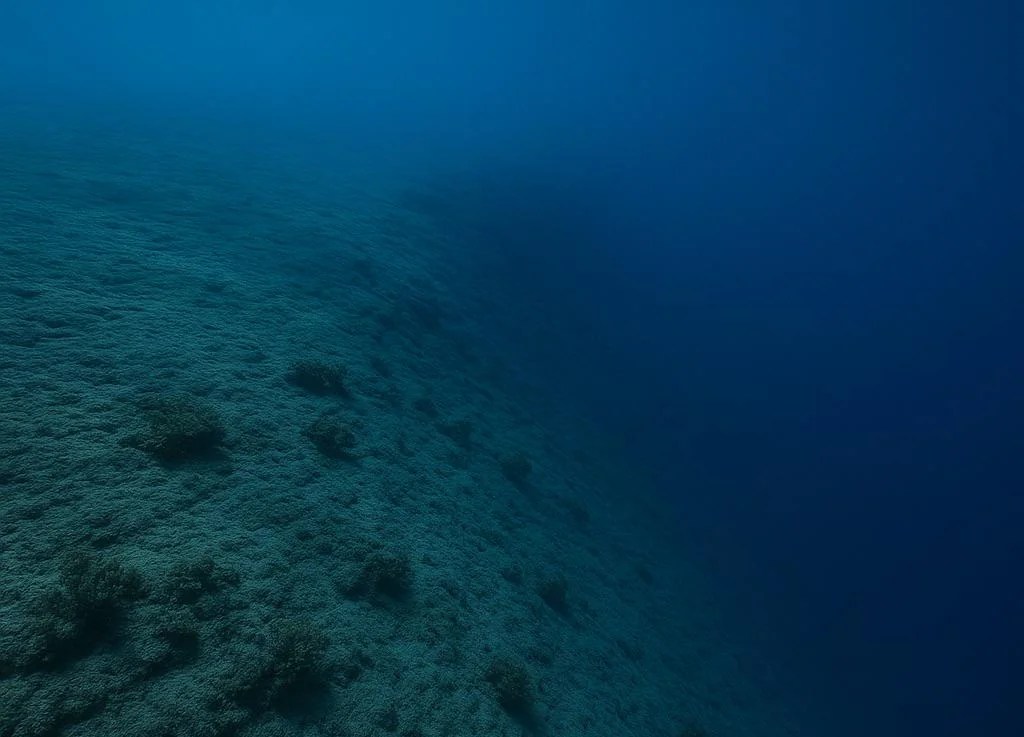
The ocean’s continental shelf defines its shallow layers. But when does it transition to deep water? Well, once the continental shelf reaches its border, it will go through a Continental Slope that descends at an average of 4 degrees until it hits the abyssal plain. Continental slope gradients are closest off stable coastlines that lack major rivers and are highest near young mountain ranges with narrow continental shelves.
“What’s the part of the Earth’s surface that’s just beyond the ocean shoreline?”
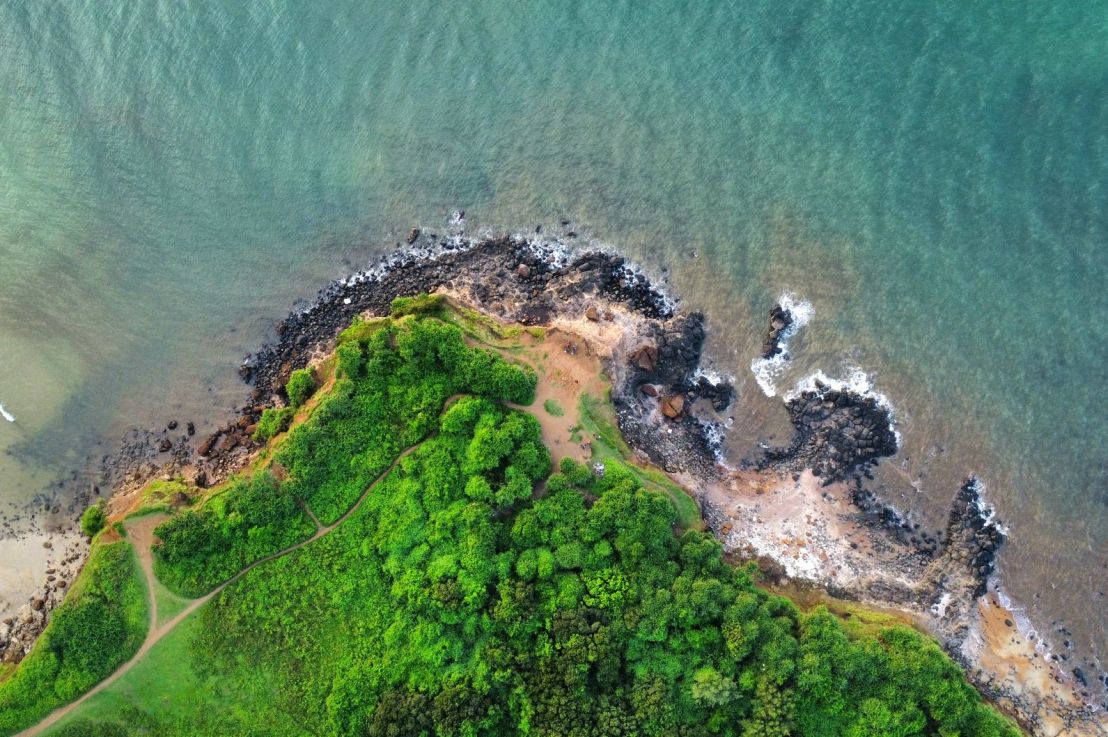
It’s easy to think that the Earth’s land ends at the ocean shoreline. But in fact, it extends into The Continental Shelf. The continental shelf is the Earth’s physical surface that’s just beyond the shoreline. This landform is typically submerged below 100 – 200 meters of water. The continental shelf typically ends at a point of increasing slope downwards. Most ocean-based extractionist industries such as offshore drilling take place in the continental shelf.
“What is the giant underwater plain on the ocean floor?”
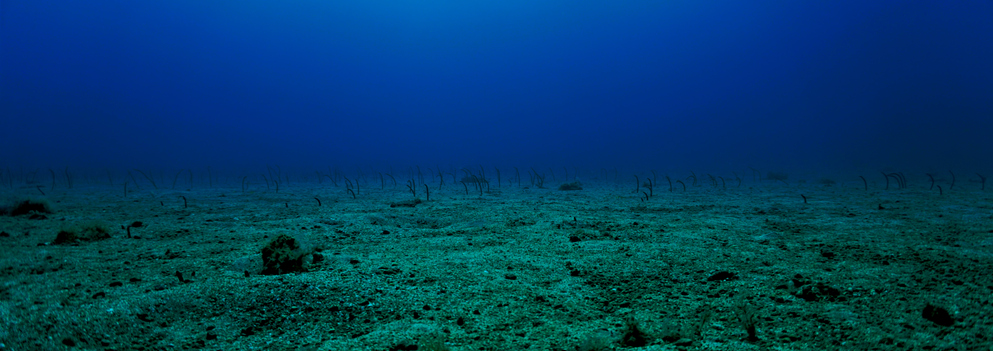
The oceans lie above the Earth’s crust. Between 3,000 – 6,000 km below the ocean surface, so deep that sunlight can’t reach it, lies a giant flat part of the ocean floor known as The Abyssal Plain. The abyssal plain’s ultra smooth flatness is forge by from millions of years of particulate settlement depositing over surface irregularities. This flatness makes the abyssal plain suitable for undersea cable routing. Other interesting facts about the abyssal plain include pressures can reach up to 600 times atmospheric pressure and water temperature ranges between a stable 2 – 3 degrees celsius.
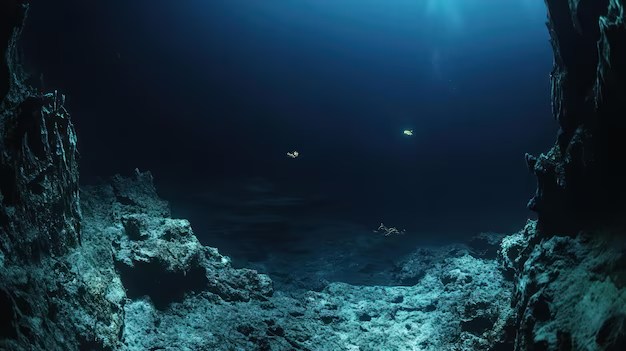
Channels are found in all places in the world. Channels on the sea floor, known as Abyssal Channels, are formed when sediment-dense water rushes down a continental shelf and erodes a path on the sea floor. Sediment can move rapidly through these channels, creating barriers for engineers working to route underwater pipelines and cables through them.
Why Historically Redlined Neighborhoods Are Especially Vulnerable to Pollution From Groundwater Flooding
06/07/26
“Why are historically redlined neighborhoods especially vulnerable to pollution from groundwater flooding?”
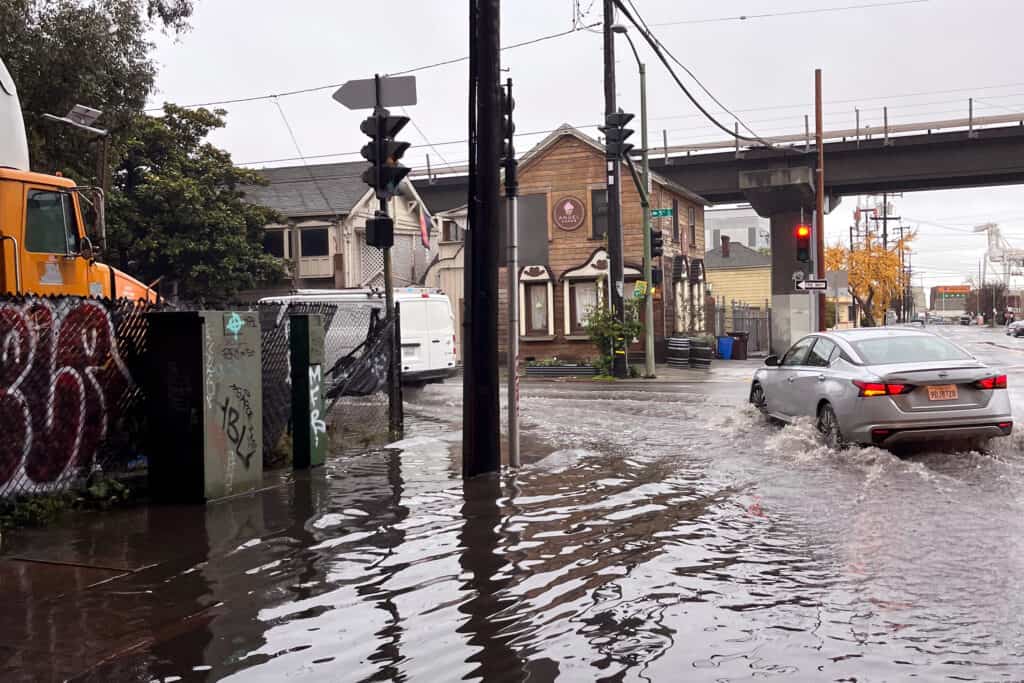
Redlining in the US forcibly segregated Black and Brown communities in urban areas into neighborhoods with the lowest amount of public investment. Racist municipal officials often would zone toxic industries in these neighborhoods. These industries would accumulate contaminants underground over their course of operation. Groundwater flooding releases these contaminants from the earth to the surface, harming the communities that live nearby. This is Why Historically Redlined Neighborhoods Are Especially Vulnerable to Pollution From Groundwater Flooding. Examples include West Oakland in California and Southeast Queens in New York.
How Heavy Rains Can Increase Groundwater Contamination Risk
06/06/26
“How can heavy rains increase groundwater contamination risk?”
The longer an area rains and the more rain it receives, the higher the volume of rainwater will seep into the groundwater. If pollutants are present on the surface, then infiltrated rainwater will carry them down into the groundwater and pollute it. This is How Heavy Rains Can Increase Groundwater Contamination Risk.
Why a Lot of Basements in Southeastern Queens Flood After Heavy Rain
06/05/26
“Why do so many basements in Southeastern Queens flood after heavy rain?”
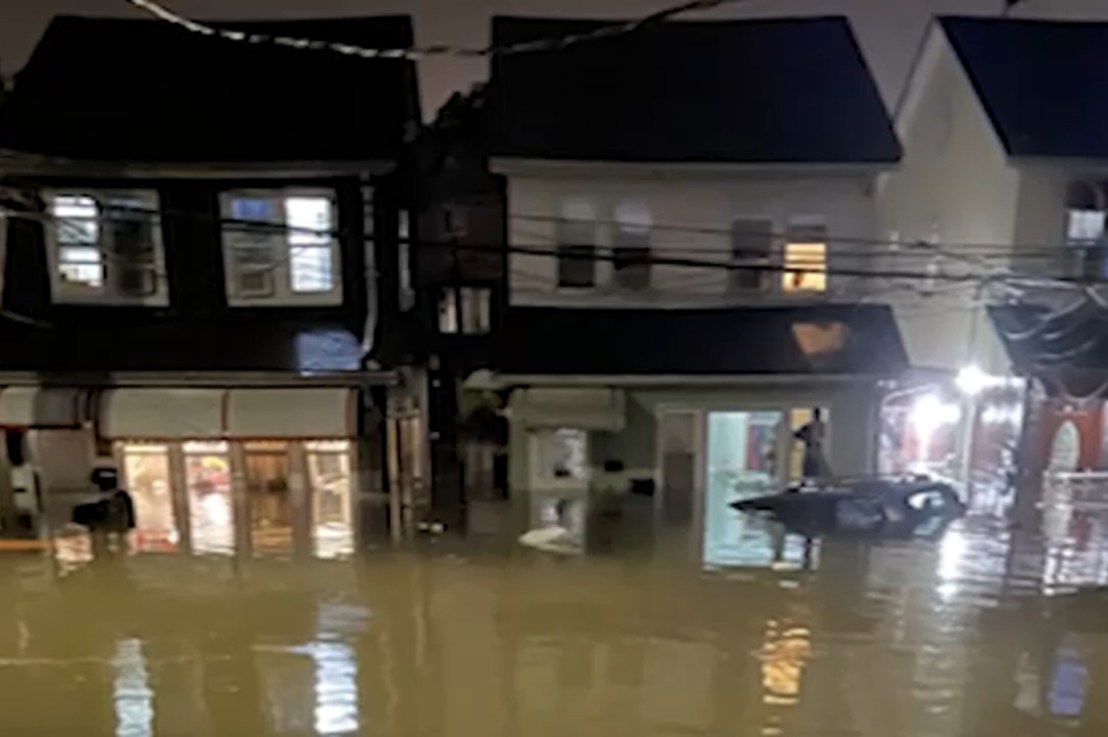
If you’re resident of Southeastern Queens in NYC with a basement, there’s a good chance you’ve experienced your basement flood after a heavy rain. Why does this happen, and what can we do to protect against it? Well, Southeastern Queens has a very high water table. When a downpour happens, the extra rain goes down into the soil and into the ground, raising the watertable. If the watertable gets high enough, it can seep up onto the ground and into your basement. This is Why a Lot of Basements in Southeastern Queens Flood After Heavy Rain. You can protect your home against basement flooding by elevating your home, remodeling your interior, or even simply fixing internal drainage.

 Isaac's Science Blog