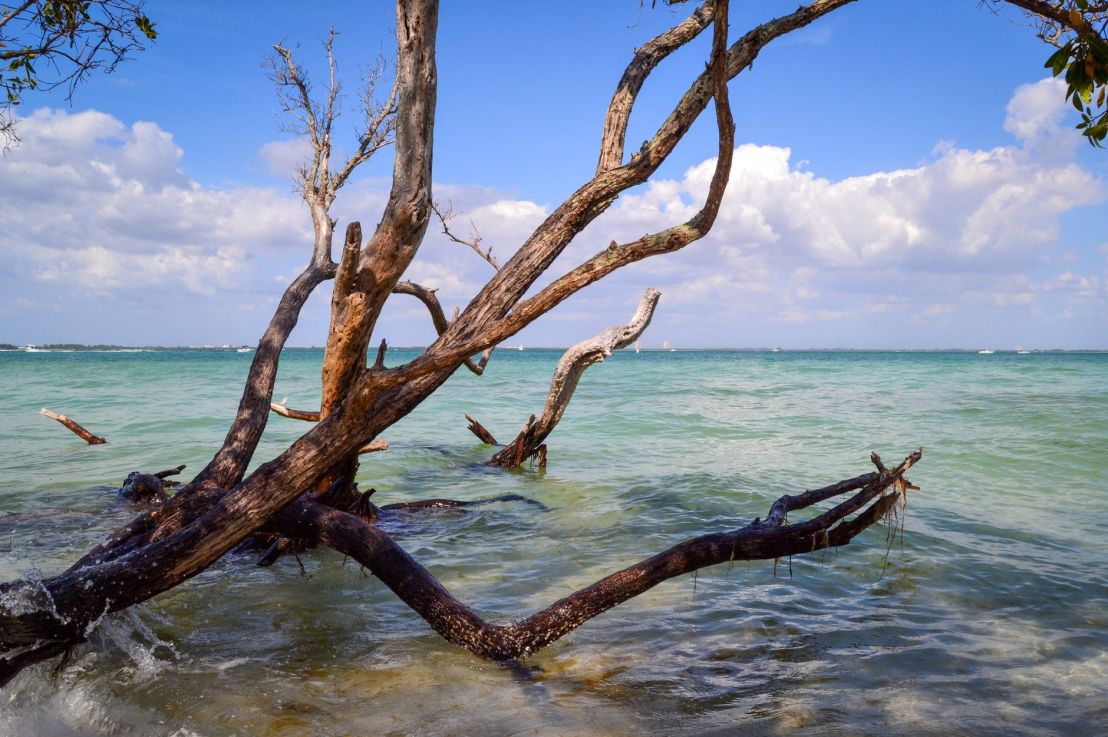
Trees require water to live. However, saltwater is toxic to trees not adapted to it. Saltwater impedes roots’ ability to absorb water, is toxic to plant cells, damages roots, and hurts oxygen delivery to trees. This is Why Saltwater Kills Freshwater Trees.
“How can we recharge groundwater with stormwater?”
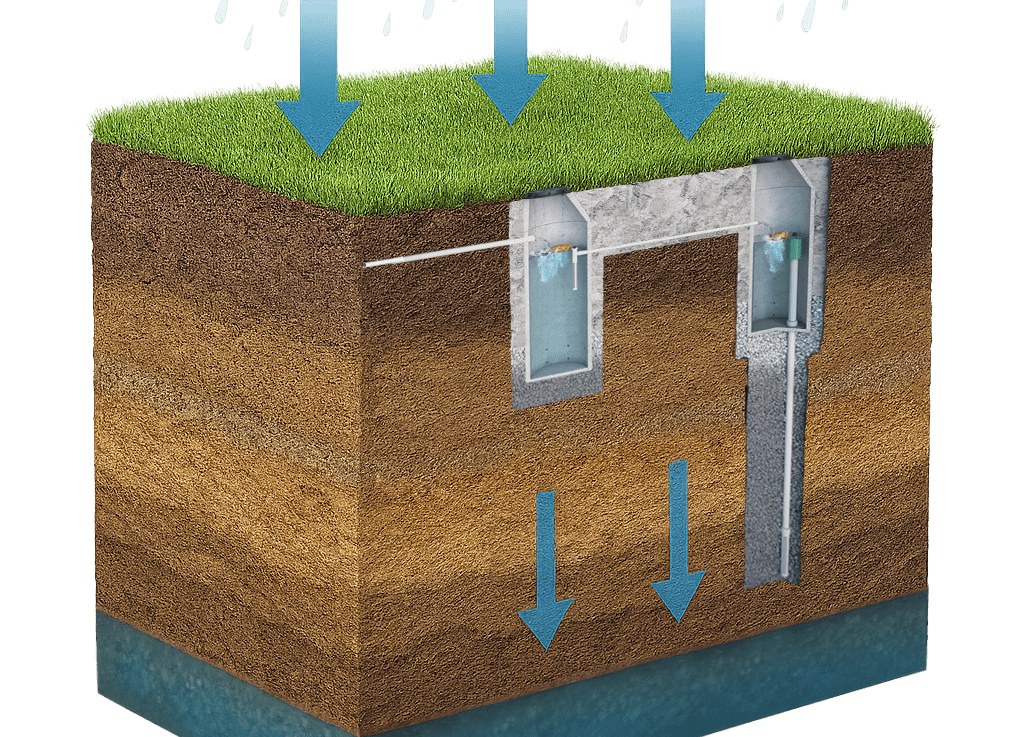
It can be difficult to replenish a drained aquifer. Giving more water to it means taking water from somewhere else. However, sprmwater adds extra water to a local system. By capturing it, we can direct it to aquifers to replenish them. This is how Capturing Stormwater for Groundwater Recharge can work. People use a wide range of methods to accomplish this, from green infrastructure to injection wells. Managers must ensure that the stormwater is free of pollutants before storing it in aquifers to prevent contamination.
“Why do policymakers need to consider multifamily housing buyouts for managed retreat?”
Governing authorities can use home buyouts to move people out of flood-prone areas. The vast majority of home buyout program development is tailored to single-family property owners. However, multifamily housing units are also present in floodplains and hurricane paths. In the U.S., multi-family tenants are more likely to come from marginalized backgrounds, making them subject to the desires of their landlord. Tenants must have some form of financial, legal, and policy support to navigate their way to a new home successfully. Government authorities need to develop policies for Multifamily Housing Buyouts for Managed Retreat to fill this protection gap. This can include mandatory cash distribution to tenants for relocation, construction of new affordable housing nearby for the displaced residents, and priority for new apartments in the private market.
“What’s so special about the Narta Lagoon in Albania?”
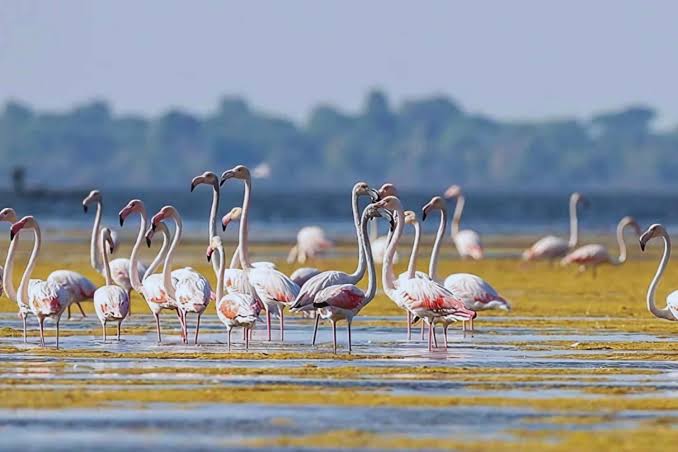
Albania is a beautiful country on the Western Balkan Mediterranean coast. In its southern portion lies The Narta Lagoon, a critical protected wetland ecosystem. The Narta Lagoon is home to over 200 species of birds (including a community of around 3,000 individual flamingos). The wetland is, as of writing, under threat of destruction by a development from Jared Kushner’s private equity firm Affinity Partners. People all over Albania are protesting against this project.
Why Kushner’s Tourism Development in Albania Will Destroy a Critical Wetland
06/20/26
“Why will the Kushner development in Albania destroy a critical wetland?”
The Vjosa–Narta lagoon provides a critical protected wetland habitat for Albania’s and the Mediterranean’s birds. Jared Kushner’s private equity firm Affinity Partners is (as of writing) funding a project that will destroy the lagoon to build a luxury tourism site. This is Why Kushner’s Tourism Development in Albania Will Destroy a Critical Wetland.
“How does New Jersey use housing buyouts to build flood resilience?”
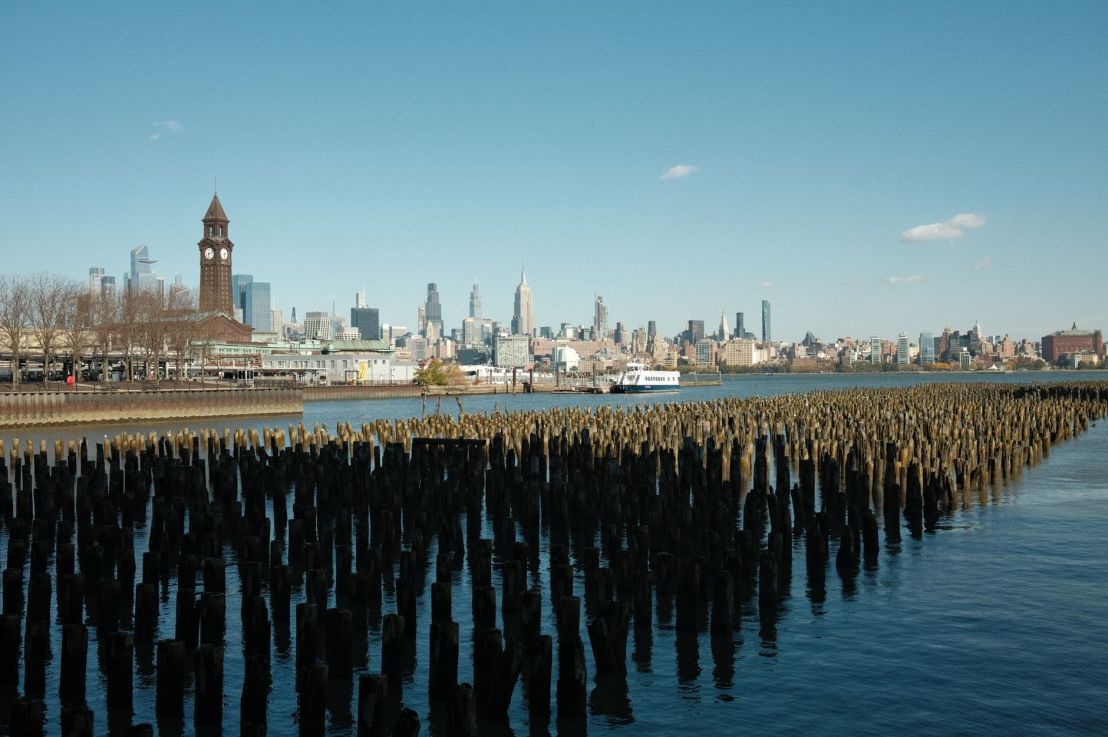
New Jersey is blessed with a myriad of coastlines and rivers. However, many homes are built in the floodplains of these bodies of water. It can be difficult for homeowners in these areas to sell their property on the private market. The New Jersey Blue Acres Program addresses this very problem. The program allows floodplain homeowners to sell their properties to the state at fair market value for the state to demolish and turn them into natural ecological resilience. This program has been a lifeline for many New Jersey residents.
“How will climate change expand the areas where diseases thrive?”
Many diseases are spread by vectors such as ticks or mosquitoes. Global warming will make more parts of the world habitable for these vectors, thereby increasing the area where diseases can thrive. This is How Climate Change Will Expand Disease Range.
“How can groundwater rise release volatile organic compounds into buildings?”
Volatile organic compounds can contaminate groundwater through industrial pollution. When groundwater rises, the volatile organic compounds can vaporize and disperse into air pockets between soil pores. These can eventually migrate into indoor spaces through foundation cracks and building ventilation. This is how VOC Release From Groundwater Rise works.
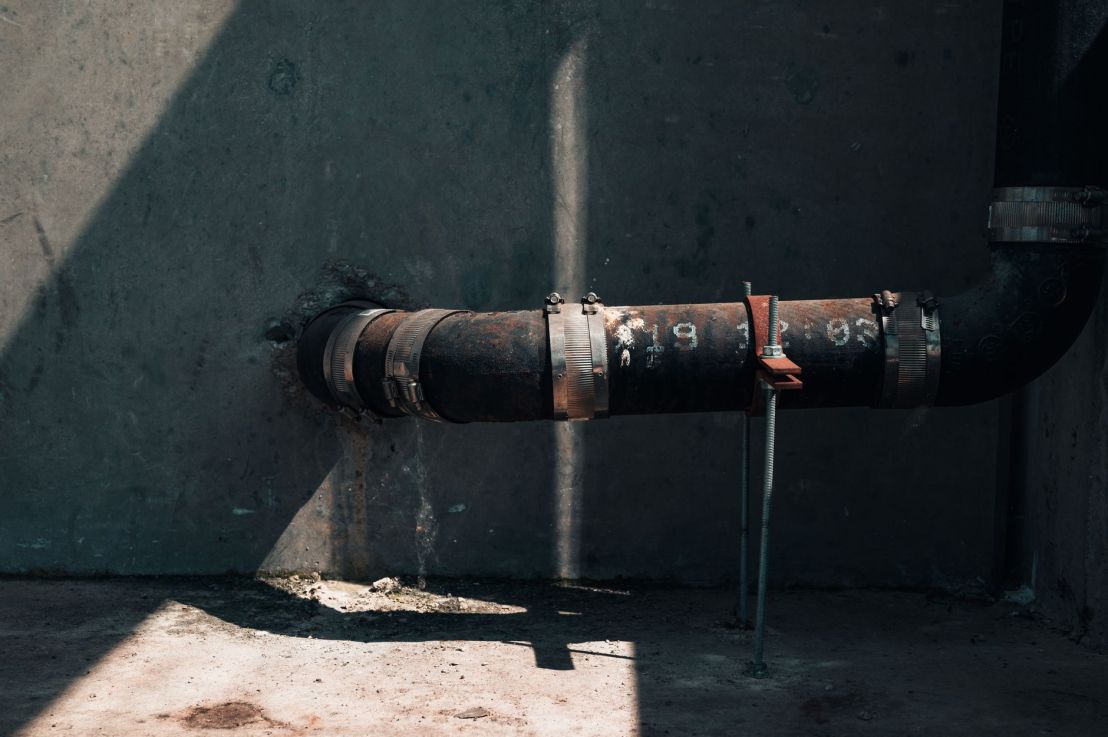
Climate change is causing groundwater to rise in many places. The elevated water table will hit underground infrastructure such as pipes. Groundwater will flood into the pipes through cracks and joints. The extra water in the pipes will reduce their capacity to convey stormwater and wastewater, leading to more infrastructure and public health damage. This is Why Groundwater Rise Will Flood Pipes.


 Isaac's Science Blog