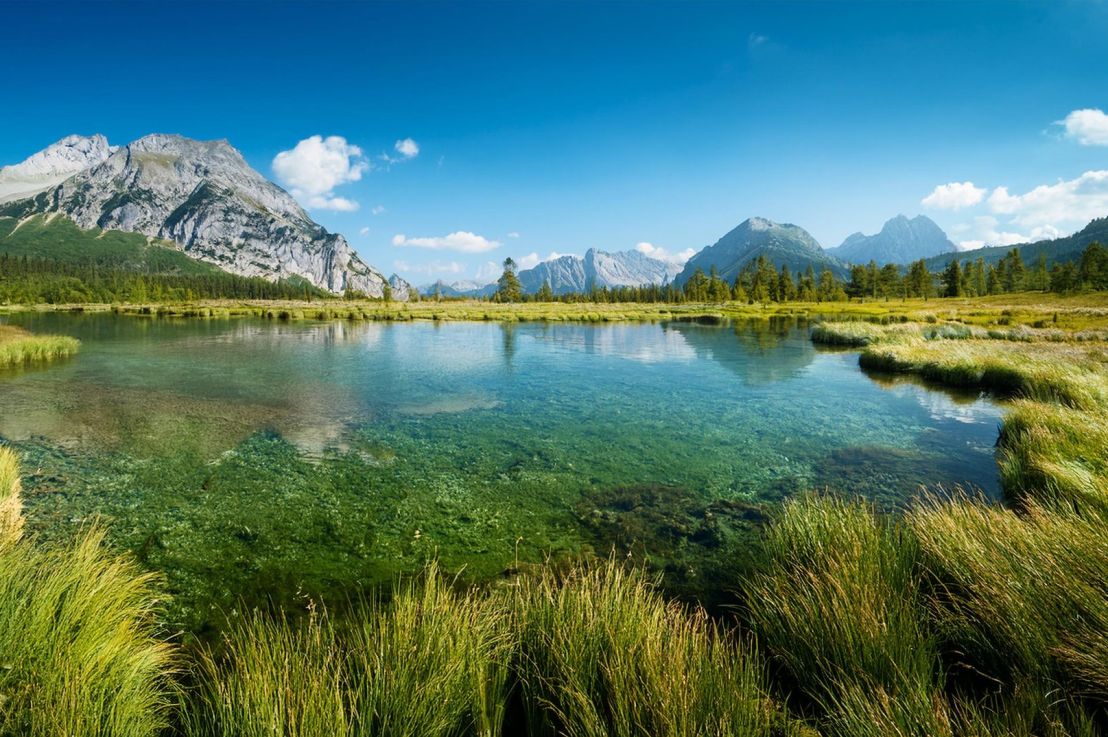
Lakes form in all sorts of conditions. Some lakes have cold water that’s deep and provides only low biological productivity. Their waters are clear and dense with dissolved oxygen because low nutrient levels lead to fewer plants and algae that would otherwise cloud the site. The bottom layer of the lakes is typically much colder than the top in summertime, creating a different habitat. These Oligotrophic Lakes are a wonder to behold and are commonly found in high-altitude mountain environments.
A Meta-Affiliated Data Center Discharged a Deadly Bacterial Strain Into a Wyoming Town’s Wastewater
07/07/26
“How did a Meta-affiliated data center discharge a deadly bacterial strain into a Wyoming town’s wastewater?”
Data centers are very controversial for their heavy environmental strain. Recently, a Meta-affiliated data center was found to have discharged a deadly strain of bacteria into the wastewater pipes of Cheyenne, the capital of the U.S. State of Wyoming. This bacterial strain, known as Cupriavidus gilardii, is a multidrug-resistant pathogen that may have a mortality rate as high as 31.3 percent. As a consequence of this finding, local officials are withholding waste-dumping privileges from any data center connected to the municipal water services. This is how A Meta-Affiliated Data Center Discharged a Deadly Bacterial Strain Into a Wyoming Town’s Wastewater.
“How can we characterize the rate at which new biomass is created in water bodies?”
Water bodies can be the fabric of an ecosystem. Ecosystems are composed of living matter, also known as biomass. The rate at which new biomass is produced in water, or Biological Productivity in Water Bodies, is dependent upon the amount of sunlight that reaches the water, the nutrients in the ecosystem, the water temperature, the amount of mixing and clarity in the water, and the carbon availability. Biological productivity can drastically affect a water body system’s health, leading to eutrophication if not controlled.
“How can we make industrial parks more sustainable?”
Industrial parks are the foundation of much industrial activity. However, they can also create voluminous amounts of pollution. That’s where Eco-Industrial Parks come in. Eco-industrial parks establish circular economy practices through resource sharing and the reuse of manufacturing byproducts. Eco-industrial parks also strive to harness sustainable energy and reduce inefficiencies. Governments can adopt eco-industrial park strategies to build wealth and industrial capacity while avoiding excess environmental damage.
“How can we use rings to facilitate floodwater infiltration?”
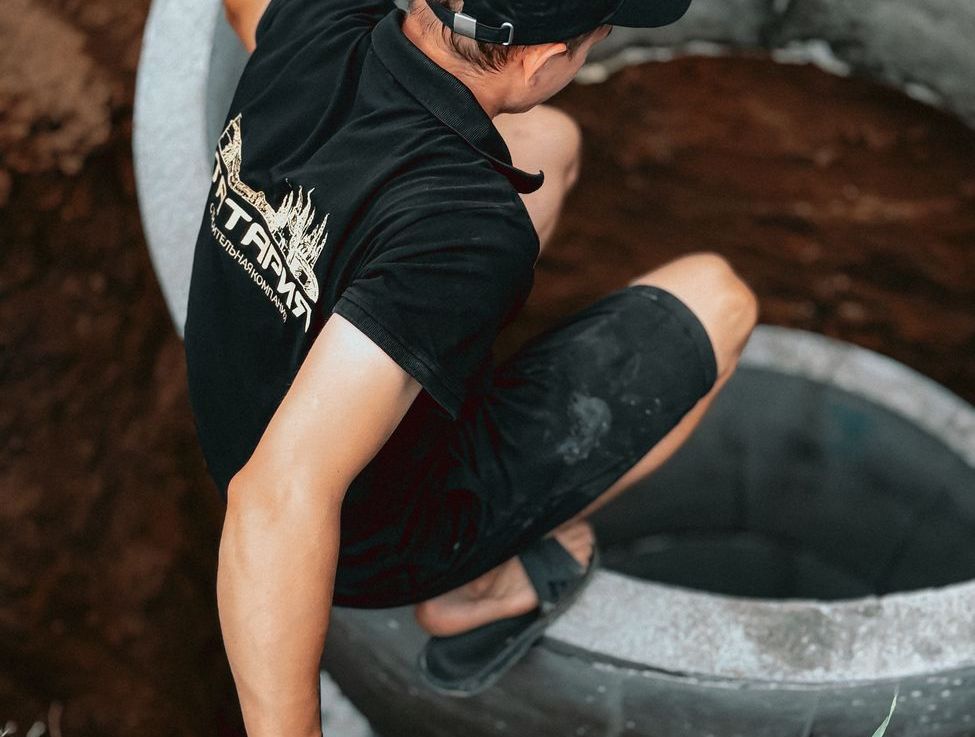
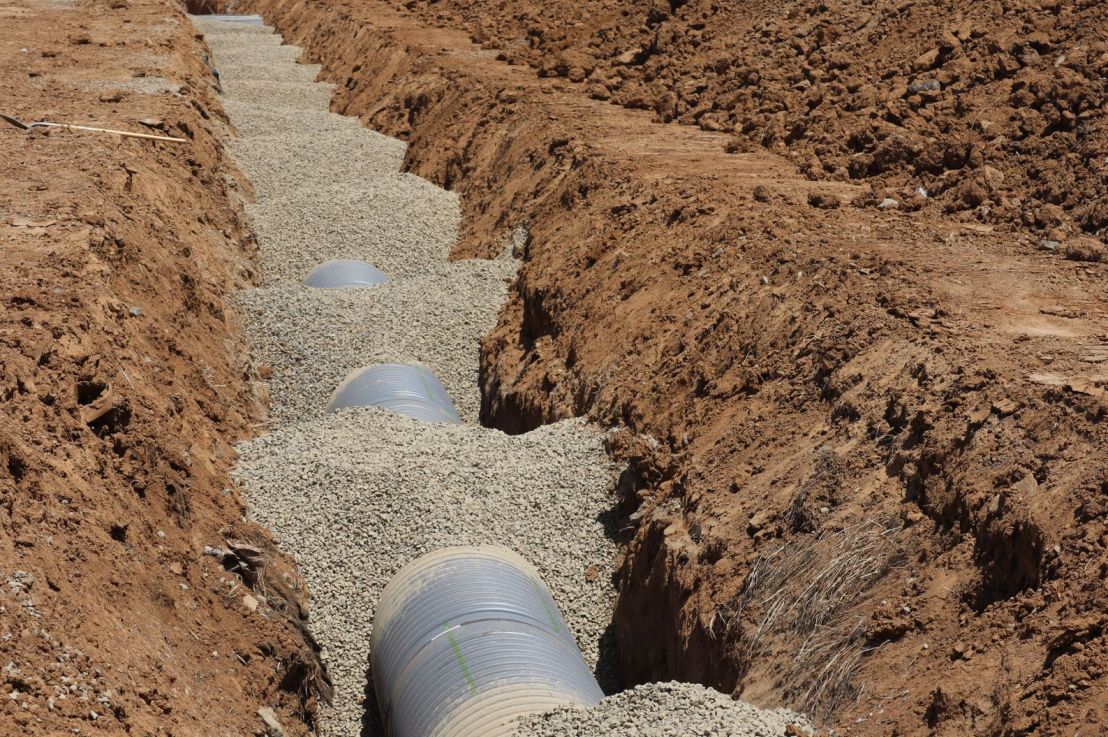
Infiltration can be a very useful stormwater control method. However, too much water impacting the surface at once can overwhelm soil and hinder infiltration. We can address this by placing solid Drainage Rings in the Earth to store water while seeping it out at controlled rates to the surrounding dirt. Drainage rings are commonly surrounded by stone drainage media for additional support. Drainage rings are a central component of drywell systems.
“How can saltwater intrusion seriously harm forests?”
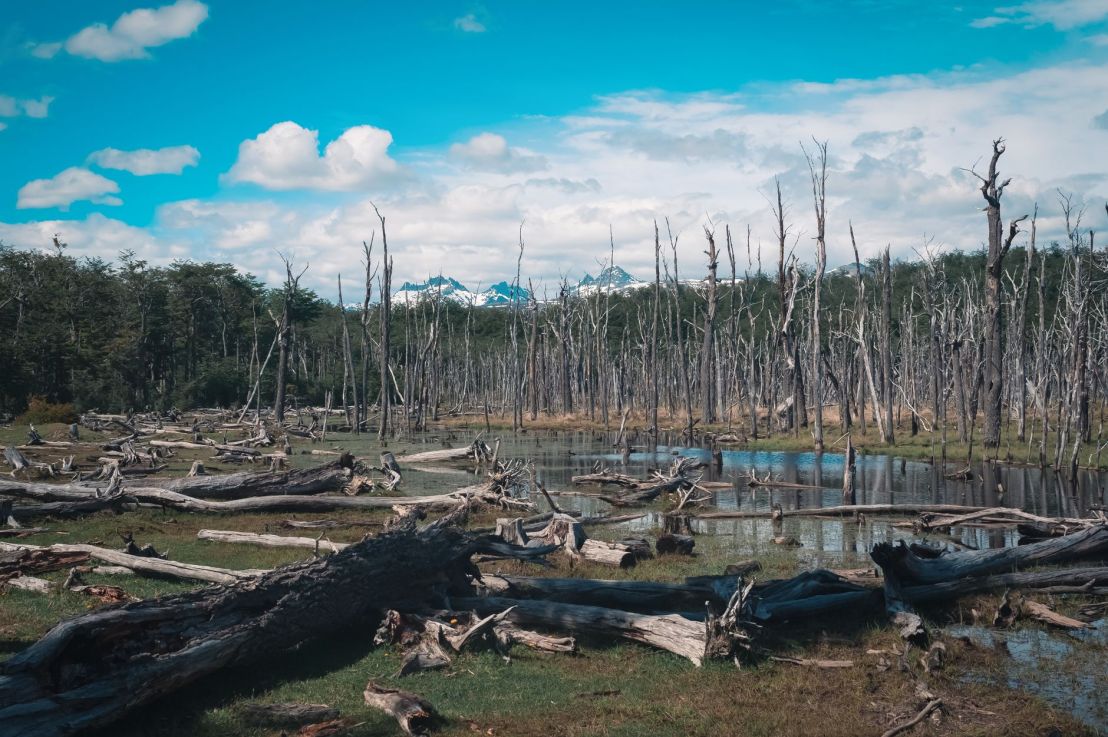
Saltwater damages freshwater trees. Consequently, saltwater intrusion into coastal forests leads to wide swaths of destruction, leaving Ghost Forests in its wake. Sea-level rise from climate change is already leading to a proliferation of ghost forests. Ghost forests are an increasingly common sight in the U.S. Southeast.
“What is the highest level of algal contamination for lakes?”
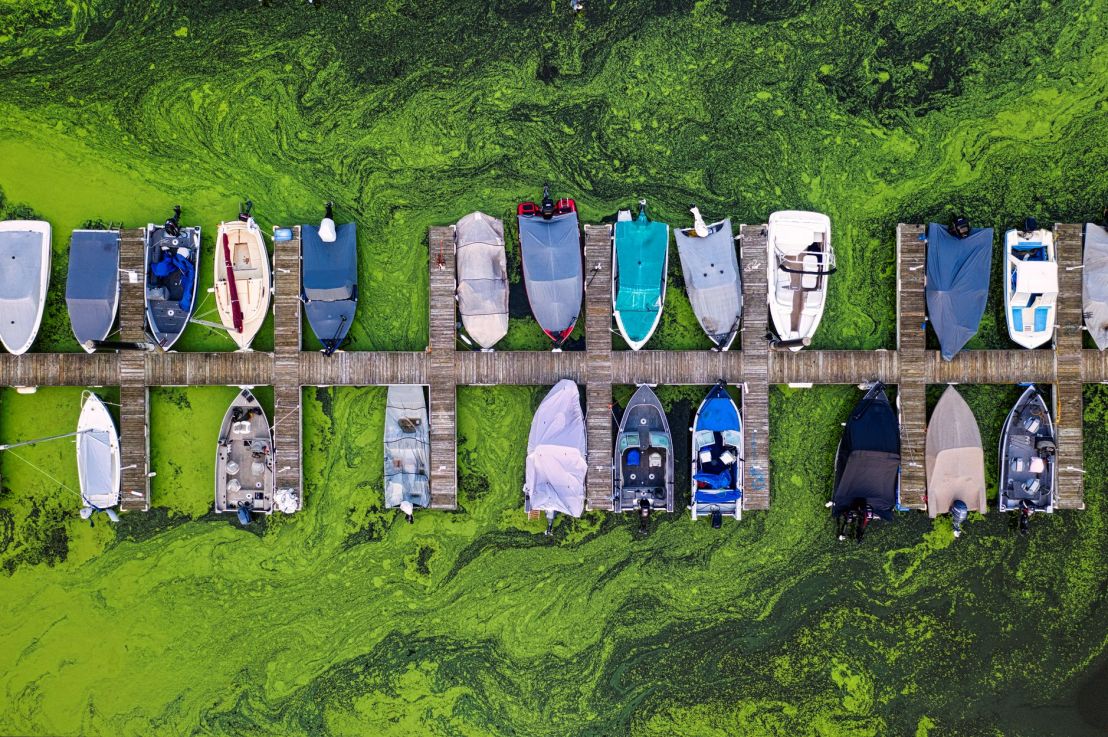
A lake’s trophic state index determines its algal power. Lakes at the highest end of the index (above 70) are classified as Hypertrophic Lakes. Hypertrophic lakes have very poor water quality and low water visibility. Algal overgrowth can be so intense that animals die off en masse from lack of dissolved oxygen.
“How can we use permeable material to improve drainage systems?”
Drainage systems transport water from one place to another. Sometimes, drainage systems will need additional material to improve performance and prevent soil clogging. This usually consists of Drainage Media composed of permeable material, such as crushed stone or plastic media with voids, surrounding the drainage system to assist with infiltration into nearby soil.
Algal blooms in water bodies result from high nutrient load and strong environmental conditions. The associated biological productivity can be measured by the Trophic State Index. The trophic state index captures the amount of light striking the surface of a water body, the concentration of particulate matter, and the physical measuring depth to determine the algal bloom intensity.



 Isaac's Science Blog