How Groundwater Flooding Can Lead to More Surface Pollution
06/04/26
“How can groundwater flooding lead to more surface pollution?”
Pollutants are often stored in aquifers. When groundwater floods out of aquifers into the streets, it brings those pollutants with it. This is How Groundwater Flooding Can Lead to More Surface Pollution.
Why Sea-Level Rise Will Lead to More Groundwater Flooding
06/03/26
“Why will sea-level rise lead to more groundwater flooding?”
The water table level in coastal areas is proportional to the pressure from coastal waters. The pressure from coastal waters is proportional to the surrounding sea-level height. When the sea-level rises from climate change, so will the water table, which can lead to groundwater flooding. This is Why Sea-Level Rise Will Lead to More Groundwater Flooding.
“What’s the pressure of soil when a structure pushes into the soil?”
Structures receive pressure from the Earth when a structure pushes into the soil. This comes from a reaction to compression. This Passive Earth Pressure is a fundamental part of civil engineering.
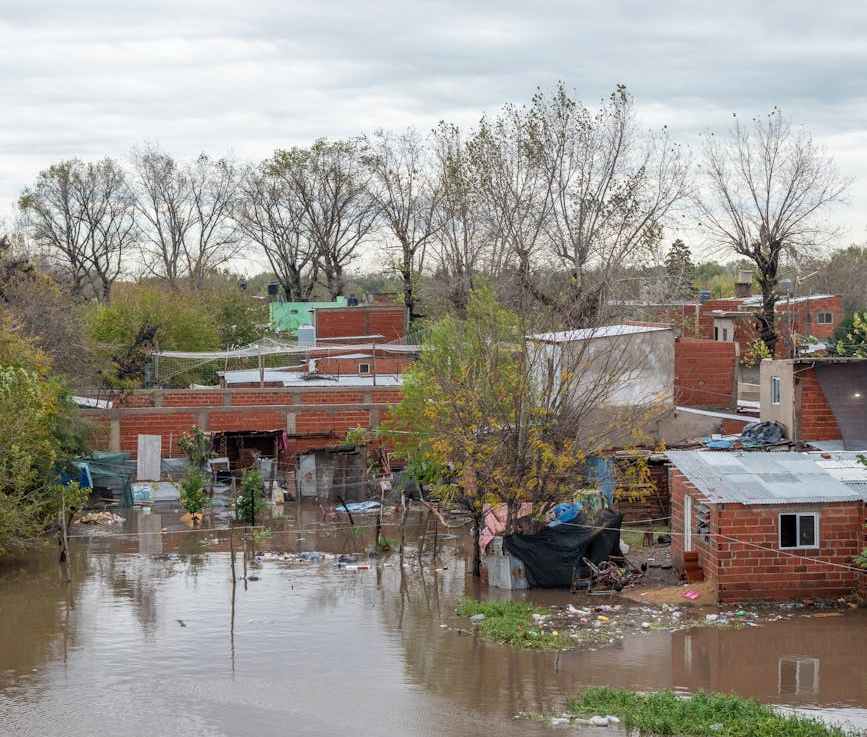
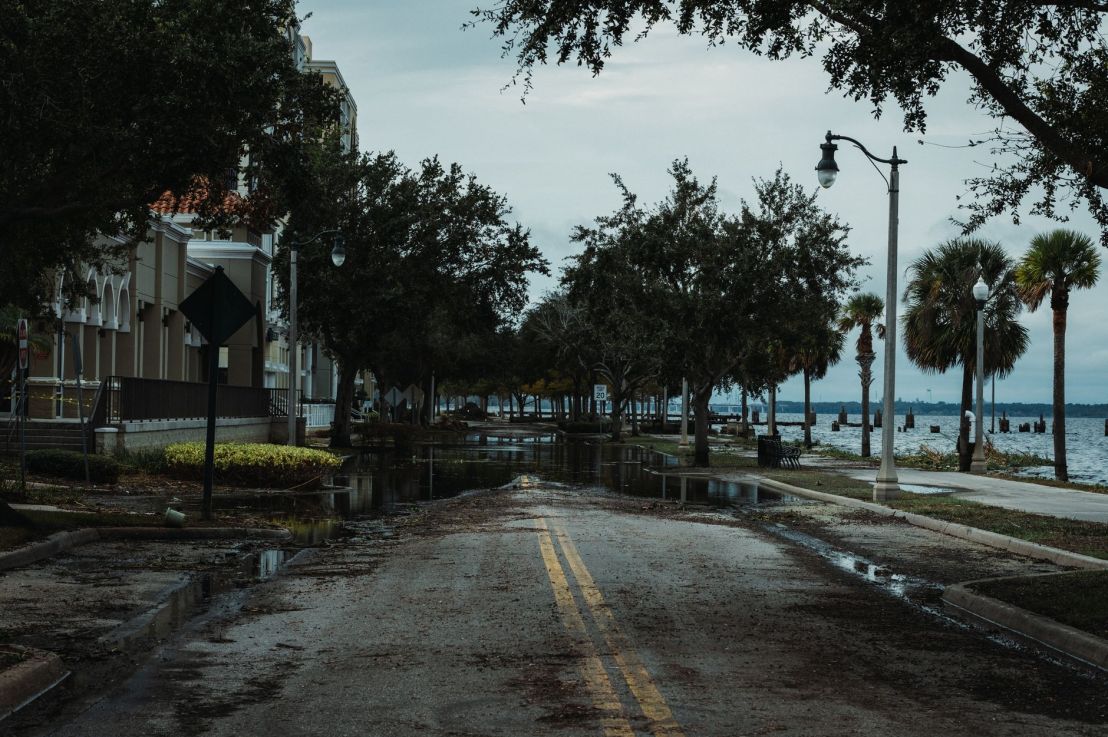
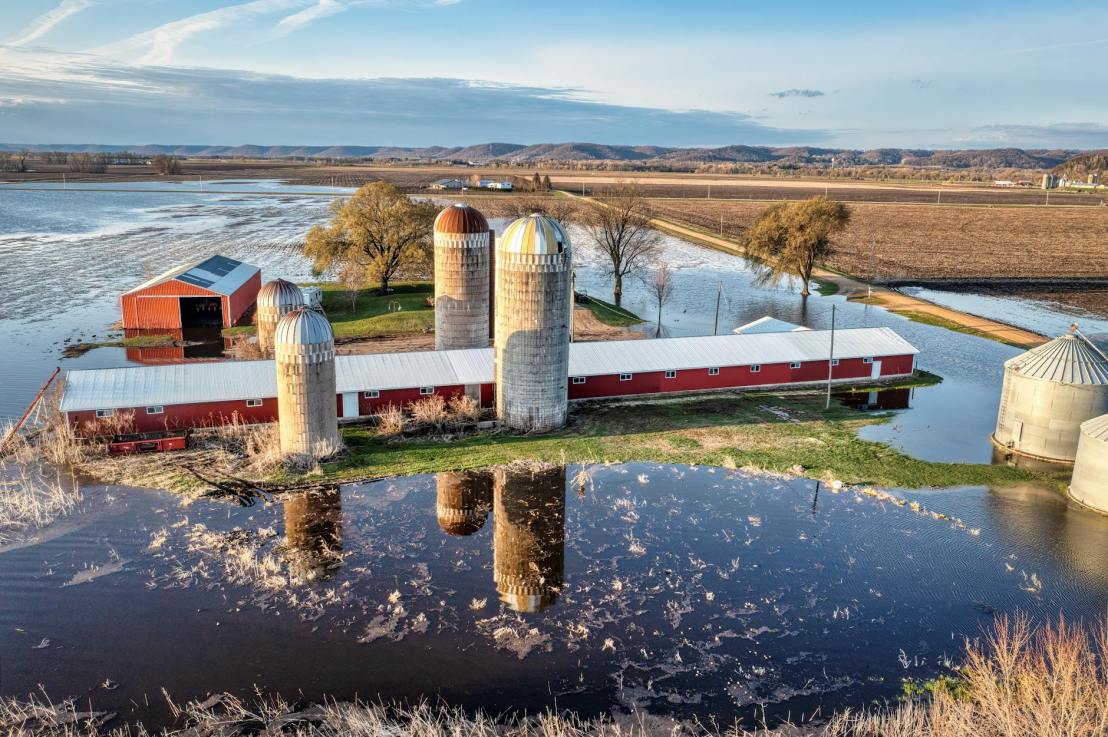
Groundwater is water held underground in aquifers. During heavy rains, the water table in unconfined aquifers rises if drainage is not fast enough and can spill out onto the surface. Groundwater Flooding can wreck basements, destroy infrastructure, and devastate lives. Groundwater flooding is more likely to occur on land near bodies of water, such as streams and lakes, and in low-permeability, high-saturation soils.
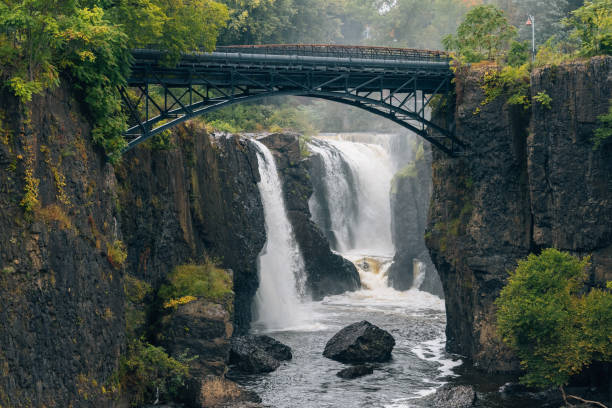
New Jersey is a lush state with a mountainous northern portion, granting favorable conditions for river formation. One of these rivers, the Passaic River, has many unique properties. Its headwaters begin in Northern New Jersey, and then it flows 80 miles through forests, wetlands, and suburbs until it empties into Newark Bay. The lower 17 miles of the Passaic River is considered a tidal water body, and industry used this portion for a variety of waste stream discharge since the 19th century. This pollution included byproduct production from Agent Orange production used to terrorize Vietnam during the Vietnam War. Consequently, the lower portion of the Passaic River is designated a Superfund site known as the Diamond Alkali Superfund site.
“What’s special about the Hackensack River in New Jersey?”
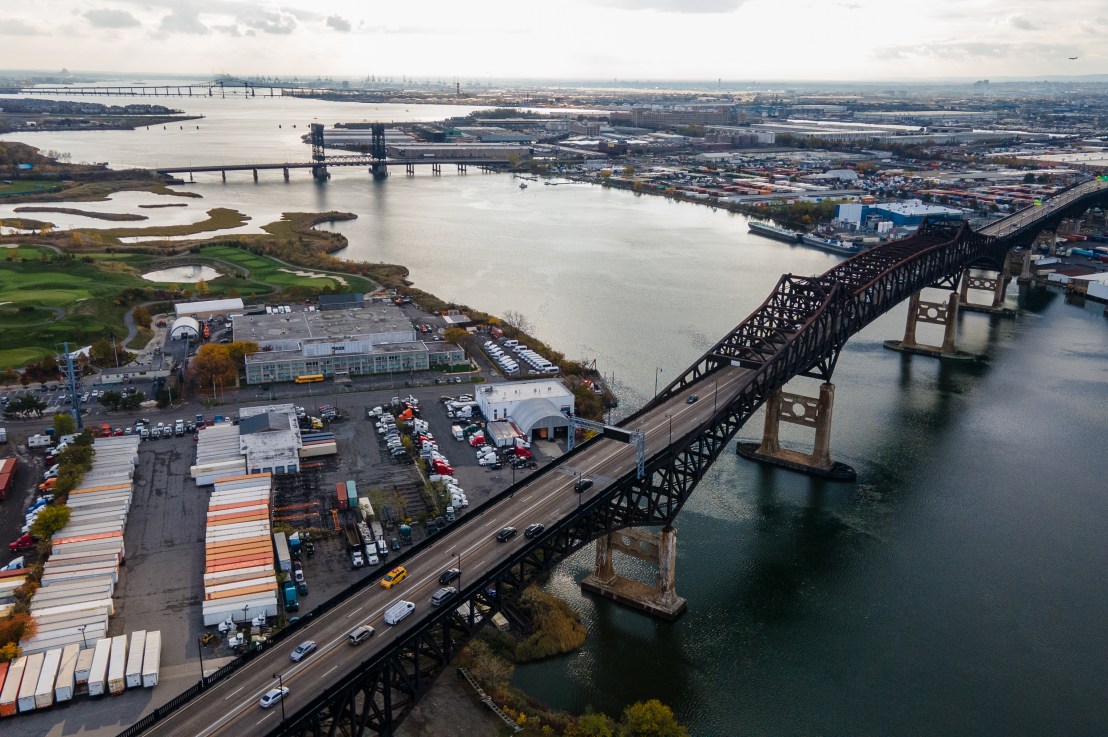
New Jersey has many rivers. One of them, The Hackensack River, is an anchor for North Jersey. With its headwaters in what’s now Southeastern New York, it strikes a meandering path almost parallel to the hudson before draining into the New Jersey Meadowlands. The lower portion of the Hackensack river is heavily polluted from industrial runoff and sewage. At one point, the Hackensack River was a hypoxic dead zone.
“How can we make lush, green multi-use corridors for people?”
Pathways in municipal areas are typically made of impervious, boring material. Local governments can invest in making Greenways, or specific corridors lush with vegetation, open for multiple uses, and focused on humans instead of vehicles. It’s common for greenways to follow a geographic linear feature such as rivers and railroads.
“How does soil exert pressure on underground infrastructure?”
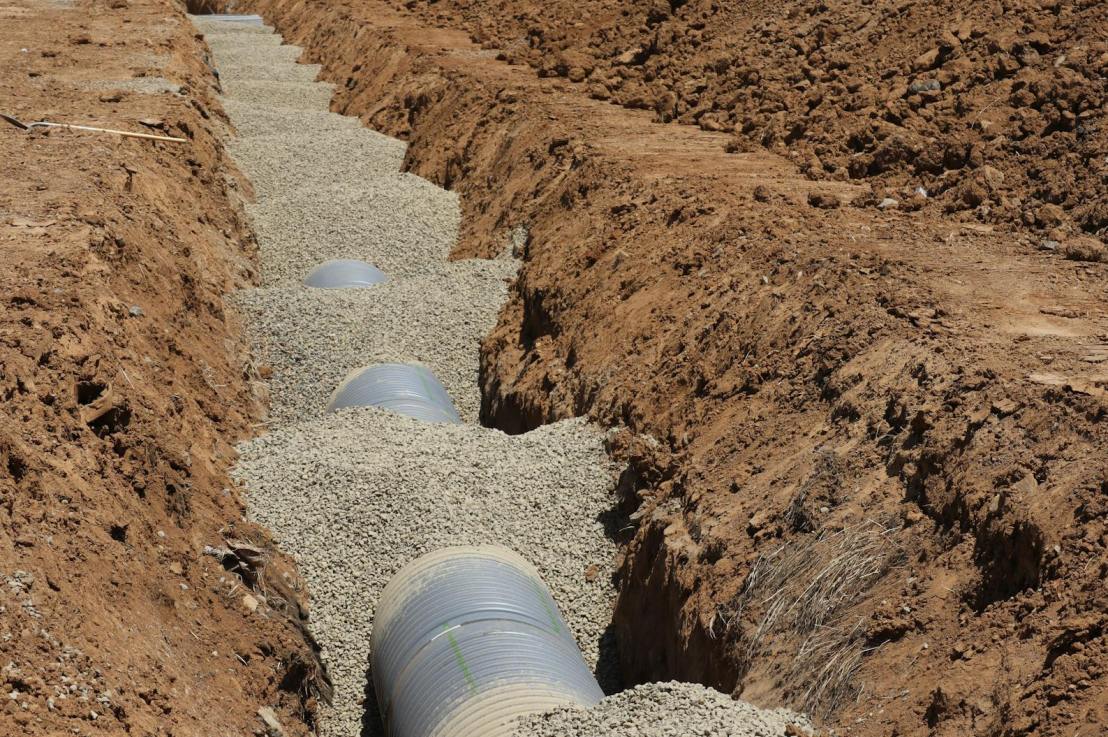
Soil becomes heavier as you go deeper. Each layer below must support all of the layers on top of it. This pressure extends in all directions, including laterally. Any infrastructure in contact with soil underground will experience Lateral Earth Pressure. Engineers must consider lateral earth pressure in project calculations.
Soil is used to support infrastructure foundations. Built infrastructure can be very heavy, and if it’s too heavy, the soil can fail. The maximum pressure soil can take before it fails, or the Soil Bearing Capacity, is in terms of load force per unit area.

 Isaac's Science Blog