“How is New York City looking to use its waterways to move freight more sustainably?”
New York City has a problem. Its freight volume is expected to increase by two-thirds by 2045. All of the extra trucks on the road will lead to more congestion and carbon emissions. But what if they didn’t have to go on the roads? The New York City Blue Highways will use the city’s waterways to move microfreight and larger in a more modular, sustainable fashion. The blue highway program can lead to a more clean, sustainable, and equitable city for all.
“How can we use buoys to help with ship navigation?”
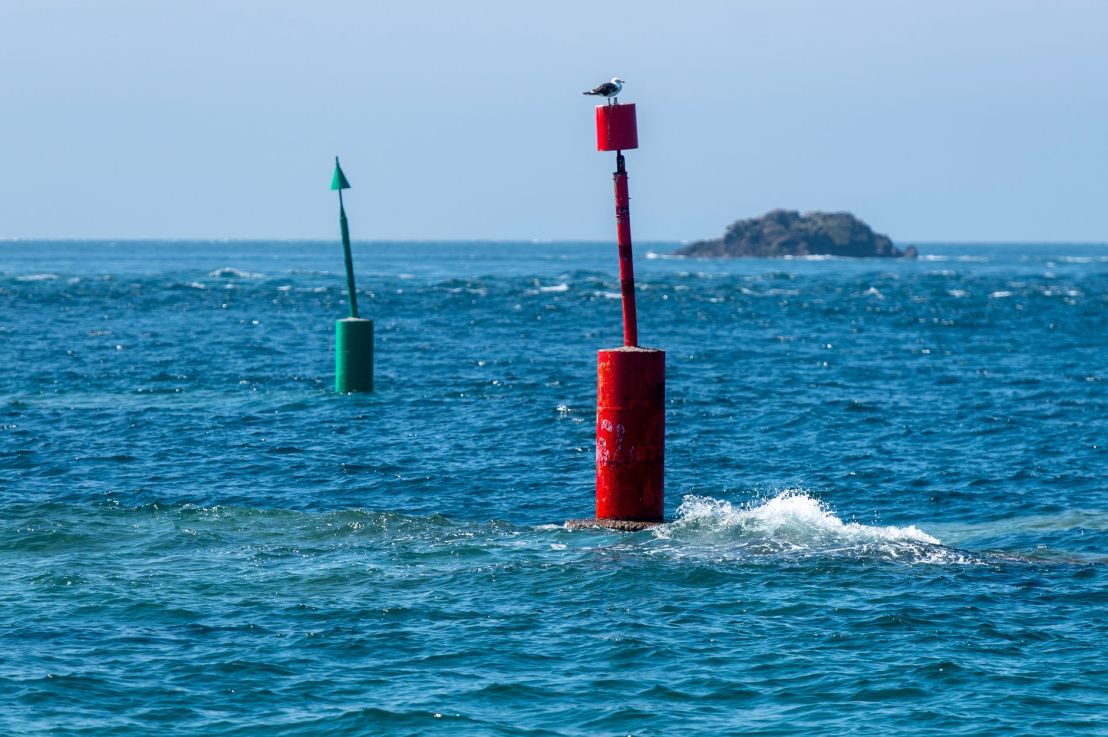
Navigating from sea to port and vice versa can be very difficult. One wrong move and you can destroy your ship. To help with safe navigation, government authorities have installed Navigation Buoys. Navigation buoys come in red and green pairs. When you see red buoys on the right and green on the left, you are headed towards port, and vice versa for heading to open waters. Ships can stay safe by staying in between red and green navigation buoys.
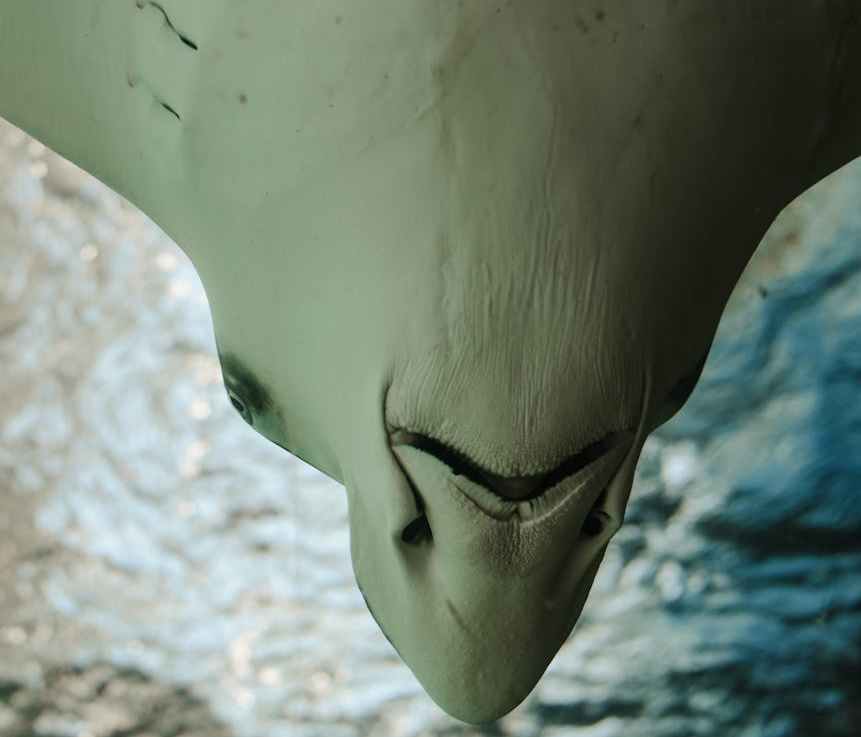
Water bodies can contain a vast supply of organic matter and microorganisms. Some marine creatures consume vast amounts of water and then filter it for organic matter and microorganisms to digest. These creatures, called Filter Feeders, are beautiful specimens that also clean the water bodies they inhabit. Filter feeders have a mighty range in size, from gargantuan whales to tiny krill.
“How can we describe parcels and food freight shipments that can be moved in small containers?”
Freight transportation is typically talked about as if it exclusively belongs in large, heavy containers moved by rail, cargo ship, or truck. However, people can move smaller items like parcels and food by ferries and cargo bikes for “last-mile” delivery as Microfreight. Microfreight transportation is much less carbon and infrastructure-intensive. Cities can become more sustainable by switching more freight to microfreight. New York City is pioneering microfreight deployment.
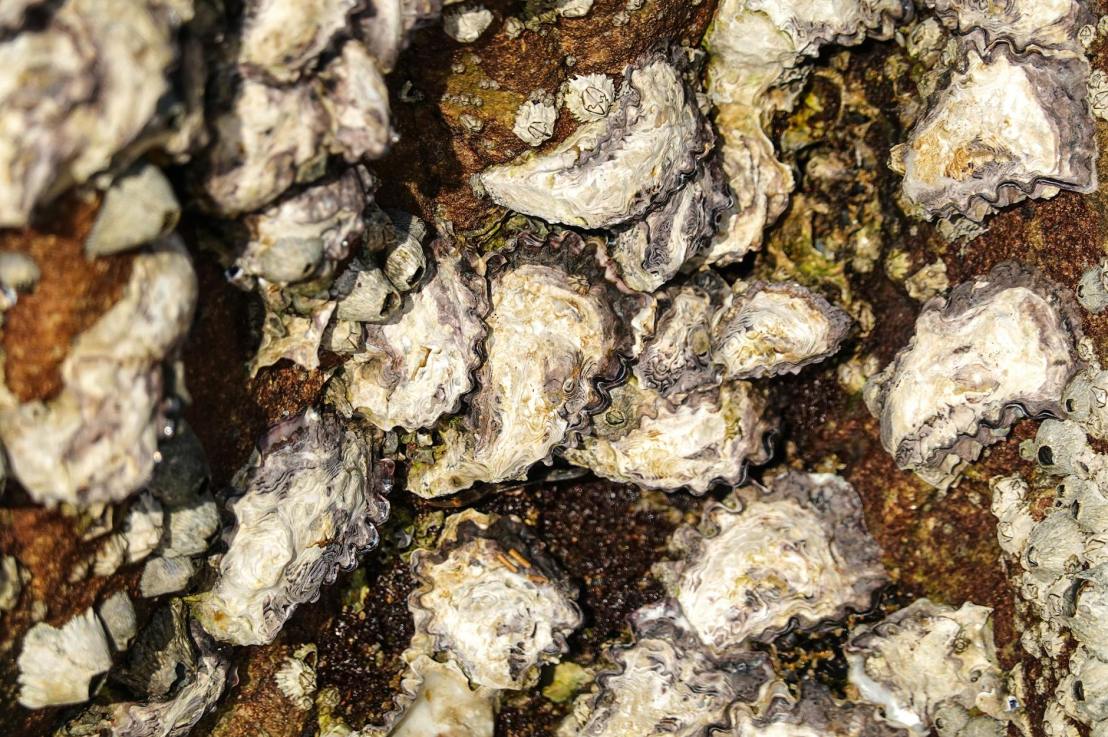
What do you think of when someone says the word “oyster”? For many, an image of delicious seafood pops into their mind. But what if that same organism also acts as a natural filter for waterbodies? Oysters feed off phytoplankton, algae, and suspended particles. Often, these items are rich in nitrogen, and oysters can absorb the nitrogen and use it to build their shells and tissues. The process ends with cleaner water and a satisfied oyster. This is How Oysters Filter Water.
“What happens when soils become completely saturated with water?”
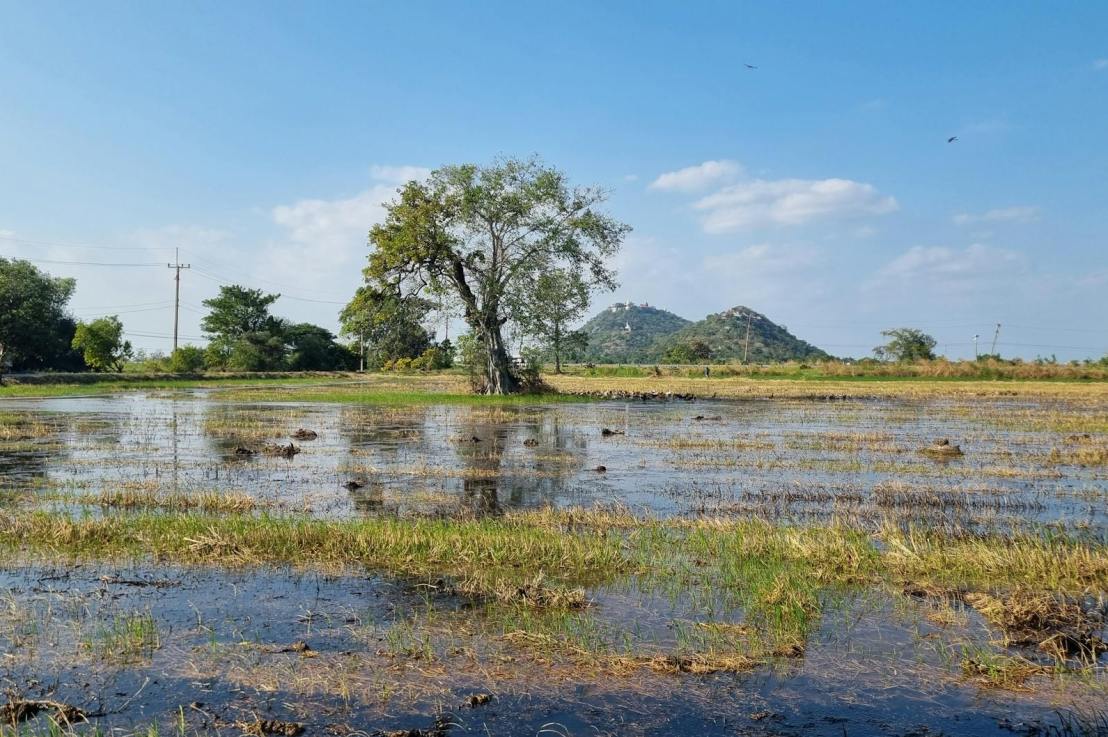
Soils often contain air and water between their solid particles. But when water saturates soil, it pushes out air and creates anaerobic conditions, suffocating plant roots. Waterlogging is a massive problem for agriculture and requires careful monitoring. Waterlogging typically occurs during heavy inundation events like floods or rainstorms.
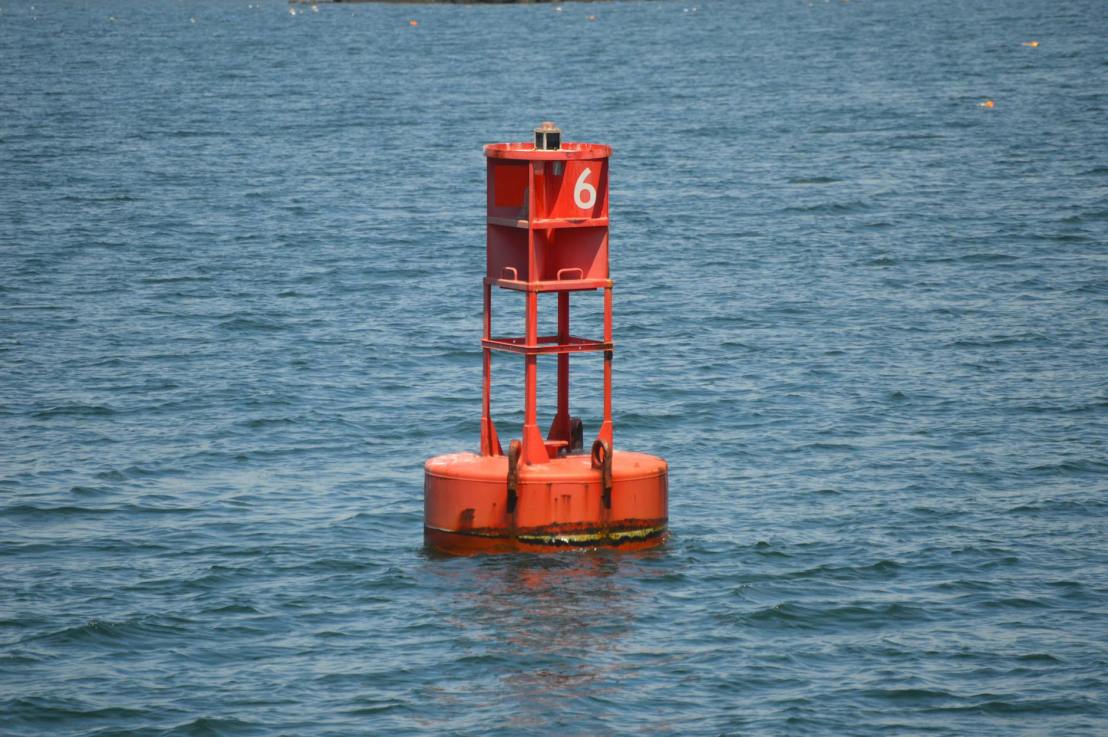
“What are those floating devices in the oceans used for?”
If you look out at the ocean in areas of high human activity, you’ll likely see a series of strange floating objects. These objects, known as Buoys, help ships with a variety of tasks, from marking channels to conveying regulations to delineating where to anchor.
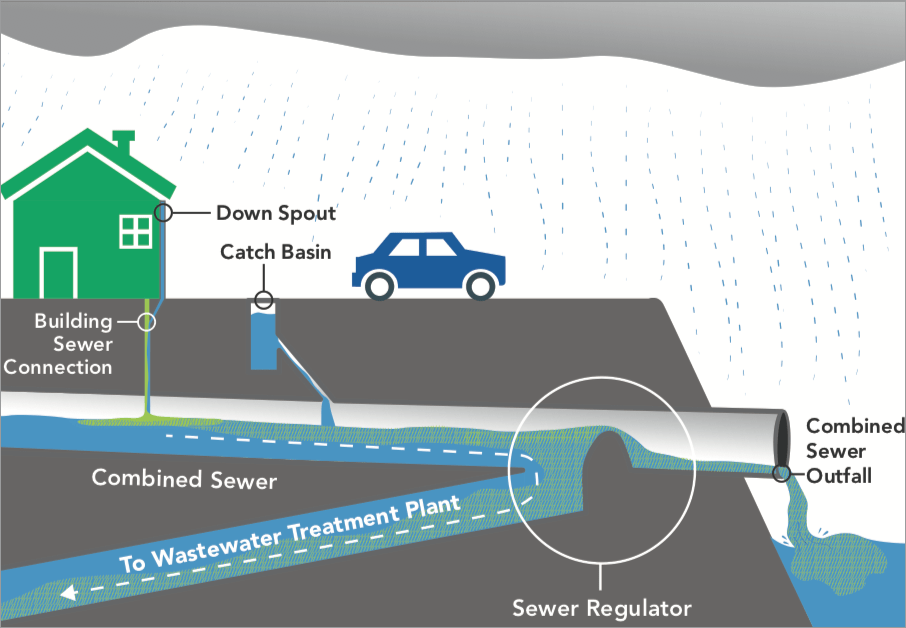
“How can we release water into outfalls during combined sewer overflows?”
Combined sewers take in both storm and sanitary connections. However, when there is a combined sewer overflow event, some water must be released into outfalls. This can be accomplished with Sewer Regulators, pipes to outfalls that activate when the stormflow becomes large enough. Sewerage would back up without regulators, making them a critical component in combined sewer systems.
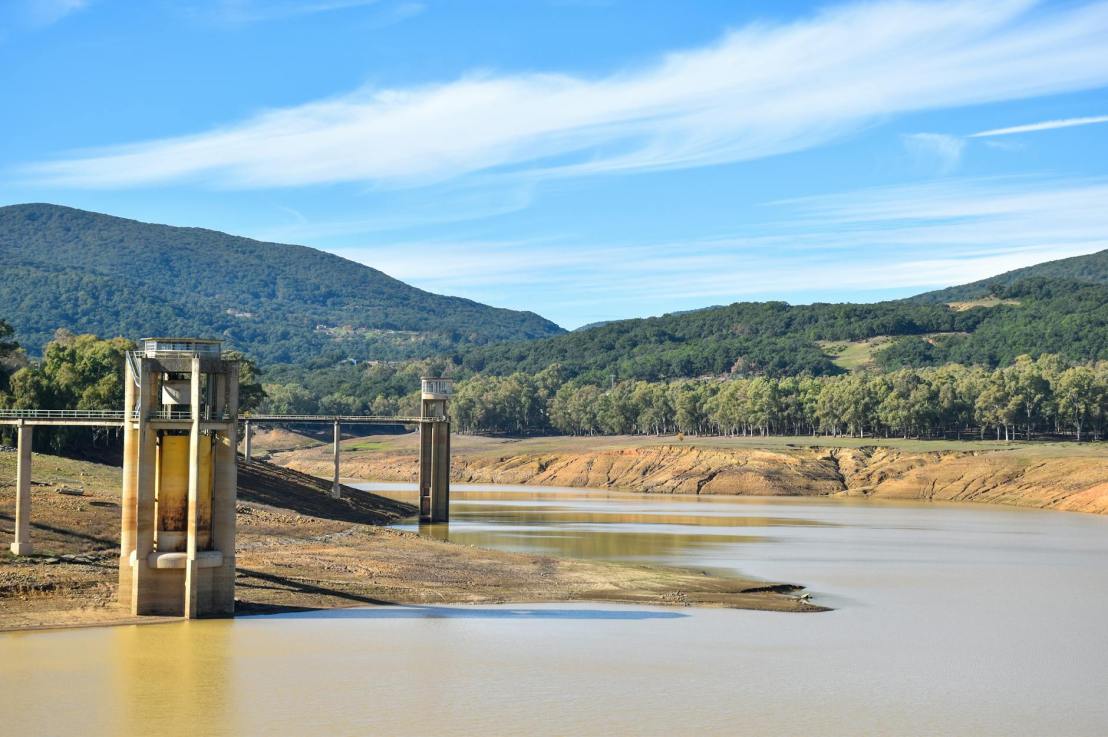
Dams hold up reservoirs by impeding water flow. Sediment in this slower or still water will drop to the bottom of the reservoir bed and accumulate. Over time, the built-up sediment will impede reservoir effectiveness. Infrastructure managers need to address this Reservoir Sedimentation phenomenon in their operations.


 Isaac's Science Blog