“Why are sandbars so important for navigation for naval navigation?”
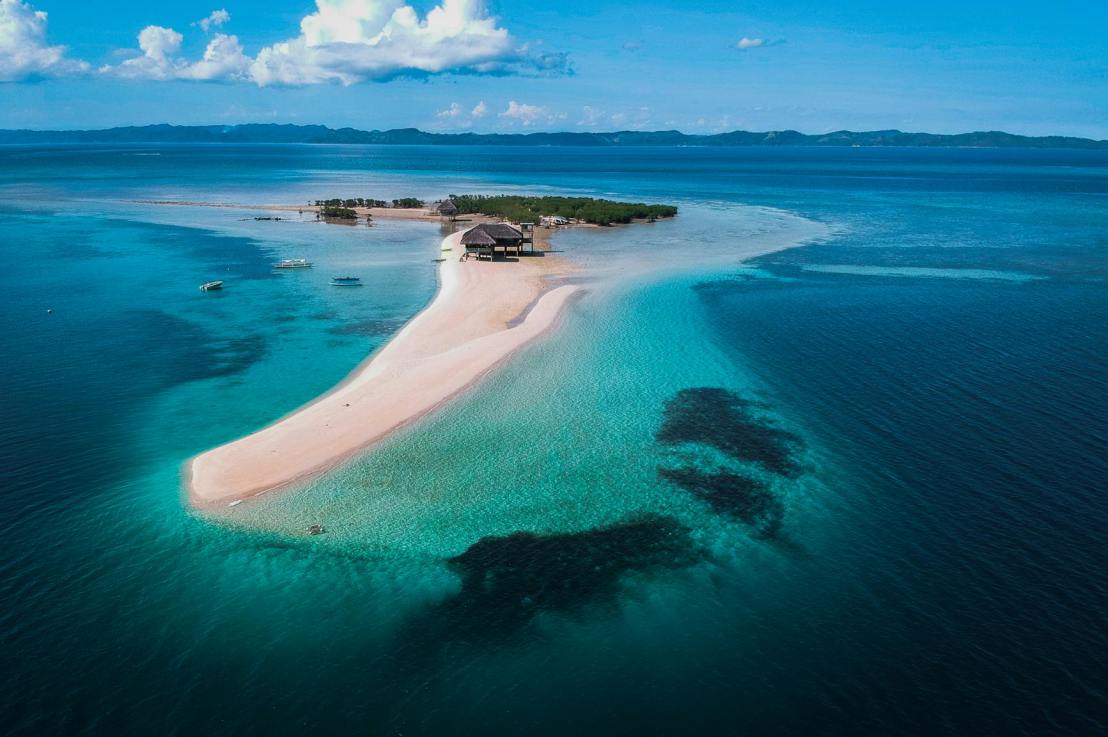
Sandbars are a peculiar feature of bodies of water. But when it comes to ship navigation, their presence can drastically shape a ship’s journey. Because sandbars may rest just under the water, unsuspecting boats can steer into them and get trapped. Furthermore, sandbars may form the contours of navigation channels for ships. Sand bars also change over time, adding unpredictability to ship helmsmanship. On the flip side, sandbars can serve as natural harbors protecting ships from harsh elements. These are the reasons Why Sandbars are Important for Naval Navigation.
“How do submerged or partially exposed coarse sediment bodies form in water?”
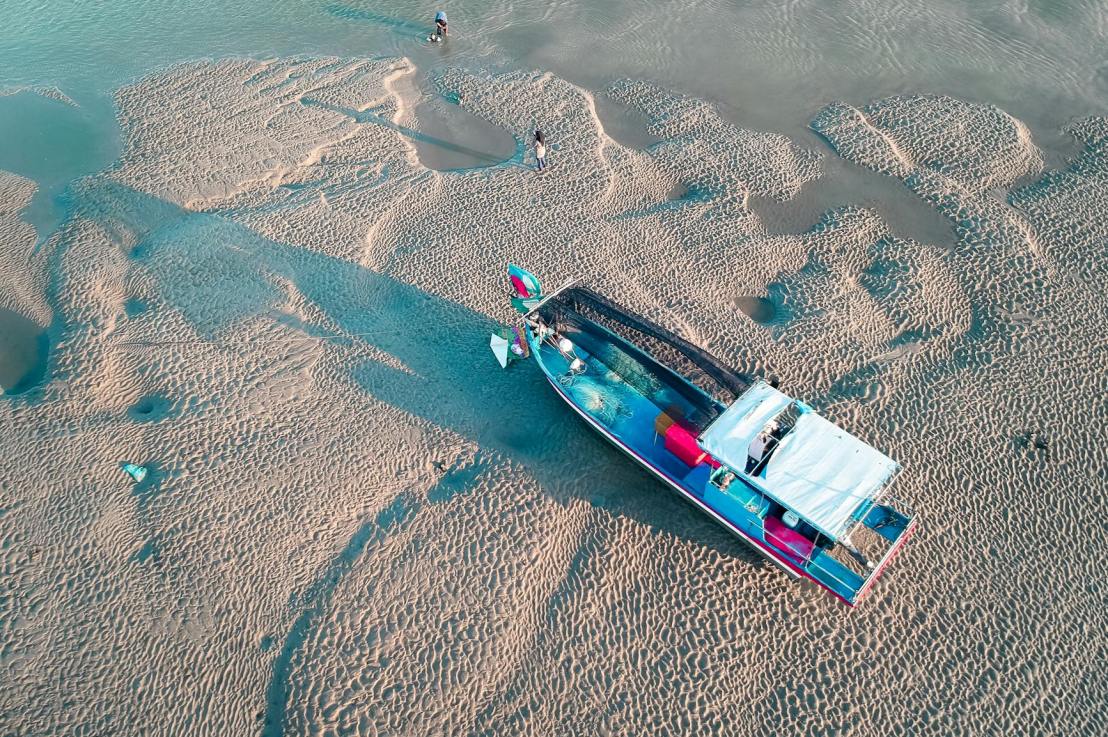
Waves and currents can move and deposit sand, silt, and other coarse sedimentary material into long, narrow ridges that are submerged or partially exposed to the air. These shapes, called Sandbars, can defend shorelines from erosion and towns from storms by breaking wind/wave energy.
“How do we describe narrow bodies of flowing water?”
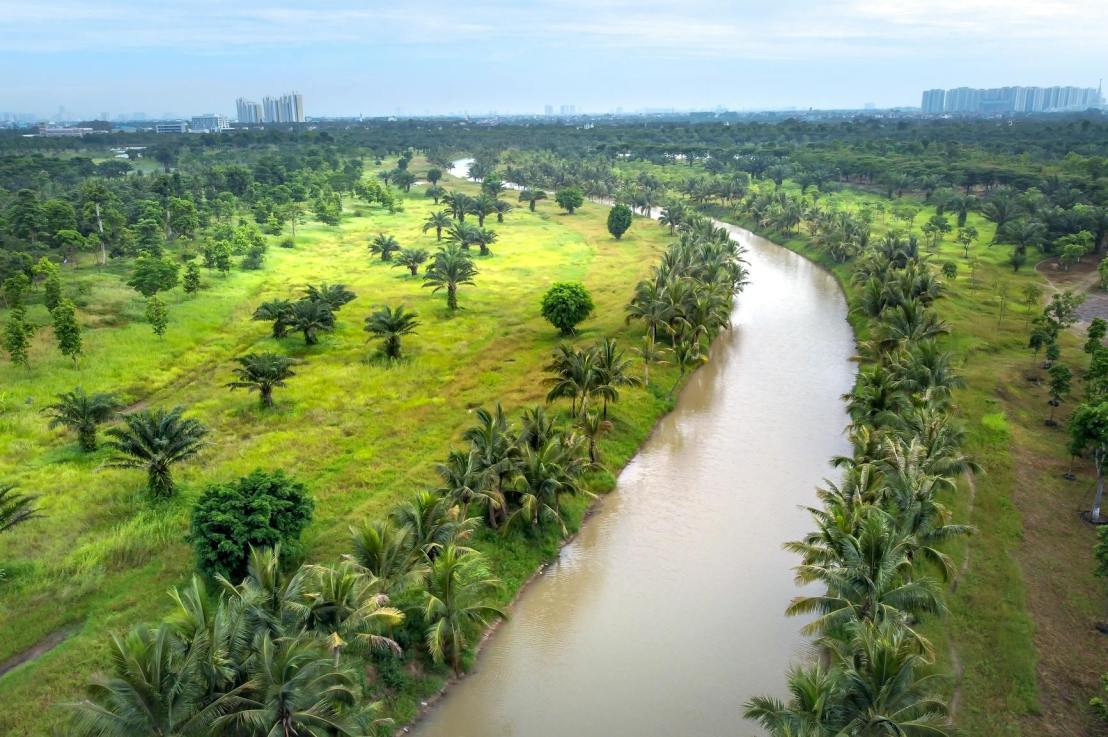
Water will flow from one place to another because of a hydraulic potential difference. When the flow becomes narrow, it turns into a form people describe as a channel. Channels come in many forms, from simple streams to mighty sea-borne nautical channels.
“How can we store multiple plants in one container?”
People store plants in containers to take care of them. Containers that can store multiple plants at once are labelled Planters. Because planters can store multiple combinations of plants, they tend to be more diverse than pots. Planters can come in irregular shapes instead of stricly cylindrical forms.
Planters hold plants. If the plants have too much water, then the soil can become waterlogged. People can make holes in planters, called Planter Weep Holes, to allow water to flush out during overwatering.
“Why do people excavate material from bodies of water?”
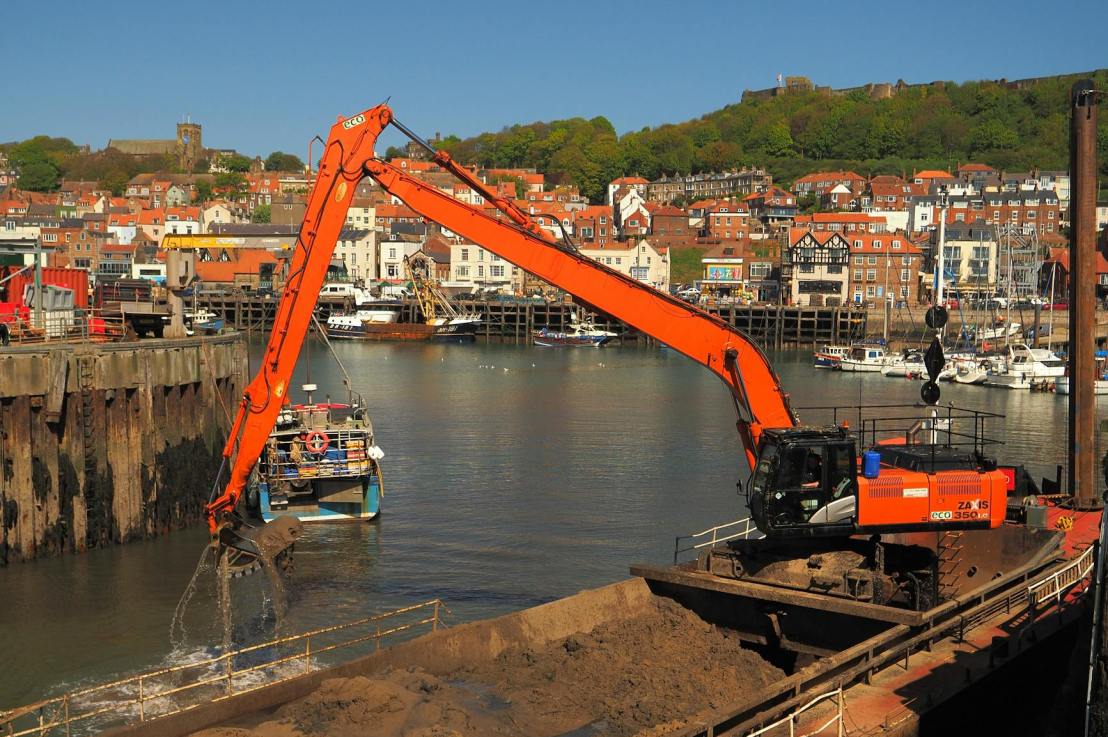
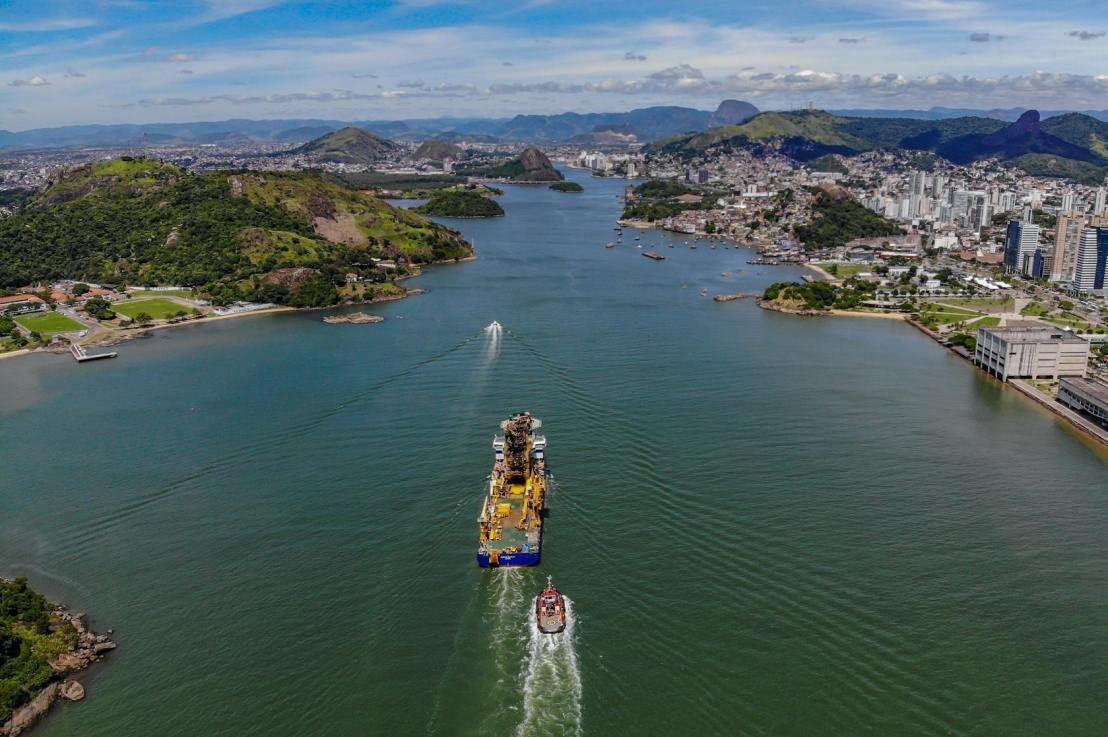
People have been shaping bodies of water for millenia. One way is to excavate material (usually solid) from a water body and move it somewhere else. This process, called Dredging, is used to improve navigation channel performance, remove sediment, and even create entirely new land somewhere else!
“Why is it important for ships to know where extra deep channels are on the sea floor?”
Ships need to move through bodies of water that are deep enough to hold them. Portions of the sea floor that are deeper than their surrounding areas, called Navigation Channels, are optimal routes to take. Often, government and port authorities will create navigation channels by dredging paths near their docks.
“Why do hollow tubes filled with packed materials have special properties?”
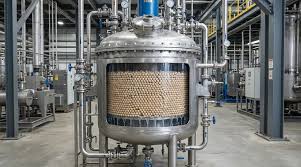
People often want to mix two phases of chemicals together for a chemical reaction. So how can we maximize surface contact between these distinct phases? Well, what if we were to take a hollow tube, and then pack reactive solids inside, and then flush a fluid through the hollow tube? These Packed Beds are a mainstay of chemical engineering and power some of the most important processes today, whether it’s sand filters for drinking water or activated carbon for wastewater.
“How can we clean up soils contaminated by hydrocarbons using air injections?”
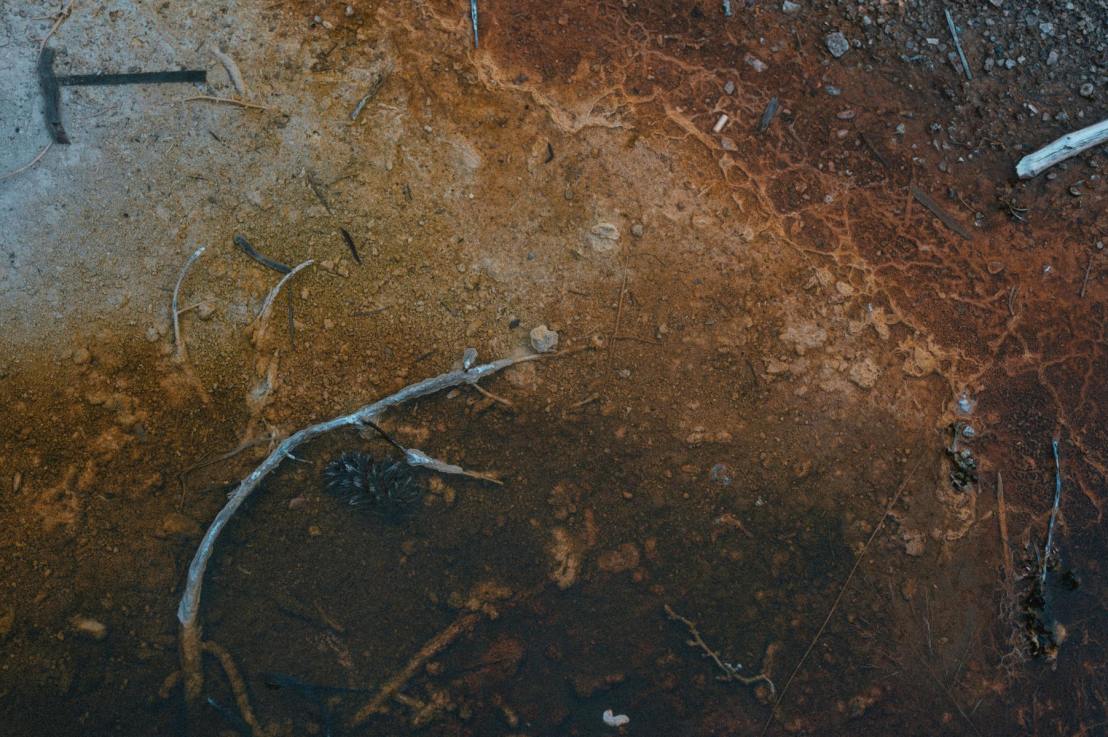
Hydrocarbon pollutants can be gravely difficult to remove from soil. However, microbacteria can naturally remove it. We can stimulate microbacterial growth by injecting air into unsaturated soil areas through Bioventing


 Isaac's Science Blog