“How can we separate incoming non-organic from organic particles in a wastewater stream?”
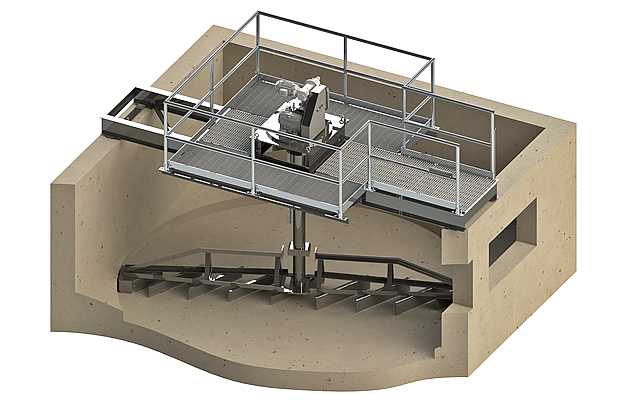
Wastewater streams are composed of both organic and inorganic particles. Non-organic particles in a waste stream can damage equipment and hurt performance. So what can we do to solve this? Well, we know that non-organic particles tend to be heavier than organic particles. So what if we use control the flow of water and use settling velocity differences to have heavier, denser particles non-organic particles settle while light organic particles stay suspended. Well, machines called Detritus Tanks accomplish exactly that.
“What system uses water to clean fine particulate matter from exhaust fumes?”
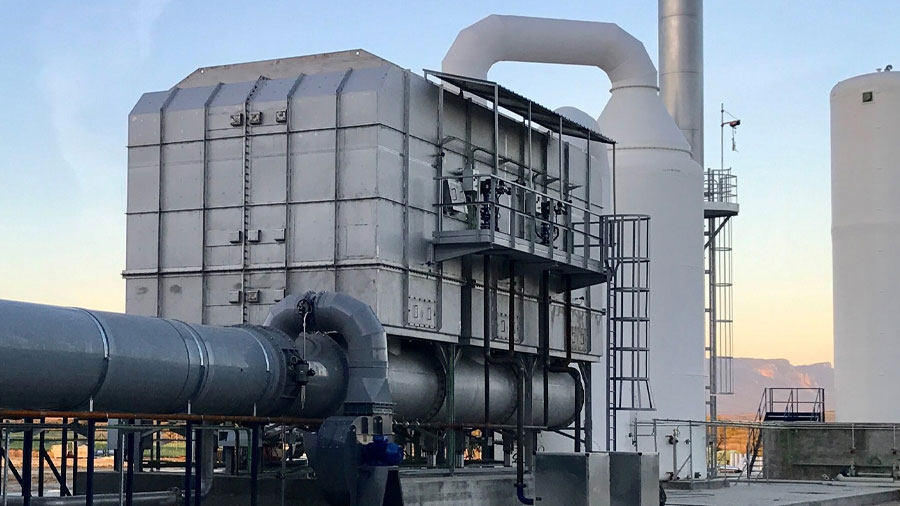
People often have trouble removing fine particulate matter in gas fumes. This is where Venturi Scrubbers come in. Venturi scrubbers are wet scrubbers take an exhaust gas flow, force it down a narrow tube to speed it up, inject water into it so the liquid droplets capture the fine particulate matter, slow it down in an expansion pipe, and then separate the droplets with the fine particulate matter from the gas stream.
“How much cooler does the atmosphere become as we rise with height if there is no heat exchange?”
Generally, air in the troposphere becomes cooler as we go higher because the decreasing pressure leads to volumetric expansion that takes away internal heat. If no heat is exchanged with the surroundings, then condensation will not occur, and no change of moisture will occur. This rate, at which air changes temperature, around -9.8 degrees Celsius per kilometer of height, is called The Dry Adiabatic Lapse Rate.
“How can we prevent landfill leachates from seeping into the ground?”
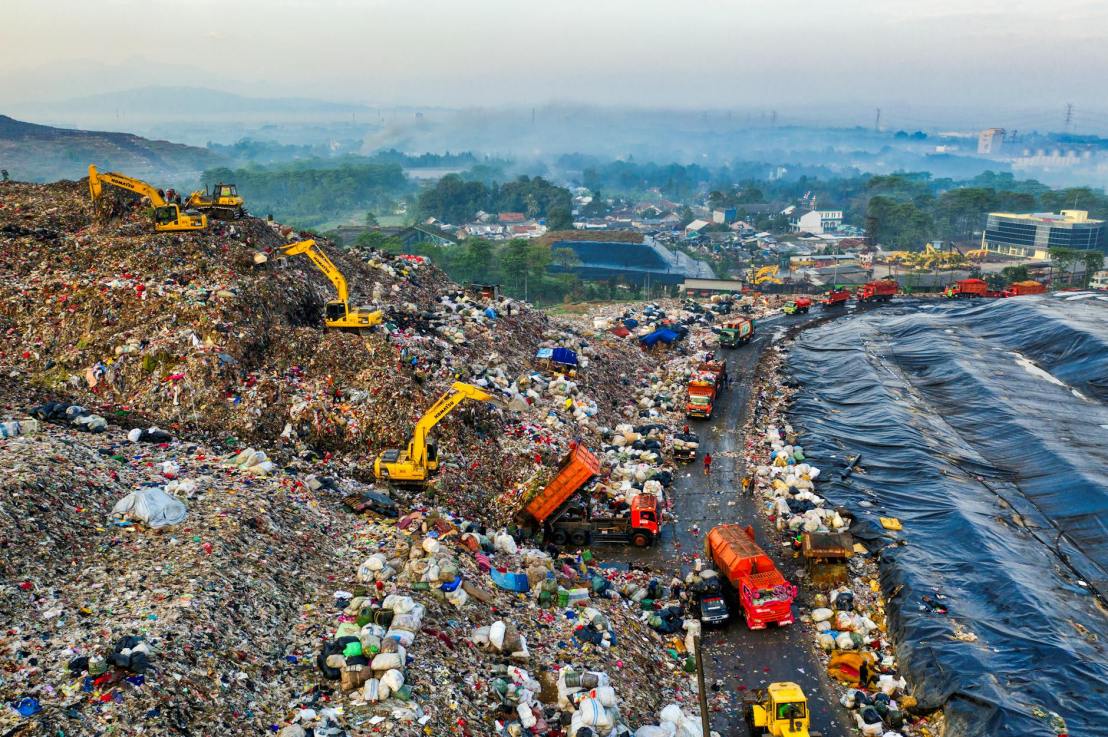
Landfill leachates can be hazardous to people and the environment. Consequentially, we want to prevent them from making contact with the Earth’s surface. We can accomplish this through a highly impermeable barrier, such as Landfill Clay Liners. Landfill clay liners may be partially composed of geotextiles. Landfill operators will need to look out for dessication in clay liners.
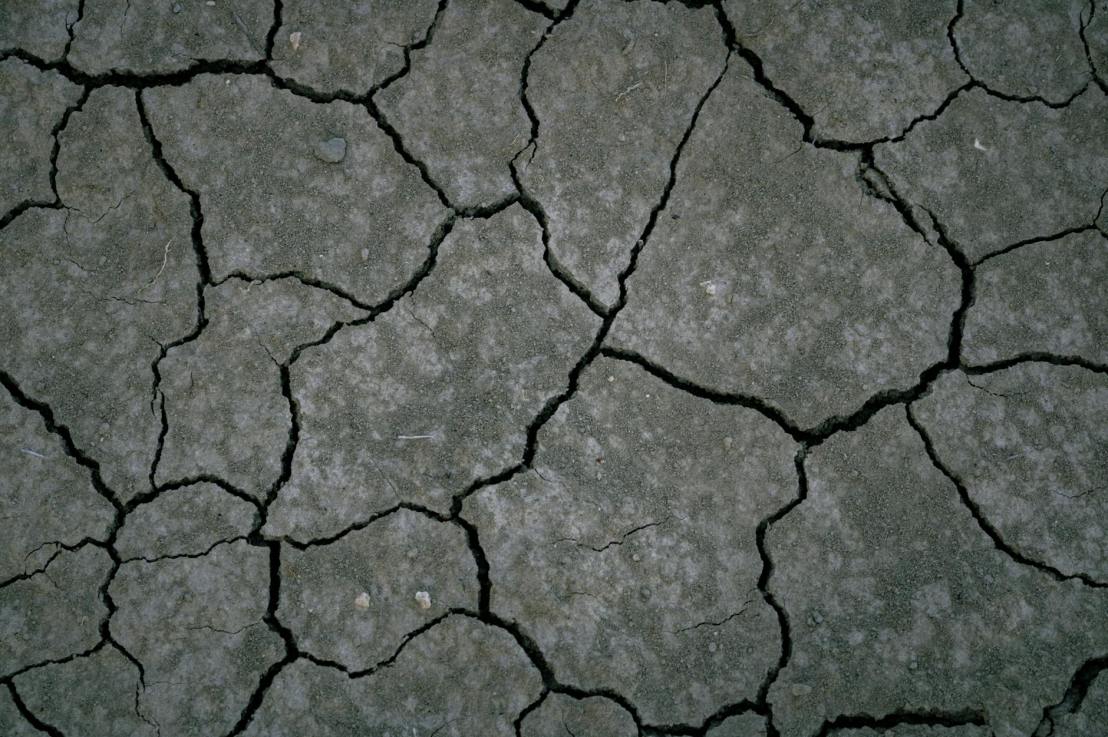
Desiccation is when objects become incredibly dry and shrink and crack. Dessication in landfill clay liners will lead to increased permeability through cracking and result in more leachate escaping. Desiccation in Landfills typically happens from hot, dry weather and waiting too long before waste is placed in the clay liner.
“How can we figure out the optimal conditions for coagulation and flocculation?”
Knowing the optimal conditions for coagulation and flocculation is critical for designing wastewater treatment processes. Specifically, we want to find out the best coagulant type, dosage, pH, and proper mixing intensity/time. So how can we use our scientific mindset to accomplish this? Well, what if we take 4 – 6 jars, fill them with raw water from the same source, and then add different coagulant doses to each one. Afterwards, rapidly mix for a short time, then gently mix for a short time, and then let it settle out. Whichever has the best settling results will be the conditions you set. This Jar Test is a widely used methodology to choose operating conditions for coagulation-flocculation.
“How can we quantify how much water we can extract from a saturated medium?”
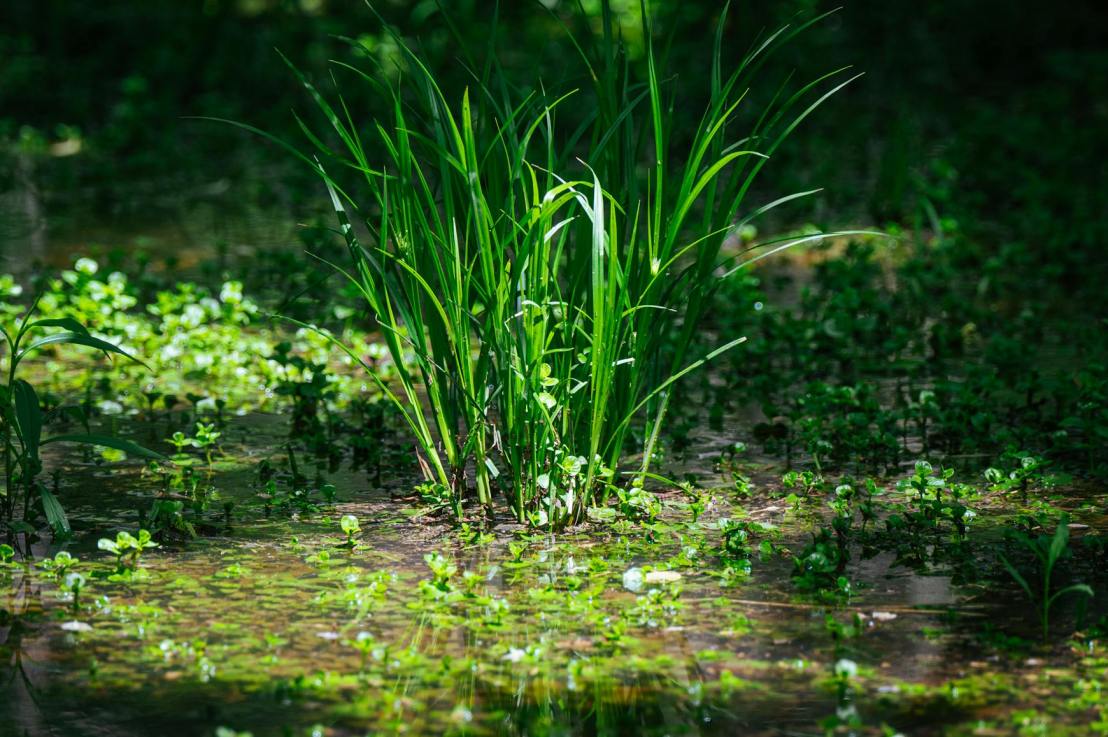
Groundwater exists in the pores of saturated soils and rocks. We cannot extract all of the groundwater from the pores, some will stay stuck. We can quantify the groundwater extraction potential by taking a sample of the medium and dividing the volume of water that drains freely from gravity by the total volume of the soil or rock, resulting in the Specific Yield. The specific yield plus the volume of the remnant water, called the Specific Retention, equals the porosity of the medium.
“How can we classify layers in fluids where temperature changes more drastically than their immediate neighbors?”
Large fluids like the atmosphere or the ocean have multiple distinct temperature layers. Some of these layers will more drastically change temperature by different height than the layers immediately above and below them.. These regions, called Thermoclines, strongly influence atmospheric and ocean dynamics.
“How do particulates move to the bottom of a liquid and become sediment?”
Particulates may enter liquids by several means. Over time, the particles will move downwards in the fluid and collect into larger sediment. This Settling process is how processes like sedimentation happen.
 Isaac's Science Blog