“Why do we need to protect the perimeter of our construction site from releasing sediment with stormwater runoff?”
Construction operators are obligated to apply best management practices to prevent stormwater runoff sweeping sediment from their sites from entering water bodies. One of the most important aspects is ensuring the perimeter of the site is controlled. Perimeter Runoff Control strategies keep sediment inside the site. Silt fences and sediment basins are examples of perimeter runoff control. The National Pollutant Discharge Elimination System Construction Stormwater Permit requires construction operators to implement perimeter runoff control before beginning soil disturbing activity as part of their stormwater pollution prevention plans. Construction operators can temporarily dismantle perimeter control infrastructure to allow vehicles to enter the site, as long as the infrastructure is restored as soon as possible.
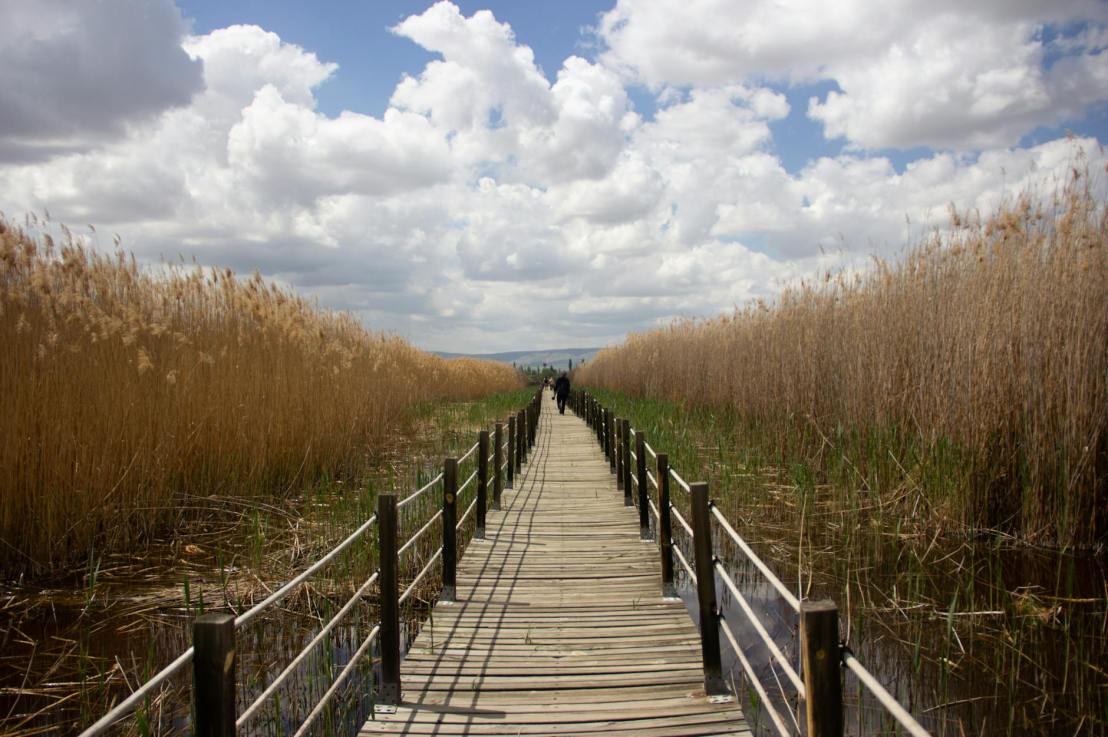
Reeds are wetland-based plants that can successfully populate large swaths of area, making Reedbeds. These reedbeds host special microorganisms in their root systems that clean wastewater by consuming sewage. Reedbeds are often utilized for constructed wetlands due to their wastewater cleansing capabilities.
“What makes those grass-like plants in wetlands special?”
If you look at pictures of wetlands, you’ll probably see tall grass-like plants. But what are they and what makes them special? Well, these plants are called Reeds. Reeds play a vital role in soil stabilization, waste treatment, nutrient management, and habitat creation. Reeds are a critical part of wetland functioning.
“How can we use air blowers to remove volatile organic compounds from water?”
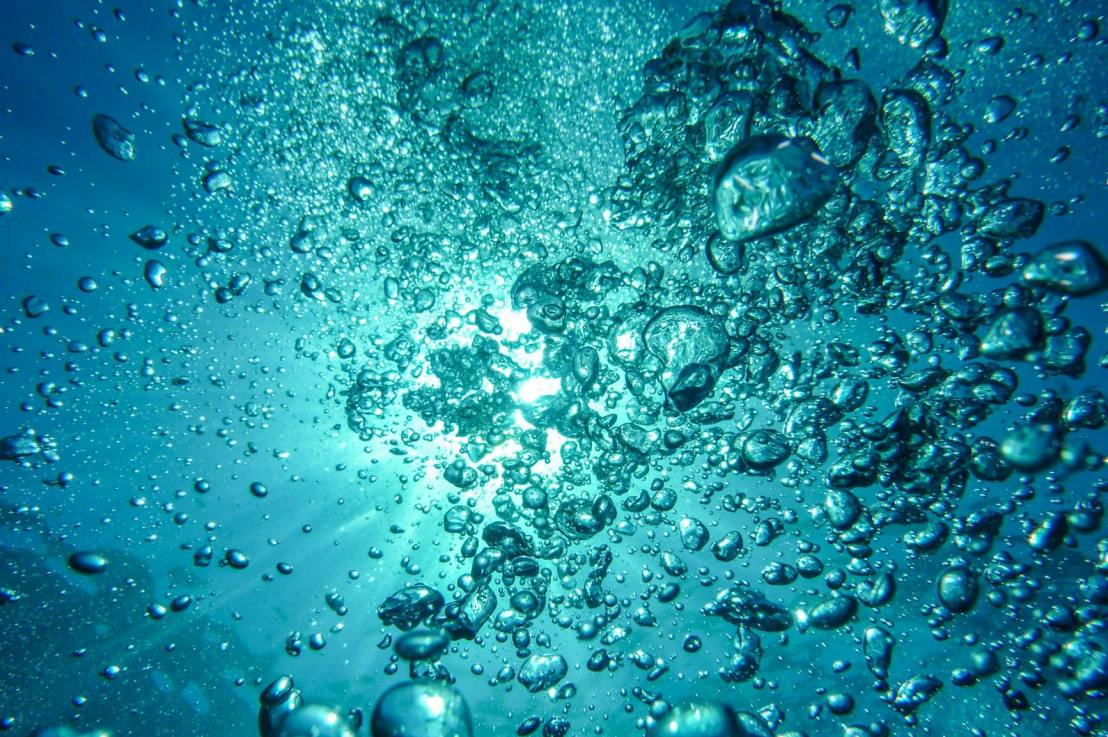
Toxic volatile organic compounds (VOCs) might seep into water during the water cycle. According to Henry’s Law, low air pressure can remove these VOCs from water. So what if we were to push water into a tower with air from a giant air blower coming from the bottom and move it down while exposing as much surface area as possible to the low-pressure air to filter out the VOCs? This is the idea behind Air Stripping, a common method for treating VOCs in human-use water.
“How does mass move from one phase/substance to another?”
Substances in different phases or substances may come into contact with each other. This can cause the mass of a certain substance in one phase or concentration to move to another, such as through diffusion (one substance moving from a single concentration in another to uniform distribution), convection (mass transport by bulk motion of a surrounding fluid), absorption (chemical penetration of one substance into another), or distillation (separation of different components by different boiling points). This Mass Transfer is foundational to understanding how chemical engineering systems operate.
“How can governments compensate property owners to restrict groundwater usage?”
Aquifers can deplete, and land can subside if too much groundwater is pumped. In many parts of the world, groundwater resources are controlled by private property owners. Enforcing these property owners to conserve the greater good can be difficult. One tool governments can leverage is to offer incentives to landowners, such as direct payments, credits, or tax write-offs, to conserve groundwater. One example is California’s Sustainable Groundwater Management Act to improve groundwater conservation coordination between communities and local governments. These Groundwater Conservation Easements can enable aquifer protection and sustainable land-use for regions to prosper.
“How can we use chlorine to make water safe to drink and swim?”
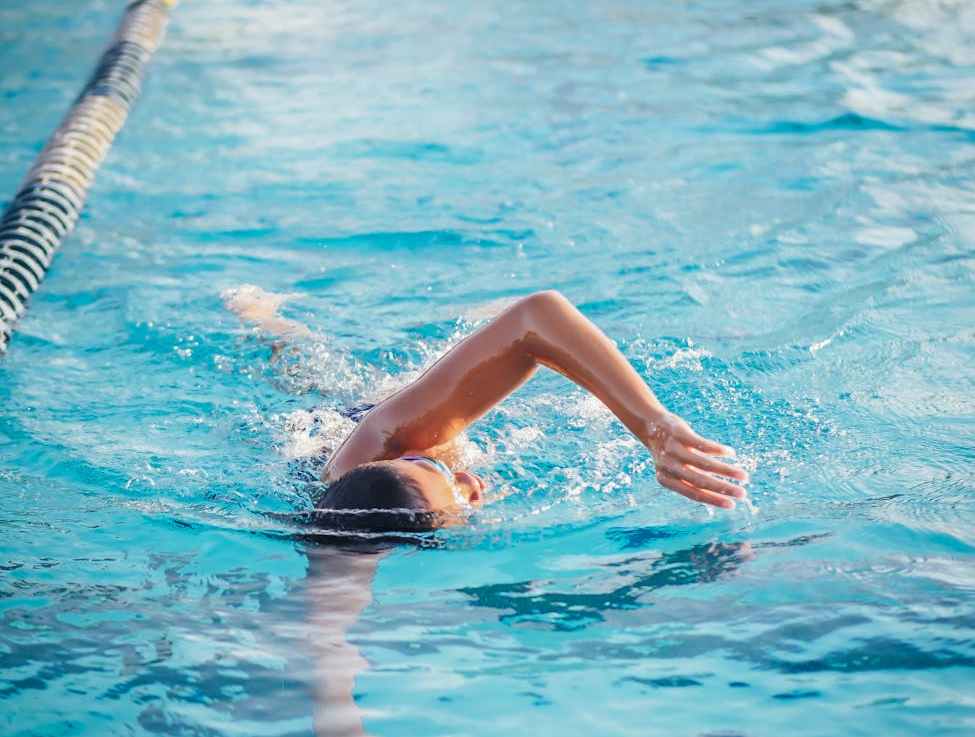
All sorts of pathogens harmful to human health reside in water. We need to disinfect water before we drink it. But what chemical should we use? Well, it turns out that chlorine is an incredibly useful tool. We can add chlorine in the form of chlorine gas (Cl2), sodium hypochlorite (NaOCl), and calcium hypochlorite (Ca(OCL)2) to water. The chlorine will then react with the water to form hypochlorous acid (HOCL) and hypochlorous acid (HCL). Hypochlorous acid may then dissociate into hydrogen ions (H+) and Hypochlorite ion (OCl-). The dissociation process is pH level and temperature dependent, and the HOCL and OCL- amounts are equal at pH levels of 7.5 and 20 degrees Celsius. Below a pH of 7.5, HOCL is dominant, and OCL- is dominant above 7.5. HOCL and OCL disinfect water by breaking down the cell walls and internal components of pathogens. HOCL is 80 times more effective at destroying E.coli than OCL- is. In Chlorine Disinfection for Drinking Water, there are at least some chlorine residuals left after the process ends. The amount of time and residual concentration the water is in contact with the chlorine is incredibly important for the disinfection process. Chlorine disinfection is used at a wide range of scales, from swimming pools to gargantuan treatment plants.
“How do we measure the amount of oxygen in water?”
Water usually contains free, unbonded oxygen molecules. This oxygen enables marine species and bacteria to breathe and facilitates wastewater treatment reactions. The amount of oxygen in water is measured as Dissolved Oxygen in mg/L. Water’s ability to hold dissolved oxygen decreases with increased salinity and temperature.
The New York-New Jersey Harbor and Tributaries Study (HATS)
10/05/25
“How is the New York-New Jersey Harbor region preparing for coastal storms?”
Hurricane Sandy shook the New York-New Jersey region in 2012. Dozens of lives, tens of thousands of homes, and billions of dollars were destroyed by the storm. This prompted many localities to reconsider how they will prepare for the next big storm event. The New York-New Jersey Harbor region is working with the U.S. Army Corps of Engineers to investigate risks and amelioratory actions through The New York-New Jersey Harbor and Tributaries Study (HATS). The HATS project looks to identify water resources problems and opportunities, existing and future conditions, and plan formulation/evaluation/comparison/selection. The US Army Corps tentatively plans to focus on the East Riser Ditch Channel in New Jersey and the Harlem River and Oakwood Beach in New York.





 Isaac's Science Blog