“How does the EPA classify water bodies that don’t meet water quality standards?”
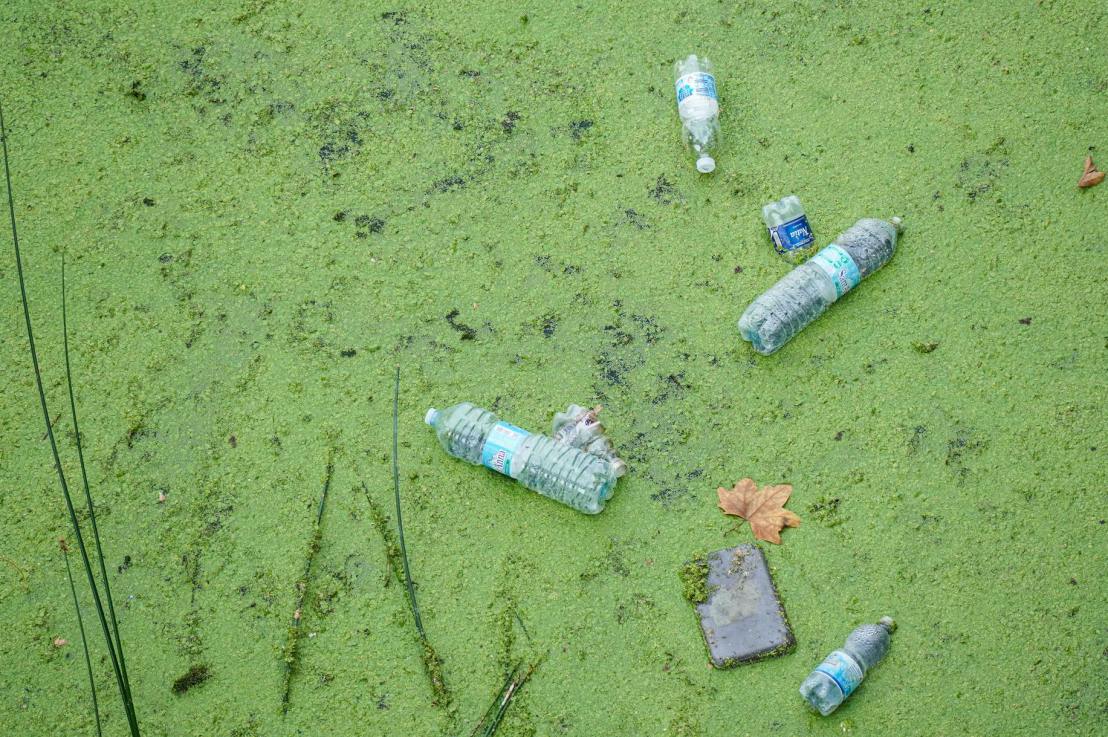
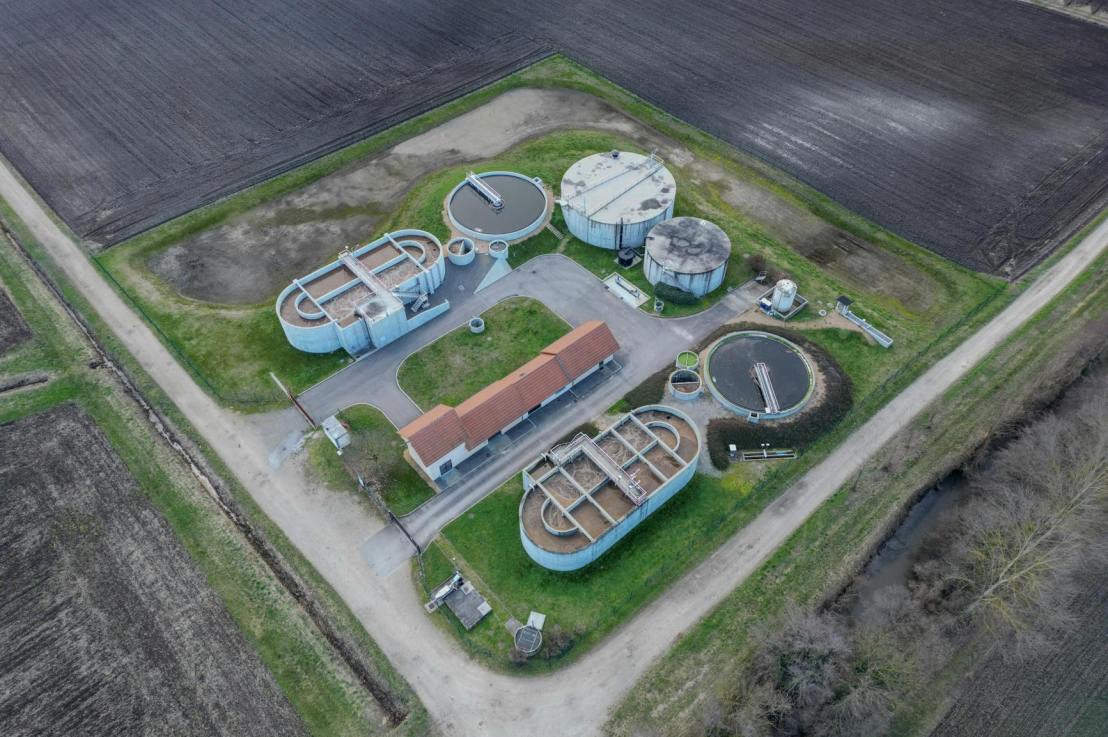
Water bodies all over the world have different levels of pollution. In the U.S., some water bodies are so polluted that they don’t meet water quality standards, leading the EPA to classify them as Impaired Water Bodies. Impaired water bodies are eligible to have a total maximum load pollution limit and environmental review for projects that may impact them to protect against further degradation.
“Are there sewer pipes so big you can walk through them?”
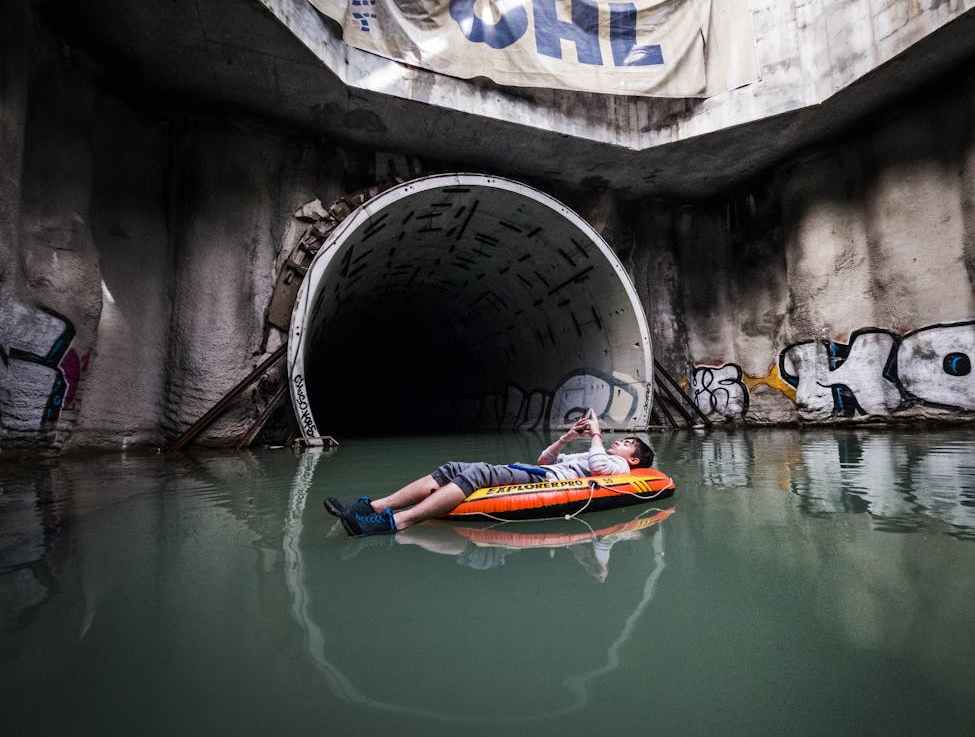
Main sewer lines carry water from home lateral pipes to more centralized zones. These main lines usually feed into Trunk Sewer Lines, large diameter pipes that feed into wastewater treatment centers or even . Trunk sewer line diameters can be so big that a person can walk through them, but the gas released from the raw sewage is dangerous enough that people will need to wear protective equipment while walking through. Trunk sewer lines are more likely to fail than smaller diameter pipes because of their large size, forcing municipalities to take extra care of these assets.
“How can plumbers clean and inspect the pipe connecting homes to municipal sewers?”
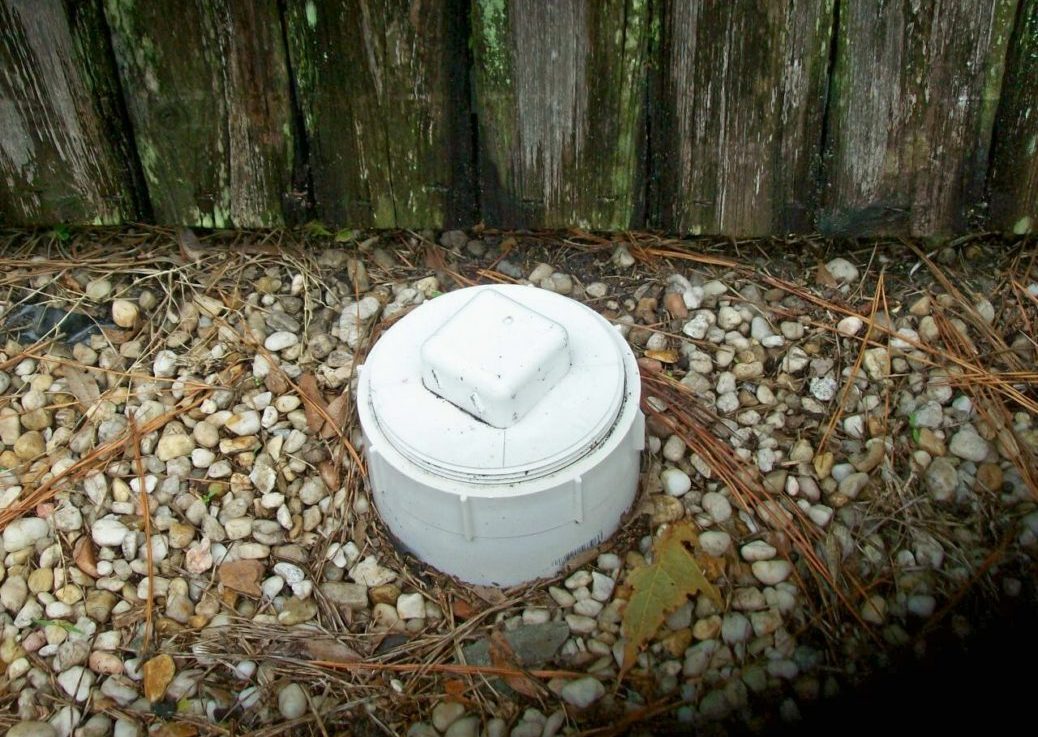
Lateral sewer lines connecting homes to municipal sewers become clogged from time to time. If this is not addressed, the clogging can develop into blockages and long-term damage to the piping infrastructure. So how can we use our engineering mindset to quickly clean the home piping without ripping out the existing piping and landscaping systems? Well, what if we were to install a vertical pipe on top of the lateral sewer line with an unlockable surface opening? These services, called Sewer Cleanouts, allow licensed plumbers to inspect and clean home pipes. Sewer cleanouts often appear as white capped pipes sticking up from the ground.
“What pipe connects houses to the municipal sewer system?”
Connecting a building to a municipal sewer system is one of the most common ways to implement high-quality sanitary access. Lateral Sewer Lines, or sewer pipes that extend from a building’s waste system to a municipal sewer main, are an excellent way to accomplish a home-to-sewer connection. Lateral sewer lines are typically located on private property, requiring the owners to assume responsibility for theirmaintenance. Laterals are tyoically sloped downwards to transport waste through gravity, and can become clogged by tree roots, grease, and other factors.
“How can we measure how long on average microorganisms spend in a wastewater reactor?”
Microorganisms are the backbone of wastewater reactors. These microscopic solids work hard to clean incoming wastewater to suitable environmental levels. But these pieces of biomass only have a limited amount of time in the reactor as solids are ejected from the treatment system. The average amount of time a microorganism spends in the reactor, known as the Solids Residence Time, is equal to the total biomass within the system divided by the exit flow rate of biomass. We can represent this relationship with the formula SRT = Total Volume of Biomass/(Waste rate of biomass + Effluent rate of biomass). A low SRT indicates a reactor is quickly cycling through biomass, which leads to a mostly young bacteria, while a high SRT has the opposite properties.
Why You Should Consider Disconnecting Your Downspout From the Sewer System
11/19/25
“Why should you consider disconnecting your downspout from the sewer system?”
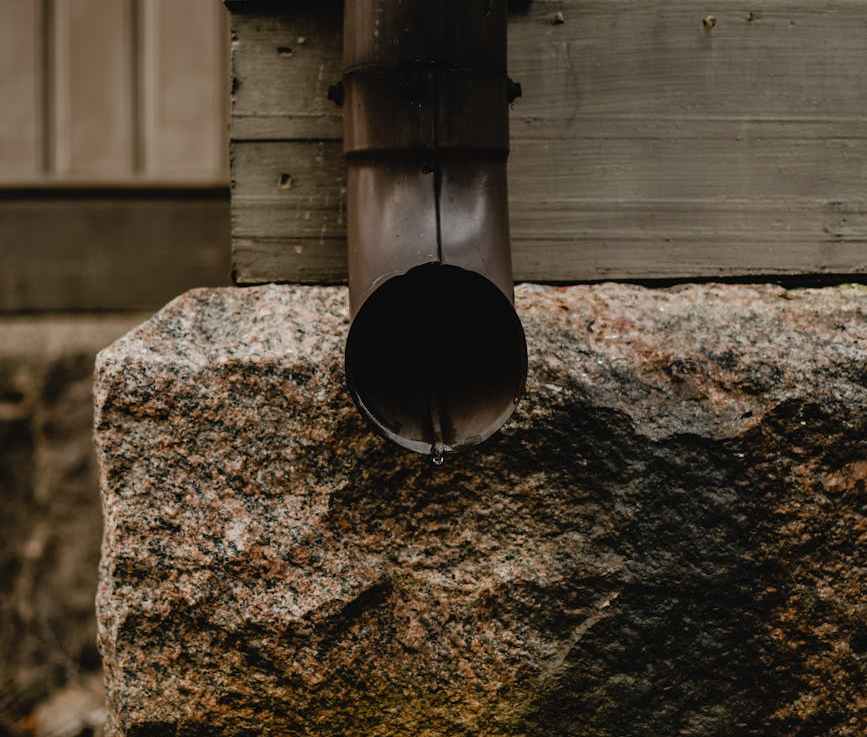
Downspouts carry water from rooftop gutters to the ground. Many homes have their downspouts connected to the sewer system by default. In combined sanitary sewer areas, this means that rain that falls on rooftops will enter the same pipes that carry sanitary waste. During rainstorms, the amount of water entering sewer lines from downspouts may be so large that it overwhelms the system, resulting in a combined sewer overflow event. If you own a building, you can reduce the chance of CSO occurrence by disconnecting your downspout and directing it to infiltrative material. Not only will the sewers get less overwhelmed, but this opens the opportunity to provide much-needed water to your own vegetation. This is Why You Should Consider Disconnecting Your Downspout From the Sewer System.
“How can we use pipes to channel water away from the roof gutters of buildings?”
Water piles up on roofs during rain events. Gutters are installed on roofs to channel water away. To avoid buildup in the gutters, people can install Downspouts, pipes connected to gutters to allow water to move away into safer areas such as sewers or a retention basin. Downspouts are a simple yet effective method to prevent building damage.
“How can neighborhood residents take care of their local catch basins?”
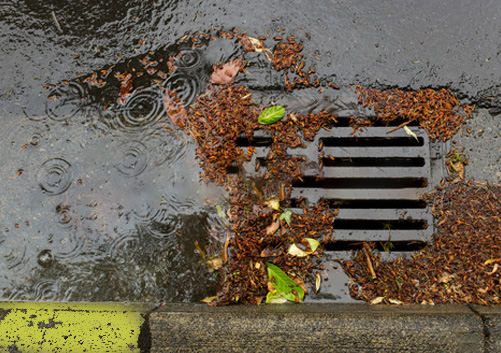
Catch basins accumulate debris underneath and on top of their grating. If this mess is left uncleaned, then floods may pile up, and the inside of pipes may become less functional. While it takes advanced equipment to clean underneath the grating, sweeping away debris from the top is very straightforward. Municipal governments have established Adopt a Catch Basin Programs to invite residents to routinely clean the catch basins in their neighborhoods. Residents may be assigned a particular catch basin to clear. Adopt a catch basin programs go a long way to make neighborhoods healthier and more resilient to climate change.
“How can we prevent erosion using structures that slow down water flow?”
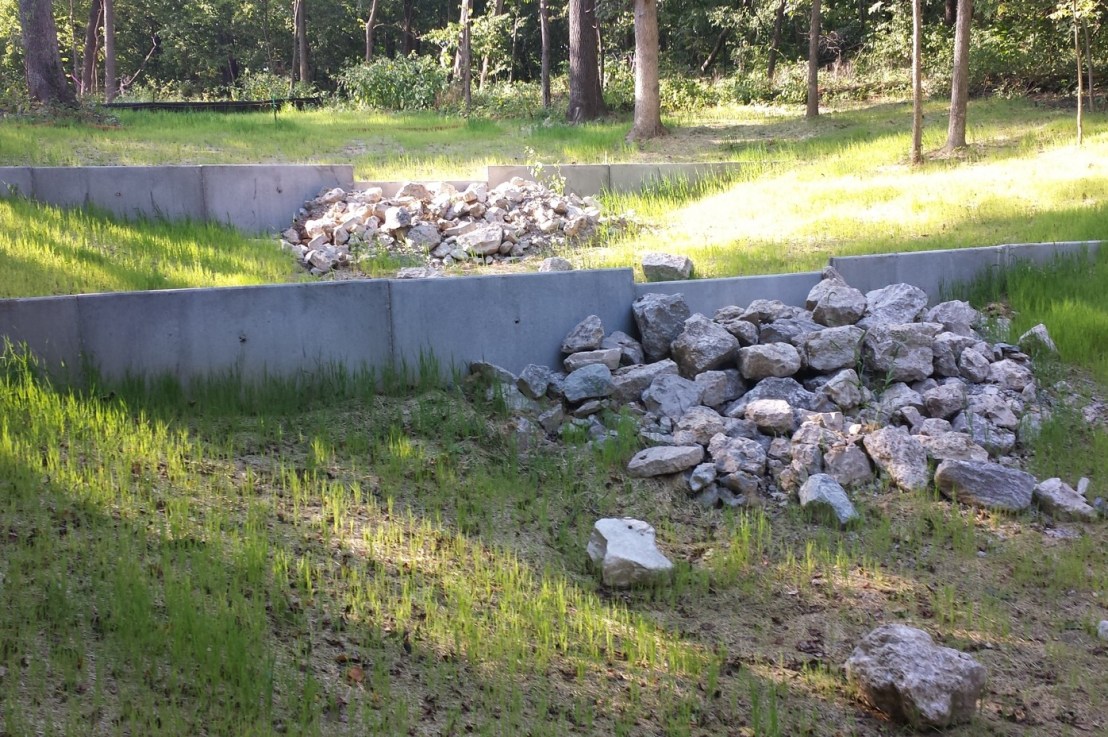
Water flowing too fast in a specific area can lead to erosion. We can slow water down to prevent erosion, not only by removing harsh friction but also by allowing sediment to settle and replenish eroded gullies. Slower water also has more time to infiltrate and recharge groundwater levels. So what if we create miniature dams that impede the flow of water to moderate velocity and achieve sedimentation control? Well, this is the idea behind Check Dams. Check dams are a foundational part of erosion and stormwater management. Infrastructure designers can implement check dams in water quality swales to achieve synergy across both interventions. Check dams are usually implemented in channels or swales instead of live streams. It’s recommended to not build check dams in high-slope environments since the velocities of the incoming water may be too high for check dams to handle effectively.

 Isaac's Science Blog