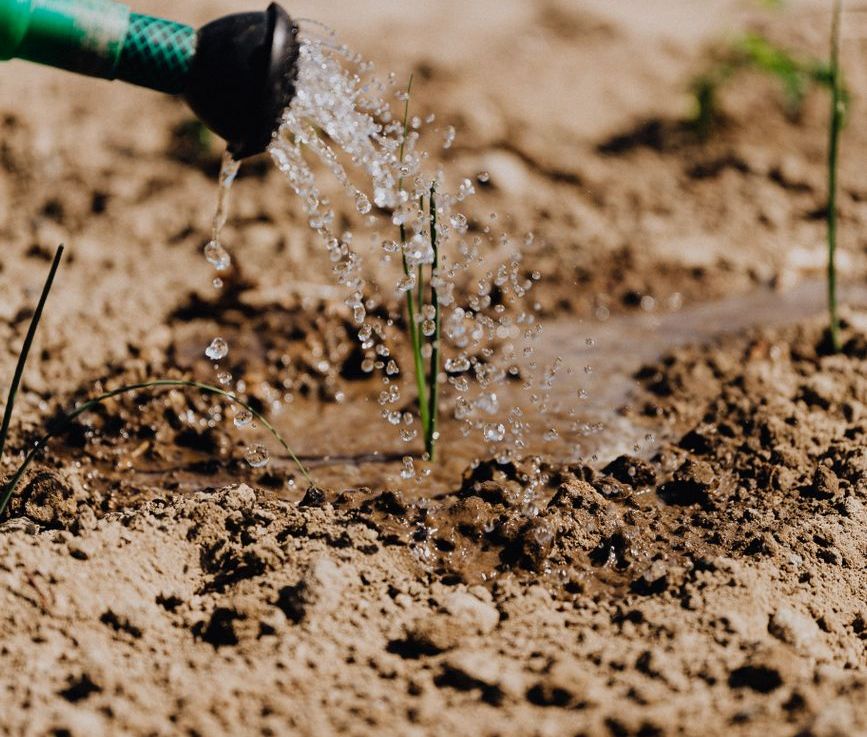
“How can we quantify how easily water can pass through soil?”
Water can pass through soil through its pores and voids. Soil Permeability, or the ease with which water can move through soil, depends on the soil’s particle size, void ratio, soil structure, and more. Soil permeability is represented by the constant k and is in units of distance per time unit.
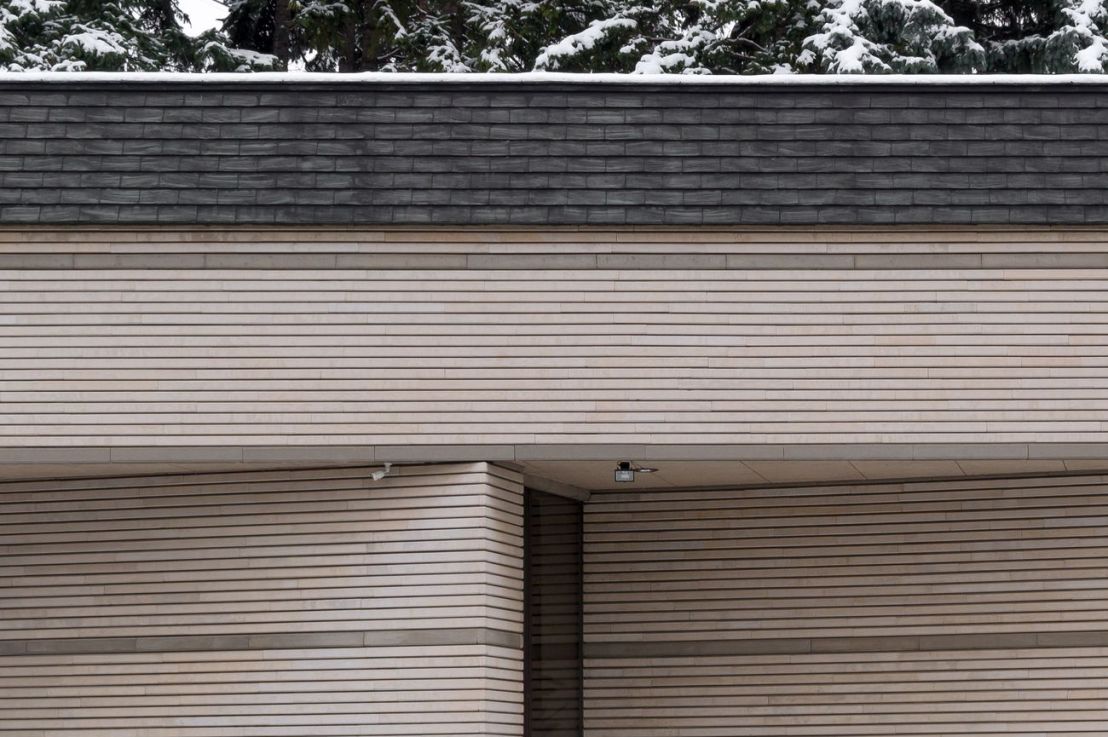
“What are the benefits and drawbacks of flat roofs?”
Flat roofs sit on top of buildings around the world. They offer simple, affordable construction and can serve as a space for people to gather. Flat roofs also make it easier to grow vegetation and install solar panels. However, their (nearly) flat design make it easy for water to pool and snow to pile on, resulting in structural damage. Because of the Benefits and Drawbacks of Flat Roofs, flat roofs are better suited for warm, dry climates like Egypt or inland California.
“How can we quantify how well soil particles resist shear failure?”
Soil particle bodies will collapse and fail when there’s a large enough shear stress applied to them. But how can we quantify this? Well, what if we were to take the soil body, place it on a theoretical inclined plane, and tilt the platform until the soil body collapses? The angle at which the body collapses is known as the Internal Friction Angle of Soil, and is the most widely used way to measure how well soil particles resist shear failure. The internal friction angle of soil is governed by the equation internal friction angle of soil = tan((shear stress due to friction)/(normal stress acting on soil))^-1. The higher the normal stress on the soil, the more it can resist shear stresses.
Building descriptions should be accurate to their name. But flat roofs completely buck this trend. Flat roofs typically have a small degree of slope (typically ten degrees of less) to allow water to runoff the roof to avoid pooling. This is Why Flat Roofs Are Not Actually Flat.
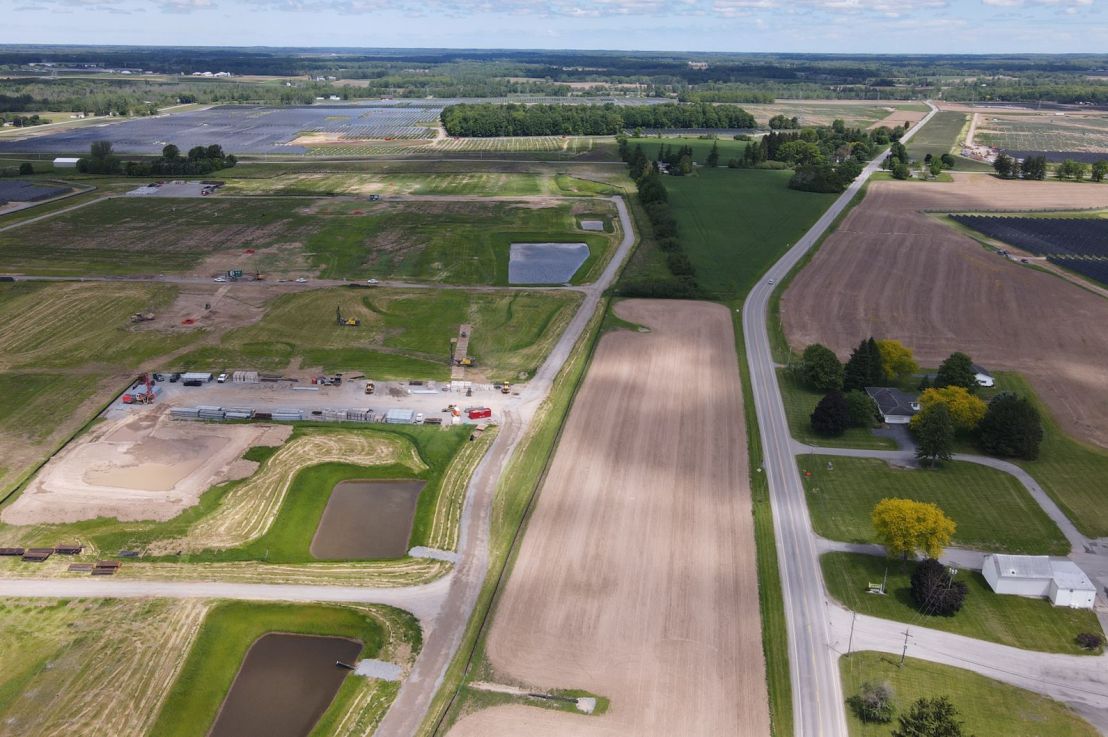
“How can we create large construction-ready sites for giant projects?”
Large construction projects such as new factories or data centers need voluminous amounts of land and infrastructure to support it. Gathering these piecemeal can lead to unbelievable cost overruns and bureaucratic delays. However, developers can purchase Megasites, large contiguous tracts of land that are construction-ready with infrastructure and close to transportation hubs support to remedy this. Megasites commonly complete environmental review ahead of time to ensure policy compliance.
“What makes the interface between saltwater and freshwater so unique?”
Freshwater and saltwater have substantially different properties. When they meet in coastal aquifers, they form a Freshwater-Saltwater Interface. The freshwater-saltwater interface is a transition zone where freshwater “floats” as a layer above the zone of transition (which in turn “floats” above more pure saltwater) because of saltwater’s greater density. The further down you go in a coastal aquifer, the saltier the groundwater becomes. Coastal aquifer infrastructure operators must be careful with the freshwater-saltwater interface, because overpumping can lead to upconing of saltwater and result in saltwater intrusion.
“What’s the U.S.federal rule that protects backcountry forests from road construction, why is it under attack, and what can you do to help?”
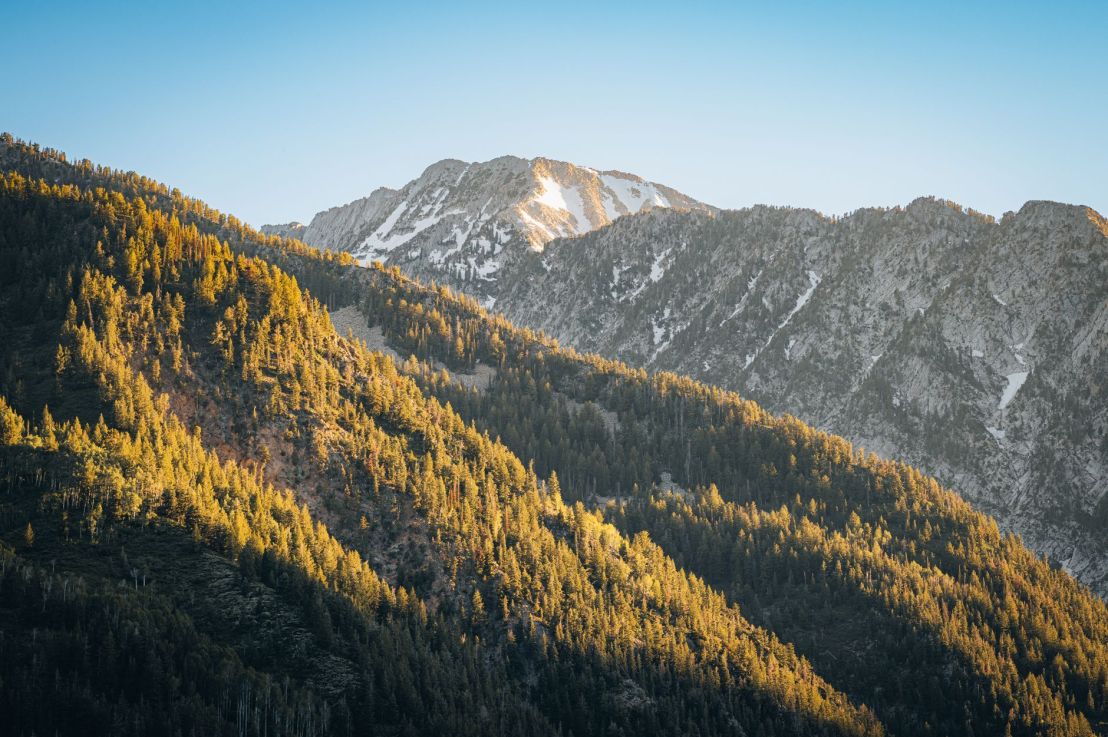
Remote, backcountry forests are marvelous pieces of geography. Not only do they nurture diverse ecosystems and regulate our planet’s carbon balance, but they also provide world-class recreational opportunities. In 2001, the U.S. federal government introduced The Roadless Rule, which protects roughly 60 million acres of American backcountry forests and grasslands from road and logging development. This rule has been an incredible success, sustaining not only the forests themselves but also drinking water access to over 25 million Americans. However, this is now all under threat as the USDA released a notice of intent to repeal the roadless rule, likely by (as of writing) late 2026. If you are a U.S. resident, you can fight to protect the roadless rule by calling your representatives, using the information found in the link here.
“How can we quantify the height a force main must pump to?”
Force mains pump wastewater to overcome elevational or frictional differences. The height they must pump to is called the Force Main Discharge Elevation. Wastewater does not need pumping to move once it reaches the force main discharge elevation since it will go downhill with gravity. The force main discharge elevation does not need to be above the pump inlet since the pump might be present to work against frictional losses only.
“What happens when raindrops hit highly polluted air?”
Nearly everywhere on planet Earth experiences rain. Rain interacts with everything in the atmosphere, including any pollutants flying around. Raindrops can capture particulate matter such as ash, dust, and smoke. This takes the pollutants out of the atmosphere and onto the ground, where they create a dirty layer. This Dirty Rain acts similarly to a wet scrubber, and commonly occurs in highly polluted parts of the world. Transporting the particulate matter out of the atmosphere can temporarily increase air quality.



 Isaac's Science Blog