“What’s the legal and scientific boundary for a water body?”
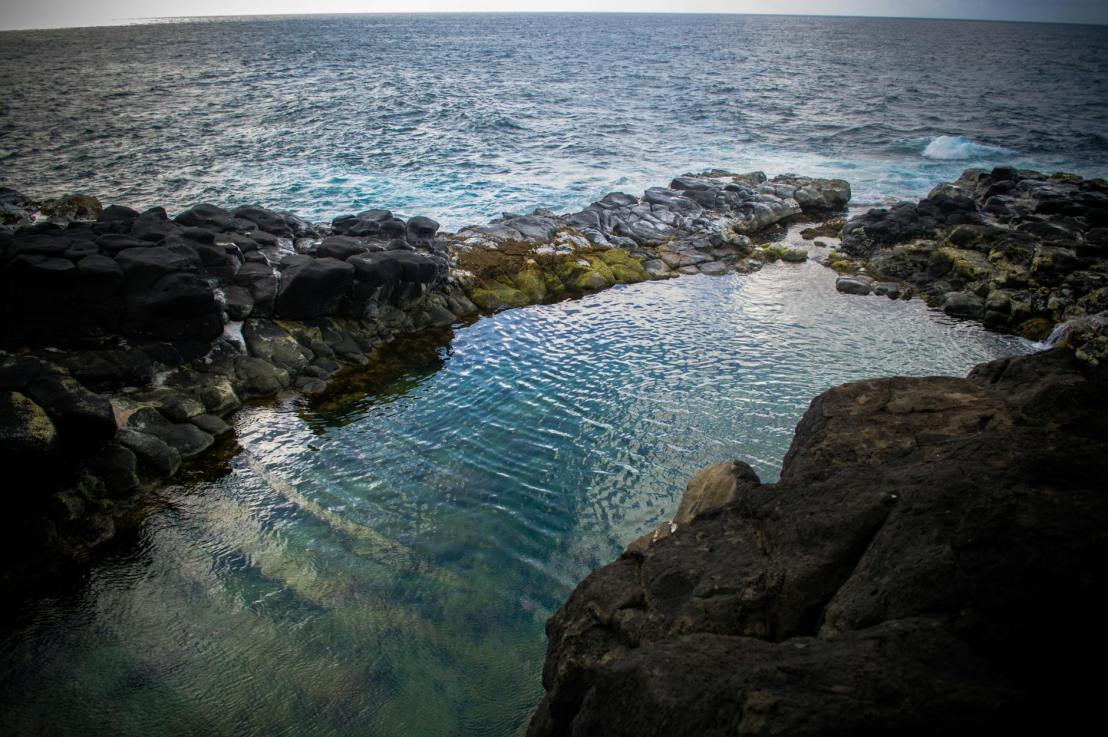
Water bodies will expand and contract over land, whether it’s a small river or a massive tidal bay. The point delineating the high tide mark from the land has massive geological and ecological implications, given the difference in water saturation. The Mean High Water Mark is the average high tide mark over a long period of time. The mean high water mark often delineates the legal and scientific boundary for a water body, making it very important to quantify.
“How can we remove particulate matter by sticking it on a wall?”
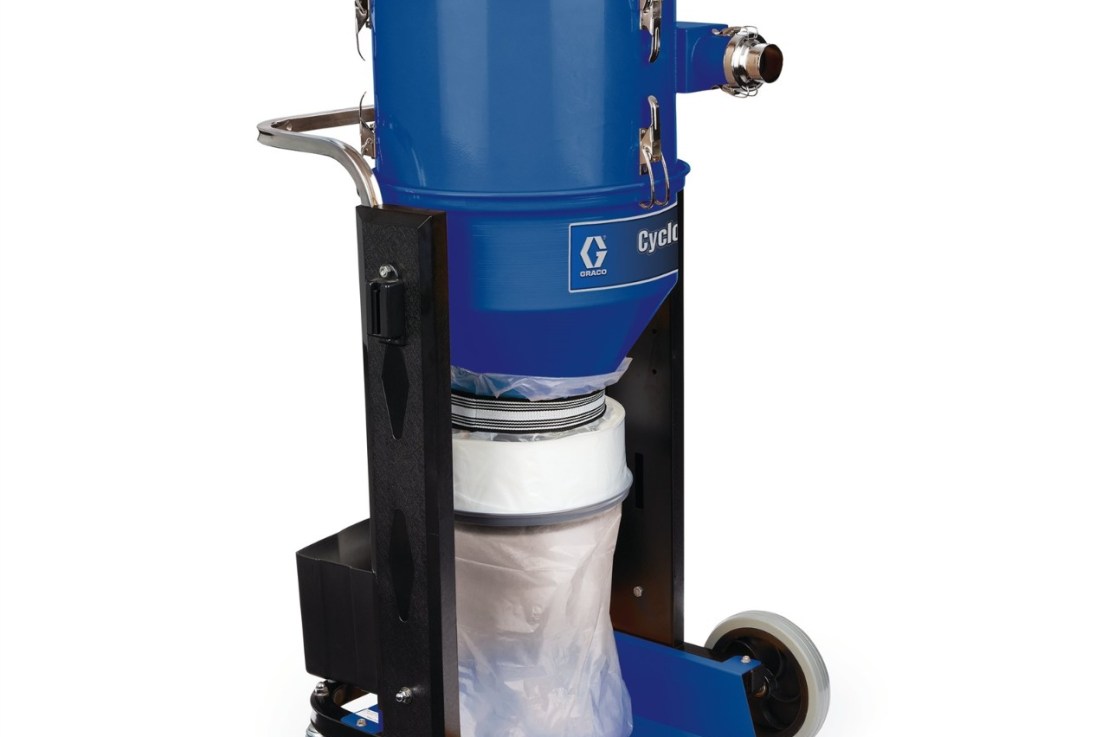
Particulate matter emissions are harmful to nearby communities. Consequently, people use technology to remove as much particulate matter as possible before emitting. One set of technologies sticks particulate matter on walls to form conglomerations, which can be removed later. TheseWall Collection Devices can work by forcing particles to drop from gravity, hit a wall due to sudden direction changes, or move due to electrostatic attraction. These wall collection devices help the health of countless towns around the world.
“How does temperature change with atmospheric height?”
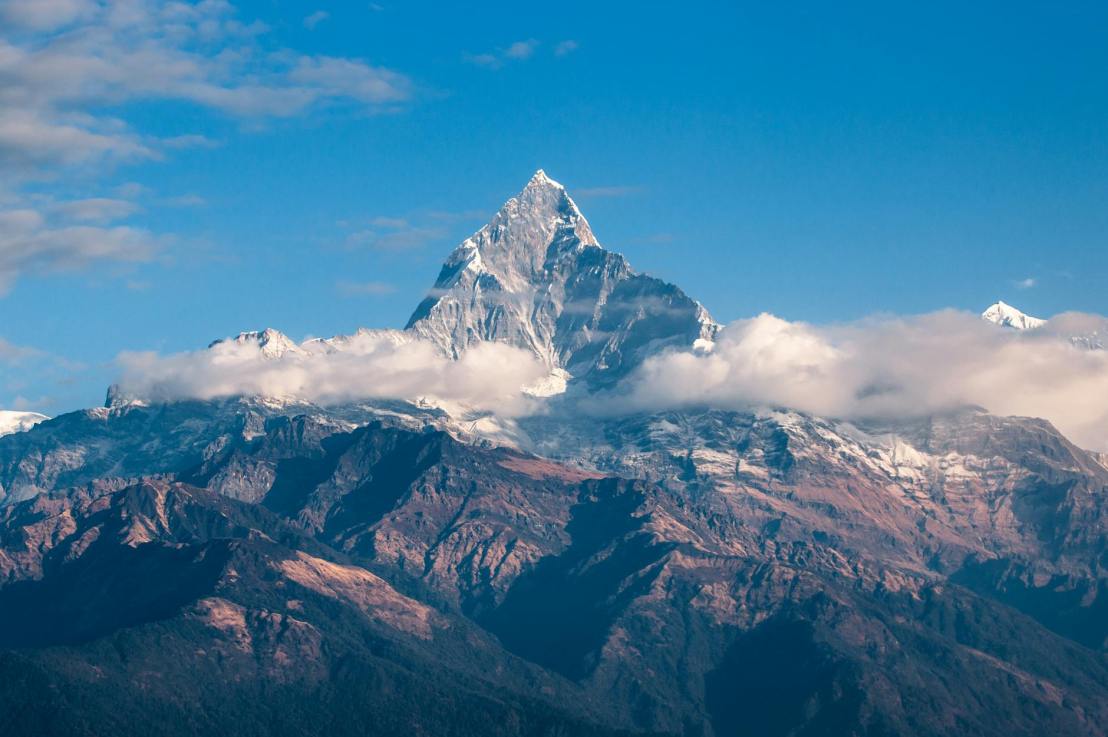
The atmosphere’s properties change with height. One of these variables is the temperature. The Lapse Rate measures the rate of change of temperature with atmospheric height. The lapse rate is measured by taking the negative of the change in temperature divided by the change in height. If the lapse rate is positive, then temperature decreases with height, and vice versa for a negative lapse rate. Lapse rates are vital for measuring atmospheric stability.
“What are the advantages and disadvantages of sloping a green roof?”
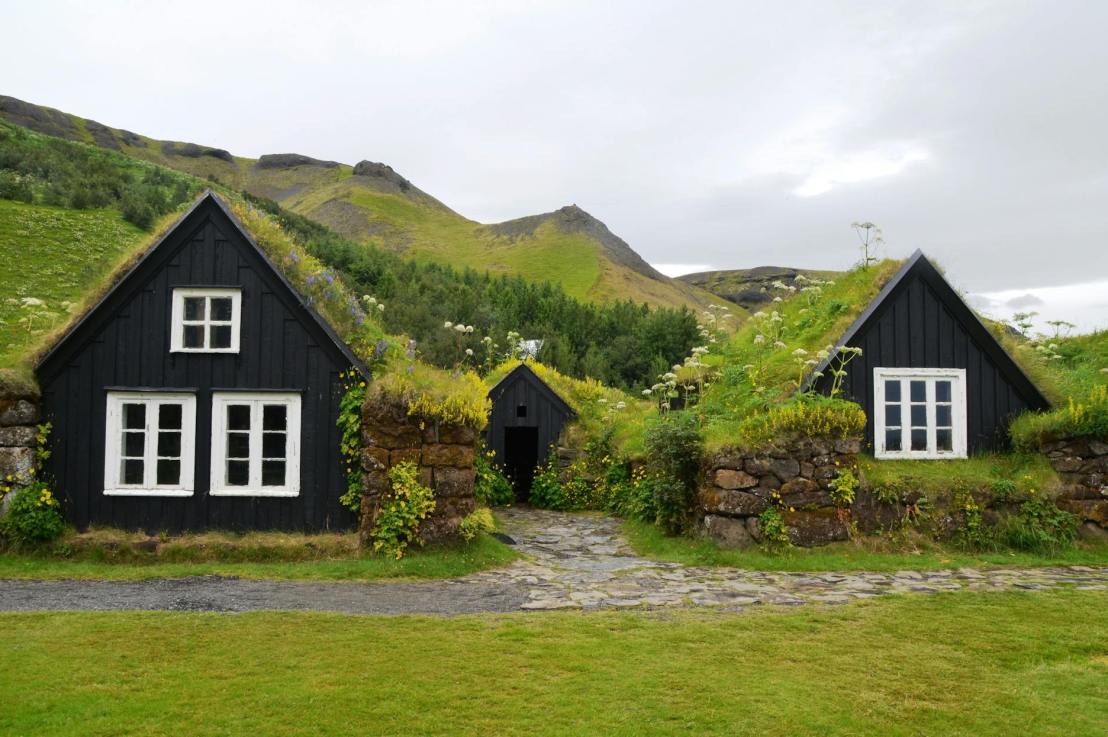
Green roofs integrate stormwater management, biodiversity, building insulation, and aesthetic design all into one package. We can also pitch these green roofs at a slight angle to make Sloped Green Roofs. Sloped green roofs reduce ponding and may improve aesthetic appearance, but are also structurally and hydrologically more complicated. Stormwater runs off more from sloped green roofs, meaning roof plants may have to rely on other sources of water.
Construction sites often have sloping soil mounds. The bottom section with a gentle slope that meets the ground is known as the Soil Slope Toe. The soil slope toe is important because it often experiences the highest stress and is where erosion concentrates.
“Why do some engineering systems require a minimum vertical separation from the water table?”
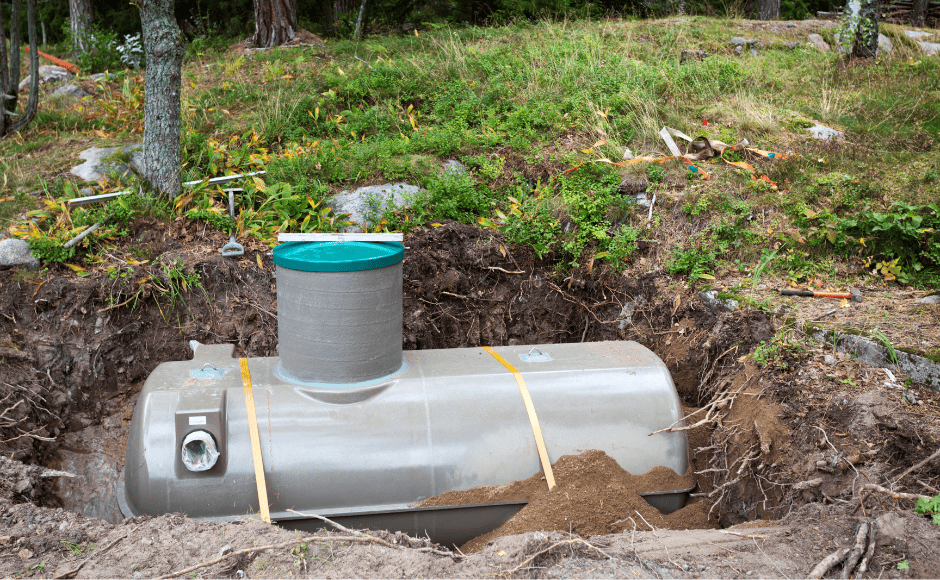
Engineering systems may store water beneath the surface, such as septic systems for wastewater or infiltration systems for stormwater. However, these systems can cause catastrophic damage if they’re built too close to the water table. Septic systems can leach wastewater and contaminate groundwater supplies, while water infiltration can raise the water table and lead to flooding. Consequentially, government regulations may require a Minimum Vertical Separation From Water Table to ensure public safety. For example, the NYC Department of Environmental Protection mandates that stormwater infiltration practices in Brooklyn and Queens are at least 4 feet above the groundwater table.
“What regulations do you have to follow if you install or alter curbs, sidewalks, or roadways in NYC?”
Different municipalities have different regulations for different construction activities. In NYC, people who install or alter curbs, sidewalks, or roadways are required to submit a Builders Pavement Plan, or BPP. The builders pavement plan documents what actions the construction operator is taking to install/alter their right-of-way infrastructure and how they will follow regulations. The NYC Department of Buildings reviews BPP applications and analyzes how they comply with city construction codes and NYC Department of Transportation rules, regulations, and standards. BPPs help ensure NYC’s urban planning stays strong and that city residents are offered a safe environment.
“How can construction operators temporarily stabilize soils when they’re pausing construction?”
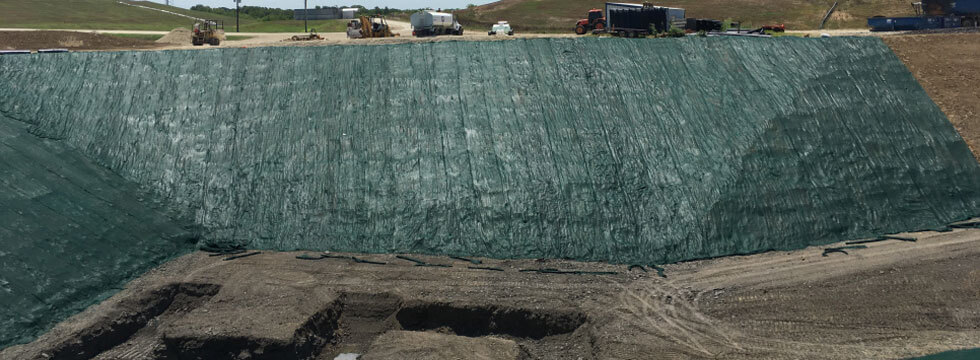
Soils are disturbed during construction activity. While site maintenance can prevent erosion, sometimes you want to pause construction activity. When this happens, you will want to temporarily stabilize the soil to keep the soil from eroding. Temporary Stabilization offers the quick fixes needed to prevent site degradation. Temporary stabilization measures are usually quick to deploy but do not last permanently.
“What can we do to prevent soil from eroding away?”
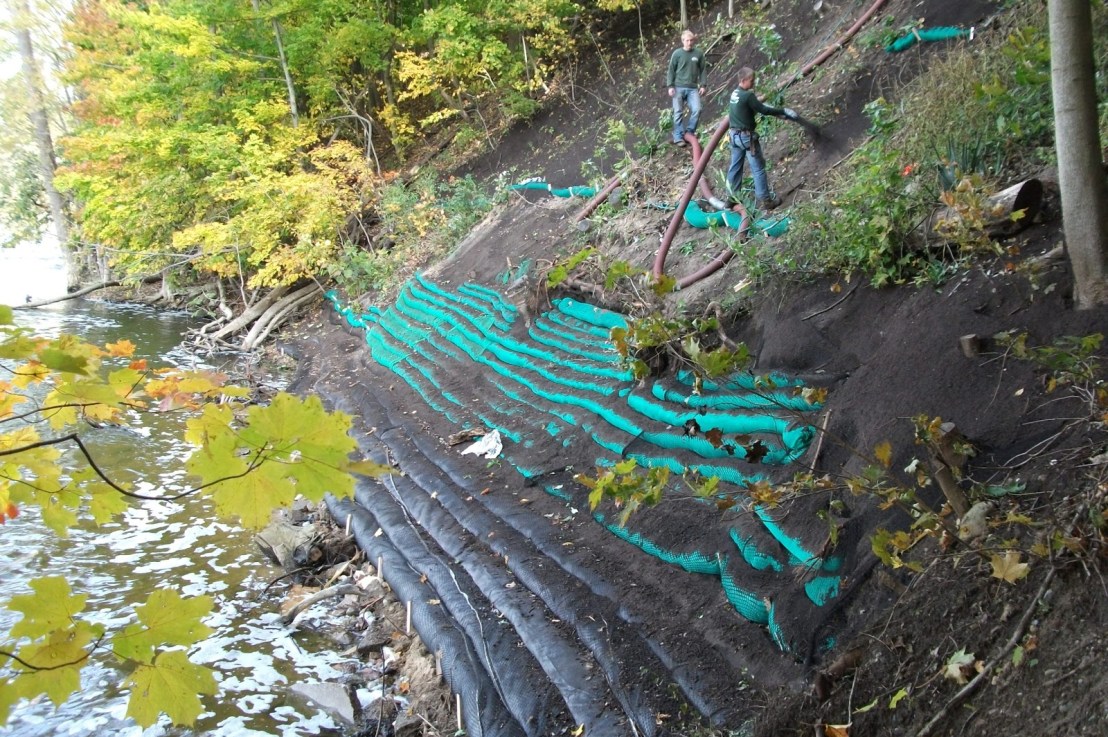
Soil is foundational for human life on this planet. Whether it’s for growing crops or managing construction projects, humans modify soil to meet the needs of the day. Sometimes soil needs altering to make it able to hold it in place and keep wind, water, and other forces from eroding it. These strategies are commonly referred to as Surface Stabilization. Surface stabilization applications range from strengthening soil to support new structures to planting trees to keep sediment from spilling into waterways.


 Isaac's Science Blog