Ecological Impacts of Solar Farms Replacing Agricultural Farms
03/21/19
“What are the consequences on the environment for replacing agriculture with solar?”
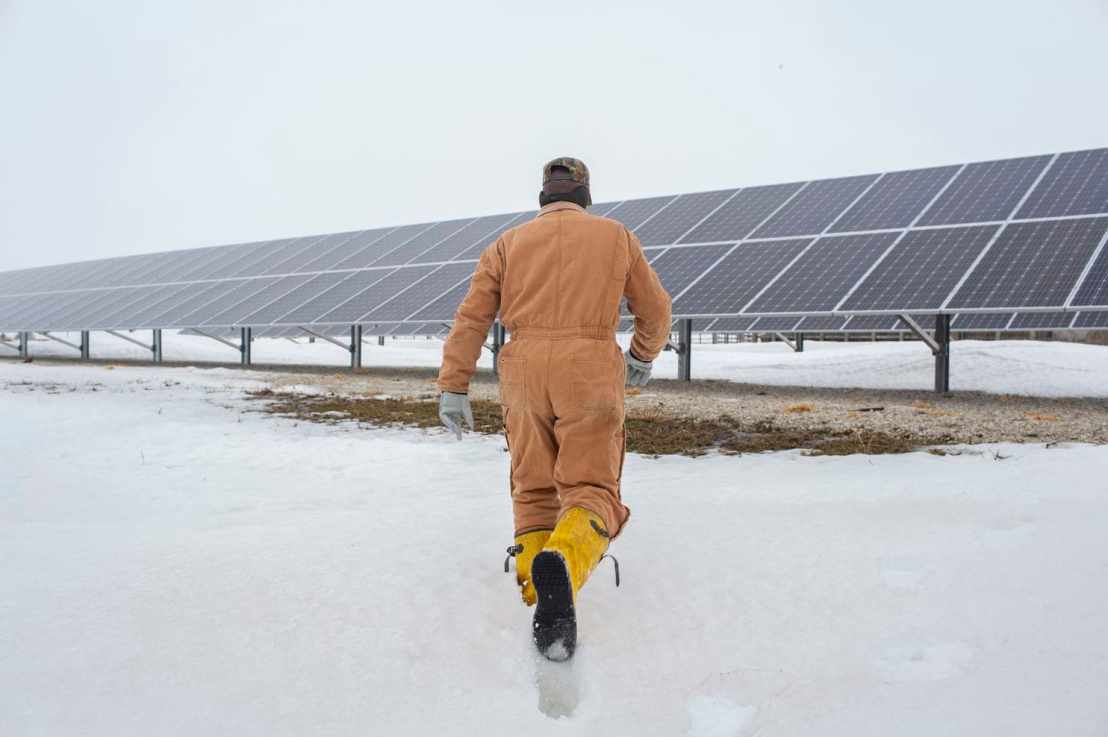
With the advent of the ever-increasing business case for renewable energy, farms are starting to replace growing crops with generating solar. However, like every process there are potential environmental impacts that must be addressed. Primarily, soil that could be used for growing crops is being diverted to ground for panels. Second, shading from the solar panels could dampen productivity of agriculture. As a result it is best to place solar panels on farmland not reserved for crops. These are the Ecological Impacts of Solar Farms Replacing Agricultural Farms
Why Agricultural Farms are Being Converted into Solar Farms in the American Midwest
03/20/19
“Why are agricultural farms being turned into solar farms in the American Midwest?”
A crisis and a boom is running through the American Midwest right now. Crop prices have collapsed do much that in some areas farming yields $0/acre. But due to new renewable energy incentives being passed in Illinois and Minnesota and the fact that solar provides a fixed return, many farmers are installing solar panels over their cropland. As a result, Illinois and Minnesota re experiencing tremendous growth rates in their solar industries. This is Why Agricultural Farms are Being Converted into Solar Farms in the American Midwest.
Cyclone Idai and Why Communities Need to Prepare for Climate Change Resilience
03/19/19
“Why does Cyclone Idai in Mozambique show that cities need to build climate change resilience?”
The Mozambique city of Beira was recently hit by Cyclone Idai. Due to the intensity of the storm and the lack of resources, over 90% of the city was destroyed. The infrastructure was so damaged that metal roofs flew off of buildings. Since catastrophic climate events will rise in the future, cities will need to invest to change how to combat these problems. This is Why Communities Need to Prepare for Climate Change Resilience.
Why Cold Waves are Bad for Traditional Energy Generation
03/03/19
“Why does traditional energy generation suffer from cold waves?”
When the weather becomes extremely cold, such as the American Midwestern polar vortex, energy generation in traditional generation facilities becomes much less efficient. This stands in stark contrast to wind turbines, which are much more resilient to colder weather. This is Why Cold Waves are Bad for Traditional Energy Generation.
How Trimming Trees Near Transmission Lines Could Increase Infrastructure Resilience
02/28/19
“How could hot areas become more resilient by trimming trees?”
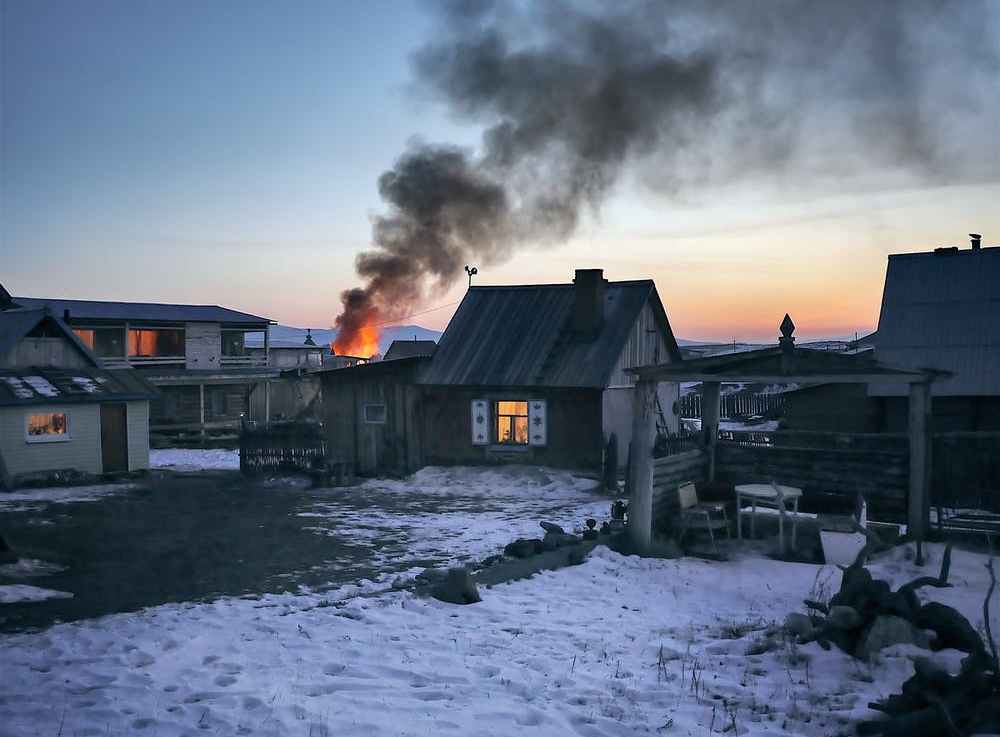
Electrical transmission lines can fault for a variety of reasons. But one of the most common is from being near untrimmed trees. These can fall onto the power lines, causing power disruption. In the case of extreme drought, static buildup can even rupture a fire, as seen in the 2018 Northern Californian Camp Fire. To prevent this, we can simply trim the trees. This allows for increased safety against extreme weather. This is How Trimming Trees Near Transmission Lines Could Increase Infrastructure Resilience in Drought-ridden Areas.
“How can we have a safe form of carbon which can’t easily escape into the atmosphere?”
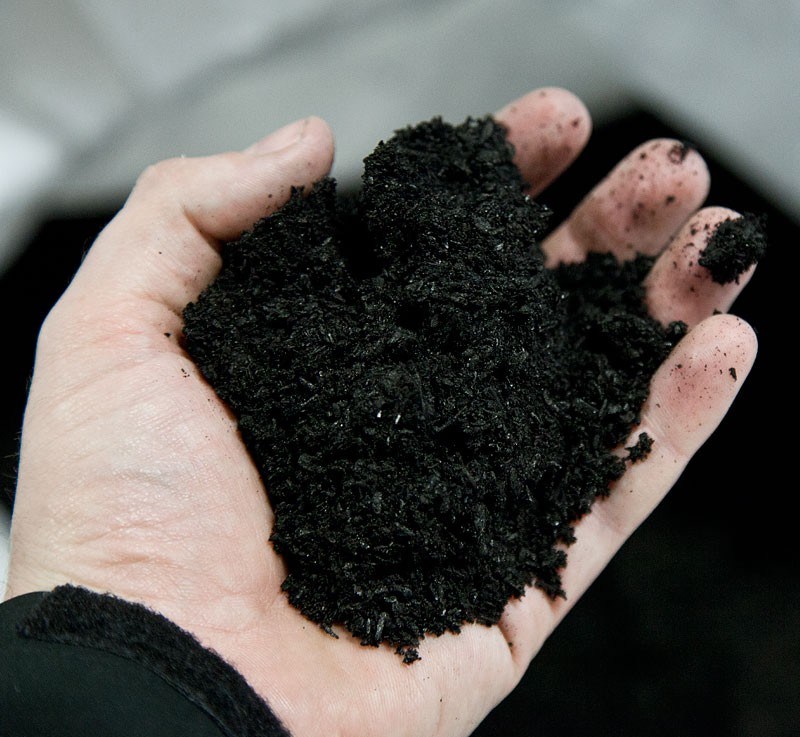
Carbon is one of the most fundamental elements in the world. Given its role in energy production and global warming, it is both the foundation and destroyer of our civilization. But can there be a cleaner form of carbon? Well, if we burn dead organic matter such as plants in a container with very little oxygen, then it will release very little fumes and turn into a stable form of carbon known as Biochar. The energy created in the burning process can be used to power mechanical processes.
Mining activities can destroy the face of the Earth. However, with the proper planning, a closed mineland can be restored to proper functioning. This involves the use of groundwater treatment, replacement of soil, or tree-planting initiatives. This Mining Remediation process is used all over the world to restore natural landscapes.
“What are the environmental impacts of open-pit mining?”
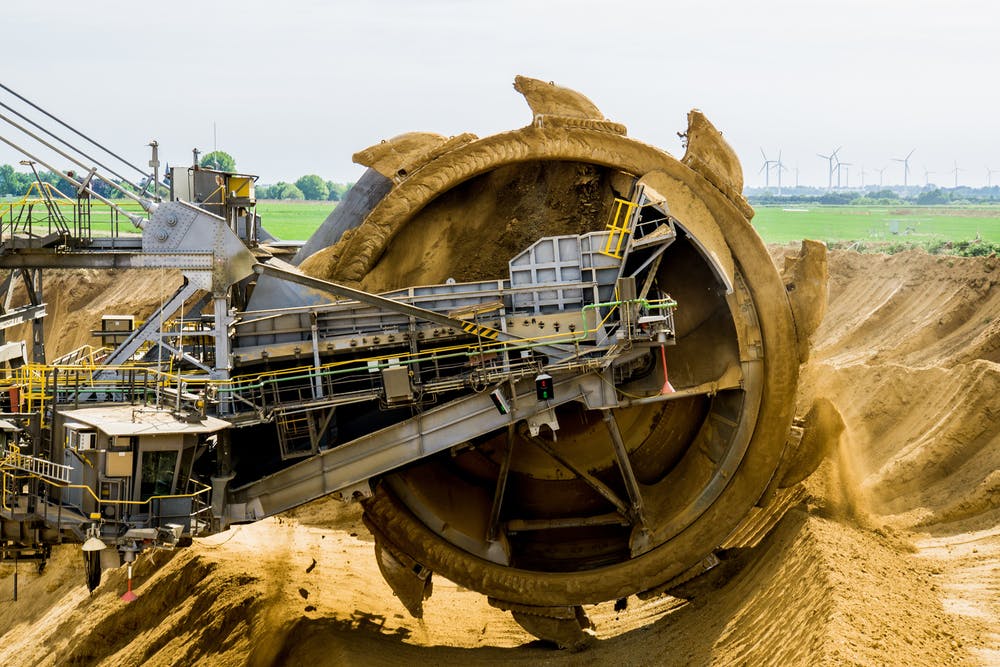
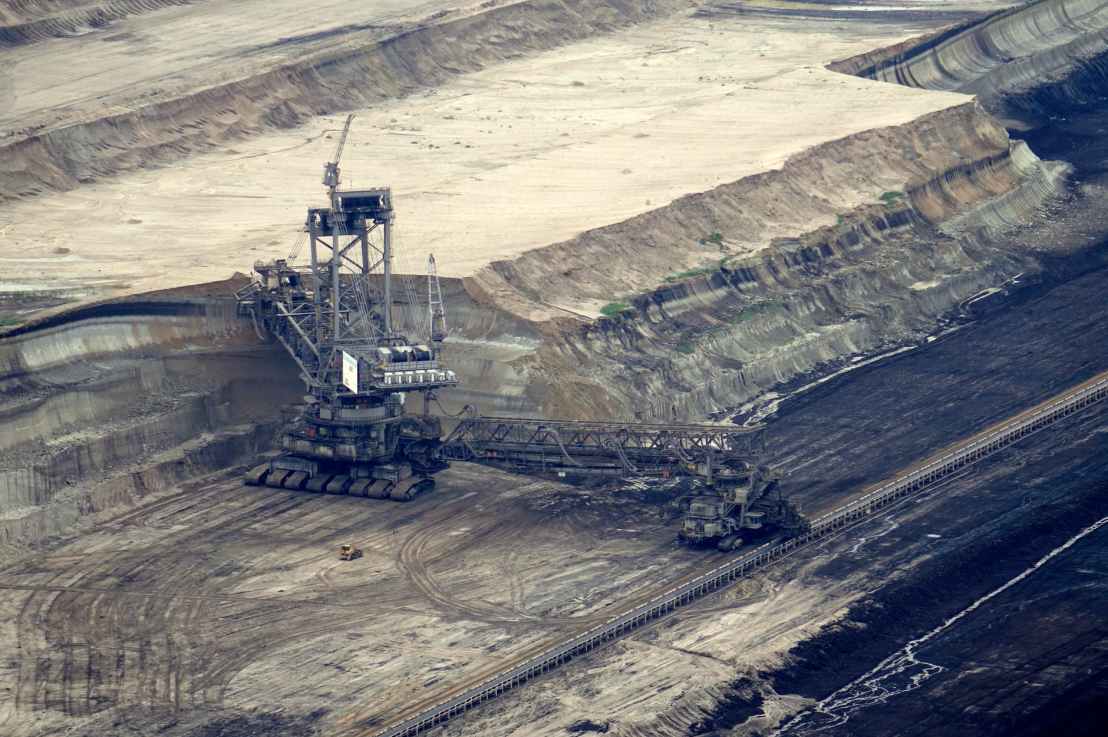
Materials such as rare-earth minerals are often obtained through open-pit mining. However, this process is extremely environmentally destructive, releasing a multitude of harmful chemicals, debris, and dust into the air. The residue can also cause Sound pollution from the machinery, ground vibration from the operations, forcibly resettle people, pollute nearby water and destroy soil fertility. Thus, The Environmental Impacts of Open-Pit Mining must be minimized at all costs!
In the past, mines were made by digging individual holes under the surface of the ground. But with the advance of new technology, this may no longer be necessary for regions where ore is close to the surface. The surface of mineral areas can now be blasted out through dynamite and then carved through by giant cranes. This leaves a giant hole in which minerals can be easily accessible. Although this Open-Pit Mining technique might be economically efficient in many cases, it produces large amounts of environmental damage. Rare Earth Minerals are often excavated through open-pit mining.




 Isaac's Science Blog