“How can we create climate diplomacy that takes gender equity into serious consideration?”
Since most institutions of power in climate negotiations are dominated by men, anything that has a focus on gender equity is often ignored. It is also well-known that if female leadership is increased, then work on climate becomes higher-quality. To rectify this, nations can focus their efforts on ensuring that bridging the gender divide will be a focus on development projects and require in-depth female participation in climate talks. This Feminist Climate Diplomacy holds the key to the future of social and environmental justice.
Why Bringing in Women Into Climate Adaptation Leadership Will Improve the Decision-Making Process
07/23/20
“Why would bringing in women into climate adaptation leadership improve its decision-making process?”
As in the larger professional world, women are underrepresented in climate adaptation leadership due to structural sexist forces. Even worse, when they do have a seat at the table their voices are less heard in comparison to men. This leads to having their perspective diminished, and their point of view on matters such as the gendered impact of disasters neglected. But by bringing more women into commanding roles, organizations will be able to benefit from their experiences and create a more sophisticated adaptation process. This is Why Bringing in Women Into Climate Adaptation Leadership Will Improve the Decision-Making Process.
“How can we factor adaptation cost-benefit analysis into large-scale economies?”
Climate change adaptation cost-benefit analysis usually takes place on small, individual project scales. However, given that global warming is a global issue, it is only logical that entire national economies will be impacted. In preparation for this, countries are building up large-scale maneuvers for these impacts. However, since budgets will be constrained, a cost-benefit analysis must be done to see what projects should be accepted. This is why Large-Scale Adaptation Economic Cost-Benefit Analysis will be so vital.
“How does segregation exacerbate climate vulnerability?”
Climate vulnerability is dependent on a multitude of factors, such as income, spatial proximity to hazards, and disaster planning. Segregation exacerbates all of these factors for oppressed communities, whether it be historical disenfranchisement or forced displacement. These are just a few reasons why there is a connection between Segregation and Climate Vulnerability.
When people bring up the term infrastructure, artificial gray infrastructure is often thought of as the focus. However, infrastructure goes well beyond this. Green Infrastructure consists of more natural, nature-based sources such as Green Roofs and Green Stormwater Infrastructure. Green infrastructure is well-suited for flood management, since plants have a natural ability to absorb water.
“How do pipeline failures threaten local water supplies?”
Pipelines are used to transport heavy, often-toxic fluids long distances. Although sturdy, these pieces of infrastructure are not invulnerable. In fact, if damaged, these toxic substances can spill out into localized water sources, contaminating them. This was one of the reasons for the blocking of the Keystone pipeline. This is How Pipeline Failures Harm Local Water Supplies.
“Why is looking at historical climate change useful?”
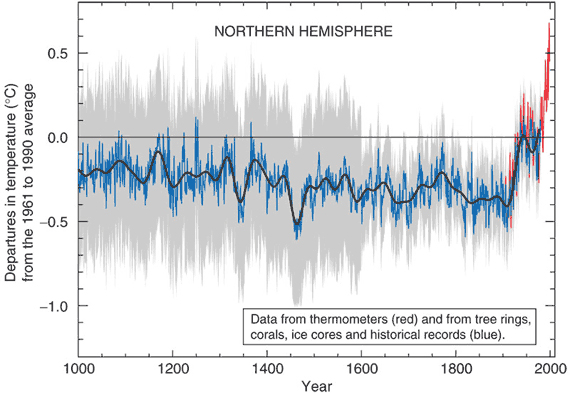
Climate change is often talked about as if its a modern phenomenon. However, nothing could be further from the truth. The Earth’s internal processes and external environment has a deep effect on it, and by looking at Historical Climate Change we can obtain a better understanding of what factors affect present climate change.
“How should we prioritize budgets for climate adaptation?”
Climate adaptation is a fascinating world. There seem to be so many projects to do, from wildfire research to flood planning. However, all of these cost time and money, which are not finite resources. Because of this, Climate Adaptation Budget Prioritization needs to take place. This includes activities such as scoping out the needs for the community, evaluating cash on hand, and creating a long-term scenario plan.