Why Quicker Construction Methods Could Be an Adaptation Benefit
11/25/20
“How can quicker construction methods be an adaptation benefit?”
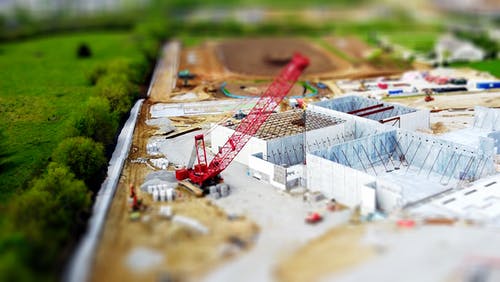
With the advent of climate change, much more construction is going to take place. Homes are going to get rebuilt, railways are going to be repaired, and entire towns may have to move! If we can somehow speed up this process, then we can ensure that adaptation capacity gets built more steadily at a cheaper cost. This is Why Quicker Construction Methods Could Be an Adaptation Benefit.
“How can we quantify how climate impacts will affect asset depreciation?”
Aging naturally chips away at asset values. However, climate change is going to disrupt this to a whole new level. As weather and earth conditions become more chaotic, more damages are expected to be withstood, shortening the expected life and value of assets affected. By using Climate Impact Depreciation Quantification, we can analytically find how these force can shorten an asset’s life.
“Why will we need to redesign everything for climate impacts?”
Climate change is upending everything in society. As such, our designs for everything we had in the past will need to change as well. This Climate Adaptation Redesign is going to become a part of our everyday life.
“Why do holidays lead to increased carbon emissions?”
Everyone loves holidays. They allow families to reconnect, friends to rejoice, and communities to celebrate. However, they come with one big problem. Holiday seasons come with increased levels of travel, food consumption, and material use. All of these activities produce carbon emissions. So logically, holiday seasons further accelerate global warming. So next time, be mindful of how festivals contribute to environmental degradation, and Why Holidays Lead to Increased Carbon Emissions.
“How can we make plans to adapt to climate change?”
Climate adaptation is something that all areas of the globe are going to have to plan for. To accomplish this, they are going to have to look into Climate Adaptation Planning, whether this be through trimming trees for wildfire preparation or creating porous sidewalks for extreme flooding.
The climate is changing. And one of the most brutal aspects of it is occurring in dry climates right now. As dry climates become drier, some of them are becoming at risk of being reclassified as deserts. This shift will induce systemic ecosystem change that could result in millions of not billions losing food access. Desertification is a strong issue that must be dealt with considerably.
How Housing Densification Can Protect Against Sea-Level Rise
11/16/20
“How can housing densification protect against sea-level rise?”
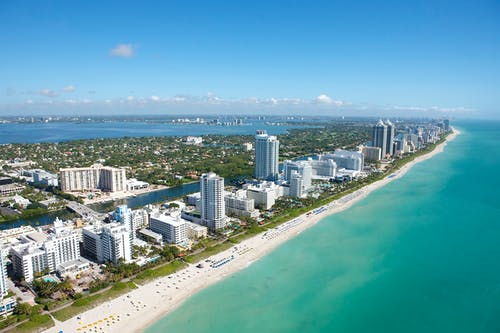
With the advent of climate change, sea-level rise is going to consume more and more land available for people to live. To accommodate the people who will be forced to move, housing densification can occur in safe areas away from flood zones, leading to a more available living space and an adapted, resilient future. This is How Housing Densification Can Protect Against Sea-Level Rise.
Whether we like it or not, climate change has arrived and will be here to stay. Communities and infrastructure are going to be devastated, and it’s important to make sure too much tragedy, particularly for vulnerable communities, will not occur. This can be solved using Resilience Funding, in which special funds are permitted to finance updates to infrastructure.
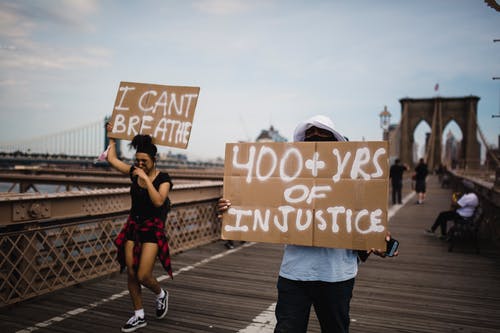
The more resources that a country uses, the more greenhouse gases it emits. So it should not come as a surprise that wealthier nations have contributed more to climate change than lower-income ones. And since the effects of climate change are hitting lower-income countries earlier and with more deadly force, there needs to be serious talk about adjusting for equity. This can come in the form of Climate Reparations, in which wealthier nations and individuals pay for their lower-income counterparts for putting them in catastrophic positions. Climate reparations is a deep and complex topic and is something that will become more prominent in the future.