Why Recycled Water Could Be Vital for Conflict Zones
10/23/20
“How can recycled water be vital for conflict zones?”
In conflict zones, water can be hard to find. Either infrastructure has been damaged or rationing has been instituted or both. However, if there is local and portable water recycling technology, then water can be supplied and lives saved. This is Why Recycled Water Could Be Vital for Conflict Zones.
Why Contaminated Water Is Much More Difficult to Filter
10/21/20
“Why is contaminated water so much more difficult to filter?”
Water filtration is the essence of recycling water and making it usable again. However the more contaminated the water is, the more energy and processes are needed to make it drinkable again. This is Why Contaminated Water Is Much More Difficult to Filter.
How a Nation’s Leader Disproportionately Influences Its Climate Adaptation Capacity
10/20/20
“What influence does a nation’s leader have on its climate adaptation capacity?”
A nation’s leaders have a direct and disproportionate on its policies. And this can be seen quite well in its climate adaptation capacity, which rests on the actions the nation takes, whether it’s through building infrastructure, funding property losses, or choosing research focus areas. This is How a Nation’s Leader Disproportionately Influences Its Climate Adaptation Capacity.
Why the Bay Area Will Not Have to Lose Population to Sea-Level Rise if It Densifies Correctly
10/19/20
“How can the Bay Area not lose population to sea-level rise if it densifies correctly?”
The San Francisco Bay Area is under threat. Sea-level rise holds the potential to displace hundreds of thousands of residents in the coming decades if no serious action is taken. However, if the Bay Area densifies in wealthy region away from the waters and adds in a social housing mandate, then these residents can enter new homes and not have to move far away. This is Why the Bay Area Will Not Have to Lose Population to Sea-Level Rise if It Densifies Correctly.
How Multiculturalism Can Lead to Better Climate Resilience
10/18/20
“How can multiculturalism lead to better climate resilience?”
Different cultures tend to inhabit different areas and have different ways of approaching things. As a result, they will all have different things to bring to the table when disasters strike. Since the climate is becoming more intense in a variety of different ways, having access to communities of different cultures will allow for a greater level of resilience. This is How Multiculturalism Can Lead to Better Climate Resilience.
“Why will people migrate away from wildfire-prone areas?”
With the advent of climate change, wildfires are becoming a more and more pressing issue for communities who live in dry forested regions. And as these regions expand and become more dangerous, people will flee from them, sometimes permanently. This Wildfire Migration is already being played out on the west coast and is only set to expand in the coming years.
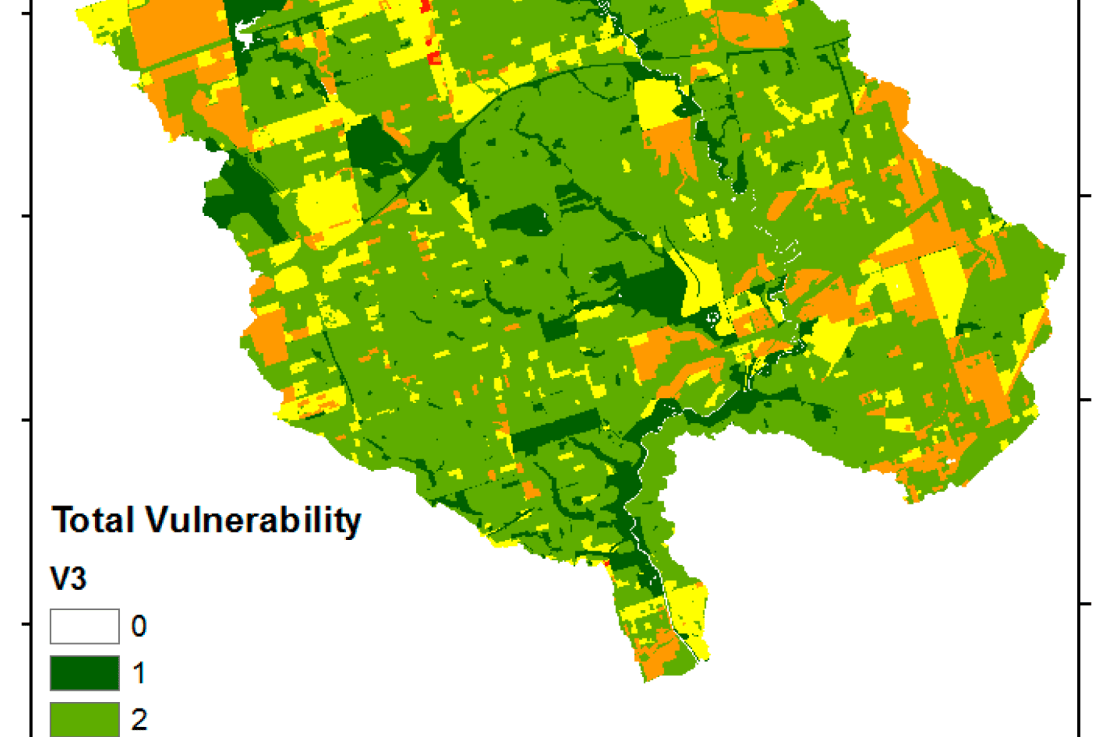
“How can we use geospatial technologies to analyze risk?”
Risk analysis is one of the most important techniques to be used for climate adaptation work. However, sometimes a visual reference might be necessary to what’s going on. In this case, the use of geospatial tools can be of the greatest assistance, whether it be seeing which regions might be most prone to wildfires or how sea-level rise is affecting existing housing stock. Geospatial Risk Analysis is a tool that would be great for any climate adaptation professional to use.
“How can we have financial insurance for wildfires?”
Wildfires are one of the most destructive disasters in some territories. And sometimes they’re so common that there is even a fire season associated with the geography! This has led to some companies beginning to offer Wildfire Insurance, allowing customers to purchase protection against future disasters. With this, individuals can keep a sound mind about their materials and livelihoods.
Why Wildfire Reporting Should Focus More on Human Damages
10/10/20
“Why should wildfire reporting focus more on the damages done to humans?”
When most non-indigenous run media covers wildfires, there is a tendency to cast the damages in terms of economic loss. A more effective way to inform communities is to focus on the human toll. For example, information about lives lost, homes destroyed, and public health impacts from smoke cajoles a community to fight for its future. This is Why Wildfire Reporting Should Focus More on Human Damages.





 Isaac's Science Blog