Category: Chemistry

Why BOD Removal is Faster When There is More Organic Pollution

Why BOD Removal is Faster When There is More Organic Pollution

Why BOD Removal is Faster When There is More Organic Pollution

04/11/25

“Why is BOD removal faster when there is more organic pollution?”

Microorganisms digest organic pollution. The more organic pollution there is, the easier organisms can multiply and consume the substance. After more of the initial organic pollution is consumed, there is less easy food to find for the microorganisms, leading them to struggle. This is Why BOD Removal is Faster When There is More Organic Pollution.
Conventional Activated Sludge (CAS) Systems

Conventional Activated Sludge (CAS) Systems

Conventional Activated Sludge (CAS) Systems

04/10/25

“How can we filter wastewater using air and bacteria?”

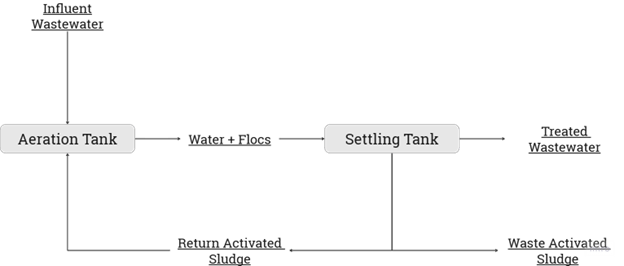
Conventional Activated Sludge (CAS) Systems are a cornerstone of modern wastewater treatment technology. CAS systems are composed of two tanks, an aeration tank and a settling tank. The CAS process begins with influent wastewater pouring into the aeration tank. The aeration tank aerates (adds air or oxygen) into the wastewater to activate microorganisms already present. These microorganisms break down the organic pollutants into less harmful biomass. Over time, the microbes and the waste will clump together to form flocs. The water and flocs are then transported to the settling tank (also known as a clarifier) where the heavier flocs settle to the bottom as sludge and clear water flows out as effluent. The sludge then leaves the settling tank, where part of it is removed from the CAS (Waste Activated Sludge) while the other portion is returned to the aeration tank (Return Activated Sludge) to provide extra microorganisms to new influent water. The attached image visualizes this process.

Water Turbidity

Water Turbidity

Water Turbidity

03/31/25

“How can we measure the cloudiness of water?”

Water comes in varying levels of clarity. One metric, Water Turbidity, measures how much cloudiness is caused by individual particles in a fluid. Increased turbidity is caused by phytoplankton growth, runoff from human activities, and runoff. Water quality tests from all over the world check for turbidity.

Why People Don’t Like Drinking Iron-Contaminated Water

Why People Don’t Like Drinking Iron-Contaminated Water

Why People Don’t Like Drinking Iron-Contaminated Water

03/29/25

“Why don’t people like drinking iron-contaminated water?”

Drinking water contaminated with higher iron levels does not present a health risk. Instead, it causes a metallic taste, poor smell, a rust color in the water and on surfaces it comes in contact with, and small sedimentation in drinking water containers. This is Why People Don’t Like Drinking Iron-Contaminated Water.

Image credit: http://www.cdn.prod.website-files.com

Water Hardness

Water Hardness

Water Hardness

03/27/25

“How do we measure how useful water is for cleaning?”

Water is used for cleaning all over the world. But if there is too much dissolved calcium and magnesium, then it becomes more difficult to use for cleaning. This is quantified by a variable called Water Hardness. Water hardness is measured by the density of calcium and magnesium in a sample.

The Health Effects of Manganese in Drinking Water

The Health Effects of Manganese in Drinking Water

The Health Effects of Manganese in Drinking Water

03/21/25

“What are the health effects of manganese in drinking water?”

Manganese in drinking water can come from a wide range of sources, whether its local industry or naturally occurring minerals. But no matter the case, having too much manganese in drinking water can lead to cognitive and motor skills problems. These are The Health Effects of Manganese in Drinking Water.

Image credit: https://i0.wp.com/bdn-data.s3.amazonaws.com/uploads/2022/08/Berwick-Manganese.jpg?fit=1200%2C675&ssl=1

Manganese Pollution Sources for Drinking Water

Manganese Pollution Sources for Drinking Water

Manganese Pollution Sources for Drinking Water

03/19/25

“What are the sources of manganese pollution in drinking water?”

Manganese pollution in drinking water can be deadly. But where does it come from? In addition to being naturally occurring, it can also originate from steel production, fracking, coal mining, and agriculture. Governing organizations should look out for Manganese Pollution Sources for Drinking Water if the supplies borders one of these land uses.

Image credit: https://harvardpublichealth.org/

Why Your Kidneys Are Like a Water Filtration System

Why Your Kidneys Are Like a Water Filtration System

Why Your Kidneys Are Like a Water Filtration System

03/17/25

“Why are your kidneys like a water filtration system?”

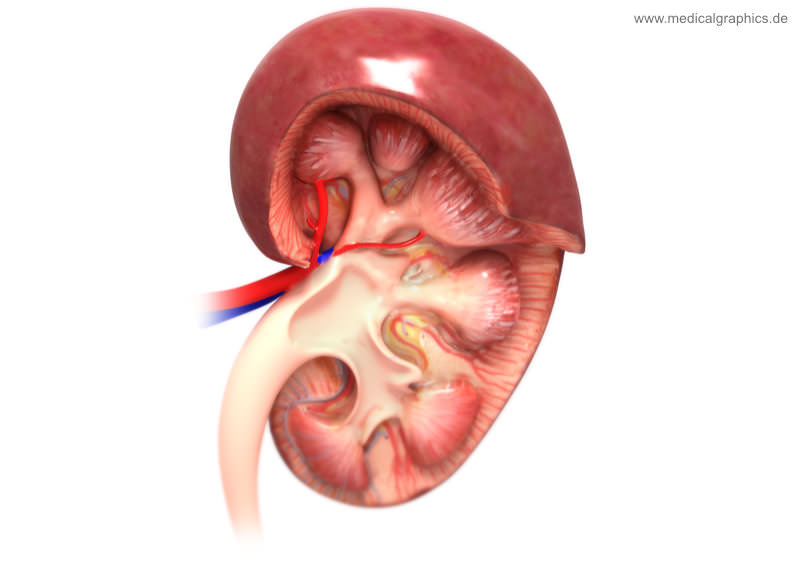
We tend to think of body organs as functioning completely differently than built infrastructure. But this is not always the case. Take the kidneys for example. A kidney filters extra water from incoming into urine, much like how a water filtration system filters contaminants from incoming water. This is Why Your Kidneys Are Like a Water Filtration System.

Image credit https://humanbiology.pressbooks.tru.ca/

Colloids

Colloids

Colloids

03/15/25

“Are there substances that are neither suspended nor diluted in another substance?”

When people talk about substances that exist in another substance, it’s common to place them as being either suspended or diluted. However, a mixture exists between them. These substances, termed Colloids, exist between 1 to 1000 nanometers in size (to small to be visible to the naked eye) and do not settle out over time. Examples of colloids include jello, shaving cream, and milk.