Category: Chemistry

Why Colloids Are Hard to Remove From Drinking Water

Why Colloids Are Hard to Remove From Drinking Water

Why Colloids Are Hard to Remove From Drinking Water

03/14/25

“Why are colloids hard to remove from drinking water?”

Colloids are substances dissolved in another substance but microscopic and non-settling. These properties make colloids hard to remove from drinking water because they’re difficult to visually detect, can pass through filters easily, and are stabilized in water through electrostatic charges. This is Why Colloids Are Hard to Remove From Drinking Water.
Flocculation

Flocculation

Flocculation

03/12/25

“How can we use substances to remove colloids from water?”

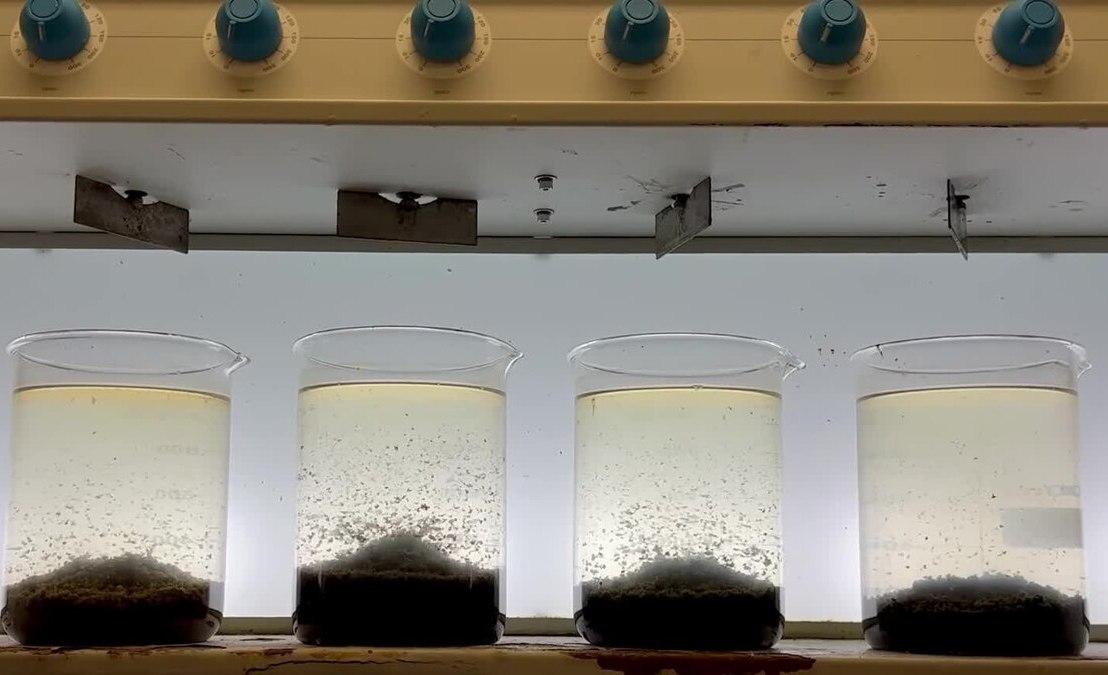
Colloids are incredibly difficult to remove from water due to their small size and electrostatic charges. However, we can remove them by adding a charged substance to water to remove the negative charge of the colloids, pulling them away from the water, and then adding other substances to bind the colloids together that can be later settled out. This Flocculation is vital for many forms of water filtration.

Image credit: https://upload.wikimedia.org/

Decentralized Wastewater Treatment

Decentralized Wastewater Treatment

Decentralized Wastewater Treatment

03/03/25

“How can we create water treatment systems that purify water near their use?”

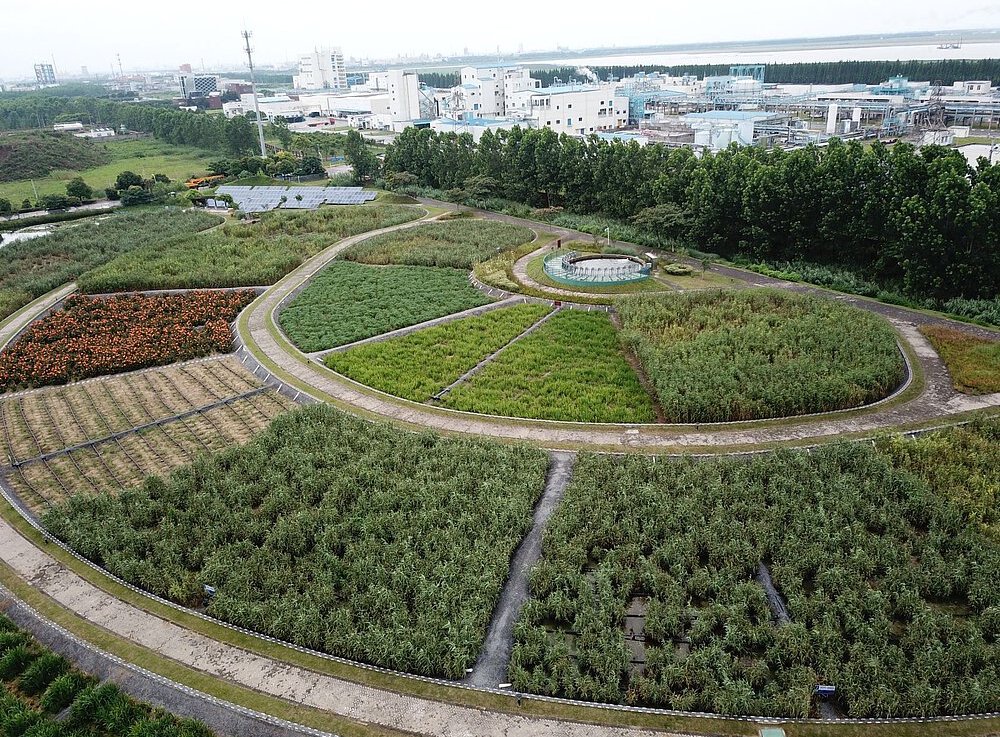
Centralized water treatment systems are the go-to for large, dense, and (relatively) wealthy urban areas. However, this typology may not work well for smaller, low-density communities in remote regions. Decentralized Wastewater Treatment, where wastewater is treated near the site of use, might be more applicable. Examples of decentralized water treatment systems include septic tanks and constructed wetlands.

Image credit: http://www.blumberg-engineers.com

Contaminant Release Mechanisms

Contaminant Release Mechanisms

Contaminant Release Mechanisms

03/01/25

“How are contaminants released?”

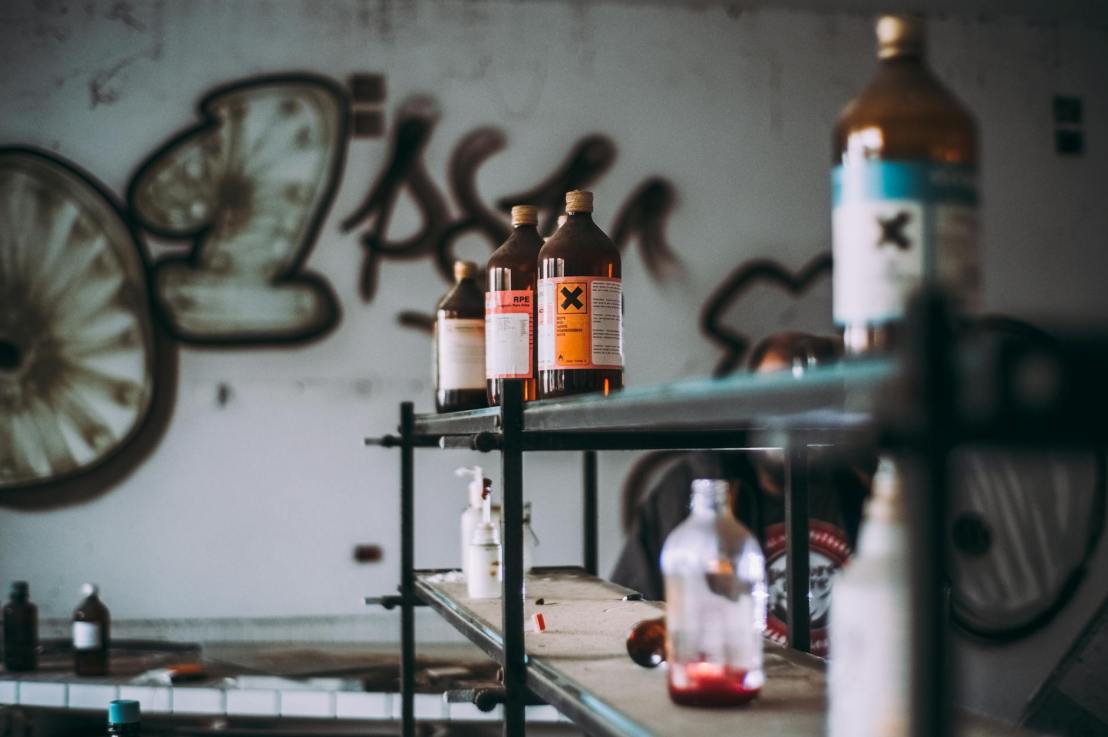
Contaminants hurt whatever they come in contact with. Contaminants are released through a Contaminant Release Mechanism, such as leakages, spills, and burning.

Why Los Angeles Residents Who Want to Return to Their Homes Must Wait for a Toxic Material Search

Why Los Angeles Residents Who Want to Return to Their Homes Must Wait for a Toxic Material Search

Why Los Angeles Residents Who Want to Return to Their Homes Must Wait for a Toxic Material Search

01/15/25

“Why do Los Angeles residents who want to return to their homes must wait for a toxic materials search?”

Many Los Angeles residents want to return home as soon as possible. However, hazardous materials may be present in the home, so Los Angeles County has declared that anyone who wishes to return must be assessed and removed by EPA. This is Why Los Angeles Residents Who Want to Return to Their Homes Must Wait for a Toxic Material Search.

Flash Point (Materials)

Flash Point (Materials)

Flash Point (Materials)

12/29/24

“What’s the point where liquid materials catch fire?”

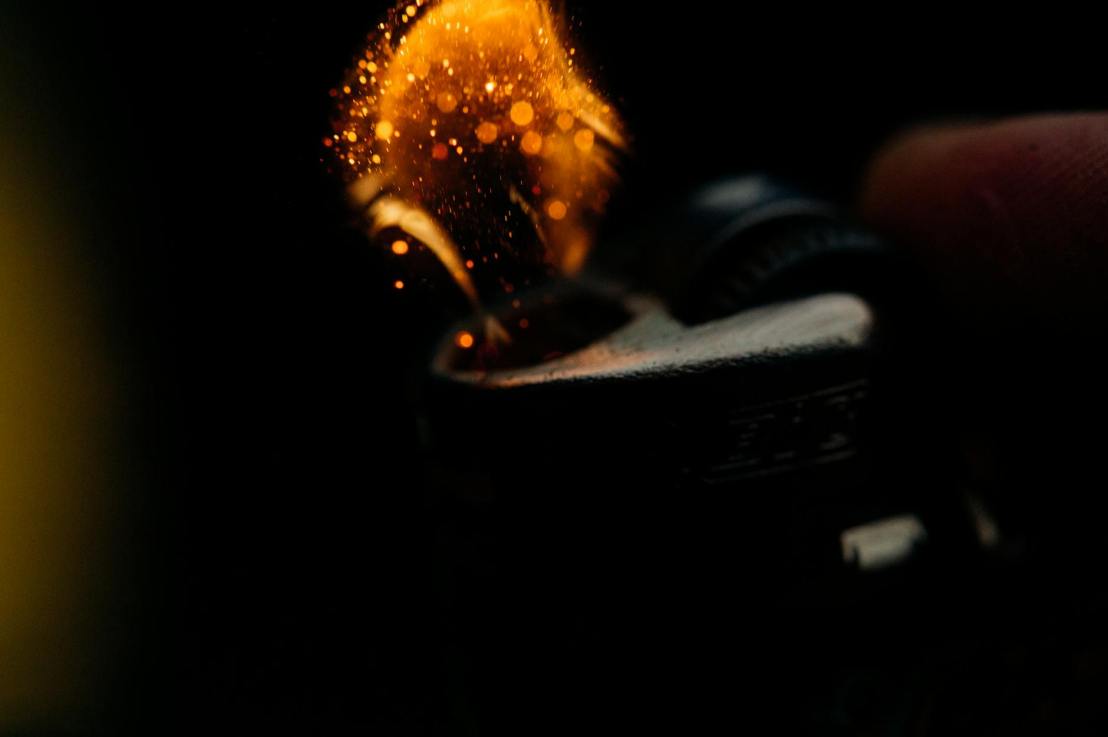
Flaming liquids are a marvel to behold. The juxtaposition of a chaotic physical structure engulfed by a menacing fire produces a fascinating spectacle. But how does this work? Well, all liquids have a vapor pressure associated with them. At a certain set of conditions called the Flash Point, the concentration of the liquid’s vapor in the surrounding atmosphere will suffice for ignition when a combustion source is applied.

Why Oil is Used in Cooking

Why Oil is Used in Cooking

Why Oil is Used in Cooking

12/27/24

“Why do people use oil to cook?”

The art and science of cooking involves using heat to warm up food. The more efficiently a medium transfers heat, the more efficiently it will cook. Oils can cook at higher temperatures than water, allowing for faster and more even cooking. Some oils will also impart a delicious flavor to what’s cooked. This is Why Oil is Used in Cooking.

Cancer Clusters

Cancer Clusters

Cancer Clusters

12/25/24

“What’s special about geographic areas with high numbers of cancer cases?”

Cancer is one of the most common causes of death around the world. Some areas are found to have higher numbers of cancer cases than average over a specific period of time. These Cancer Clusters might result from genetic factors of the local population or nearby pollutive industries. Cancer Alley in Louisana is an example of a cancer cluster.

Toxicology

Toxicology

Toxicology

12/24/24

“What is the academic study of the harmful effects of chemicals on living organisms and the environment?”

Toxic substances can have a wide range of effects on a wide range of organisms. Some may cause only small ain, while others can be threatening. To study these phenomena, scientists look to the field of Toxicology. Toxicology studies how the response of an organism is affected by exposure to a toxin. Toxicology is used in environmental health to understand the effects of pollutants on organisms and the environment.