Year: 2021

Why Civil Wars Siphon Resources From Climate Adaptation Capacity Building

Why Civil Wars Siphon Resources From Climate Adaptation Capacity Building

Why Civil Wars Siphon Resources From Climate Adaptation Capacity Building

06/27/21

“Why do civil wars siphon resources from climate adaptation capacity building?”

Civil wars tear nations apart and lead to mass destruction. Resources that could have been channeled into climate adaptation capacity building instead go to other ventures. In addition, social networks and physical infrastructure gets frayed under the constant assaults. This is Why Civil Wars Siphon Resources From Climate Adaptation Capacity Building.

Why Climate-Induced Heat Waves Can Be Especially Deadly for Cold Climatic Areas

Why Climate-Induced Heat Waves Can Be Especially Deadly for Cold Climatic Areas

Why Climate-Induced Heat Waves Can Be Especially Deadly for Cold Climatic Areas

06/26/21

“Why are climate-induced heat waves especially deadly for cold climatic areas?”

Temperatures in cold climatic areas often don’t get high enough to warrant the purchase of air conditioning. However, when a heat wave arrives, climatic levels can spike to the point where it can be dangerous to reside inside non-climatically controlled areas, leading to mass public health risks. This is Why Climate-Induced Heat Waves Can Be Especially Deadly for Cold Climatic Areas.

Climate Optimism

Climate Optimism

Climate Optimism

06/26/21

“How can we remain optimistic about climate change?”

It is easy to be pessimistic about climate change. However, if we keep our moods up, then this can shift to something much more optimistic and actualize potential. This is why Climate Optimism is so powerful.

Why We Need to Build Affordable Housing in Light of Climate Change

Why We Need to Build Affordable Housing in Light of Climate Change

Why We Need to Build Affordable Housing in Light of Climate Change

06/24/21

“Why should we have affordable housing requirements in light of climate change?”

Climate change is going to displace a large number of people to seek housing and shelter elsewhere. Since many of these people come from socially marginalized backgrounds will incur losses from their tragic events, they will have to seek shelter at affordable locations. So how can we make this happen? Well, what if we were to create large amounts of affordable housing to ensure that proper shelter can be provided? This is one possible solution and is Why We Need to Build Affordable Housing in Light of Climate Change.

Why Climate Change Will Make Certain Regions of the World More Moldy

Why Climate Change Will Make Certain Regions of the World More Moldy

Why Climate Change Will Make Certain Regions of the World More Moldy

06/23/21

“Why will climate change make certain regions of the world more moldy?”

Climate change is going to increase the temperatures and humidity in certain parts of the world. These are conditions that mold thrives in. So logically, it is easy to see Why Climate Change Will Make Certain Regions of the World More Moldy.

Using Analytics to Predict Urban Growth in Response to Climate Change

Using Analytics to Predict Urban Growth in Response to Climate Change

Using Analytics to Predict Urban Growth in Response to Climate Change

06/22/21

“How can we use analytics to predict urban growth in response to climate change?”

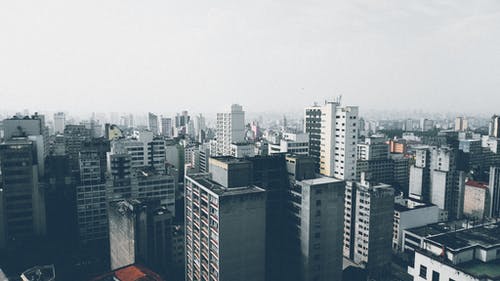
Cities and urban areas are going to change drastically in response to climate change in ways that we have never seen before. Certain areas are going to become less inhabitable, buildings will have to be redesigned with new hazard standards in mind, and we may even see full-scale retreat. So what can we do to look at how things might occur? Well, what if we were to use simulation software to take into account all of these factors to visualize how these changes might occur? Well, that’s called Using Analytics to Predict Urban Growth in Response to Climate Change and is one way we can peer into the new climate paradigm.

Affordable Housing Relocation in Wake of Climate Change

Affordable Housing Relocation in Wake of Climate Change

Affordable Housing Relocation in Wake of Climate Change

06/21/22

“How will we manage affordable housing relocation in the wake of climate change?”

With the advent of climate change, affordable housing is going to get swept up by rising sea levels, wildfires, and infrastructure collapse. Some areas that used to be a great place to live will no longer be safe. So how can we make sure that affordable housing residents have a safe place to live? Well, what if we were to simply build new affordable housing somewhere else where it is less perilous? Well, that’s called Affordable Housing Relocation in Wake of Climate Change and will be a necessary action in the new climate paradigm.

Why Metal Recycling Can Improve Infrastructure Resilience

Why Metal Recycling Can Improve Infrastructure Resilience

Why Metal Recycling Can Improve Infrastructure Resilience

06/20/21

“Why can metal recycling improve economic resilience?”

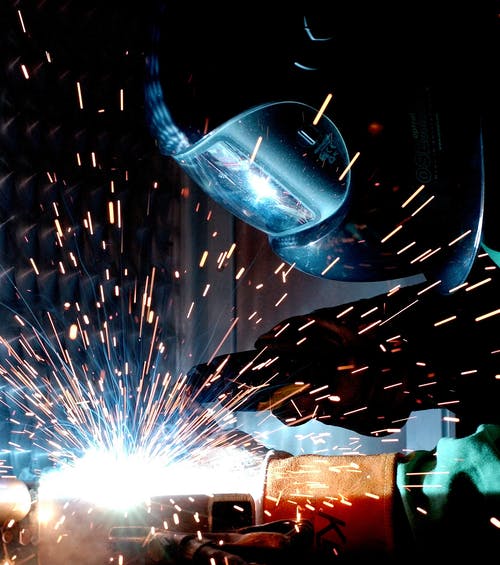
Metals have been one of the underpinnings of many human civilizations for thousands of years now. Because of this, when a metal shortage happens, a whole multitude of problems can arise. Buildings can’t get repaired, pipes can break down, and fabrication of vital items grind to a halt. So how can we protect ourselves against this? Well, what if we were to recycle metal? That way, metal scraps that are usually discarded are instead repurposed. This is Why Metal Recycling Can Improve Infrastructure Resilience.

Why Adding More Grassy Space to Sidewalks Will Make Cities More Heat Resilient

Why Adding More Grassy Space to Sidewalks Will Make Cities More Heat Resilient

Why Adding More Grassy Space to Sidewalks Will Make Cities More Heat Resilient

06/19/21

“Why will adding more grassy space to sidewalks make cities more heat resilient?”

During heat waves, concrete becomes hot and makes cities less walkable and more unpleasant to stay in. But how can we use our problem-solving skills to change this? Well, we know that vegetation is able to do well in hot weather and not be too hot to touch. So what if we were to put in more grassy areas to sidewalks? That way, people can step on it during heatwaves and heat can be absorbed. This is a prime solution and is Why Adding More Grassy Space to Sidewalks Will Make Cities More Heat Resilient.