Year: 2020

How Volunteer Forces Can Save People From Drowning in Disasters

How Volunteer Forces Can Save People From Drowning in Disasters

How Volunteer Forces Can Save People From Drowning in Disasters

08/27/20

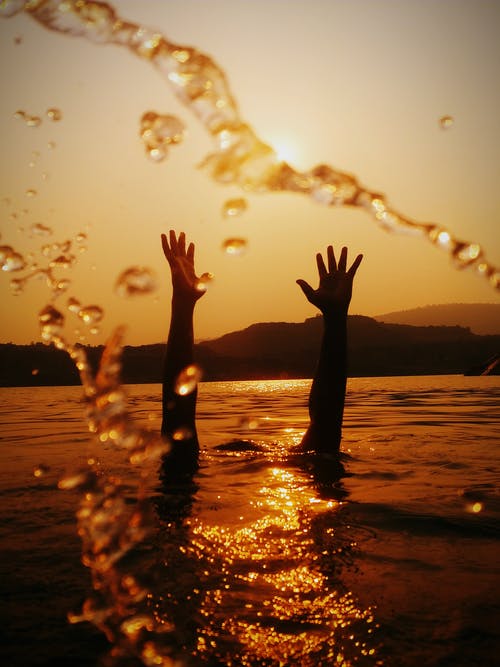
“How can volunteer forces save lives from drowning?”

When a flooding disaster strikes, water can rush in and trap people, leading to a massive loss of lives. However, if volunteers set up rescue missions, then they can be scouted and sought after. This is How Volunteer Forces Can Save People From Drowning in Disasters.

How Education About Wildfires Can Increase Fire Resilience

How Education About Wildfires Can Increase Fire Resilience

How Education About Wildfires Can Increase Fire Resilience

08/26/20

“How can education about wildfires increase fire resilience?”

When discussion of fire resilience goes on, it is usually talked about in terms of physical infrastructure such as building hardening or grid repair. However, one very effective technique may belong entirely within the realm of the social sciences. By education residents of a fire-prone town about wildfire, people can become more alert of what may happen and what they can do. This is How Education About Wildfires Can Increase Fire Resilience.

How Pollution in Water Utilities Can Harm Municipal Residents

How Pollution in Water Utilities Can Harm Municipal Residents

How Pollution in Water Utilities Can Harm Municipal Residents

08/25/20

“How can pollution in water utilities harm municipal residents?”

Water pollution is a serious issue. However, the direst consequence can come from the fact that it can seep into usage by municipal residents, harming public health in a variety of ways ranging from disease outbreaks to chemical poisoning. This is How Pollution in Water Utilities Can Harm Municipal Residents.

Why Removing Concrete Streets in Urban Areas May Increase Climate Resilience

Why Removing Concrete Streets in Urban Areas May Increase Climate Resilience

Why Removing Concrete Streets in Urban Areas May Increase Climate Resilience

08/24/20

“Why could removing concrete streets in an urban area enhance its climate resilience?”

Concrete is the bedrock of our cities, whether it be in our bridges, or buildings. However, when it used to cover over grasslands, its impervious nature to water can increase flood runoff as well as make it buckle under heat expansion. For this reason, some municipalities across the world are looking at replacing concrete streets with greenery to prevent these from occurring. This is Why Removing Concrete Streets in Urban Areas May Lead To Climate Resilience.

Geospatial Slope Estimation

Geospatial Slope Estimation

Geospatial Slope Estimation

08/23/20

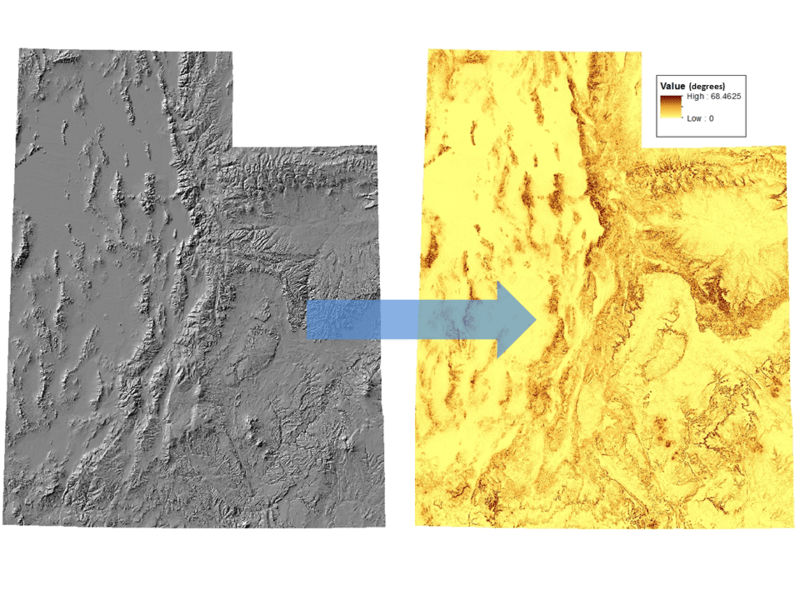
“How does geospatial software estimate the slope of maps?”

Slope analysis is extremely useful for numerous geospatial applications ranging from housing placement to wildfire risk estimation. However, how exactly is the sloe calculated? Well, what geospatial software usually does is take each data point of height and compare it to its eight neighbors to estimate the height difference. This is how Geospatial Slope Estimation is performed.

Image credit http://wiki.gis.com/

How Dry Lightning Causes Wildfires

How Dry Lightning Causes Wildfires

How Dry Lightning Causes Wildfires

08/22/20

“How can dry lightning cause wildfires?”

Although lightning usually occurs during rainfall, it can occur in dry weather as well. If this dry lightning hits a dried out region, then this could ignite into a wildfire. This is How Dry Lightning Causes Wildfires.

Why Building Dense Development Near the Ocean Can Improve Heat Resilience

Why Building Dense Development Near the Ocean Can Improve Heat Resilience

Why Building Dense Development Near the Ocean Can Improve Heat Resilience

08/21/20

“Why will building dense development near the ocean improve heat resilience?”

The Earth’s climate is definitely becoming hotter. And this is even more true in regions further inland, where temperatures can build up even more. Soon enough, some of these locations may become uninhabitable. To solve this, we can put more people in dense development near the ocean (but outside of sea-level rise and storm surge zones) to live in cooler more accessible weather. This is Why Building Dense Development Near the Ocean Can Improve Heat Resilience.

Designing Communities for Wildfire

Designing Communities for Wildfire

Designing Communities for Wildfire

08/19/20

“How can we design communities for wildfire?”

As the wildlife-urban interface expands due to the advent of climate change, communities are going to become more and more enveloped in wildfire-prone territory. Although many individuals advocate for a full-scale retreat of such areas, it may not be necessary. Instead, we can mold our communities specifically around wildfire resilience using practices such as housing retrofits, planting native vegetation, and implementing buffer zones. This is how we can go around Designing Communities for Wildfire.