Waterborne Diseases
04/12/20
“How can diseases spread through water supplies?”
Diseases try to transmit to new organisms as much as possible. Ones that do so through water are called Waterborne Diseases.
"Wisdom begins in wonder" – Socrates
Month: April 2020

Waterborne Diseases
04/12/20
“How can diseases spread through water supplies?”
Diseases try to transmit to new organisms as much as possible. Ones that do so through water are called Waterborne Diseases.
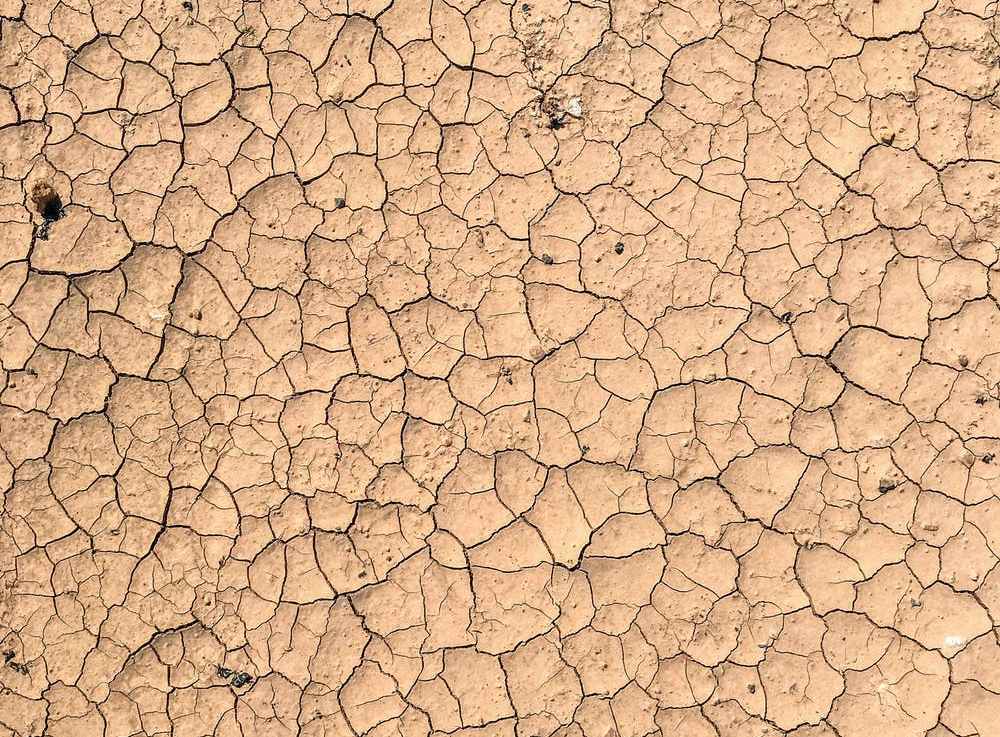
Why Droughts Are Bad for Groundwater Recharge
04/11/20
“Why are droughts bad for groundwater recharge?”
A lot of groundwater supplies rely upon rain to recharge its supply. However, when a drought occurs, this source may dry up and groundwater levels will suffer. This is Why Droughts Are Bad for Groundwater Recharge.

Why Telecommuting Can Halt the Transmission of Diseases
04/10/20
“How can telecommuting halt disease transmission?”
Diseases can be extremely infectious, hopping from one person to another indiscriminately. However, if people can isolate themselves from one another, then the disease will have no transfer medium. Telecommuting can help facilitate this by allowing workers to stay home from their office, sparing others of potential sickness. This is Why Telecommuting Can Halt the Transmission of Diseases.
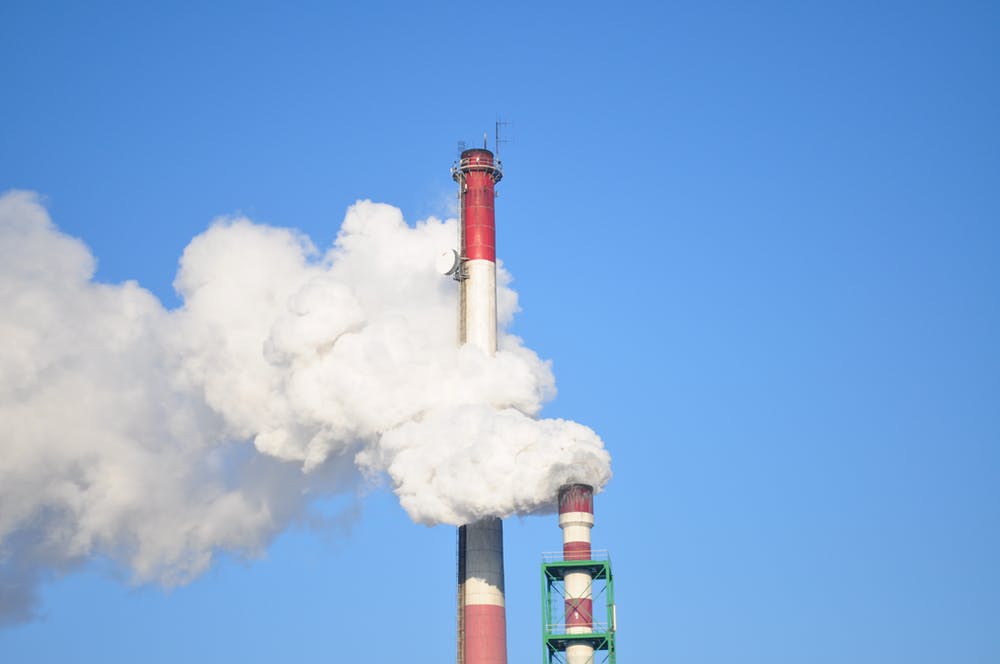
The Correlation Between Carbon and Pollution Emissions
04/09/20
“What is the correlation between carbon and pollution emissions?”
When many think of the word “emissions” either CO2 or particulate matter come to mind. Although it would be easy to think of these as separate phenomena, they are actually closely intertwined, since noxious chemicals can release both at once. This is why there is a Correlation Between Carbon and Pollution Emissions.
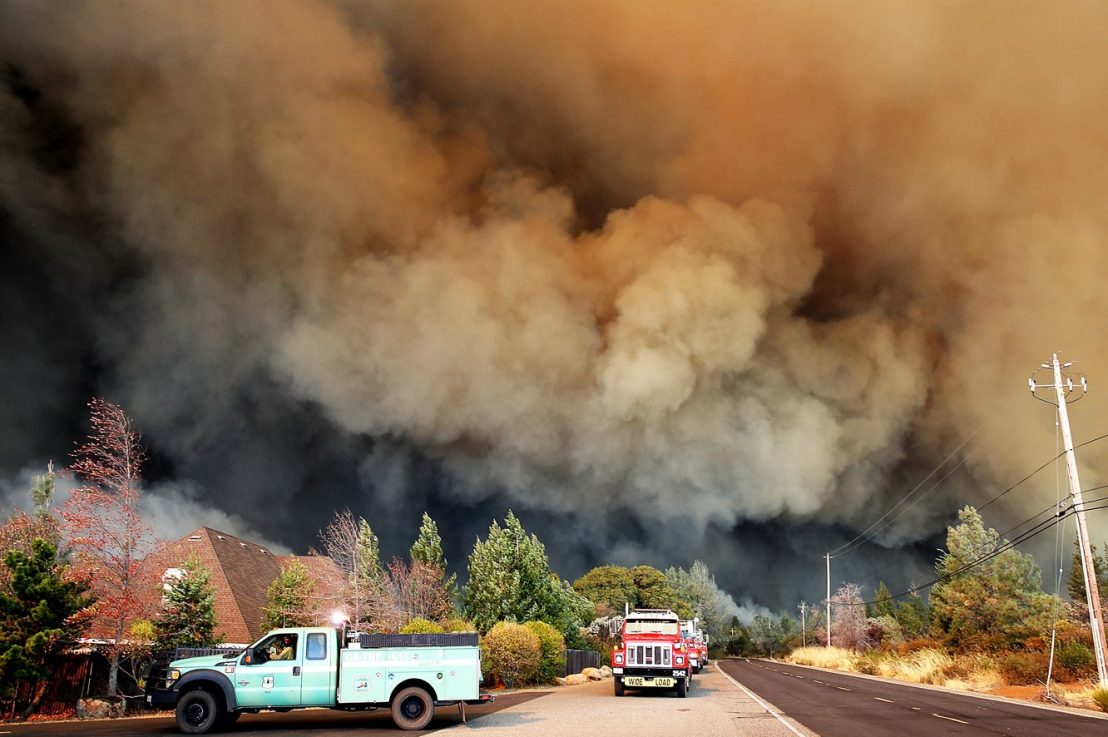
Why WUI Maps Need to Take Into Account Wind Effects
04/08/20
“Why do wildfire maps need to take into account the effects of wind?”
Wildland-urban interface maps are pivotal for community planners, emergency managers, and policymakers to understand their community’s vulnerability to wildfire. However, seldom do these take into account wind, which holds the potential to spread fires beyond the natural wildland-urban interface. This can be a critical factor and needs to be taken into account. This is Why WUI Maps Need to Take Into Account Wind Effects.
Image credit media.wired.com

Hospital Surge Plans
04/07/20
“How can hospitals plan for a sudden surge of patients?”
Hospitals during emergencies (such as during the COVID epidemic) can expect a sudden surge of patients. To prepare for this, these facilities will need a Hospital Surge Plan. These can include rapidly recruiting medical workers, procuring a massive amount of hospital beds to increase hospital capacity, and establishing communication protocols.
Image credit cdn.vox-cdn.com

Migration as Adaptation
04/06/20
“How can adaptation come in the form of migration?”
With the advent of climate change, certain regions of the world are going to become less habitable and certain regions will become more. This new imbalance will mean that people may have to migrate to a new area to be safer from climate change. One illustration of this can be found in Indigenous Alaskan village relocation, where villagers are moving their entire community to new land to escape sea-level rise. This is why Migration as Adaptation is a very useful concept.
Image credit worldatlas.com

Hospital Capacity
04/05/20
“What are the limits to hospital capacity?”
Hospitals, like all pieces of physical infrastructure, have a certain capacity associated with them. Holding a limited number of beds and critical care infrastructure, if too many patients arrive at the same time then a surge plan might be enacted or patients might be diverted to other hospitals. This is why Hospital Capacity is so important.
By Marina Baracos
4/5/2020
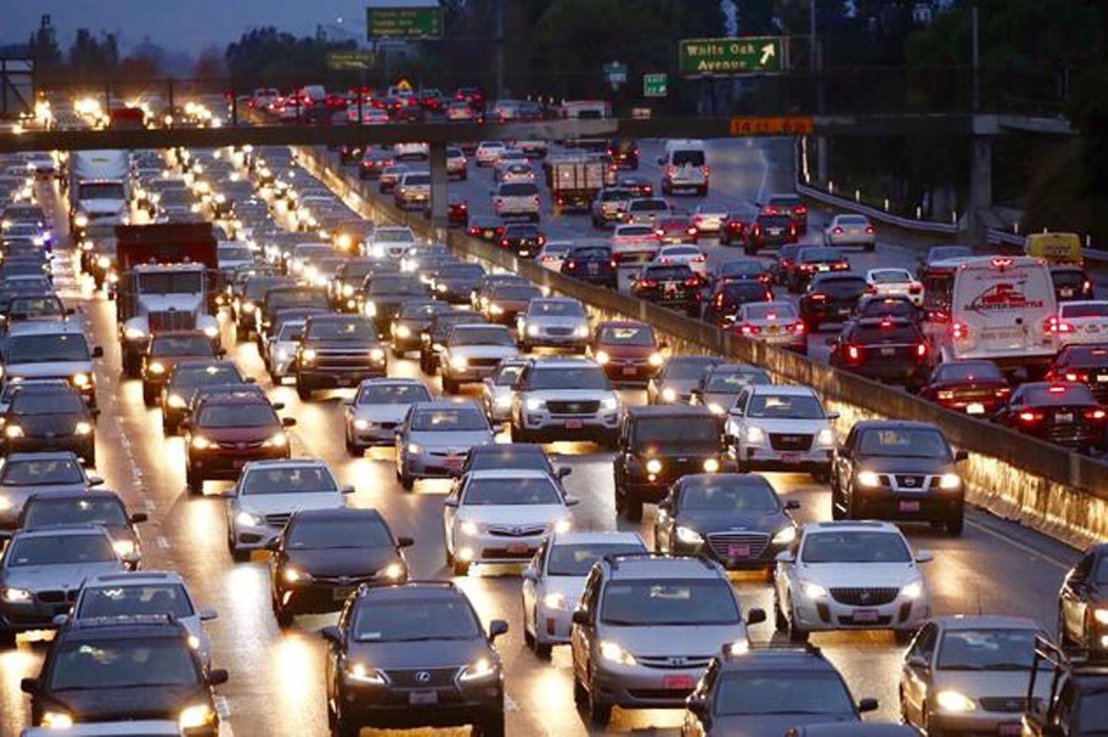
Shifting the modern transportation paradigm to a more sustainable model is one of the most pressing issues in the field of Engineering. Two nations that are the primary focus of the issue are the United States and the People’s Republic of China. In many ways, these two countries are at two different ends of the spectrum of this issue. The United States is experiencing a transportation crisis due to the fact that the ratio of cars outnumbers that of people, and the infrastructure is ill-suited to the current number of cars on the road, (List of countries by vehicles per capita, WorldLibrary.org, 2018), a result of a prolonged period of mass suburbanization. Consequentially, the way the U.S has built its cities is centered around the idea that the car is required for even the most simplistic errands. Therefore, the need for more cars and long-distance transportation is built into the city structure, vastly increasing carbon emissions. However, in China, the exact opposite problem is unfolding, with a population density being so high that it is very difficult to have even a few cars on the road without there being major safety concerns. Pollution is already a major concern within many Chinese cities, and the air quality is so poor the many citizens have to wear face masks on a daily basis to avoid the inhalation of particulate matter. In each case, the transportation infrastructure is ill-suited to the population and the methods of mobility that are currently being used. Therefore, significant changes in structure must be made in order for these major powers to change their efficiency in a way that allows for the creation of a sustainable and resilient environment for their inhabitants.
I believe that a method of fixing overcrowded transportation would lie in reducing the size of the transport used in large cities. Not only would this fix the problem of our infrastructure being unable to support so many large vehicles, but it would also provide a method of transportation that is more efficient than walking or biking to individuals who are unable to purchase or drive a car. The ideal form for this type of transportation would be a moped. A moped is a small vehicle that takes on a form that is similar to that of a motorcycle but is overall more accessible to those who are unfamiliar with riding or unable to ride a motorcycle. Mopeds are much more compact and are overall easier to control and balance. Therefore, it would be beneficial in cities where finding storage and providing opportunities for transportation may be difficult. A standard moped uses a combustion engine to obtain power. Combustion engines are dependent on a fuel substance to catalyze a chemical reaction that powers the engine of a machine, often a car or other vehicle. The fuel, in this case, is the issue, as gasoline emissions from transportation are the number one source of greenhouse gases in the environment. Thus, another energy source must also be a component of solving this issue. (All-Electric Vehicles, Fueleconomy.gov.) In recent years, there have been innovations in batteries that function in the same manner as lithium-ion batteries but use less caustic and environmentally damaging substances, such as saltwater. Within a lithium-ion battery, the polarization of the substance within the battery is transferred between a cathode and an anode, and through this distribution, chemical energy is created and can be stored within the battery. (Battery University, Lithium-ion Safety Concerns. 2018) This can then be released in the form of electrical energy to power what the battery is connected to. In 2017, I was able to speak to Sneha Shanbhag, a Ph.D. student at Carnegie Mellon University, who was working on an environmentally responsible lithium-ion alternative as part of her graduate research. What is beneficial about this type of battery is that it is able to hold an immense amount of energy for its size, making it much easier to produce, transport, and implement within a device, without any immense environmental repercussions. She partnered with a company known as Aquion Energy to develop a working prototype, and, as of July 2017, the battery’s design was still being actively tested for efficiency.
Another component that is a key issue of the transportation crisis is lack of parking. Our current means of transportation are fairly difficult to house effectively, and as the number of cars and these larger vehicles increase, the need to create other establishments such as parking garages also increases. In turn, we may also be increasing our carbon footprint by the removal of natural areas to make way for these structures. With smaller vehicles such as mopeds, storage is not as much of problem, since more mopeds can fit into the space of a parking garage than can cars. By incorporating a means of transportation that occupies less space and rivals the efficiency of larger vehicles, we can aid with both the lack of transportation and the surplus of larger modes of transportation, therefore leading to a more balanced world system and creating more accessibility to those who might not be able to or afford to drive a car.
In conclusion, the issue of transportation is one that affects the world in a drastic manner. While both the United States and China are at polar ends of the issue, implementing a solution for both would require cooperation and development of more compact and more efficient modes of transport. The design of something as compact and readily available as a moped, as well as an efficient and versatile energy source, would be a key way to solve this issue. By implementing a new, more versatile system of transport, we are able to adapt in a way that benefits our current infrastructure and will definitely improve it for our future.
All-Electric Vehicles. (n.d.). Retrieved January 10, 2018, from
https://www.fueleconomy.gov/feg/evtech.shtml
Lombardo, T. (2017, March 05). Your Next Car Will NOT Be Solar Powered. Retrieved January 10, 2018, from http://www.engineering.com/ElectronicsDesign/ElectronicsDesignArticles/ArticleID/14433/Your-Next-Car-Will-NOT-Be-Solar-Powered.aspx.
List of countries by vehicles per capita. (2018, January 05). Retrieved January 10, 2018, from
http://www.worldlibrary.org/articles/eng/List_of_countries_by_vehicles_per_capita
Lithium-ion Safety Concerns. (n.d.). Retrieved January 10, 2018, from
http://batteryuniversity.com/learn/archive/lithium_ion_safety_concerns
 Isaac's Science Blog