Month: March 2020

Why Newer Housing Will Be Necessary for Disaster Resilience

Why Newer Housing Will Be Necessary for Disaster Resilience

Why Newer Housing Will Be Necessary for Disaster Resilience

03/17/20

“Why will new housing be a necessity for disaster resilience?”


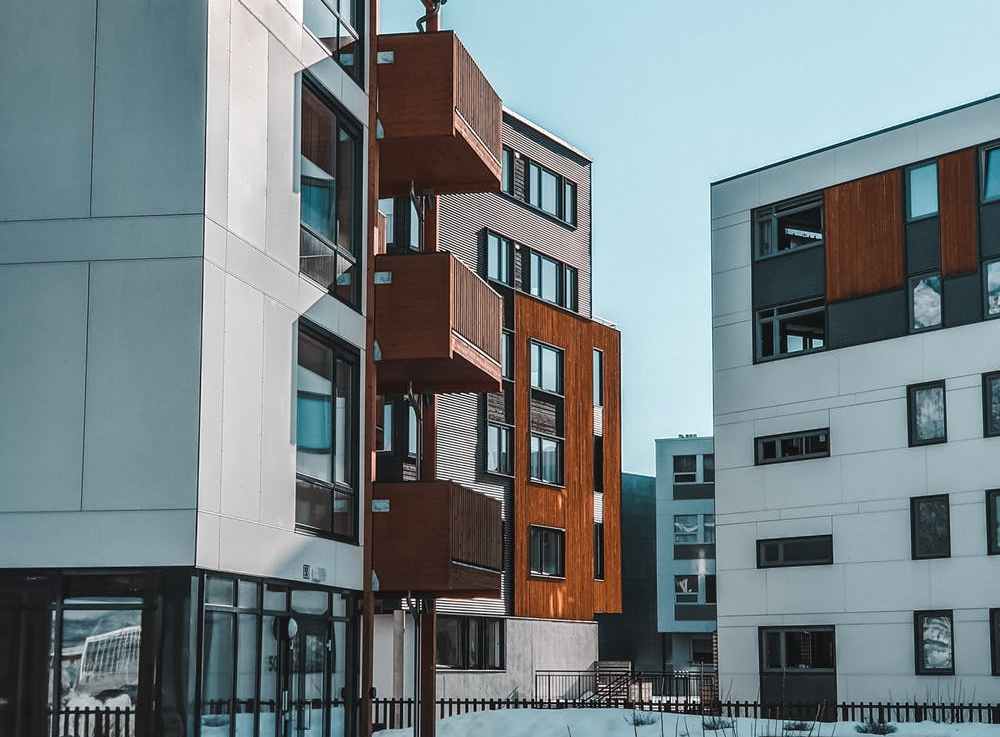
With the ever-increasing level of global interconnectivity and average temperatures, disasters are going to become more deadly. Since the exterior environment might become too dangerous during these times, people may need to stay inside for long periods of time. More modern housing usually ensures greater safety due to updated codes and building materials. For example, more modern housing tends to have better air filtration which can clear out particulate matter that may occur from a wildfire. Newer housing can also be designed to resist and absorb floods that may occur. And in case of a government-mandated quarantine, newer housing can provide a more comfortable living environment. This is Why Newer Housing Will Be Necessary for Disaster Resilience.
How the Coronavirus Epidemic Is Leading to Emissions Reductions

How the Coronavirus Epidemic Is Leading to Emissions Reductions

How the Coronavirus Epidemic Is Leading to Emissions Reductions

03/16/20

“How is it that the coronavirus epidemic is leading to carbon emissions reductions?”


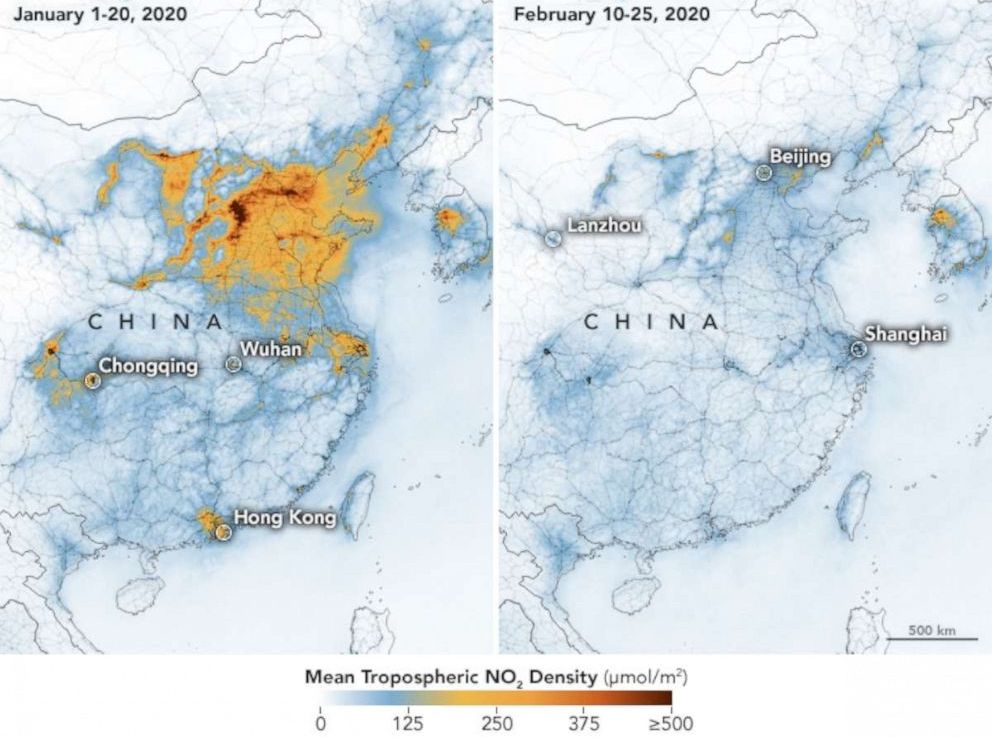
The (at the time of writing) Coronavrius epidemic is causing industries to close, people to stay inside, and economies to grind to a halt. This stopping of economic productions and transit means that fewer resources are being used, leading to carbon emissions reductions. This is How the Coronavirus Epidemic Is Leading to Emissions Reductions.

Image credit abcnews.com

Social Distancing

Social Distancing

Social Distancing

03/15/20

“Why is social distancing an effective method of fighting a contagious disease?”


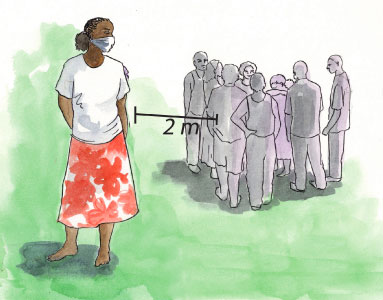
With the (at time of writing) ongoing Coronavirus epidemic, governments and institutions around the world are urging people to practice Social Distancing from one another. Social distancing is when individuals of a population will keep a certain distance from others at all times (in the case of the Coronavirus about 2 meters/ 6 feet). By ensuring that individuals who might be carriers of the disease stay away from others, it can be effectively contained.


Image credit ideadesign-dc.com

COVID-19

COVID-19

COVID-19

03/14/20

“What exactly is the novel Coronavirus and why is it so deadly?”


As of writing, the entire world seems to be in a panic. A new infectious disease has been spreading, prompting entire countries to shut down travel and impose quarantines. But what is the root Well, this is from a new virus that has been spreading around. The Coronavirus disease 2019, often referred to in professional circles as COVID-19, is a virus that is thought to have an animal-origin which gives infected individuals flue-like symptoms such as fever, dry cough, and fatigue. Since older individuals have a fairly high death rate (around 15%) and it can spread fairly easily from person-to-person, governments are taking extra precautions and mandating extreme isolative measures to prevent further spread.

Image credit www2.deloitte.com

Why Weather Prediction is Critical for Farming

Why Weather Prediction is Critical for Farming

Why Weather Prediction is Critical for Farming

03/13/20

“Why is weather prediction so important for farming?”


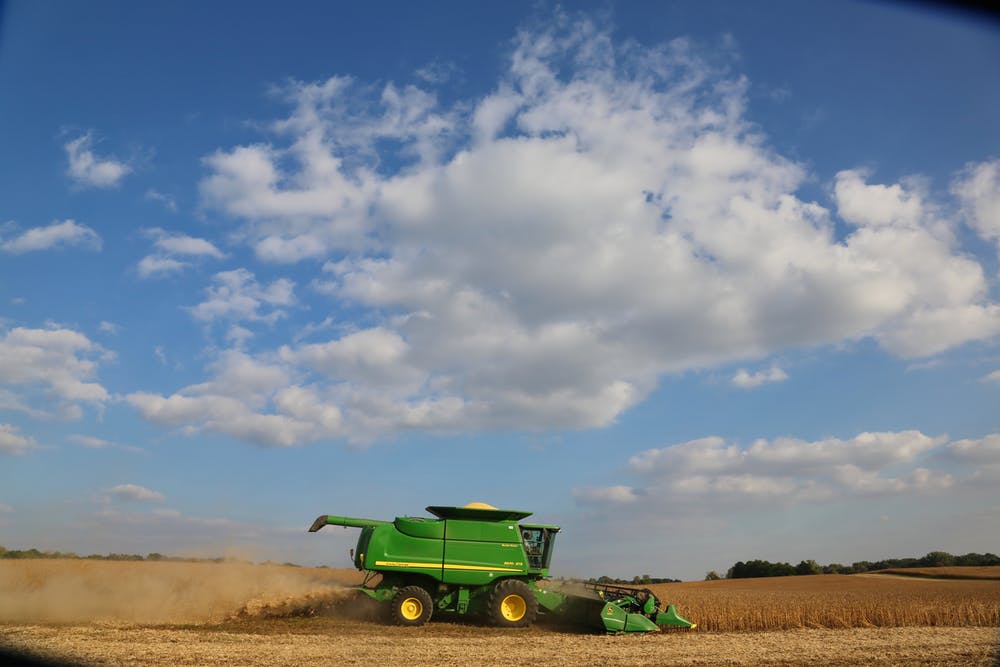
Plants grow according to the availability of sunshine and water. This makes them dependent on the whims of the environment. To help make the amount of produce necessary for the modern world, weather prediction has become an essential tool in optimizing the amount of produce and sensing whether or not bad environmental conditions are to ensue. This is Why Weather Prediction is Critical for Farming.

Why Utilities Should Trim Trees Near Roads for Wildfire Resilience

Why Utilities Should Trim Trees Near Roads for Wildfire Resilience

Why Utilities Should Trim Trees Near Roads for Wildfire Resilience

03/12/20

“Why should utilities trim trees near the road for wildfire resilience?”


Utility lines often run near roads. Trees and other foliage also grow in close proximity. If these interact too much, a wildfire can occur. Cutting down the nearby foliage can reduce this potential loss. This is Why Utilities Should Trim Trees Near Roads for Wildfire Resilience.

Image credit cdn.vox-cdn.com

How Stricter Building Codes Can Drive New Markets

How Stricter Building Codes Can Drive New Markets

How Stricter Building Codes Can Drive New Markets

03/11/20

“How can enforcing stricter building codes open up new markets?”


When building codes become stricter, many housing units will need retrofits or new appliances will need to be made. This can induce demand for a product and in effect open up new markets. For example, by requiring new residential buildings to have tighter wire meshes, these new models will become a hot commodity. This is How Stricter Building Codes Can Drive New Markets.

Why Climate Resilience and Adaptation Need to Recognize and Correct Past Injustices

Why Climate Resilience and Adaptation Need to Recognize and Correct Past Injustices

Why Climate Resilience and Adaptation Need to Recognize and Correct Past Injustices

03/10/20

“Why does anyone working in resilience and adaptation need to help recognize and correct past injustices?”


Great injustices of the past (and present) have thrust marginalized communities into shakier economic and environmental foundations. And with the advent of climate change, these inequities will only be amplified, whether it be through forced migrations of climate gentrification or inequal access to cooling. Because of this, resilience and adaptation professionals will need to understand what injustices have been caused and work to correct them. Only through this can we understand the problems that face communities and make a truly resilient and sustainable future. 

How Higher Gas Prices Can Lower Emissions

How Higher Gas Prices Can Lower Emissions

How Higher Gas Prices Can Lower Emissions

03/09/20

“How can higher gas prices lower carbon emissions?”


Gas quite literally fuels much of our civilization. Whether it be the cars we drive or the planes we fly, gasoline makes us move. Since gas is a commodity, it has a price to it. And when the prices become higher, the more necessary it will be to conserve. As a result, higher gas prices cause people to burn less fuel and therefore fewer emissions into the atmosphere. This is How Higher Gas Prices Can Lower Emissions.