Tag: Water

Urban Flooding

Urban Flooding

Urban Flooding

06/29/19

“How does flooding in urban areas occur and how does it damage infrastructure?”

Floods occur when there is an overflow of water in an area that is usually dry. This can occur in urban areas as well, usually caused by too much rainfall or a burst in storm control infrastructure. Urban Flooding can wreak havoc on communities and cost upwards of billions of dollars in damages. 

Boiler Feed Water Treatment Systems

Boiler Feed Water Treatment Systems

Boiler Feed Water Treatment Systems

06/24/19

“Why do we need to treat water before being sent into boilers?”

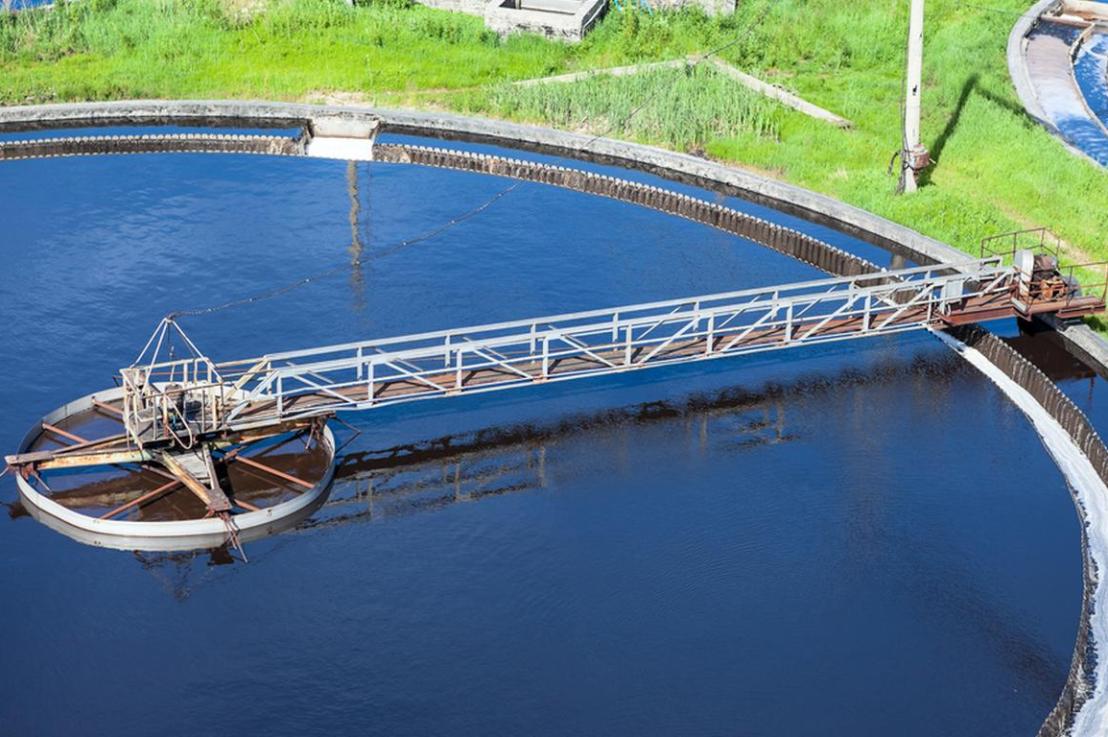
As apart of the water treatment process, water needs to be boiled. However, incoming water after raw water filtration may be contaminated with impurities, which could damage the infrastructure of the boilers. As a result, the incoming water will first need to go through Boiler Feed Water Treatment Systems in order to work properly. 

Image credit http://www.samcotech.com

Industrial Water Treatment Plants

Industrial Water Treatment Plants

Industrial Water Treatment Plants

06/21/19

“How is water treated on the industrial scale?”

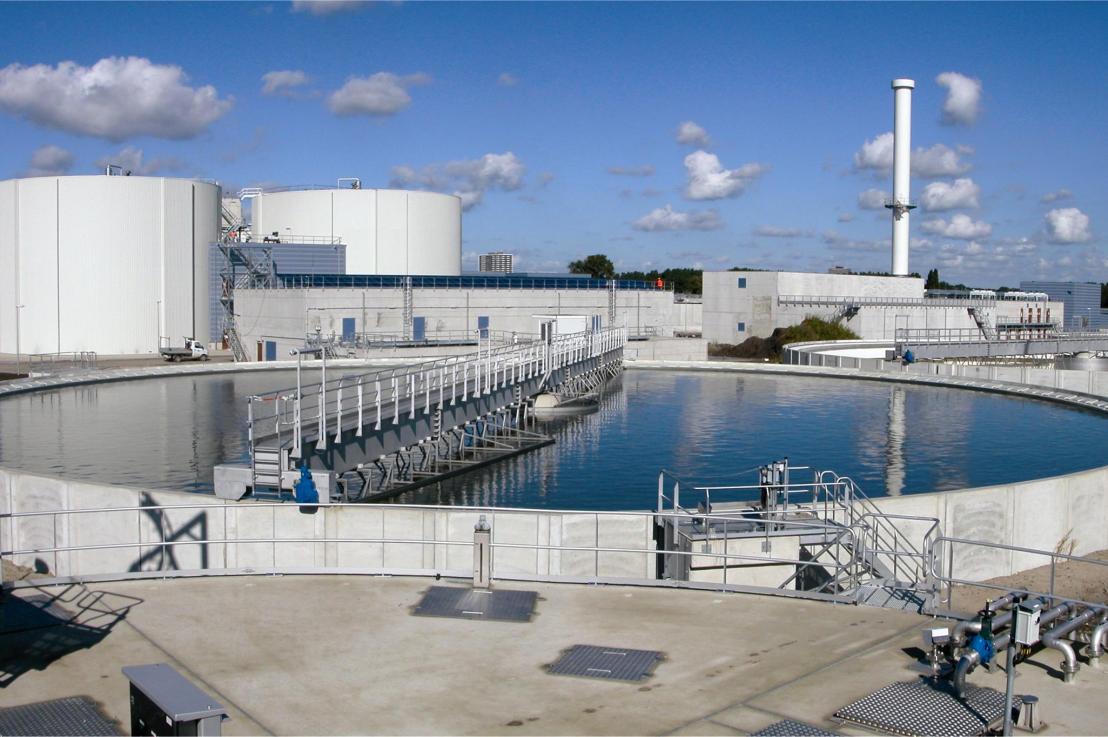
Water treatment is vital for industrialized civilization. However, in order to have it on a massive scale, special facilities will need to be used. This can be accomplished through Industrial Water Treatment Plants, where massive scales of water can be fed in and cleansed. These systems are typically kept close enough to municipalities so they can provide quick service but far enough away where they won’t be able to cause too much pollution to people’s lives.

Image credit http://en.kocaeliaritma.com/wp-content/uploads/2018/10/end_aritma2.jpg

Brine

Brine

Brine

06/19/19

“What happens when water has a super-high concentration of salt?”

It is hard for humans to digest water with salt mixed in. So when water has an ultra-high concentration of salt, it takes on interesting properties. The salinity of this Brine can be used for food-processing, de-icing roads and structures, and as a refrigeration fluid. Brine is one of the myriads of chemicals that allows our modern world to work.

Image credit http://files.recipetips.com

Brine from Desalination

Brine from Desalination

Brine from Desalination

06/16/19

“Why is Brine created from desalination?”

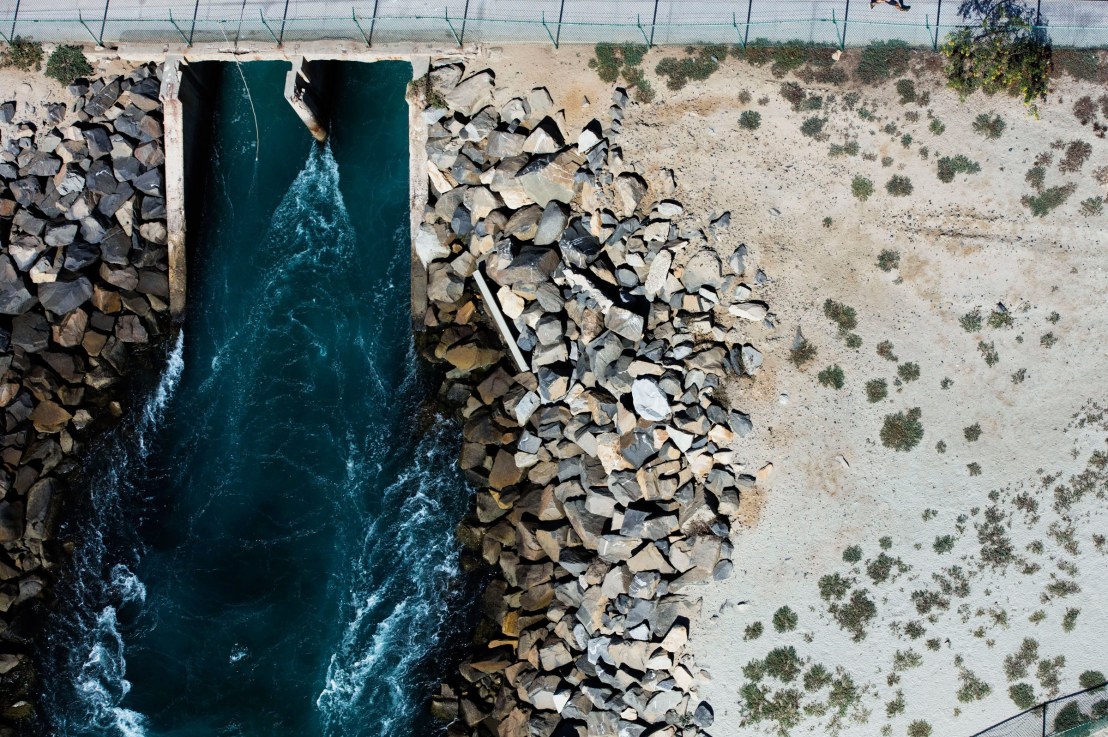
Desalination is one of the lifelines for many water-poor countries, whether it be in the Middle-East, South Asia, or Western North America. However, during the process of creating more drinkable water, a portion of brine is also created as a byproduct. One of the most pressing challenges for policy-makers, scientists, and engineers is to find out what to do with this Brine from Desalination.

Image credit media.wired.com

Water Treatment

Water Treatment

Water Treatment

06/14/19

“How can we make water safe to drink?”

Water is one of the most important resources for humans. However, before it can be drunk, it must be treated to ensure quality. Through a multitude of processes, Water Treatment can ensure the safety of drinking water.

Image credit http://www.solvay.comImage credit

Greywater

Greywater

Greywater

09/23/18

“How can we classify wastewater without fecal matter?”


Water is used in homes for all sorts of purposes. Whether it be for taking showers, flushing the toilet, or even washing clothes, water is apart of the equation. But can we reuse any of this water once we’re done with it? Well, as long as there are no biohazards such as feces in it, we can recycle it as Greywater for other purposes. Reusing Greywater is one of the most powerful actions a community can take to increase their sustainability.

How to make faucets more sustainable

How to make faucets more sustainable

How to make faucets more sustainable

Isaac Gendler

06/15/17

“How can we make our faucets more sustainable?”


I want you to think about something. What exactly do you use to clean yourself after you have used the restroom? Well, if you live in a developed country, then you probably immediately think of faucets. Quite simply, without faucets, we would be unable to function in our daily lives! However, as engineers, we must always think more critically not just about the outputs of a system but the inputs as well. Specifically, faucets use water for their operation. And since water is an increasingly finite resource (especially in dry areas such as California), how can we modify these mechanisms to be more sustainable? Well, believe it or not, there is a very simple solution for this, having the faucets use less pressure! When less pressure is used, a smaller volume of water will be transported, thereby using less water!