Tag: Climate Change

How Climate Change is Making Hurricanes More Dangerous

How Climate Change is Making Hurricanes More Dangerous

How Climate Change is Making Hurricanes More Dangerous

09/14/18

“How is Climate Change making Hurricanes more dangerous?”


With the advent of Hurricane Florence in the Eastern U.S, I think I should give a short explanation about how climate change exacerbates hurricanes. When the Earth’s temperatures become warmer than the air will hold more water vapor and the oceans will heat up and expand. When hurricane storms strike through the ocean, they will pick up more rain and move at a much faster pace. This ends up making hurricanes much more powerful and destructive. Reflecting, I think that this is just another reason we should invest in sustainable infrastructure and Climate Change Resilience.

The Trans Bay Cable and Why it is Important

The Trans Bay Cable and Why it is Important

The Trans Bay Cable and Why it is Important

09/12/18

“What is the Trans Bay Cable and why is it so important for the city of San Francisco?”


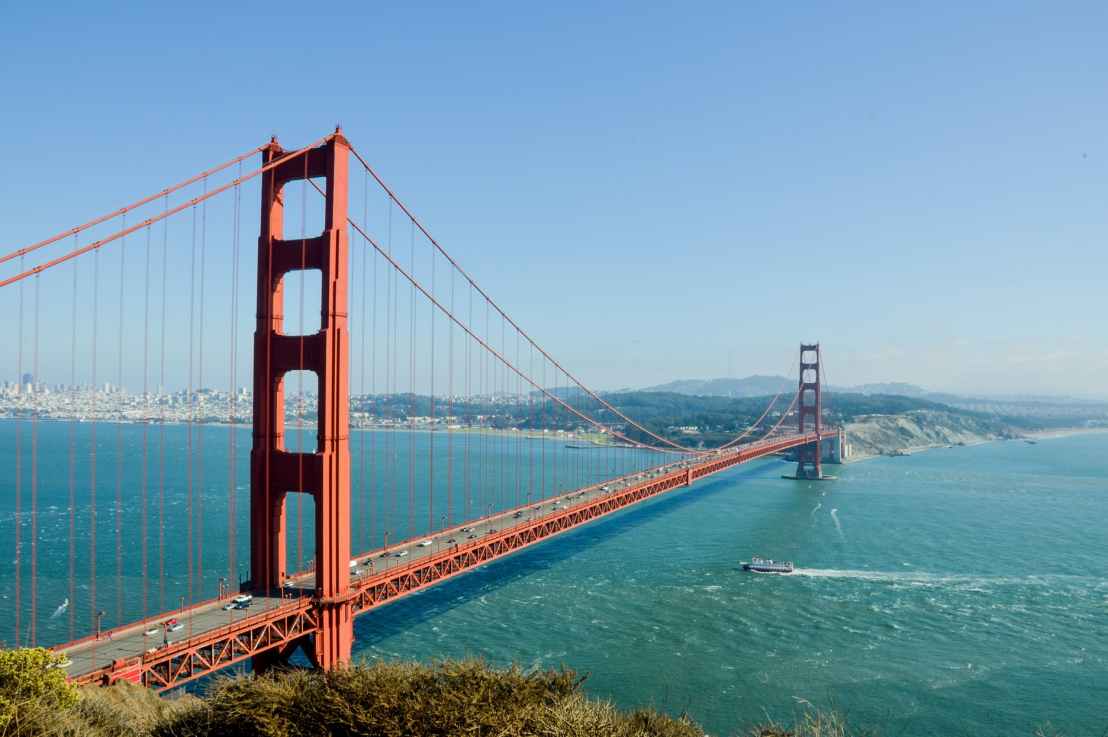
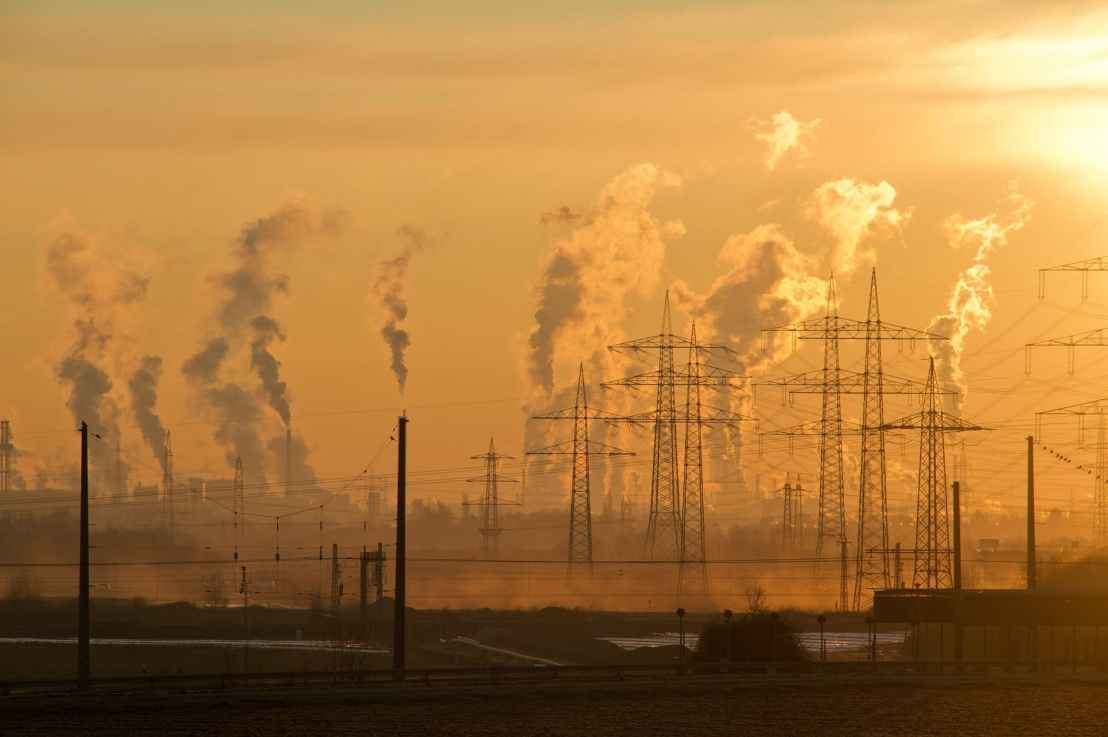
Grid transmission projects are everywhere where there is a need for electricity. But some are more important than others. Before 2010, the city San Francisco and its southern peninsula were subject to wild grid fluctuations and had to rely on dirty power plants in the center of the city due to its relative geographic isolation from the rest of the state. But soon enough a need for a connection was realized, and The Trans Bay Cable was produced as a result. The Trans Bay Cable is an HVDC current underwater cable that connects San Francisco, California and Pittsburg, California in the East Bay. The cable can provide up to 400 megawatts of power at a DC voltage of ±200 kV( around 40% of San Francisco’s peak power requirements). Once this was completed, San Francisco was able to shut down its central power plants, improving the air quality and carbon emission portfolio of the city. It just goes to show how a little bit of grid planning can make such a huge difference!


Image credit Transbay.com

California might be 100% Carbon-Free by 2045

California might be 100% Carbon-Free by 2045

California might be 100% Carbon-Free by 2045

09/07/18

“Will the world’s 5th largest economy be carbon-free by 2045?”


States around the world are launching bolder and bolder Renewable Energy targets. But one place might be shattering the all-time record. California, the 5th largest economy in the world, has recently passed in its Assembly SB 100, which mandates that the state must achieve 60% renewables by 2030 and 100% by 2045! If this passes the Senate and gets the Governor’s signature then this idea will become reality!

How Accurate Weather Prediction can Help Grid Resiliency

How Accurate Weather Prediction can Help Grid Resiliency

How Accurate Weather Prediction can Help Grid Resiliency

09/06/18

“How can weather forecasts help stabilize the grid?”


Weather forecasts have become apart of our daily lives. But did you know that they can also help with grid resiliency? By being able to forecast the future, we can obtain how large our cooling loads will have to be. And with this knowledge, we can get ancillary reserves ready when the time comes. This way, Accurate Weather Prediction can Help Grid Resiliency!


Some thoughts on how the peculiar but personal effects that Climate Change has had on me

Some thoughts on how the peculiar but personal effects that Climate Change has had on me

Some thoughts on how the peculiar but personal effects that Climate Change has had on me

09/02/18

“A small little note on Climate Change”


Right now in the United States it’s Labor Day Weekend. For many people this means an extra day off to finally relax or catch up on work. But for me it has become a personal reminder of how climate change has affected my life.


Last year, I decided to celebrate by having a lot of fun hanging out at First Fridays in Oakland and cruising down Russian River in Sonoma County. But this was during the greatest heatwave the San Francisco Bay Area had experienced on record. Once the weekend was done I had to travel over 70 kilometers (45 miles) from Berkeley to San Jose on public transportation. The air conditioning (AC) systems onboard malfunctioned, leading me to becoming greatly dehydrated. This condition was only exacerbated when I had arrived at my living space with no AC. Within a few hours, my medical condition had destabilized, leading to a series of painful events that ended with me being thrust into the emergency room for the first time in my young life.

When I had returned home, I had to recover by being in a cooler environment. This meant being stranded in the only room with working air conditioning. However, the water fountain and restrooms were in a completely different room, requiring me to travel. I soon noticed how the temperature would vary widely from room to room, and how if I had left my one area of the house I would be in extreme pain.

In this dark episode, I had came to a stark conclusion. As global temperatures rise, people will become more dependent on their climate control systems. The more these processes are used, the more electricity will be used. If this electricity comes from a non-renewable source, the global temperatures will further rise, making people even more dependent on air conditioning. This creates a positive feedback cycle that will only cause further suffering.

This weekend has brought in much of the same experience. Again there are abnormal climate conditions.  Again I have gone up to Berkeley to see friends. Again I am sick. Again the bad climate has exacerbated my conditions (the air pollution from the wildfires have worsened my runny nose considerably). And heck again I have even eaten too much!


Just a few personal notes on how Climate Change has affected my life.


How Building-Integrated PV Can Increase Climate Resiliency

How Building-Integrated PV Can Increase Climate Resiliency

How Building-Integrated PV Can Increase Climate Resiliency

08/21/18

“How do solar panels on buildings increase climate resiliency?”


With the advent of exacerbated global catastrophes, climate change resiliency must be built into all of our critical infrastructure systems. One facet is this is to reduce the reliance on long-distance transmission for electricity and carbon-intensive energy sources. One way to do this is to implement building-integrated solar PV. with BIPV systems, clean energy can be generated on site (allowing for off-grid power use even in the case of a blackout), and the need for transmission lines will be reduced (fewer transmission lines can reduce the potential for wildfires). In short,  Building-Integrated PV Can Increase Climate Resiliency.


What is causing the California Wildfires and What Can We Do About It?

What is causing the California Wildfires and What Can We Do About It?

What is causing the California Wildfires and What Can We Do About It?

08/19/18

“Why are there so many wildfires in California now and how can we fix them?”


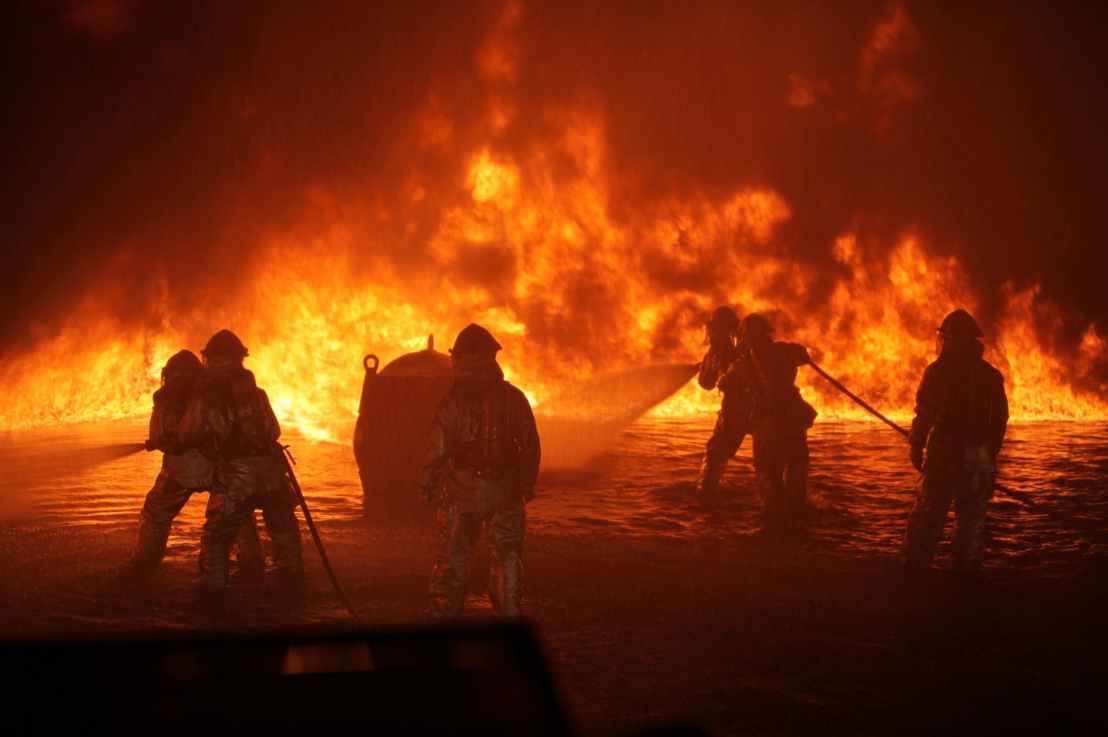
I love living in Northern California. Whether it be the myriad of different natural wonders I can visit, the passionate people who want to change the world, or the wealth of scientific opportunity that is available. But things are definitely changing and it’s not just the housing prices. It seems like wildfires are becoming more frequent and even more deadly. And the statistics say that this isn’t just my intuition. 13 of the 20 greatest fires in recorded Californian history have taken place since the turn of the millennium, and the average cost to fight them has only grown.


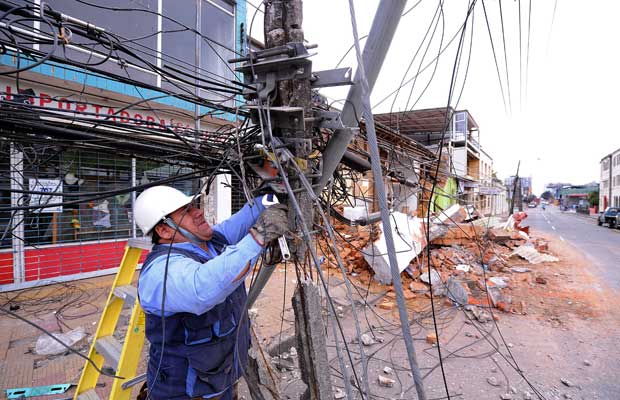
Why is this happening? There are many reasons. Increasing temperatures and decreasing rainfall have left much of the state arid and prone to combustible accidents. Aging transmission infrastructure has resulted in power lines becoming more prone to failure, often times resulting in a fire occurring. Suburban sprawl has also led to overdevelopment in fire-prone areas. 


So what can we do about this? Well, we can adapt our infrastructure and society to climate change to increase our resilience to climate change. This can be accomplished by repairing grid lines, restricting development in fire-prone areas, and reducing reliance on the grid through distributed energy resources such as building integrated solar. If California can take action to solve these problems, then it can provide an example for other areas facing similar catastrophes such as Portugal and India to follow. Only through these actions can we ensure the safety of our society.

The fact that I couldn’t see the Santa Cruz mountains from San Jose or breathe the fresh marina air in Berkeley in the way I used to take for granted troubles me greatly. I want to ensure that the next generation will have the same privileges I had during my early years in the Bay. 

Resilience Outcomes

Resilience Outcomes

Resilience Outcomes

08/01/18

“How can we evaluate resilience performance?”


Resilience Performance is great for seeing how well a system can cope with sudden disasters. However, sometimes we will also need to analyze how effective its response is. This is where we can apply the metric of Resilience Outcomes. Common examples of Resilience Outcomes include reduced damage from disasters and resumed economic activity growth.

Resilience Performance

Resilience Performance

Resilience Performance

07/31/18

“How can we quantify what is produced by critical infrastructure systems?”


Critical Infrastructure Systems are one the most important bedrocks of society. However, how can we apply a metric to quantify its outputs? Well, by applying something known as Resilience Performance, we can evaluate a system’s output. Examples of Resilience Performance include energy produced by solar panels or their fault tolerance. Resilience performance is commonly used to evaluate Resilience Capabilities.