Category: Urban Systems

Blue Roofs

Blue Roofs

Blue Roofs

12/18/25

“How can we develop roofs designed to store rainwater during storms?”

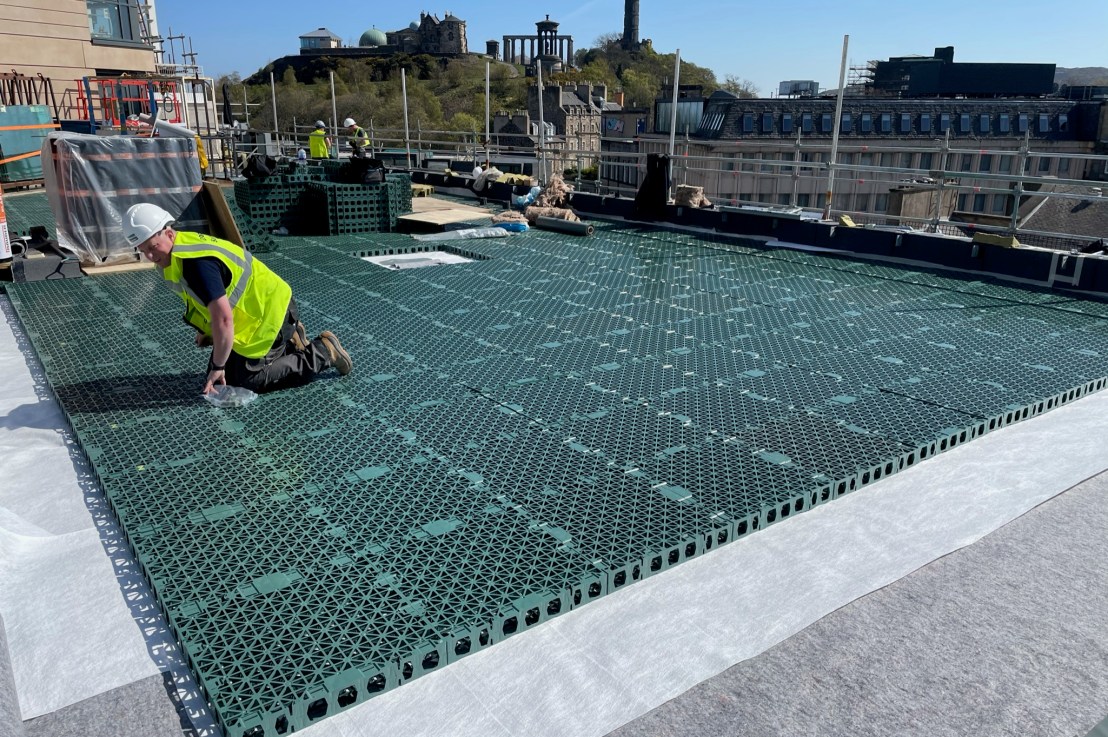
Rainwater during storms will fall on roofs before moving to the ground. If too much water is dumped on the ground, then it might overwhelm local infiltration capacity and flood the area. So what if we were to develop roofs that could hold rainwater during storms and then slowly release and/or evaporate it once the storm has passed? Well, this is the concept behind Blue Roofs. Blue roofs are an excellent asset for flood control. Reducing the intensity of stormwater can decrease the occurrence of combined sewer overflows and increase water conservation.

Image credit: https://abg-geosynthetics.com/
Lot Line Buildings

Lot Line Buildings

Lot Line Buildings

12/17/25

“What makes NYC buildings developed right up to property lines so special?”

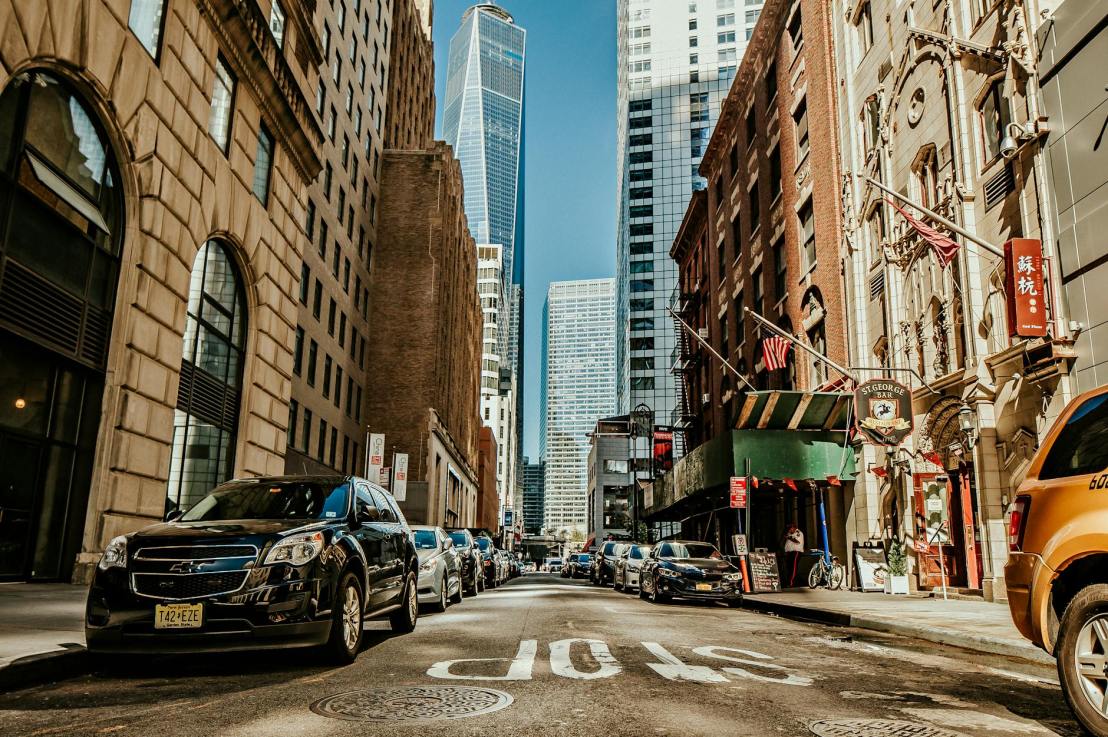
NYC is famous for its tall, dense buildings. One factor that allows for such density is the availability of the Lot Line Buildings designation. Lot Line buildings are buildings developed right up to the property line, maximizing their potential floor space. Adjacent lot-line buildings will stand attached next to each other. Lot line buildings can have different heights from proximate developments, and windows from taller lot line buildings will look down on their neighbors. Because lot line buildings can grow vertically, windows on once-taller floors can get covered up by their neighbors. Potential buyers of lot line buildings must be aware of this factor during selection.

Active Blue Roofs

Active Blue Roofs

Active Blue Roofs

12/16/25

“How can we use active mechanisms to control water on our rooftops?”

Blue roof systems keep water on rooftops until later. Some of these use active mechanisms, such as valve controls, to control when water is stored and when it is released. These Active Blue Roofs are an effective way to keep water from flooding the surrounding area. 

Image credit: https://prod-centiva-blogue-api-uploads.s3.ca-central-1.amazonaws.com/

Limit of Disturbance

Limit of Disturbance

Limit of Disturbance

12/15/25

“How can we define the limit where land disturbing activity can take place?”

Construction activities disturb the land and soil, whether it’s for complex grading or simple excavation. Government bodies typically want construction operators not disturb sensitive areas such as impaired water bodies. One tactic is to set a Limit of Disturbance for construction. The limit of disturbance defines when and where construction activity can take place in light of local vulnerabilities. Limits of disturbance inform construction operators on where they can put construction activity.

MS4 Outfalls

MS4 Outfalls

MS4 Outfalls

12/14/25

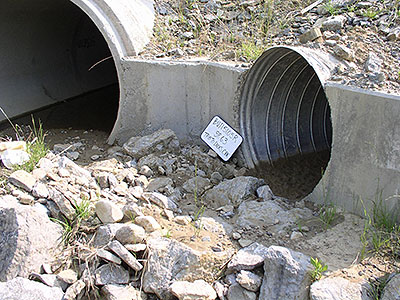
“What are the outflow points for MS4 systems?”

MS4 systems separate wastewater from stormwater. The wastewater is sent to filtration units, while the stormwater is churned into water bodies. The outflows of these areas are termed MS4 Outfalls. Regulatory agencies like the NYC DEP take steps to ensure MS4 outfalls are safe for the surrounding community. 

Pavers (Architecture)

Pavers (Architecture)

Pavers (Architecture)

12/13/25

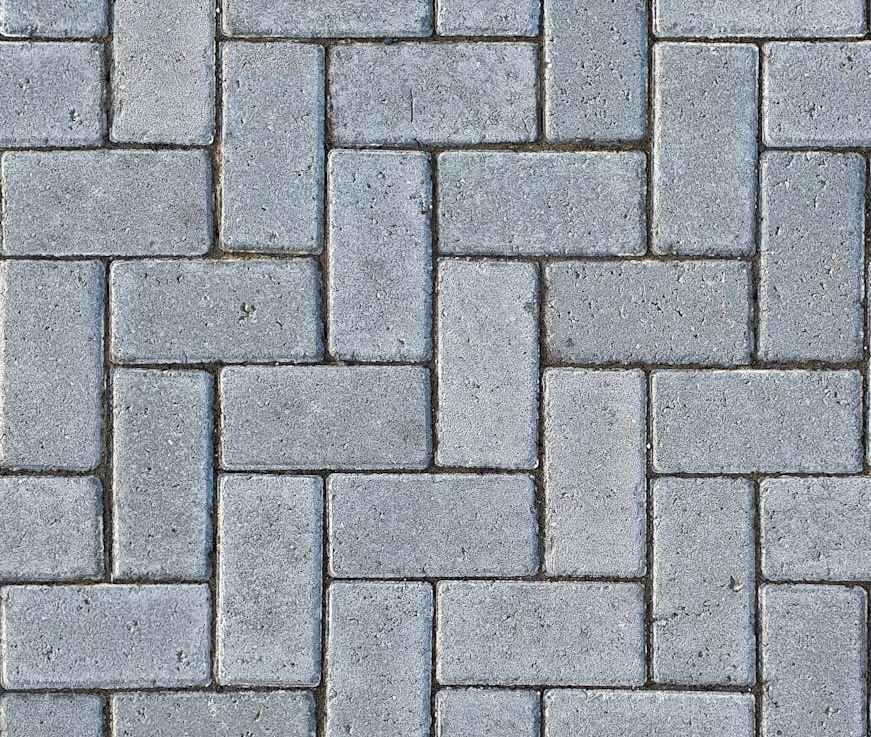
“How can we use small blocks to make beautiful architectural surfaces?”

There are many opportunities for different materials for architectural surfaces. One includes blocks that join together called Pavers. Pavers have discrete spaces between them to make them more modular and allow water to flow between them. Pavers come in all different shapes, sizes, and materials to make for beautiful customization. People can use pavers for a multitude of reasons, from roads to green roof decorations to garden spaces.

Inlet Protection

Inlet Protection

Inlet Protection

12/12/25

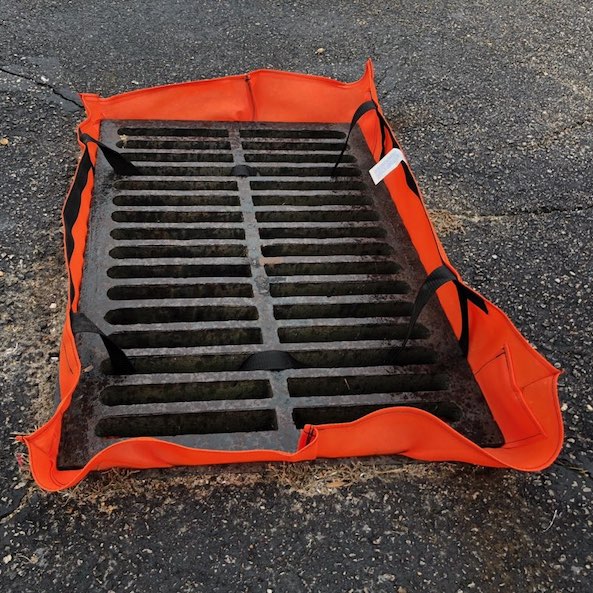
“Why do we need to protect sewer inlets during construction activity?”

Construction activity uproots sediment. This sediment can enter sewer inlets and destabilize piping systems and water bodies. One way to prevent this is to provide temporary Inlet Protection to the site. Construction operators have multiple inlet protection solutions at their fingertips, ranging from filter socks to silt fences to sediment traps. Inlet protection is usually a required component of following through a stormwater pollution prevention plan.

Image credit: https://colonial-materials.com/

Site Connection Proposals

Site Connection Proposals

Site Connection Proposals

12/11/25

“How do new buildings and major renovations in NYC detail how they will connect to the sewer system?”

New York City is the largest and most complex city in the United States. Furthermore, it’s located in a humid climate prone to major storms. Consequently, the sewer system is of vital importance to the city. New developments and major renovations in NYC are required to submit plans detailing how they will connect to the sewers using designs, flow calculations, pipe types, and city infrastructure impact. These Site Connection Proposals must be approved by the NYC Department of Environmental Protection Bureau of Water and Sewer Operations (BWSO). Site connection proposals are critical to maintaining NYC’s public infrastructure safety.

Sewer Operations Volume

Sewer Operations Volume

Sewer Operations Volume

12/10/25

“How can we represent how much stormwater runoff from a building will enter the sewers at peak storm time?”

New buildings can generate large amounts of stormwater runoff if they increase impervious surface. This can overwhelm sewers if they’re not attenuated. To manage this, New York City has developed a concept called Sewer Operational Volume. Sewer operations volume is a volume that must be accounted for to attenuate the flow of a 10-year storm to the city sewers. Sewer operations volume is only met if you restrict flow to the maximum release rate for the site. Regulating sewer operations volume is critical for NYC to protect its residents from the worst impacts of climate change.