Category: Urban Systems

Eco-Industrial Parks

Eco-Industrial Parks

Eco-Industrial Parks

07/05/26

“How can we make industrial parks more sustainable?”

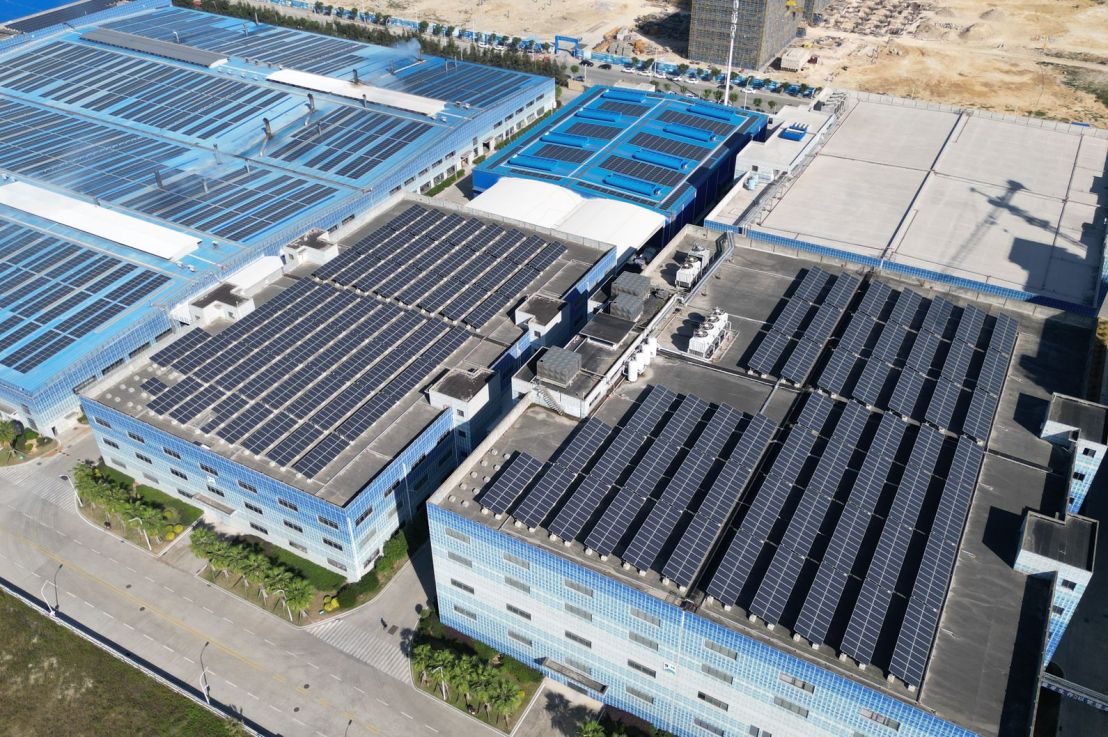
Industrial parks are the foundation of much industrial activity. However, they can also create voluminous amounts of pollution. That’s where Eco-Industrial Parks come in. Eco-industrial parks establish circular economy practices through resource sharing and the reuse of manufacturing byproducts. Eco-industrial parks also strive to harness sustainable energy and reduce inefficiencies. Governments can adopt eco-industrial park strategies to build wealth and industrial capacity while avoiding excess environmental damage.

Industrial Parks

Industrial Parks

Industrial Parks

07/04/26

“How do governments create areas for industrial development?”

Industrial development can be a planning nightmare. It needs to be close enough to major transportation and infrastructure access, but far away enough from residential neighborhoods to shield people from pollution. One way to accomplish this is to designate areas as Industrial Parks. Industrial parks cluster industrial buildings in a specific area for optimal output. Industrial parks can focus on specific industries, allowing different businesses to work together for synergy. Industrial parks typically have industry-specific infrastructure such as high-power electricity lines, dedicated water towers, or commercial rail stops.

Drainage Rings 

Drainage Rings 

Drainage Rings 

07/02/26

“How can we use rings to facilitate floodwater infiltration?”

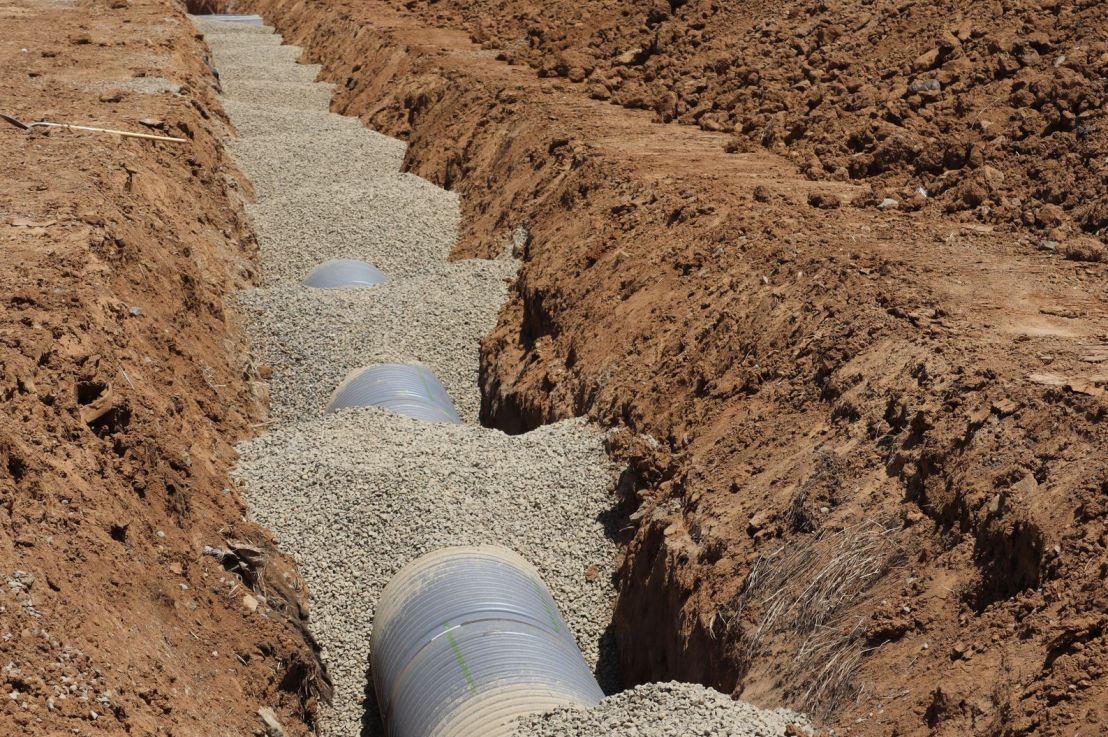
Infiltration can be a very useful stormwater control method. However, too much water impacting the surface at once can overwhelm soil and hinder infiltration. We can address this by placing solid Drainage Rings in the Earth to store water while seeping it out at controlled rates to the surrounding dirt. Drainage rings are commonly surrounded by stone drainage media for additional support. Drainage rings are a central component of drywell systems.

Hypertrophic Lakes

Hypertrophic Lakes

Hypertrophic Lakes

06/30/26

“What is the highest level of algal contamination for lakes?”

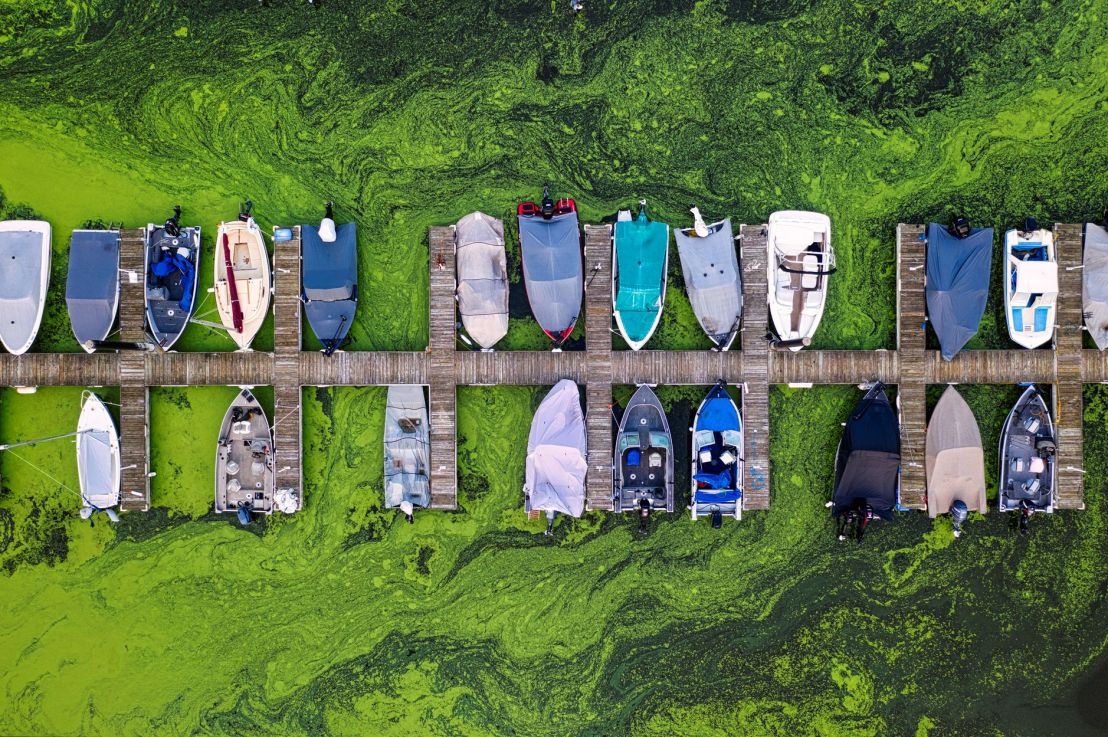
A lake’s trophic state index determines its algal power. Lakes at the highest end of the index (above 70) are classified as Hypertrophic Lakes. Hypertrophic lakes have very poor water quality and low water visibility. Algal overgrowth can be so intense that animals die off en masse from lack of dissolved oxygen.

Drainage Media

Drainage Media

Drainage Media

06/29/26

“How can we use permeable material to improve drainage systems?”

Drainage systems transport water from one place to another. Sometimes, drainage systems will need additional material to improve performance and prevent soil clogging. This usually consists of Drainage Media composed of permeable material, such as crushed stone or plastic media with voids, surrounding the drainage system to assist with infiltration into nearby soil.

Trophic State Index

Trophic State Index

Trophic State Index

06/28/26

“How can we quantify algal bloom intensity?”

Algal blooms in water bodies result from high nutrient load and strong environmental conditions. The associated biological productivity can be measured by the Trophic State Index. The trophic state index captures the amount of light striking the surface of a water body, the concentration of particulate matter, and the physical measuring depth to determine the algal bloom intensity.

Sewer Manholes

Sewer Manholes

Sewer Manholes

06/27/26

“How can we inspect and maintain sewer systems from above ground?”

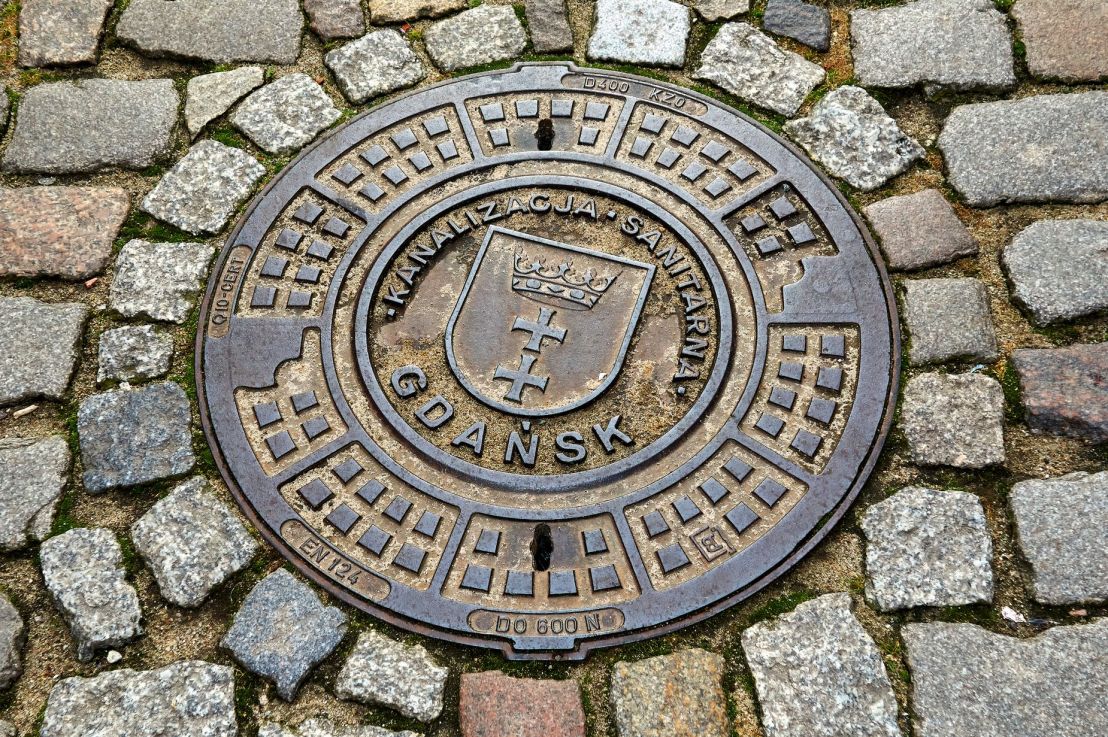
Sewer systems are the foundation of water and wastewater infrastructure for billions of people. Like any piece of infrastructure, they will break down from time to time. What makes repairing them challenging is their underground location. To access them without breaking down the entire system, people have built vertical shafts called Sewer Manholes. Sewer manholes are typically placed at the junctions of different sewer pipes since these are the most failure points in the system. In fact, manholes themselves act as the junction.

Capturing Stormwater for Groundwater Recharge

Capturing Stormwater for Groundwater Recharge

Capturing Stormwater for Groundwater Recharge

06/24/26

“How can we recharge groundwater with stormwater?”

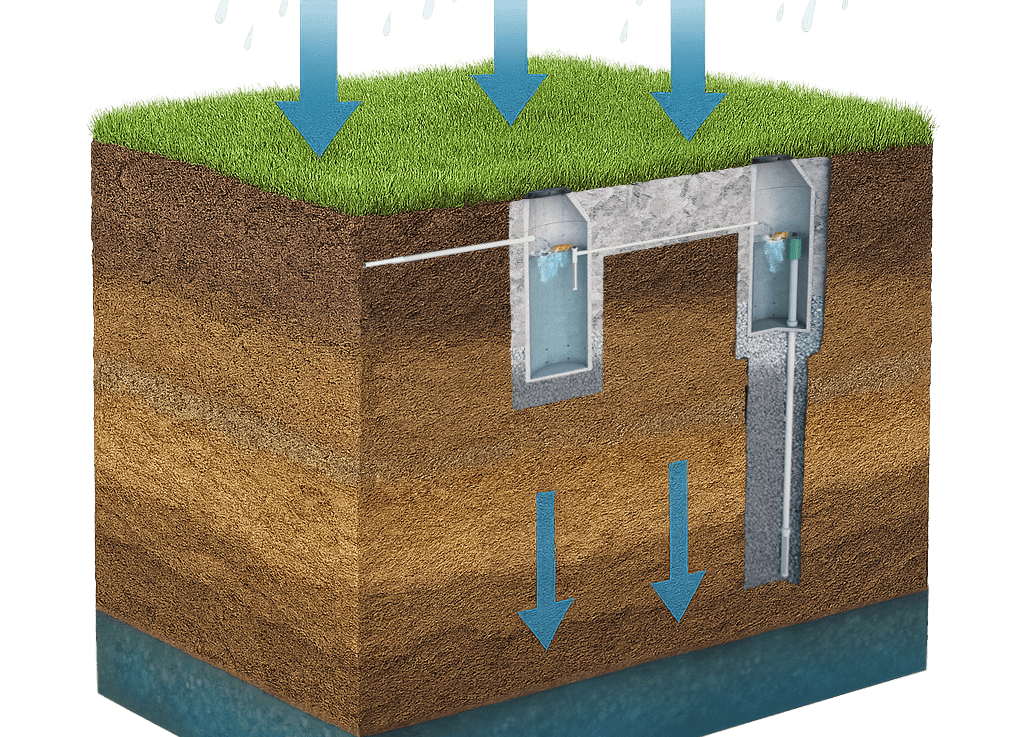
It can be difficult to replenish a drained aquifer. Giving more water to it means taking water from somewhere else. However, sprmwater adds extra water to a local system. By capturing it, we can direct it to aquifers to replenish them. This is how Capturing Stormwater for Groundwater Recharge can work. People use a wide range of methods to accomplish this, from green infrastructure to injection wells. Managers must ensure that the stormwater is free of pollutants before storing it in aquifers to prevent contamination.

Image credit: https://oldcastleinfrastructure.com/

Multifamily Housing Buyouts for Managed Retreat

Multifamily Housing Buyouts for Managed Retreat

Multifamily Housing Buyouts for Managed Retreat

06/22/26

“Why do policymakers need to consider multifamily housing buyouts for managed retreat?”

Governing authorities can use home buyouts to move people out of flood-prone areas. The vast majority of home buyout program development is tailored to single-family property owners. However, multifamily housing units are also present in floodplains and hurricane paths. In the U.S., multi-family tenants are more likely to come from marginalized backgrounds, making them subject to the desires of their landlord. Tenants must have some form of financial, legal, and policy support to navigate their way to a new home successfully. Government authorities need to develop policies for Multifamily Housing Buyouts for Managed Retreat to fill this protection gap. This can include mandatory cash distribution to tenants for relocation, construction of new affordable housing nearby for the displaced residents, and priority for new apartments in the private market.