Category: Policy

Short-Term Climate Refugees

Short-Term Climate Refugees

Short-Term Climate Refugees

12/04/19

“How are people temporarily displaces from their homes because of climate change?”


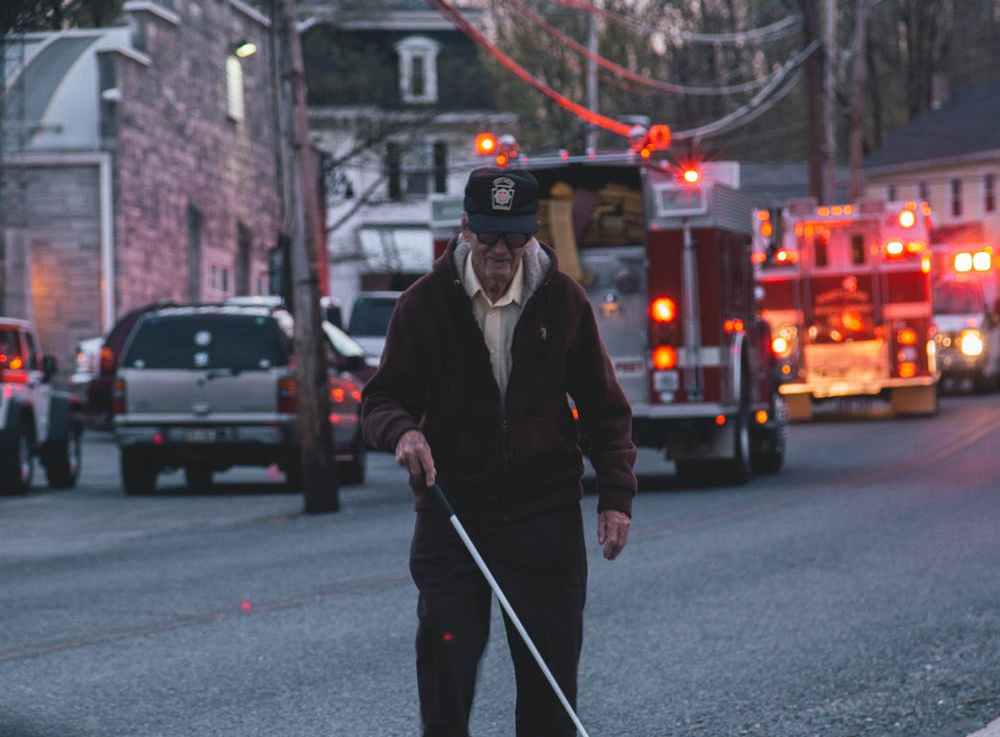
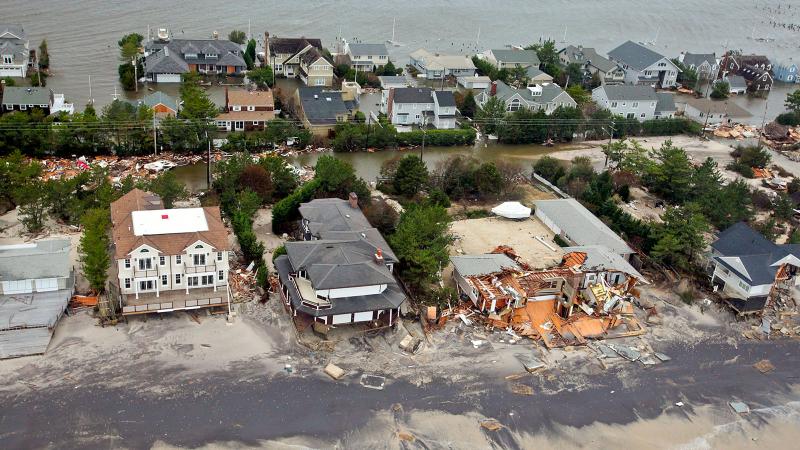
Climate change is making environmental disasters larger and stronger than ever before. Whether it be the fires raging in Northern California or the Hurricanes blasting Puerto Rico, things are definitely not what they used to be. This can cause locations to be temporarily uninhabitable, and only after infrastructure reaches a certain level of repair can these Short-Term Climate Refugees return to their home. An example of this can be found in Hurricane Katrina, where numerous families from New Orleans had to spend extended time outside of the city before returning.

Image credit static01.nyt.com

Why Education Will Be Necessary to Build a Resilient Society

Why Education Will Be Necessary to Build a Resilient Society

Why Education Will Be Necessary to Build a Resilient Society

12/03/19

“Why will education be a vital part of building climate change resilience?”


On this blog, we have talked about how building resilience will involve large investments in infrastructure and policy. However, another aspect is often overlooked but just as vital, education. Since people will need to learn about what resilience and climate change is and how to prepare for it, they will need to receive some form of education. This could through a myriad of different ways, such as through standard classrooms, billboard signs explaining what to do in case of an emergency, or even on Twitter. This is Why Education Will Be Necessary to Build a Resilient Society.

Climate Resilient Urban Design

Climate Resilient Urban Design

Climate Resilient Urban Design

11/30/19

“How can urban designers incorporate resilient design into their profession?”


Urban designers are at the forefront of creating new visions for urban metropolises. And with the advent of climate change, Climate Resilient Urban Design will become a critical component in the profession, whether it be looking at how to make housing structures able to weather wildfires better or creating urban drains in city centers.

Wildfire Fuels Management

Wildfire Fuels Management

Wildfire Fuels Management

11/29/19

“How can we manage the amount of burnable fuels found in wildfires?”


Wildfires are becoming an increasingly difficult problem in dense, forested, dry regions as a result of climate change. One of the most critical vulnerabilities in these areas are the fuel, or material that can ignite wildfires on the ground. Through Wildfire Fuels Management, we can look at what might be igniting these fires and ensure that proper mitigation is achieved.


Image credit http://people.forestry.oregonstate.edu/

How a Circular Economy Enhances Societal Resilience

How a Circular Economy Enhances Societal Resilience

How a Circular Economy Enhances Societal Resilience

11/28/19

“How can a circular economy enhance climate change resilience?”


The circular economy is touted as a strong pathway to curb emissions and material waste. But since it also reduces the amount of materials that a society needs to consume, it also ends up increasing societal resilience as there are less choke points that can harm it. For example, a community with a localized supply-chain for critical items such as food can keep themselves stable in case of a natural disaster and an economy that can recycle some of the rare-earth minerals it uses will not need to rely as much on suppliers which may act against their interest given conflict. This is How a Circular Economy Enhances Societal Resilience.

Wildland-Urban Interface

Wildland-Urban Interface

Wildland-Urban Interface

11/26/19

“What is the border region between the wilderness and urban areas and why is it a resilience risk?”


In the human imagination, urban areas and wilderness are two distinct areas. However, in reality, there is a transition zone known as the Wildland-Urban Interface, where human populations mix with forests. Because these areas usually contain copious amounts of burnable fuel, living inside them creates a risk for wildfires to occur. As such urban planners, civil engineers, and policymakers will need to work together to minimize human presence in these areas.


Image credit https://c1.staticflickr.com/

Why Too Much Wildfire Suppression Can Lead to More Fires

Why Too Much Wildfire Suppression Can Lead to More Fires

Why Too Much Wildfire Suppression Can Lead to More Fires

11/24/19

“Why should we calm down on wildfire suppression so more fires can be prevented?”


Wildfires can be quite scary. Their uncontrollable, deadly nature makes it inconvenient for municipal governments and damaging to nearby communities. For this reason, the wildfire emergency management programs in the United States, Canada, and Australia usually put out such disasters at first notice. However, this leads to a large amount of flammable material being present, making future wildfires bolder and even more deadly. To prevent this, controlled burns need to be instituted to ensure that regenerative processes can occur. This is Why Too Much Wildfire Suppression Can Lead to More Fires.

Wildfire Evacuations

Wildfire Evacuations

Wildfire Evacuations

11/23/19

“Why might people need to temporarily evacuate from wildfires?”


Wildfires are incredibly dangerous natural disasters. When a single tree sparks, it can cascade into threatening the livelihood of entire communities. When this happens, people may need to evacuate from their homes to safer areas further away from these damages. These Wildfire Evacuations are an important tool for wildfire emergency management.


Image credit cdn1.thr.com