Category: Policy

Material Use Reduction as a Form of Resilience

Material Use Reduction as a Form of Resilience

Material Use Reduction as a Form of Resilience

02/14/20

“How can reducing material use be a form of resilience?”


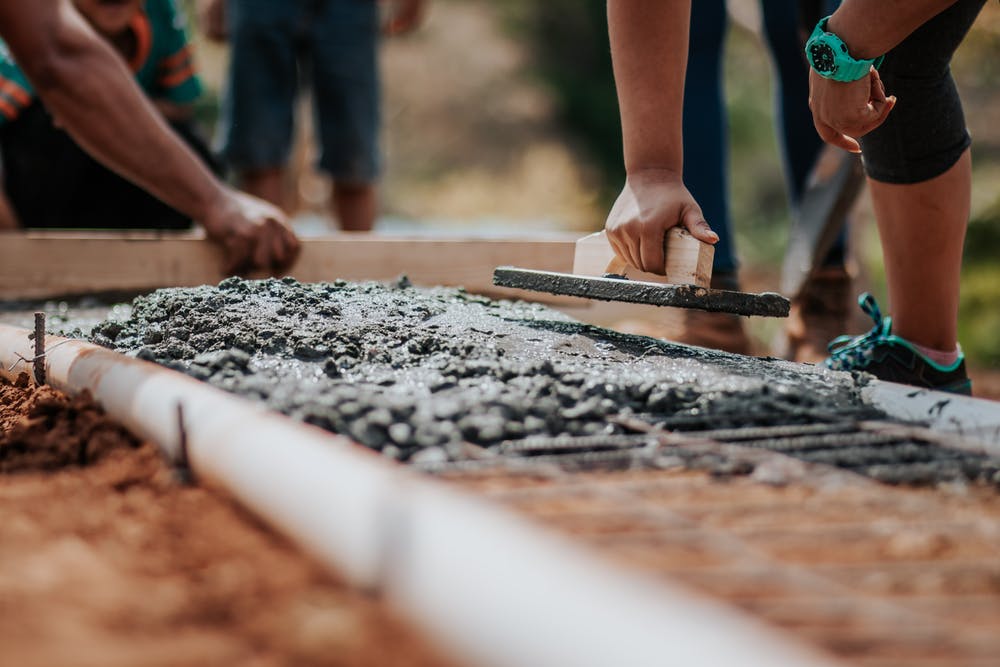
Our modern civilization rests upon the consumption of materials. However, in the case of a supply-chain shock, whether it be natural or human-driven, can disrupt our internal balance. But just like reducing energy use can lead to increased security, reducing material use can protect against these sudden events. This is Material Use Reduction as a Form of Resilience.

Why Public Health and Climate Resilience Are Intertwined

Why Public Health and Climate Resilience Are Intertwined

Why Public Health and Climate Resilience Are Intertwined

02/09/20

“Why is it that public health and climate resilience go hand in hand?”


Although often thought of as completely separate disciplines, public health and climate resilience are closely intertwined. Climate resilience is about withstanding and bouncing forward from the effects of climate change, some of which such as wildfire smoke and extreme heat have implications for public health. This is Why Public Health and Climate Resilience Are Intertwined.

Why Timing for Prescribed Burns in Crucial for Wildfire Resilience

Why Timing for Prescribed Burns in Crucial for Wildfire Resilience

Why Timing for Prescribed Burns in Crucial for Wildfire Resilience

02/06/20

“Why is it important for resilience that we perform prescribed burns at the right time?”


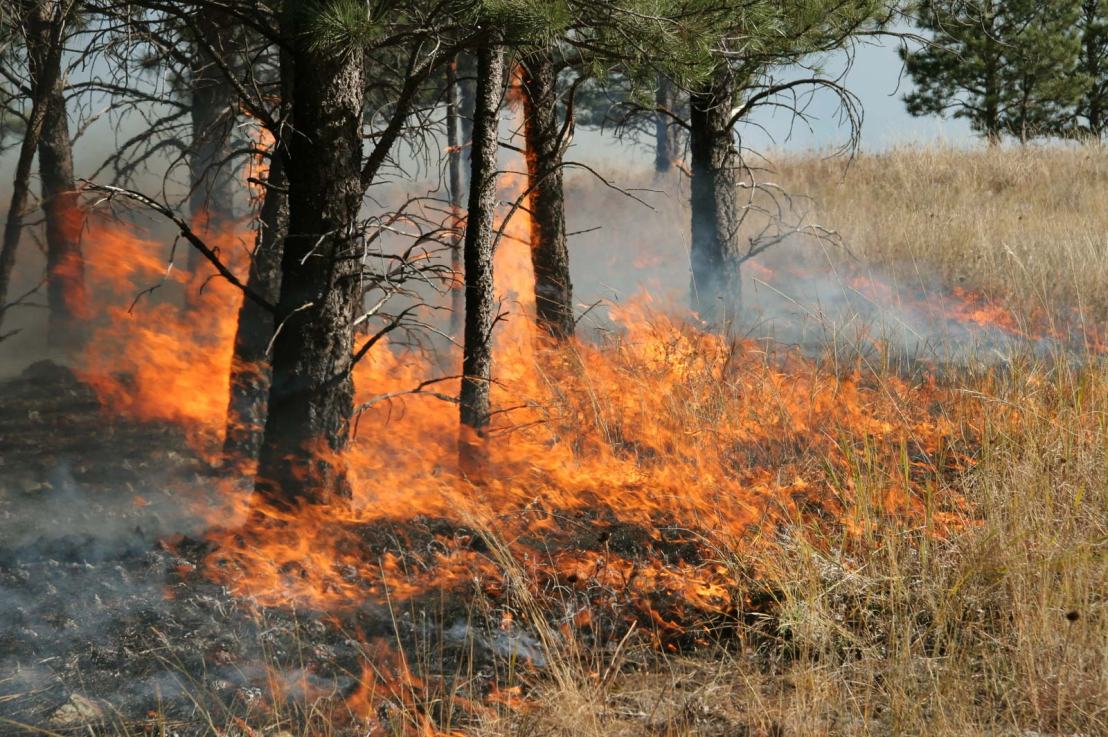
Prescribed burning is one of the most common methods for making a landscape more resilient to wildfires. However, some native plant life might be adapted to burn at certain times of the year. If they are lit on fire outside of this time period, then ecological mayhem may ensue and end up harming the environment. This is Why Timing for Prescribed Burns in Crucial for Wildfire Resilience.


Image credit cdn.britannica.com

Why Moving Into Newer Housing Can Increase Resilience to Climate Change

Why Moving Into Newer Housing Can Increase Resilience to Climate Change

Why Moving Into Newer Housing Can Increase Resilience to Climate Change

02/03/20

“Why is it that moving into newer housing can increase your resilience to climate change?”


Whether you like it or not, Climate Change is coming and you will need to prepare. One of the biggest vulnerabilities that people have is the quality of their housing. Older housing is usually built according to outdated standards and with aged materials, increasing the risk of breakdown when disaster strikes. By moving into newer housing, it is more likely that you will be living in a place that has been designed with the new climate in mind in addition to being composed of more modern materials. This is Why Moving Into Newer Housing Can Increase Resilience to Climate Change.

Why Tight-Knit Communities Are More Resilient to Climate Change

Why Tight-Knit Communities Are More Resilient to Climate Change

Why Tight-Knit Communities Are More Resilient to Climate Change

02/01/20

“Why is it that tight-knit communities have better resilience to climate change?”


When disaster strikes, community life is disrupted. However, if these communities have formed tight-knit interdependent relationships, then they can work together to surmount any challenges. This vital characteristic proved itself during the 1995 Chicago heatwave when the Auburn Gresham neighborhood of Chicago had a fatality rate 1/11th that of the Englewood neighborhood due to its closer community despite having similar demographics, location, and resources. This is Why Tight-Knit Communities Are More Resilient to Climate Change.

Why Does a Sudden Surge of HVAC Usage Increase the Chance for Wildfires to Happen?

Why Does a Sudden Surge of HVAC Usage Increase the Chance for Wildfires to Happen?

Why Does a Sudden Surge of HVAC Usage Increase the Chance for Wildfires to Happen?

01/31/20

“Why does sudden HVAC usage in a community increase the chance for wildfires to happen?”


On hot days, HVAC usage swells, causing utility lines to become overworked and bend over. Combined with the already hot conditions, if a utility line sags into foliage a wildfire can occur. This is why a Sudden Surge of HVAC Usage Increases the Chance for Wildfires to Happen

Image credit http://www.schwickerts.com

How Policies Can Be Used to Enforce More Resilient Construction Standards in the Wildland-Urban Interface

How Policies Can Be Used to Enforce More Resilient Construction Standards in the Wildland-Urban Interface

How Policies Can Be Used to Enforce More Resilient Construction Standards in the Wildland-Urban Interface

01/29/20

“How can we use policies to enforce greater resilience in wildfire country?”


With the threats posed by climate change, housing in the wildland-urban interface needs serious rethinking. Because of the inherent liabilities of building and living in the area, more rigorous construction standards need to be enacted so houses are safe in case a wildfire comes. This can be enacted and enforced using policy mechanisms. This is How Policies Can Be Used to Enforce More Resilient Construction Standards in the Wildland-Urban Interface.