Category: Policy

How Climate Migration Can Impact Housing Affordability

How Climate Migration Can Impact Housing Affordability

How Climate Migration Can Impact Housing Affordability

02/21/20

“How can climate migration impact housing affordability?”


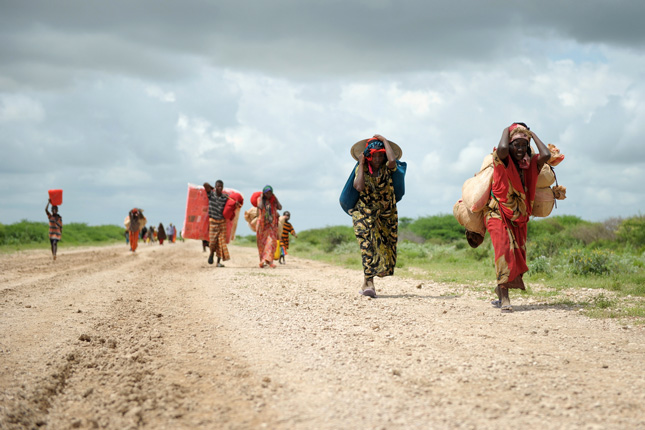
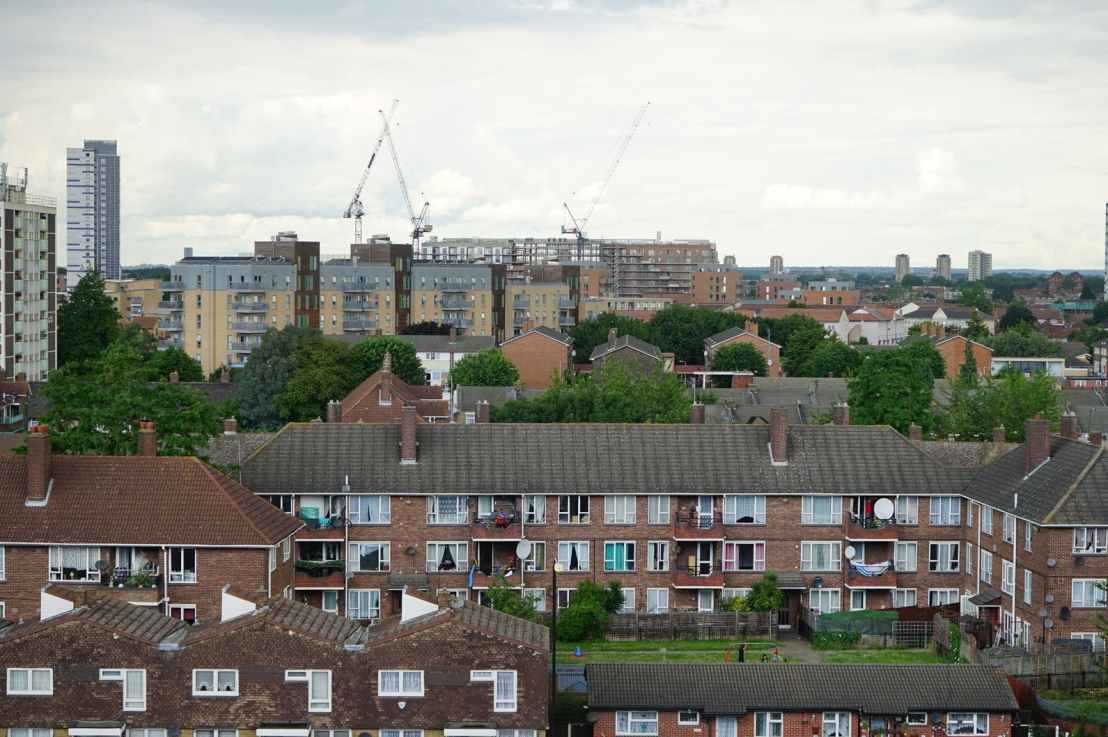
More and more people are leaving their long-held homes in response to climate stress. These people often move to nearby areas en-masse. Often times these new places do not have enough housing stock to accommodate the new arrivals, resulting in a market pinch, increasing the cost of living dramatically. For this reason, climate-safe areas will need to vastly increase their housing stock to accommodate future residents. This How Climate Migration Can Impact Housing Affordability.

Fire-Resilient Communities

Fire-Resilient Communities

Fire-Resilient Communities

02/20/20

“How can we build communities resilient to wildfires?”


Climate change is causing wildfires to become more frequent and deadly. However, communities in the Wildland-Urban Interface and build and grow to adapt to this, whether it be creating defensible spaces, using strict fire-hardening building codes, and having well-defined evacuation routes. All of these can combine to create Fire-Resilient Communities.

Image credit http://www.fs.usda.gov

Sponge Cities

Sponge Cities

Sponge Cities

02/19/20

“How can cities be designed to absorb water from floods instead of block it?”


With rising sea levels and rain penetration due to climate change, cities are looking for ways to adapt. Although the most popular methods typically involve building massive pieces of infrastructure such as sea walls, more natural ways to solve this are available. One innovative way is to remodel urban areas as Sponge Cities. Sponge cities are cities with large volumes of greenery that can absorb any torrent of water. These green spaces can range from gardens to green roofs to simple porous designs. Sponge cities not only make municipalities more resilient to climate change but also prevent discharge of polluted water, increases biodiversity, and improve quality of life.


Image credit http://www.sciencefriday.com

Multi-Hazard Resilience Planning

Multi-Hazard Resilience Planning

Multi-Hazard Resilience Planning

02/18/20

“How can resilience planners prepare for multiple effects?”


Climate change is exacerbating more than just a single disaster per zone. In many locations, multiple hazards are occurring at the same time. For example, in the San Francisco Bay Area not only are wildfires becoming more frequent and powerful but coastal flooding is also growing day by day. Because of this, resilience professions will have to prepare for all of these using Multi-Hazard Resilience Planning, in which every single piece that can go wrong will be taken into account. 

Why Urban Sprawl is a Climate Resilience Issue

Why Urban Sprawl is a Climate Resilience Issue

Why Urban Sprawl is a Climate Resilience Issue

02/17/20

“Why is urban sprawl a climate resilience issue?”


Urban Sprawl has been known for a long time to be a climate mitigation issue. However, having a sprawling urban form also makes it more vulnerable to the effects of climate change. Being reliant on automobile transportation makes evacuation much more difficult and deadly in the case of a climate emergency such as a wildfire or a hurricane. Sprawling development encourages living spaces to be built on environmentally unsafe spaced such as flood zones and the wildland-urban interface. This shows Why Urban Sprawl is a Climate Resilience Issue.

Material Use Reduction as a Form of Resilience

Material Use Reduction as a Form of Resilience

Material Use Reduction as a Form of Resilience

02/14/20

“How can reducing material use be a form of resilience?”


Our modern civilization rests upon the consumption of materials. However, in the case of a supply-chain shock, whether it be natural or human-driven, can disrupt our internal balance. But just like reducing energy use can lead to increased security, reducing material use can protect against these sudden events. This is Material Use Reduction as a Form of Resilience.

Why Public Health and Climate Resilience Are Intertwined

Why Public Health and Climate Resilience Are Intertwined

Why Public Health and Climate Resilience Are Intertwined

02/09/20

“Why is it that public health and climate resilience go hand in hand?”


Although often thought of as completely separate disciplines, public health and climate resilience are closely intertwined. Climate resilience is about withstanding and bouncing forward from the effects of climate change, some of which such as wildfire smoke and extreme heat have implications for public health. This is Why Public Health and Climate Resilience Are Intertwined.

Why Timing for Prescribed Burns in Crucial for Wildfire Resilience

Why Timing for Prescribed Burns in Crucial for Wildfire Resilience

Why Timing for Prescribed Burns in Crucial for Wildfire Resilience

02/06/20

“Why is it important for resilience that we perform prescribed burns at the right time?”


Prescribed burning is one of the most common methods for making a landscape more resilient to wildfires. However, some native plant life might be adapted to burn at certain times of the year. If they are lit on fire outside of this time period, then ecological mayhem may ensue and end up harming the environment. This is Why Timing for Prescribed Burns in Crucial for Wildfire Resilience.


Image credit cdn.britannica.com