Category: Policy

Municipal Utilities

Municipal Utilities

Municipal Utilities

07/02/2024

“What are municipally-owned utilities?”

Utilities can be controlled by a myriad of different entities. Utilities owned by municipalities are called Municipal Utilities. Municipal utilities’ local emphasis makes them prime candidates to thrive in distributed energy grids.

Why Utility Regulators Need Enforcement Mechanisms

Why Utility Regulators Need Enforcement Mechanisms

Why Utility Regulators Need Enforcement Mechanisms

07/01/24

“Why do utility regulators need enforcement mechanisms?”

Utility regulators work to ensure utilities act in the interest of ratepayers. However, if these agencies have no enforcement mechanisms, then there is no way they can make sure utilities are regulated properly. This is Why Utility Regulators Need Enforcement Mechanisms.

Why Creating Bike Paths Next to Rivers Benefit Public Health

Why Creating Bike Paths Next to Rivers Benefit Public Health

Why Creating Bike Paths Next to Rivers Benefit Public Health

06/30/24

“Why can creating bike paths next to rivers benefit public health?”

Biking next to a river can be a greatly relaxing experience. Moving with the running water, feeling the moisture on your skin, and hearing the sounds of nature all help rest the mind. Cities can encourage this by constructing bike lanes alongside rivers. More people having this opportunity to relax will benefit the community’s public health. This is Why Creating Bike Paths Next to Rivers Benefit Public Health.

Why Installing Bike Lanes Can Decrease Carbon Emissions

Why Installing Bike Lanes Can Decrease Carbon Emissions

Why Installing Bike Lanes Can Decrease Carbon Emissions

06/26/24

“Why can installing bike lanes decrease carbon emissions?”

The more people use bikes instead of cars, the more carbon emissions will decrease. Installing bike lanes incentivizes people to use bikes over cars. This is Why Installing Bike Lanes Can Decrease Carbon Emissions.

Why Distributed Energy Resources Can Support Refugee Camps’ Energy Needs

Why Distributed Energy Resources Can Support Refugee Camps’ Energy Needs

Why Distributed Energy Resources Can Support Refugee Camps’ Energy Needs

06/23/24

“Why can distributed energy resources support refugee camps’ energy needs?”

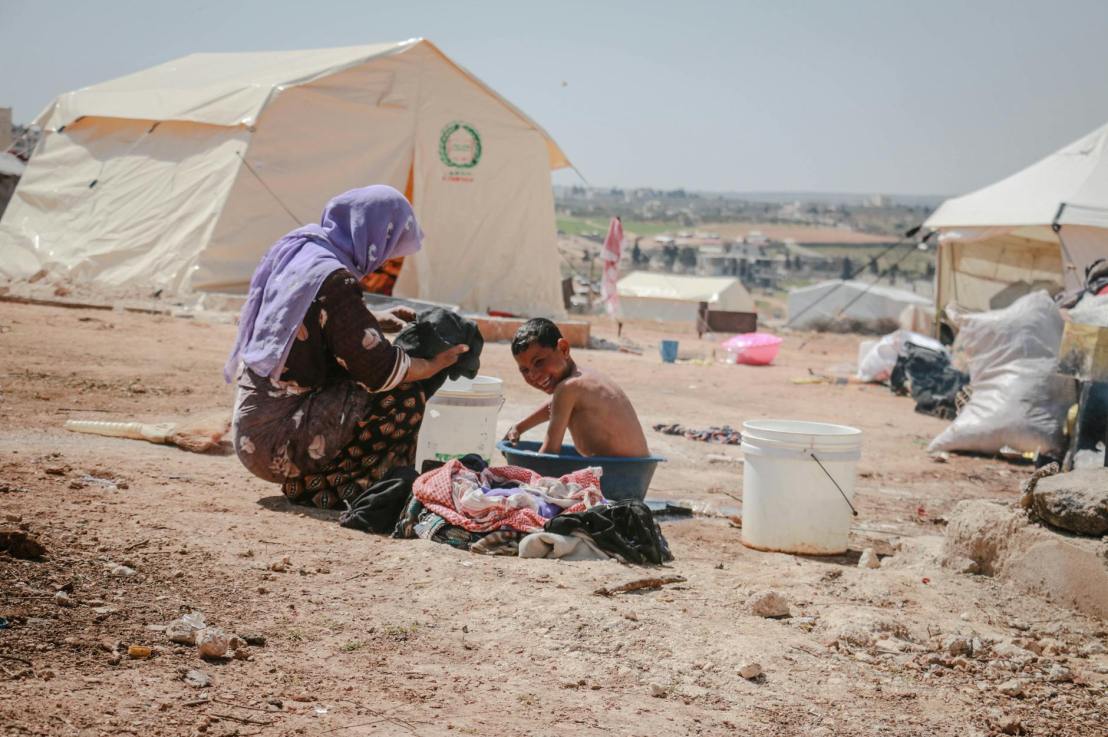
Refugee camps often have to be set up in a quick basis. This can make getting connected to an electricity grid difficult, especially in war torn areas. However, distributed energy resources can be portably deployed to work with this issue. Power can be generated that supports the camps’ needs. This is Why Distributed Energy Resources Can Support Refugee Camps’ Energy Needs.

Why Building Floating Cities Can Ameliorate the Housing Crisis

Why Building Floating Cities Can Ameliorate the Housing Crisis

Why Building Floating Cities Can Ameliorate the Housing Crisis

06/20/24

“Why can building floating cities ameliorate the housing crisis?”

There’s a global shortage of homes. More people are looking for a place to live but can’t find anything suitable. Suitable space on land is also more constrained than ever before. But what if we were to build floating homes on the water? This would expand the availability of housing to new levels. This is Why Building Floating Cities Can Ameliorate the Housing Crisis.

Green Soil Tip Reuse

Green Soil Tip Reuse

Green Soil Tip Reuse

06/12/24

“How can we turn mounds of mining waste into greenfields?”

Soil tips are massive mounds built of spent mining material. These artifacts can poison nearby communities with toxins and dust spread by wind. Earth materials and greenfields can cover soil tips and have greenfields so they no longer pose harm. The Green Soil Tip Reuse can radically help communities hurt by such mounds.

Image credit upload.wikimedia.org

Urban Footprint Distribution Analysis

Urban Footprint Distribution Analysis

Urban Footprint Distribution Analysis

06/11/24

“How can we analyze the distribution of urban footprints?”

Urbanized areas have space dedicated to different functions. Some layers may be residential, some industrial, and some green space. Through Urban Footprint Distribution Analysis we can understand what cities are composed of.