Category: Physics

Soil Infiltration vs Transmission Rates

Soil Infiltration vs Transmission Rates

Soil Infiltration vs Transmission Rates

03/05/26

“What is the difference between soil infiltration and transmission rates?”

Soil infiltration and transmission rates are often discussed interchangeably. However, there are big differences between them. Infiltration rate measures how quickly water enters soil from the surface, while transmission rate calculates the movement rate of water through soil. Soil infiltration rate is influenced by surface conditions and the level of soil inundation, while transmission rates are governed by soil permeability. This is the difference between Soil Infiltration vs Transmission Rates.


Material Toughness

Material Toughness

Material Toughness

02/19/26

“How can we measure how much energy a material can absorb before rupture?”

People need materials to absorb energy before rupture. The more energy an item can absorb, the higher its Material Toughness, and the better it will perform for tasks that require heavy resistance to heavy energy shocks. Material toughness is measured by the area under the curve in a stress-strain diagram. Material toughness can be thought of as a combination of hardness and ductility.

Tensile Strength

Tensile Strength

Tensile Strength

02/18/26

“How can we measure an object’s resistance to being pulled apart?”

Pulling an object exerts stress on its atoms. Different materials will have different amounts of resistance to being pulled apart, summarized by the word Tensile Strength. The largest stress value it can handle before breaking is known as Ultimate Tensile Strength. Tensile is often one of the most important properties engineers must consider in material selection.

Plastic Deformation

Plastic Deformation

Plastic Deformation

02/16/26

“How do objects become permanently distorted?”

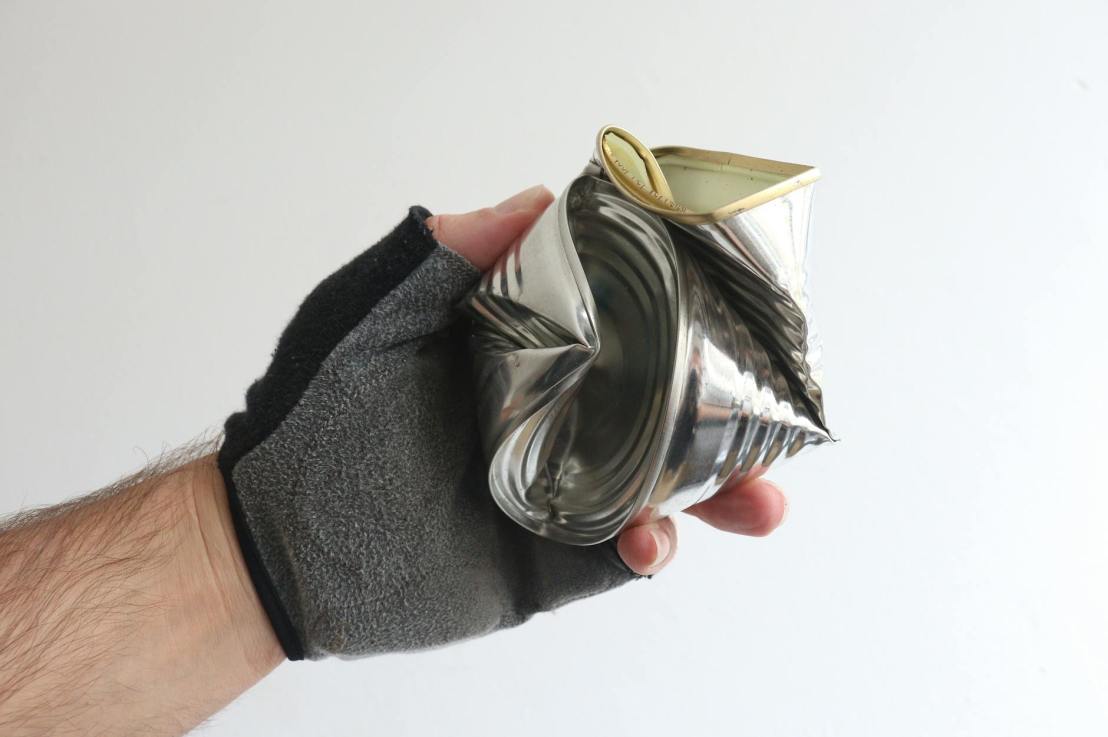
Objects may undergo reversible distortions when stretched slightly. But if the applied stress goes beyond the yield point, then the deformations will become permanent. This phenomenon, known as Plastic Deformation, is a factor that engineers must deal with in material design. Items undergoing plastic deformation will become stronger in terms of load-bearing capacity until they reach the ultimate strength, after which the item will become less strong and eventually break.

Yield Point

Yield Point

Yield Point

02/14/26

“At what point is a material so stressed so much that it doesn’t return to its original form?”

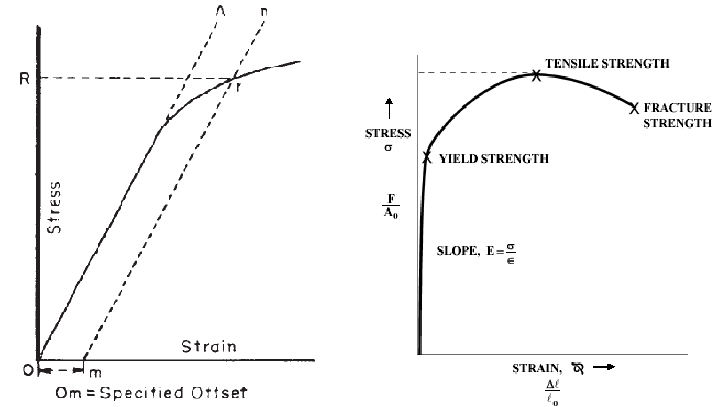
Materials stretched by a small amount may return to their original shape. But if they’re stretched beyond a certain Yield Point they may not return. Materials that move beyond the yield point transition from elastic to plastic behavior.

Image credit: https://pubs.sciepub.com/

Superheated Water

Superheated Water

Superheated Water

02/10/26

“How can water stay in liquid form while hotter than its boiling point?”

Water at atmospheric pressure levels boils at 100 degrees celsius. But if water is subject to high pressures, it can become Superheated Water at higher temperatures. Superheated water is useful for a multitude of industrial applications such as cleaning and heating.

Leachates

Leachates

Leachates

02/01/26

“What happens when liquid picks up dissolved/suspended solids as it moves through a permeable layer?”

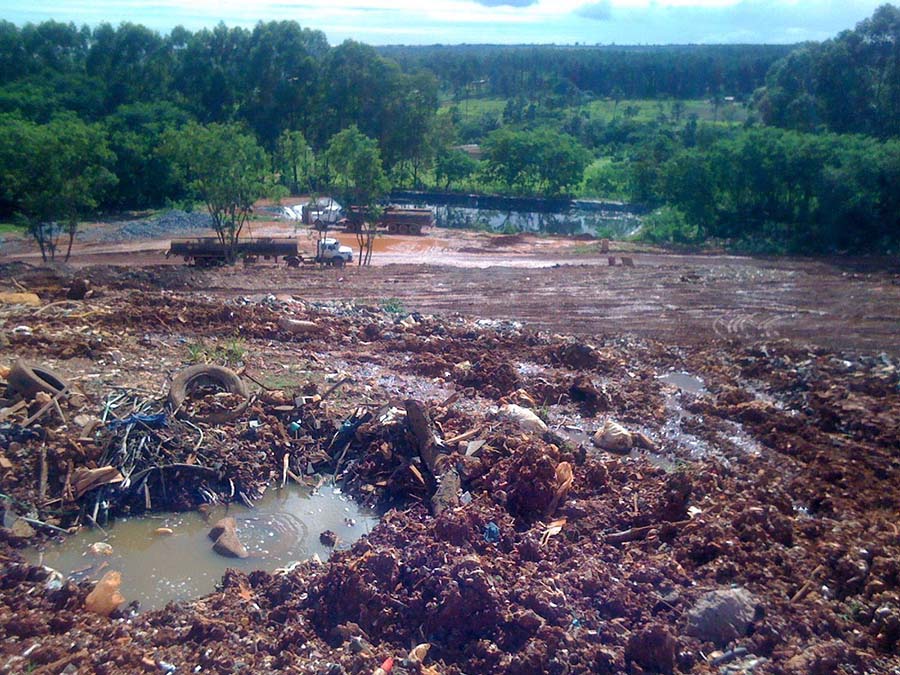
Liquids can move through permeable layers. Sometimes, the layer may have soluble or suspended solids along its journey and form what’s called a Leachate. Leachate properties are dependent on the liquid and its solvent. Leachates from stormwater landing on landfills can pollute nearby surface and groundwater.

Image credit: https://d2t3x0k5v8rzxl.cloudfront.net/

Fluid Pressure Diagrams

Fluid Pressure Diagrams

Fluid Pressure Diagrams

01/31/26

“How can we visualize how fluid pressure changes with depth?”

Fluids increase in pressure as you get deeper. If the fluid has a non-uniform density with depth, then the pressure will increase differently at different heights. We can visualize this information with a Fluid Pressure Diagram, which graphs depth on the negative y-axis and pressure on the x-axis. Fluid pressure diagrams are a great way to find out what the force on an area of the fluid container is because you can integrate the fluid pressure diagram and multiply by surface area.

Noise Dose

Noise Dose

Noise Dose

01/24/26

“How can we quantify the level of noise someone is exposed to over time?”

Listening to too much loud noise is a well-known safety risk. The constant vibration in your ears can lead to long-term damage if not managed properly. The Noise Dose quantifies how much noise a person has been exposed to for the day, regarding safety levels. We can quantify noise dose by taking the hours someone listened to a certain decibel of noise and dividing it by the maximum number of hours it’s safe to listen to that noise level per day. We can sum this ratio for every noise decibel level heard throughout the day, multiplied by 100% to arrive at the total noise dose. If a noise dose exceeds 100 percent, then the person has breached the healthy recommended daily noise levels.