Category: Other-science

Degrees of freedom

Degrees of freedom

  Degrees of freedom   03/09/16


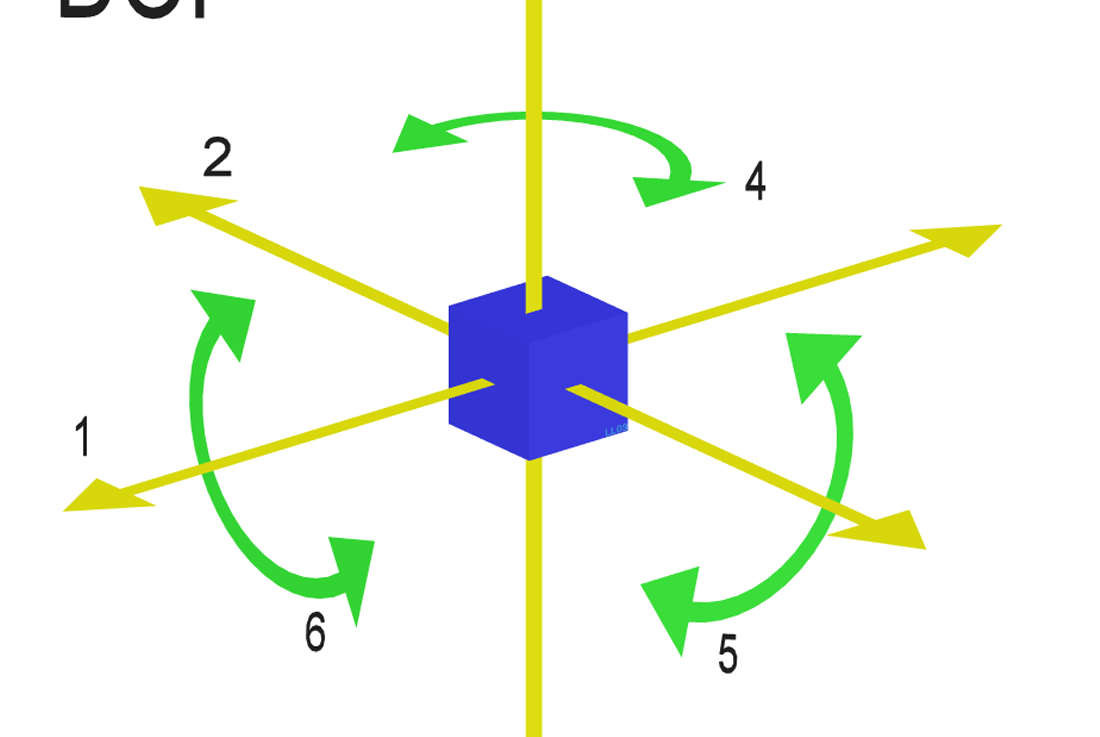
In geometry and mechanics, degrees of freedom relate to the freedom of movement for an object. All objects can have up to  three degrees of translational freedom (meaning they can move along the x, y, and zaxises) and three degrees of rotational freedom (the ability to rotate around the x, y, and zaxises ), therefore an object can have a maximum of six degrees of freedom. The number of degrees of freedom that an object has is contingent on it’s constraints. For example, if an object can only move on and rotate around the z axis then it has only two degrees of freedom.

Cryonics

Cryonics

 Cryonics         01/26/16

We are now approaching one of the most controversial and (in)famous fields of science, Cryonics. To put it simply, Cryonics is the attempt to put organisms who have (currently) insoluble medical predicaments in an impassive state under low temperature conditions. The paramount theory behind the practice is that because many biological processes are quite literally “frozen in time” from low temperatures, combined with the fact, long term memory, personality, and identity are preserved in hardened cell structures in the brain, patients may be retrieved from cryopreservation at a later date when medical technology has advanced far enough to rescue them.

Many of the contentions that plague the success of Cryonics are quite grisly in nature. Cryonic preservation is usually achieved at around 77.15 degrees Kelvin (around the boiling point of liquid Nitrogen). Damage from ice formation at such levels can be potentially lethal. All and all, in my view, Cryonics is an outgrowth of one of the most primordial facets of human desires, the attempt to evade impending death.