Category: Engineering

Decentralized Wastewater Treatment

Decentralized Wastewater Treatment

Decentralized Wastewater Treatment

03/03/25

“How can we create water treatment systems that purify water near their use?”

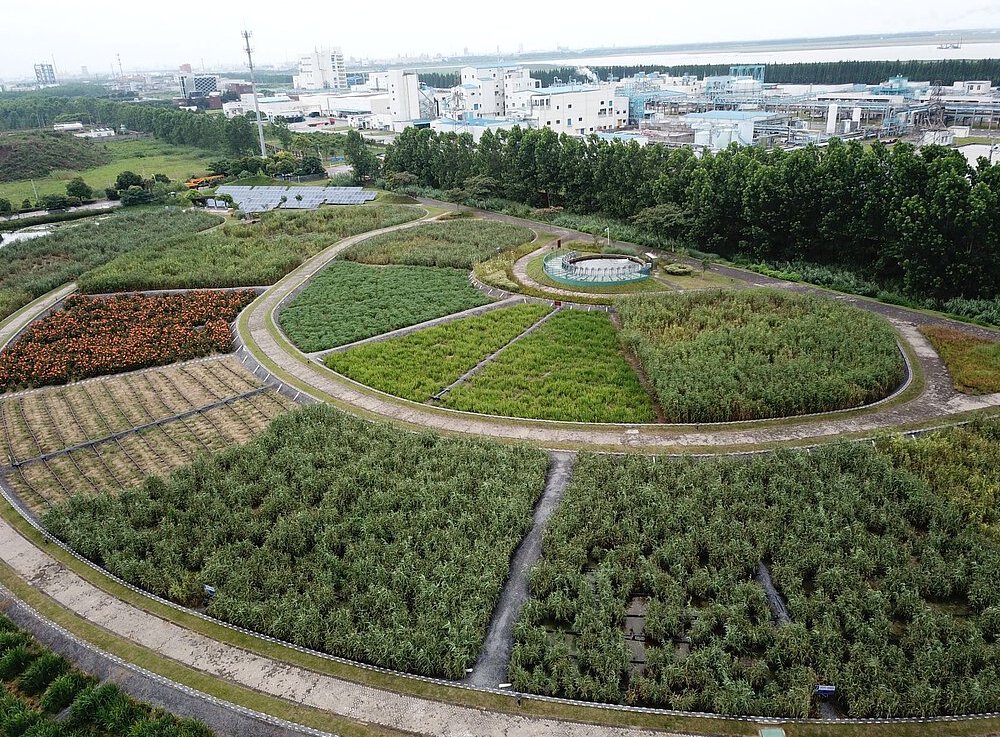
Centralized water treatment systems are the go-to for large, dense, and (relatively) wealthy urban areas. However, this typology may not work well for smaller, low-density communities in remote regions. Decentralized Wastewater Treatment, where wastewater is treated near the site of use, might be more applicable. Examples of decentralized water treatment systems include septic tanks and constructed wetlands.

Image credit: http://www.blumberg-engineers.com
Diffusion Contaminant Transport

Diffusion Contaminant Transport

Diffusion Contaminant Transport

03/02/25

“Why do contaminants diffuse from zones of great concentration to lower concentration?”

Contaminants enter substances in different concentrations. If the medium allows it, a contaminant will diffuse from a zone of high concentration to one of lower concentration. This Diffusion Contaminant Transport is important in understanding how contaminants move in substances like groundwater.

Contaminant Transport

Contaminant Transport

Contaminant Transport

02/28/25

“How are contaminants transported?”

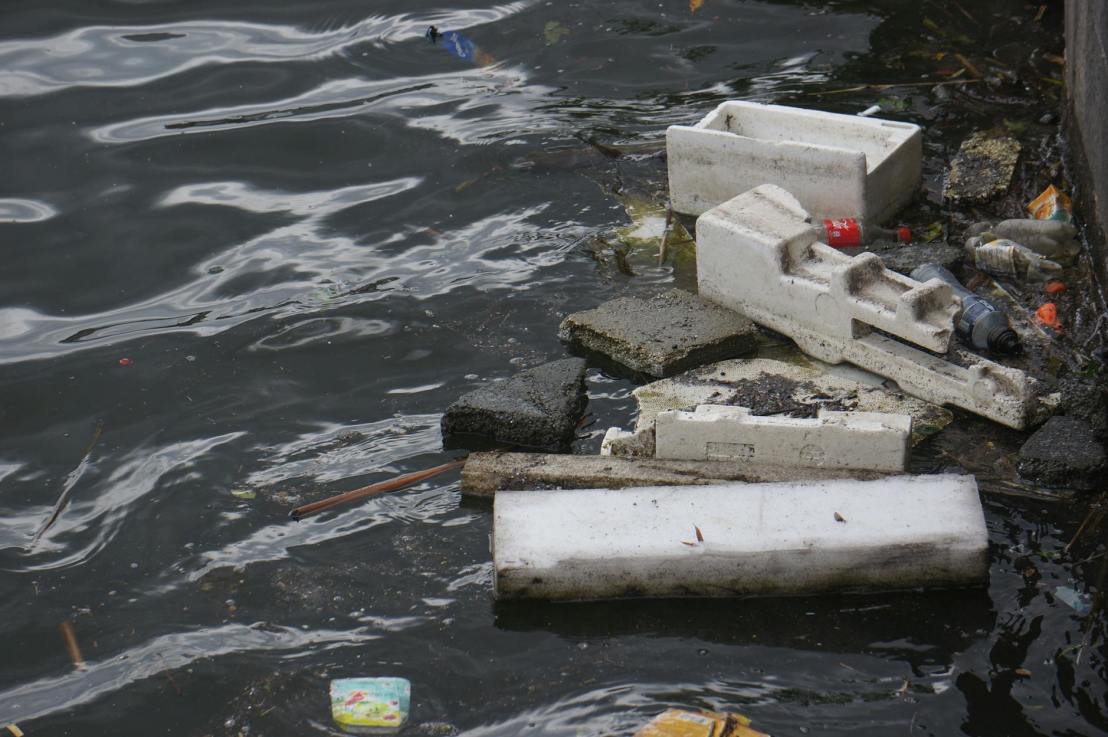
Contaminants can cause massive damage to living organisms. But how do contaminants move from one place to another? Well, through the process of Contaminant Transport contaminants can move through media such as air, water, and soil. 

Caulk

Caulk

Caulk

02/20/25

“How can we seal joints and seams against leakages?”

Joints and seams help structures and piping operate. Occasionally leaks will develop. This can be solved by sealing joints and seams with a material called Caulk. Caulk can be made out of a variety of materials, and can improve building performance standards ranging from energy efficiency to infestation protection.

Grout

Grout

Grout

02/19/25

“What substance can we use to fill small gaps in existing structures?”

Gaps may exist within existing structures. These can be filled using a substance called Grout. Grout is a mixture of cement, sand, and water, and starts malleable but solidifies on application. Grout is commonly applied in construction.

Excavation for Construction

Excavation for Construction

Excavation for Construction

02/15/25

“Why is excavation an essential part of the construction process?”

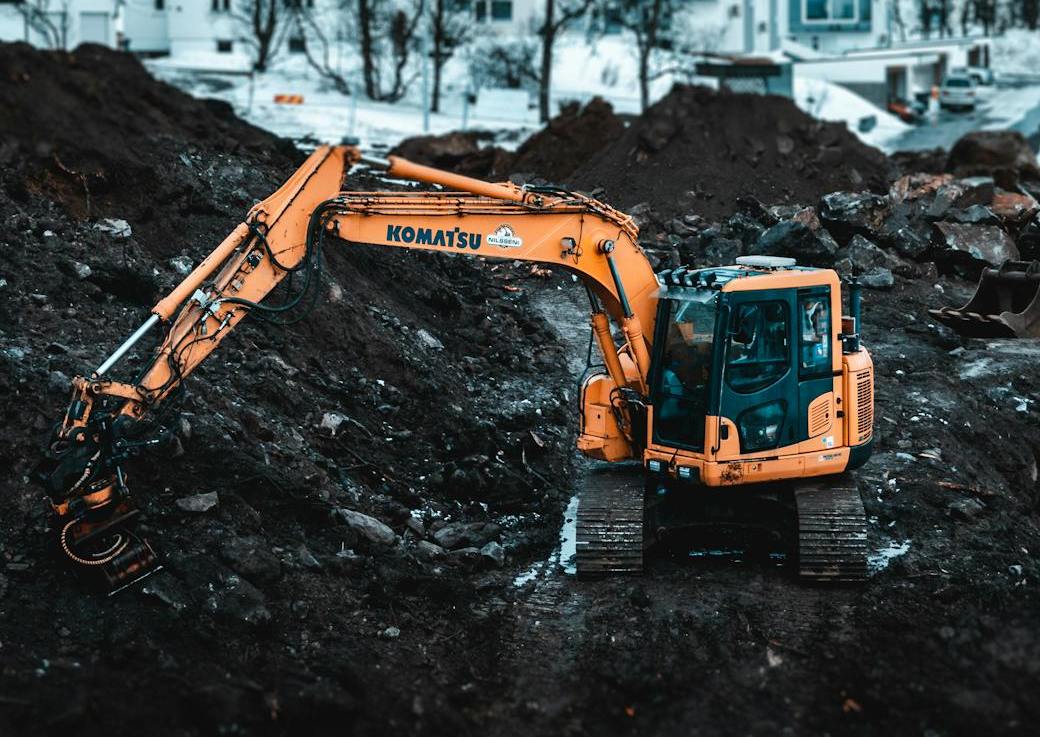
A solid foundation and physical utility connections are essential to any new building. However, the ground itself may not be level to support this without modification. This is typically solved through Excavation for Construction, where soil and rock are removed to prepare for the insertion of building material. Excavation is essential for many construction processes.

Capillary Fringes

Capillary Fringes

Capillary Fringes

02/14/25

“How can capillary action seep groundwater from the water table?”

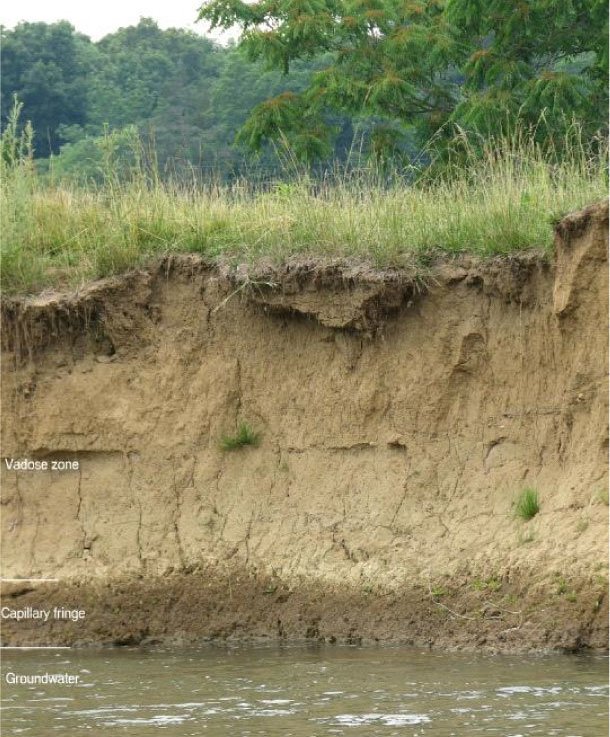
Most water in an aquifer is below the aquifer. But some of it will rise to pores above using capillary action. This layer is called the Capillary Fringe.

Image credit: Xiaolong Geng

Double Loaded Corridors

Double Loaded Corridors

Double Loaded Corridors

02/10/25

“What is the most common apartment floor plan in the US and Canada?”

Apartments in the US and Canada typically require at least two different staircases. The most common arrangement to accommodate this is the Double Loaded Corridor. Double-loaded corridors have a long hallway with two different staircases on both ends and units on each side. This layout forces apartment units to have unequal amounts of sunlight. Large family-friendly units are only available to be built on corners.