Category: Engineering

Why Colloids Are Hard to Remove From Drinking Water

Why Colloids Are Hard to Remove From Drinking Water

Why Colloids Are Hard to Remove From Drinking Water

03/14/25

“Why are colloids hard to remove from drinking water?”

Colloids are substances dissolved in another substance but microscopic and non-settling. These properties make colloids hard to remove from drinking water because they’re difficult to visually detect, can pass through filters easily, and are stabilized in water through electrostatic charges. This is Why Colloids Are Hard to Remove From Drinking Water.

Aquifer Confining Beds

Aquifer Confining Beds

Aquifer Confining Beds

03/10/25

“How can aquifers be confined by a geological feature?”

Aquifers form when water percolates down through soil to porous rocks. Sometimes, there’s a geological feature that impedes the movement of water above an aquifer. These are called Aquifer Confining Beds and play a vital role in aquifer mechanics.

Image credit: https://books.gw-project.org/

Artesian Wells

Artesian Wells

Artesian Wells

03/09/25

“How can we harness artesian pressure for water use?”

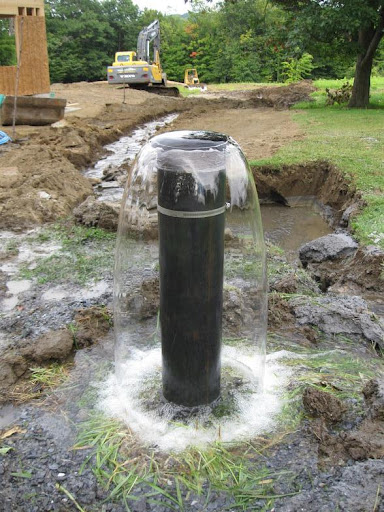
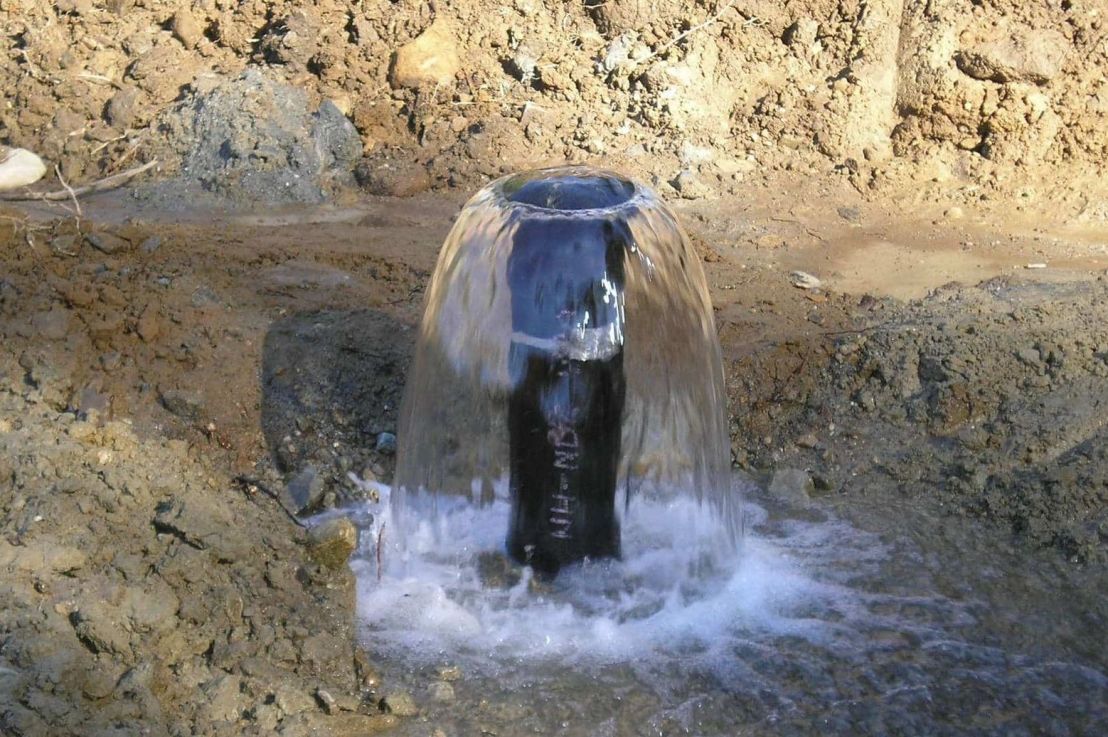
Groundwater can exert heavy artesian pressure on aquifer barriers. If someone opens up the barrier, the water will come shooting out from the pressure. This can be harnessed to make Artesian Wells that don’t rely on pumps to bring water to the surface.

Image credit: https://lh5.googleusercontent.com/

Artesian Pressure

Artesian Pressure

Artesian Pressure

03/08/25

“Why does some aquifer water shoot up by itself?”

We typically associate groundwater extraction from an aquifer as an energy-intensive process. But some groundwater goes up by itself. This is because, in confined aquifers, the groundwater naturally exerts a lot of pressure, but it is kept down by an impermeable layer. When this layer is removed, the water will shoot up from the Artesian Pressure biding it.

Image credit https://irp.cdn-website.com/

Why Clay Has High Aquifer Porosity But Low Permeability

Why Clay Has High Aquifer Porosity But Low Permeability

Why Clay Has High Aquifer Porosity But Low Permeability

03/07/25

“Why does clay have high porosity but low permeability?”

Clay has a highly porous structure, meaning that there are a lot of holes in its structures. However, these holes are small and not well connected to each other. This means water gets stuck in these small holes due to friction and stickiness. This leads to a low permeability. This is Why Clay Has High Aquifer Porosity But Low Permeability.

Aquifer Porosity

Aquifer Porosity

Aquifer Porosity

03/05/25

“How can we quantify how much space an aquifer medium has?”

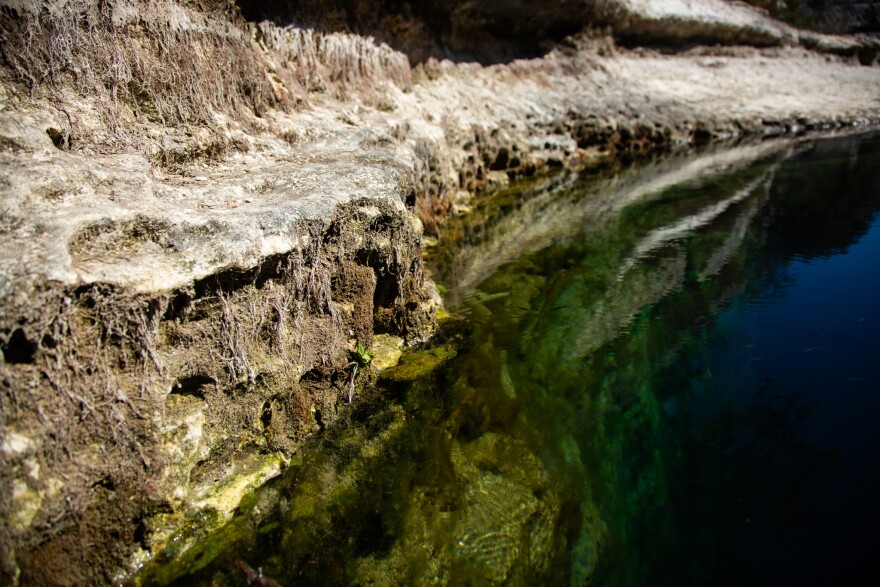
Aquifers exist because there is a void between rocks. The higher the void, the more water can flow through. This is quantified as the Aquifer Porosity, the ration of empty space within an aquifer medium to the entire volume.

Image credit: https://npr.brightspotcdn.com