Category: Ecology

The Ukrainian Shield (Geology)

The Ukrainian Shield (Geology)

The Ukrainian Shield (Geology)

12/23/24

“What is the dominant geological feature of Ukraine?”

Ukraine is a large, beautiful, and diverse country. When people think of the country, they often imagine large landscapes that sweep on as far as the eye can see. But why is that? Well, the dominant geological province of Ukraine is called The Ukrainian Shield, a geological shield that was formed over 2.5 billion years ago.
Marine Sediment

Marine Sediment

Marine Sediment

12/01/24

“What happens with insoluble particles on the seafloor?”

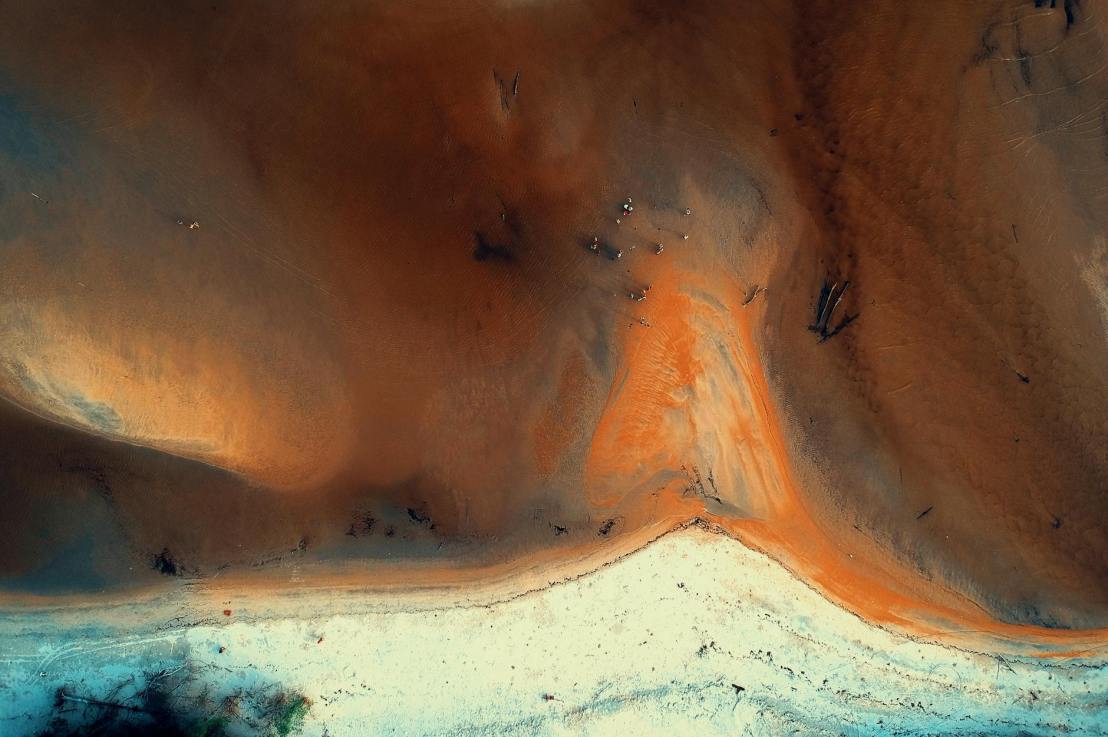
Sediment is the solid, insoluble material that falls to the bottom of a liquid body. Most of the seafloor is made up of sediment labeled Marine Sediment. 

Straits

Straits

Straits

11/30/24

“What connects two water basins together?”

Seas and water basins are large bodies of water. There usually needs to be a connection. This can come in the form of Straits, or thin strips of water.

Forest Cover

Forest Cover

Forest Cover

11/26/24

“How can we measure land occupied by forest?”

Forests are a critical part of our ecosystems. Forest Cover, or the amount of land taken up by forests, is estimated to blanket 31% of the Earth’s land area. Sustaining forest cover is critical for keeping our planet alive and healthy.

Deforestation

Deforestation

Deforestation

11/25/24

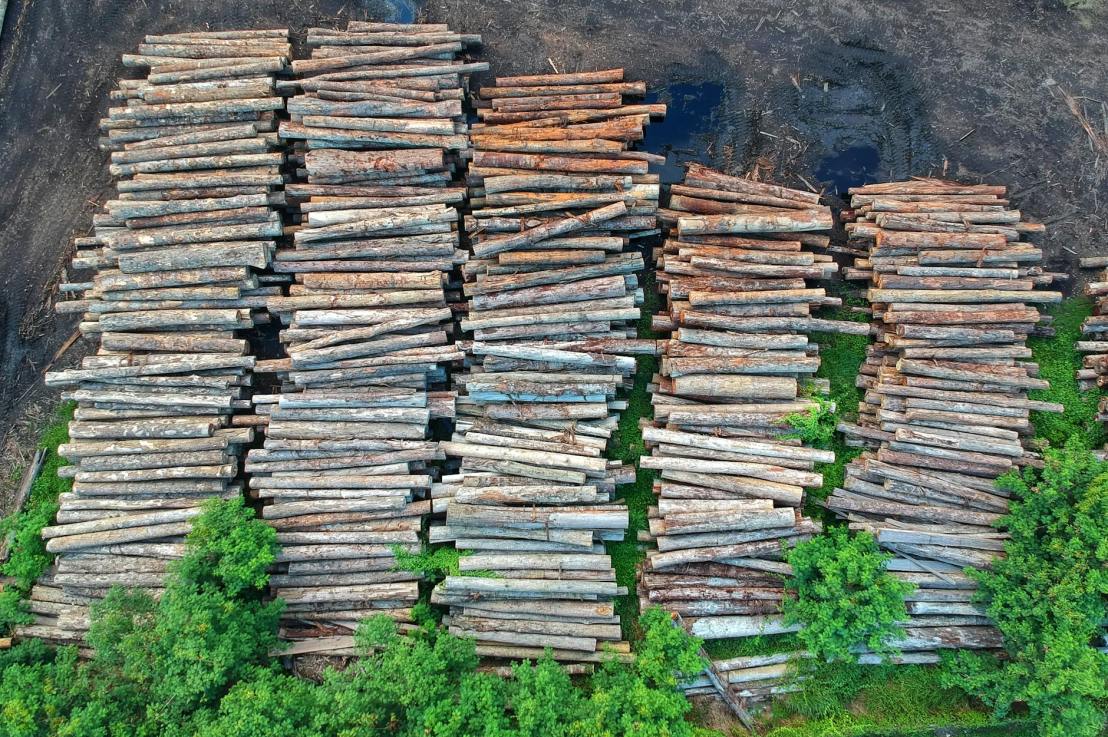
“Why do people destroy forests?”

Forests are the lungs of the world. These dense collections of trees soak in carbon dioxide from the atmosphere and release fresh oxygen. However, humans will cut down trees for wood or to clear land for development. Deforestation is a major environmental problem that needs to be stopped.

Ex Situ Bioremediation

Ex Situ Bioremediation

Ex Situ Bioremediation

11/24/24

“How can we evacuate contaminated areas to a bioremediation treatment facility?”

Bioremediation is a powerful way to decontaminate pollution on the planet. While bioremediation techniques can be directly applied to the contaminated area, they can also be removed to a controlled environment for treatment. These are called Ex Situ Bioremediation techniques.

In Situ Bioremediation

In Situ Bioremediation

In Situ Bioremediation

12/23/24

“How can bioremediation treat polluted sites directly?”

Bioremediation uses biological organisms to treat pollution. Techniques that directly treat polluted sites are known as In Situ Bioremediation. Potential applications range from directly applying oxygen flow to unsaturated soil zones to adding helpful bacteria. 

Bioremediation

Bioremediation

Bioremediation

11/22/24

“How can we use biological organisms to remove pollutants?”

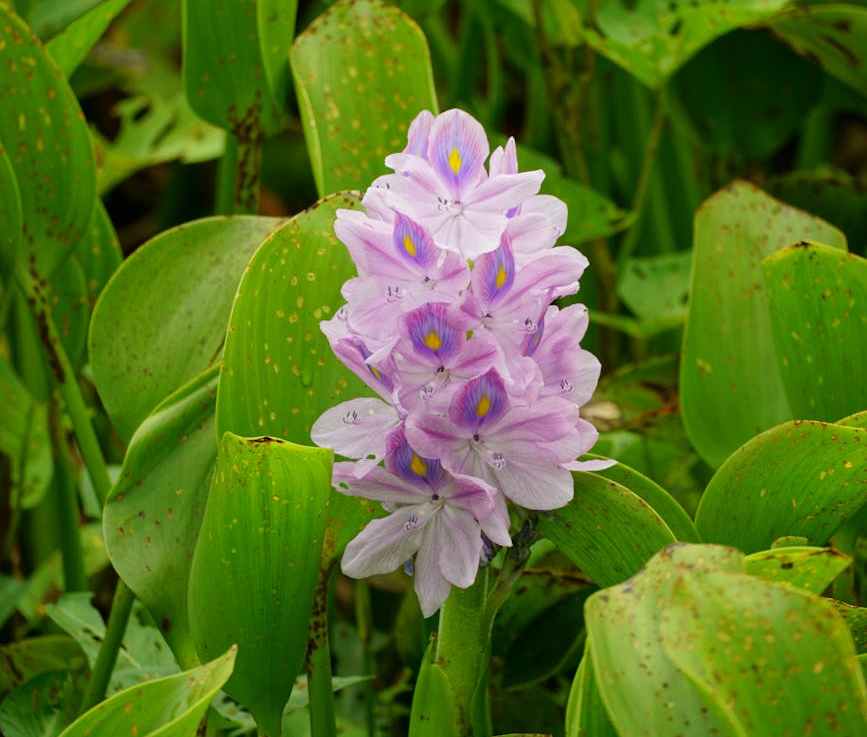
Pollution remediation is necessary to restore nature to its proper function. What if we were to use biological systems to accomplish this? Well, this Bioremediation can be carried out using plants, fungi, microalgae, and bacteria to remove pollutants from the environment. Bioremediation is often less expensive and more eco-friendy than artificial processes.

Why Hydric Soils Are Critical to Wetland Restoration

Why Hydric Soils Are Critical to Wetland Restoration

Why Hydric Soils Are Critical to Wetland Restoration

11/19/24

“Why are hydric soils critical to wetland restoration?”

Wetland foliage requires hydric soils to survive. If there is a presence of hydric soils, then it means wetlands can be restored at that location. This is Why Hydric Soils Are Critical to Wetland Restoration.