Category: Ecology

In Situ Bioremediation

In Situ Bioremediation

In Situ Bioremediation

12/23/24

“How can bioremediation treat polluted sites directly?”

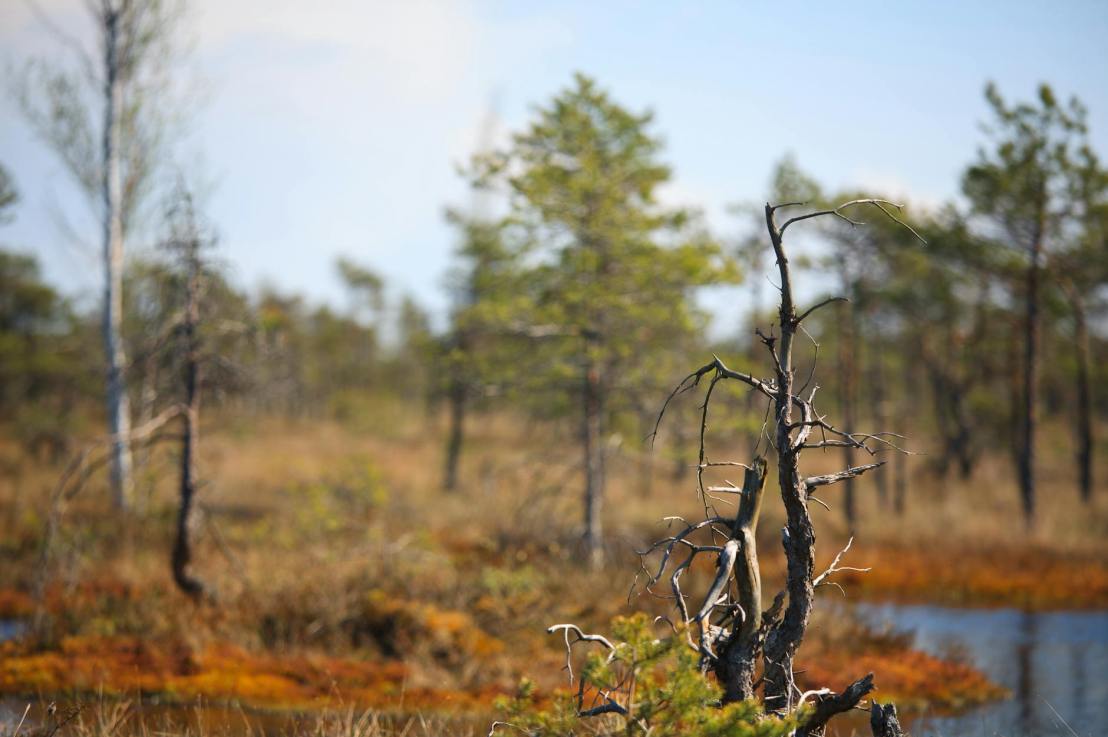
Bioremediation uses biological organisms to treat pollution. Techniques that directly treat polluted sites are known as In Situ Bioremediation. Potential applications range from directly applying oxygen flow to unsaturated soil zones to adding helpful bacteria. 
Bioremediation

Bioremediation

Bioremediation

11/22/24

“How can we use biological organisms to remove pollutants?”

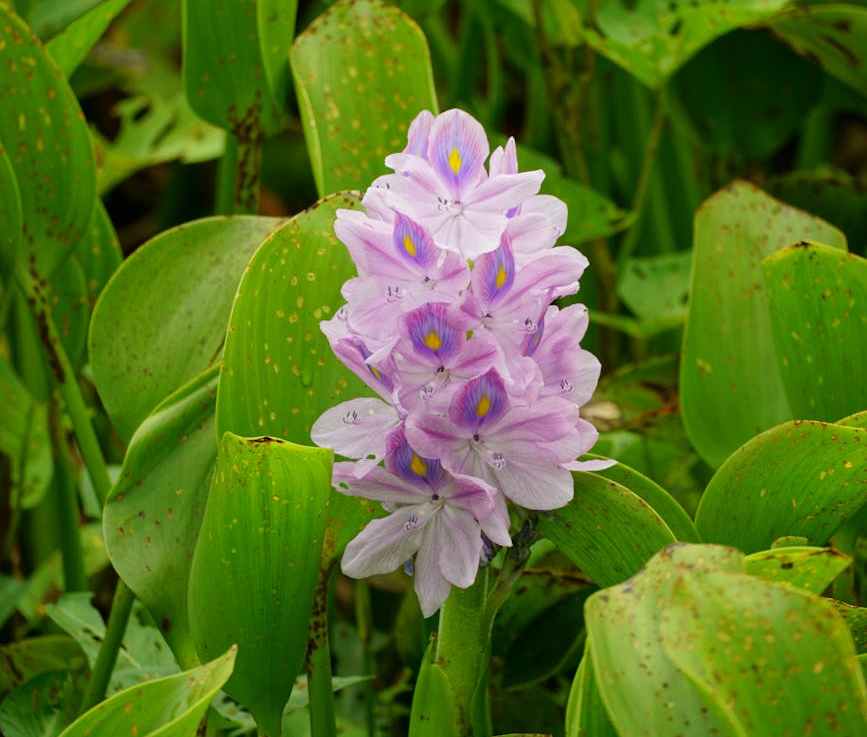
Pollution remediation is necessary to restore nature to its proper function. What if we were to use biological systems to accomplish this? Well, this Bioremediation can be carried out using plants, fungi, microalgae, and bacteria to remove pollutants from the environment. Bioremediation is often less expensive and more eco-friendy than artificial processes.

Why Hydric Soils Are Critical to Wetland Restoration

Why Hydric Soils Are Critical to Wetland Restoration

Why Hydric Soils Are Critical to Wetland Restoration

11/19/24

“Why are hydric soils critical to wetland restoration?”

Wetland foliage requires hydric soils to survive. If there is a presence of hydric soils, then it means wetlands can be restored at that location. This is Why Hydric Soils Are Critical to Wetland Restoration.

Hydric Soils

Hydric Soils

Hydric Soils

11/18/24

“What happens when soils are hypersaturated with water?”

Soils can be saturated by water from time to time. When they become hypersaturated by water, they can become anaerobic (oxygen-deprived) Hydric Soils that can support swamplands.

Tectonic Estuaries

Tectonic Estuaries

Tectonic Estuaries

11/16/24

“How can tectonic movements create estuaries?”

Estuaries are magnificent forms of nature. One of the most fascinating ways estuaries are formed is when tectonic movement causes a piece of land to sink and for surrounding water to fill it. This forms a Tectonic Estuary. The San Francisco Bay is an example of a tidal estuary. 

Bar-Built Estuaries

Bar-Built Estuaries

Bar-Built Estuaries

11/15/24

“How can barrier islands create special estuaries?”

Barrier islands protect mainlands from harsh storms. Sometimes their backside also forms an estuary with a nearby river. These Bar-Built Estuaries typically have low water volume flows with the surrounding ocean, and can even temporarily turn into lagoons. The Salmon River in Oregon is an example of a bar-built estuary.

Image credit: http://www.oregonconservationstrategy.com

Holdfasts

Holdfasts

Holdfasts

11/14/24

“What is the equivalent of roots for ocean algae organisms like seaweed?”

Ocean algae organisms like seaweed are attached to ocean ground. But what attaches them to that ground? Well, it comes in the form of something called a Holdfast that functions much like roots.

Ephemeral Creeks

Ephemeral Creeks

Ephemeral Creeks

11/12/24

“Are there creeks that only flow during rain?”

People typically think that water in creeks flows throughout the entire year. However, some creeks only flow during precipitation events. These Ephemeral Creeks are more common in arid and semi-arid environments.