Category: Ecology

 Landscape Grading

 Landscape Grading

 Landscape Grading

07/24/25

“How can we re-level the landscape to improve drainage and aesthetics?”

Landscapes vary in shape and size. Sometimes, their topography might make them more susceptible to creating flooding issues. One way to solve this is to re-level them through Landscape Grading. Landscape grading involves contouring the area to improve drainage and aesthetics. Landscape grading is another tool in the toolshed for landscape professionals all over the world.
Soil Compaction

Soil Compaction

Soil Compaction

07/22/25

“What happens to soil when its particles are pressed together?”

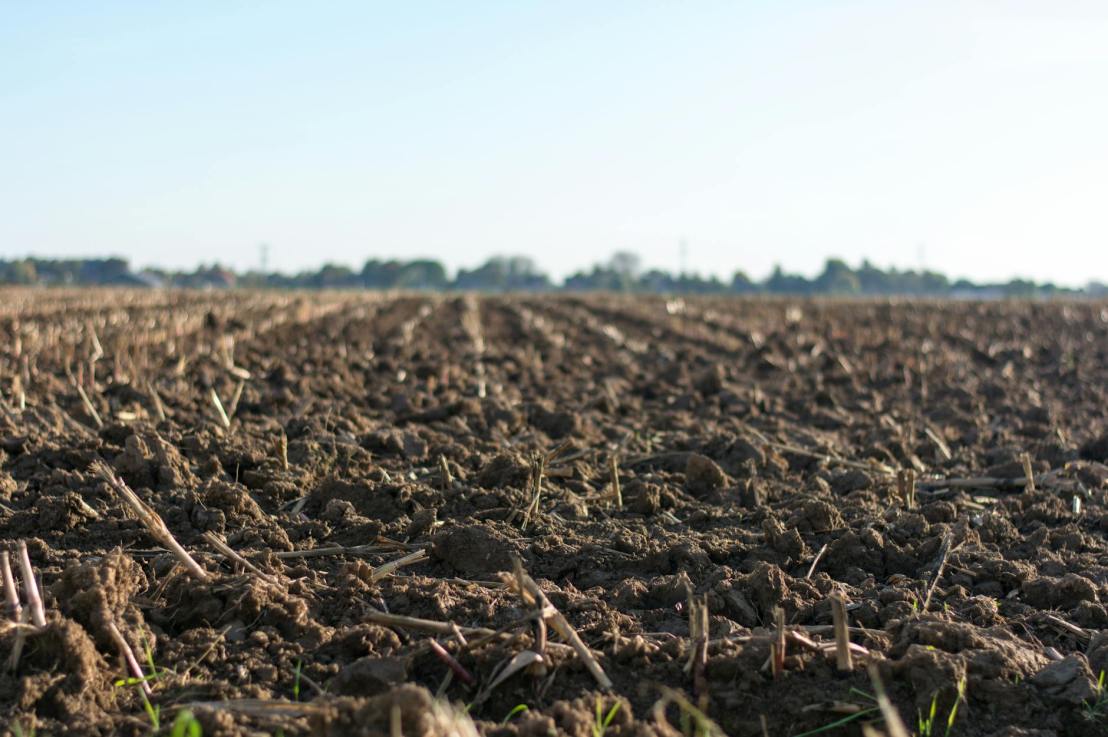
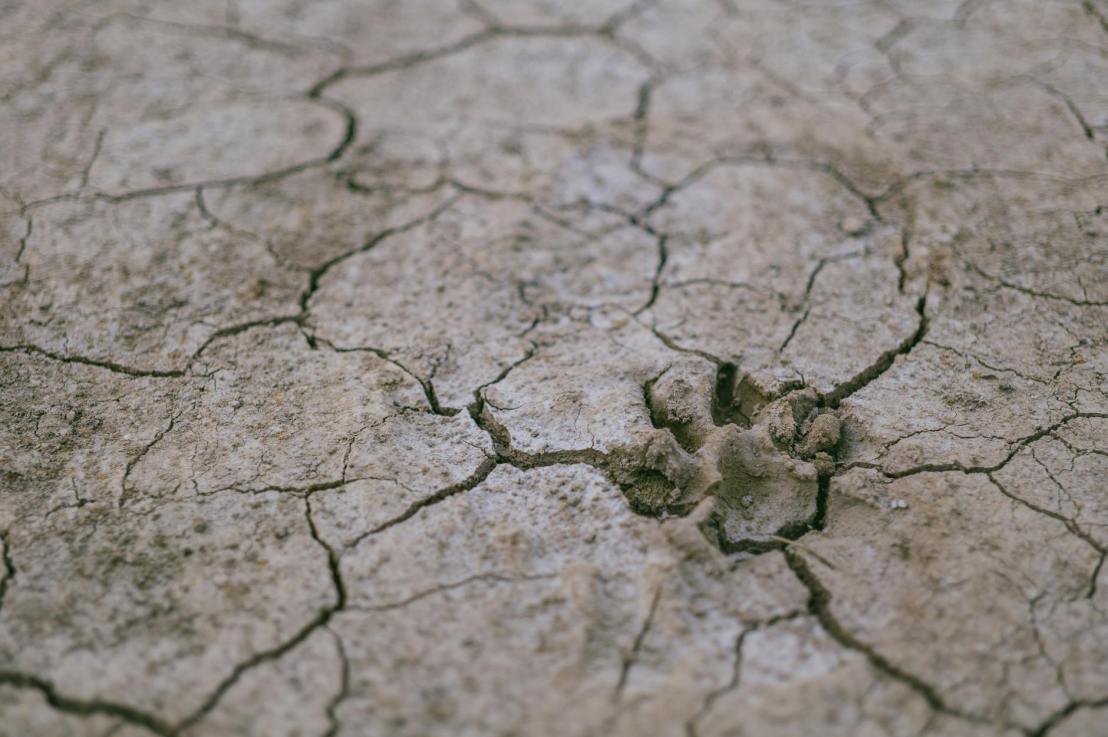
Soil is one of the foundations of terrestrial life on Earth. Soil’s porosity allows for water infiltration and drainage. But when soil particles are crushed together, they lose much of their porosity, leading to worse drainage, which can stifle plant growth and increase stormwater runoff/soil erosion. This Soil Compaction is a major problem for agricultural and stormwater management and requires amelioration to minimize damage.

Marine Protected Areas

Marine Protected Areas

Marine Protected Areas

07/09/25

“How can we protect marine ecological areas?”

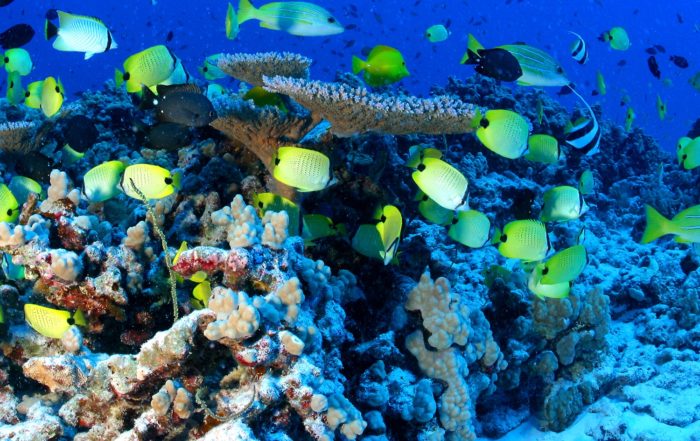
Industrial activity in marine areas can destroy ecosystems. One way to prevent this is to limit all human activities that don’t contribute to ecological and cultural conservation. Governments and international bodies establish these Marine Protected Areas to ensure ecosystem stability.

Image credit: https://marinesanctuary.org/

Permafrost

Permafrost

Permafrost

06/30/25

“What happens when soil is frozen for more than two years?”

Soil’s temperature depends on the air’s temperature. When soil is frozen for two or more years, it develops into Permafrost. Permafrost upholds tundra ecosystems, and is prone to physical collapse upon melting. Permafrost is commonly found in far northern latitudes and the Tibetan Plateau. 

Salt Marshes

Salt Marshes

Salt Marshes

06/15/25

“How are there marshes in salt water?”

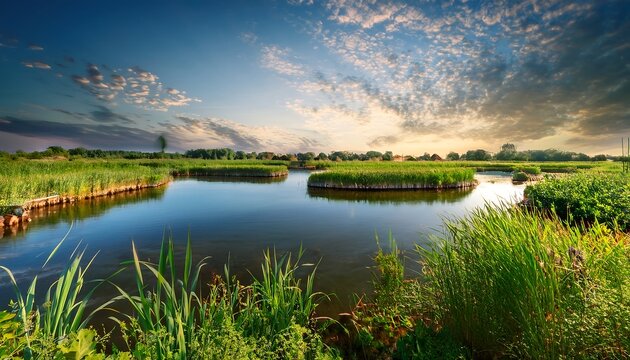
Marshes are wetlands with shallow, stationary water. Marshes that border coastal saltwater are called Salt Marshes. Salt marsh plants are typically salt-tolerant and play a large role in binding sediments. Salt marshes are vital for coastal protection, and many environmental planners are working on restoring salt marshes.

Why Constructed Wetlands Have Low Operating Costs

Why Constructed Wetlands Have Low Operating Costs

Why Constructed Wetlands Have Low Operating Costs

04/12/25

“Why do constructed wetlands have lower operating costs?”

Constructed wetlands provide water treatment through passive mechanisms without relying on complex machinery and operations. These factors make constructed wetlands more affordable to build and maintain than their mechanical equivalents. This is Why Constructed Wetlands Have Low Operating Costs.

Why Rivers Were Channeled Into Culverts

Why Rivers Were Channeled Into Culverts

Why Rivers Were Channeled Into Culverts

03/20/25

“Why were rivers channeled into culverts?”

It’s common to hear about the dangers of culverting rivers and the need to daylight these bodies of water. But why were rivers culverted in the first place? Well, the thinking was that open rivers are difficult to control, flood during storms, and prevent construction from taking place. Channeling rivers into a culvert allowed flood control and development to occur. This is Why Rivers Were Channeled Into Culverts.

Plant Communities

Plant Communities

Plant Communities

02/27/25

“How can we describe groups of closely interdependent plants?”

Living beings live in communities. Plants are no exception. Plants that interact interdependently with each other in close geographic proximity form Plant Communities. Plant communities have definite visual boundaries, and form a foundation of ecosystems.