Category: Ecology

Mulch

Mulch

Mulch

12/08/25

“How can we improve soil health by applying a top layer of materials?”

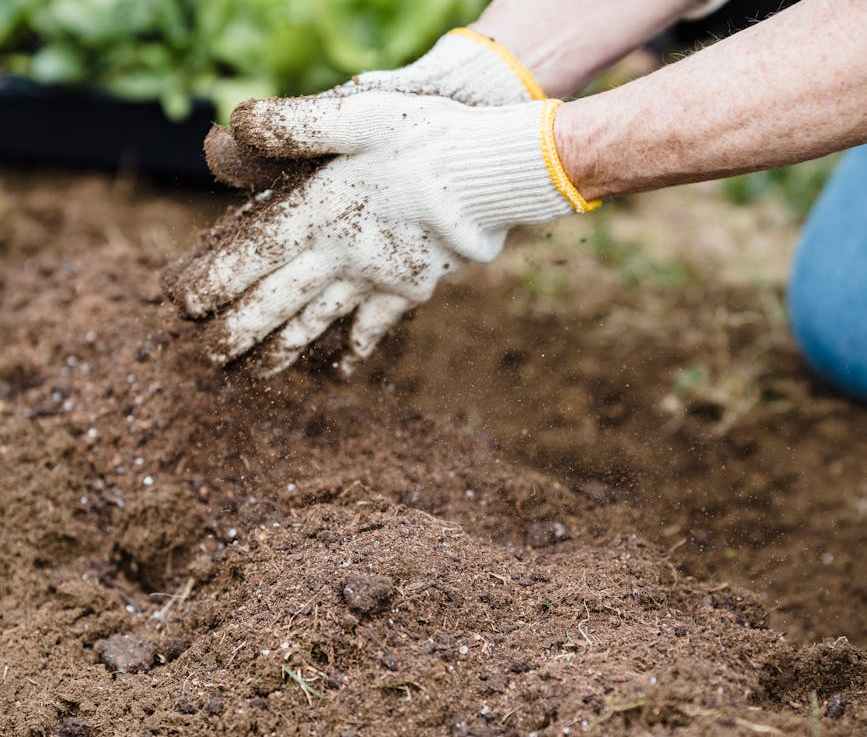
People have been stewarding plants since the dawn of agriculture. One of the biggest determinants of vegetative productivity is soil quality. The higher the quality of the soil, the better the planting outcomes achieved. So what if we could apply a top layer of material to improve soil quality? Well, people have been doing through Mulch. Mulch materials improve soil quality through better soil moisture conservation, reducing weed potential, and enhancing fertility. Examples of mulch include grass clippings, compost, and hay.

Check Dams

Check Dams

Check Dams

11/14/25

“How can we prevent erosion using structures that slow down water flow?”

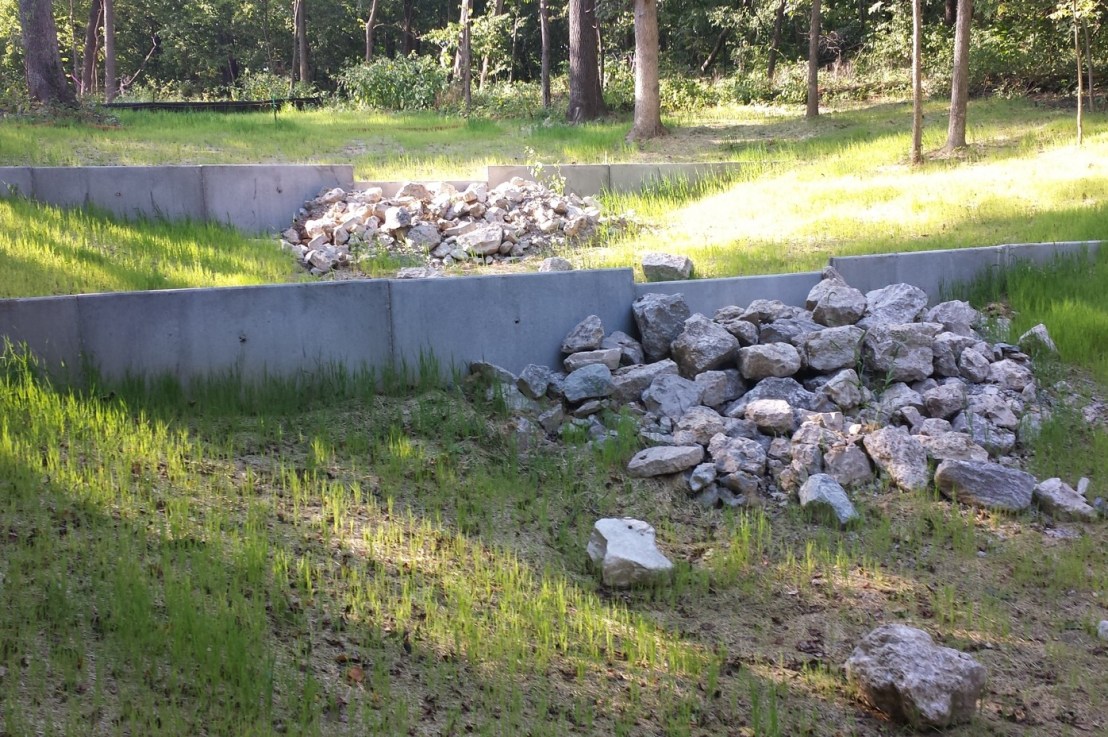
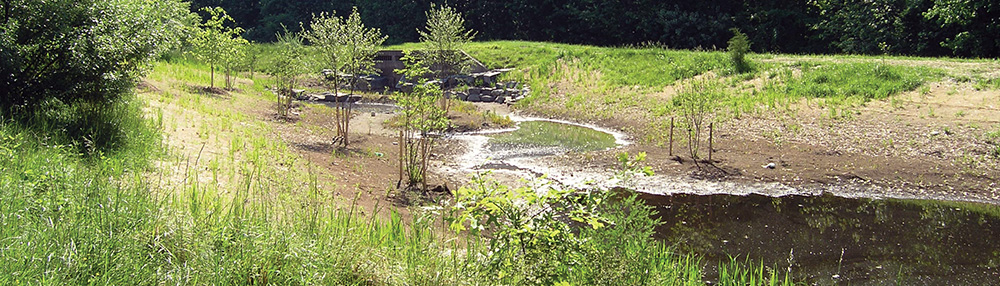
Water flowing too fast in a specific area can lead to erosion. We can slow water down to prevent erosion, not only by removing harsh friction but also by allowing sediment to settle and replenish eroded gullies. Slower water also has more time to infiltrate and recharge groundwater levels. So what if we create miniature dams that impede the flow of water to moderate velocity and achieve sedimentation control? Well, this is the idea behind Check Dams. Check dams are a foundational part of erosion and stormwater management. Infrastructure designers can implement check dams in water quality swales to achieve synergy across both interventions. Check dams are usually implemented in channels or swales instead of live streams. It’s recommended to not build check dams in high-slope environments since the velocities of the incoming water may be too high for check dams to handle effectively.

Image credit: https://stormwater.pca.state.mn.us/

Wet Swales

Wet Swales

Wet Swales

11/13/2025

“How do we categorize water quality swales that are saturated for most of the time?”

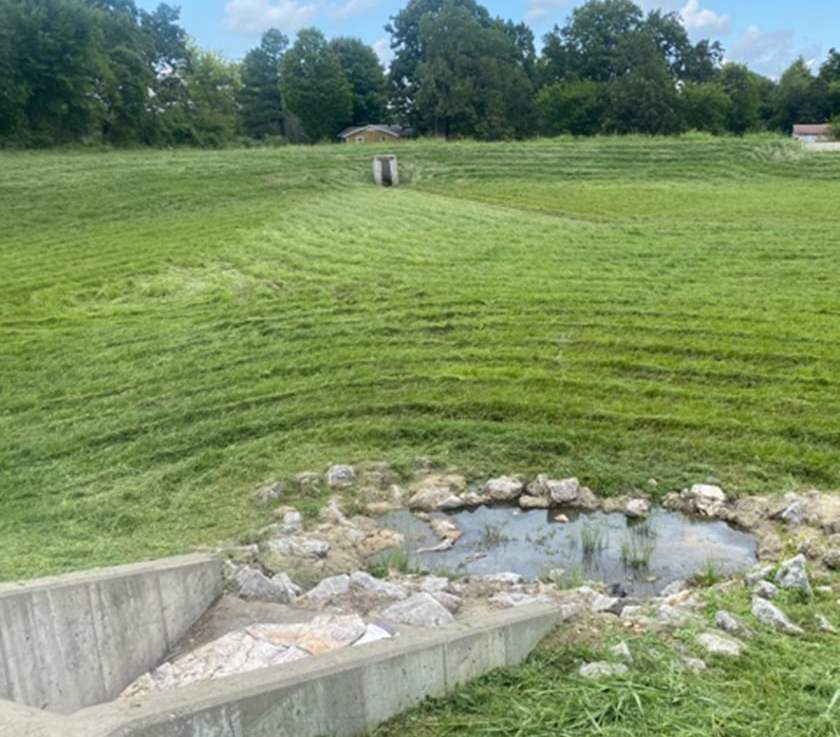
Water quality swales come in many different sizes. Dry swales are dry for most of the time, but there are also Wet Swales that remain saturated for most of the time. Wet swales are built into existing swales and store stormwater runoff within a collection of cells inside the channel. This setup can lead to conditions similar to those found in wetlands. Managers usually implement wet swales to treat and convey stormwater runoff, but not infiltration since they’re not designed for infiltration.

Image credit: https://www.fairfaxcounty.gov/

Dry Swales

Dry Swales

Dry Swales

11/12/2025

“How do we categorize water quality swales that are dry for most of the time?”

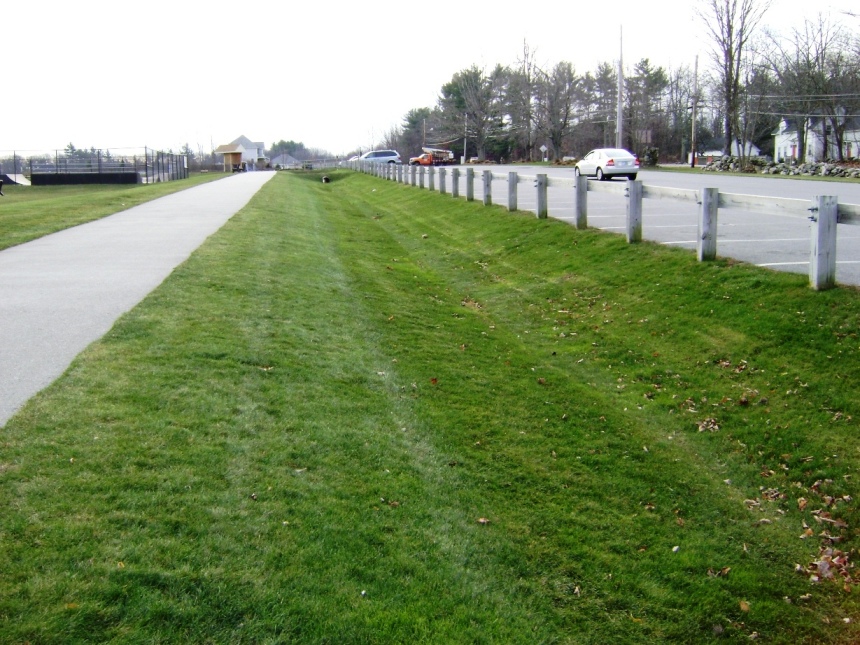
Water quality swales treat stormwater runoff using vegetated open channels. Not all of these interventions are designed the same. Some are dry for most of the time, giving them the name Dry Swales. Dry swales have specifically selected, highly permeable soil, an underdrain system, and surrounding check dams. Dry swales provide strong performance for metals and nitrate removal, but have higher costs from using highly permeable soils and underdrain systems.

Image credit: https://aqualisco.com/

Water Quality Swales

Water Quality Swales

Water Quality Swales

11/11/25

“How can we treat stormwater runoff using vegetated open channels?”

Stormwater runoff can carry pollution into nearby water bodies. Government bodies may require building and construction operators to slow down and treat stormwater pollution loads coming from their properties. So what’s one way people can accomplish this without using a complicated system? Well, we know that vegetation naturally slows down water and absorbs pollutants while providing infiltration potential. We also know that directing water through a channel allows people to manage the direction of flow. So what if we were to create landscaped vegetation channels that can slow down water, allowing for sediments to settle, infiltration to occur, and pollutants/nutrients to get trapped? Well, this is the basis for Water Quality Swales. Water quality swale slopes are typically at a gentle 3 feet horizontal by 1 foot vertical slope to avoid quick channel flow and maximize surface area for filtration. Land-use managers should install water quality swales before impervious surfaces to enable proper infiltration.

Image credit: https://megamanual.geosyntec.com/

No Net Increase

No Net Increase

No Net Increase

11/08/25

“How do we ensure new developments don’t increase the amount of hazardous substances in a body of water?”

People generally don’t want a water body to become more polluted, especially if it already has many hazards. Consequently, environmental regulators work to prevent more toxins from entering sewer systems using No Net Increase rules. No net increase regulations state that any development must not increase the amount of pollutants entering the water body of release. Infrastructure and construction operators must undertake best management practices to satisfy no net increase rules. One approach is to remove as much pollution as you discharge.

Why New York City’s Gowanus Canal is So Polluted

Why New York City’s Gowanus Canal is So Polluted

Why New York City’s Gowanus Canal is So Polluted

11/05/25

“Why is the Gowanus Canal so polluted?”

The Gowanus Canal has been a fixture of Brooklyn for the past 150 years. Built as a major industrial transportation route, the body of water was subject to decades of pollution from surrounding coal yards, tanneries, machine shops, and many other types of industrial activity. The canal’s design prevented regular movement between the more oxygenated water in New York Harbor and the deoxygenated water in the canal, leading to a filthy, pathogen-infested environment. People also used the Gowanus Canal to carry out illegal dumping activities. Combined sewer overflow events dump raw sewage into the canal during heavy rainstorms. When we look at these reasons together, it’s easy to see Why New York City’s Gowanus Canal is So Polluted.

Image credit: https://cdn.vox-cdn.com/

Stabilization Ponds

Stabilization Ponds

Stabilization Ponds

10/27/25

“How can we use ponds to treat wastewater?”

It’s common for people to associate “modern” wastewater treatment with towering industrial plants that look like they’re straight out of a Martian civilization. But what if I told you that ponds could also serve as effective wastewater treatment? Essentially, ponds can have bacteria that consume the organic matter in wastewater, producing cleaner effluent and carbon dioxide. Algae in the pond can absorb the CO2 and transform it into oxygen to feed the organic-matter-eating bacteria. These systems, known as Stabilization Ponds, are incredible for low-energy, high-land availability communities often found in numerous developing countries.

Image credit: https://encrypted-tbn0.gstatic.com/

Reedbeds

Reedbeds

Reedbeds

10/18/25

“What makes areas populated by reeds so special?”

Reeds are wetland-based plants that can successfully populate large swaths of area, making Reedbeds. These reedbeds host special microorganisms in their root systems that clean wastewater by consuming sewage. Reedbeds are often utilized for constructed wetlands due to their wastewater cleansing capabilities.