“What is the current working group leading federal adaptation synergy in the U.S.?”
On December 8th, 2021, U.S. President Biden signed Executive Order 14057 to catalyze environmental initiatives by the Federal Government. One of the products of this order includes the launch of The U.S. Federal Adaptation and Resilience Group. This working group draws knowledge and expertise from the various U.S. federal agencies to address climate adaptation. Their current (as of writing) activities include discussing climate data for adaptation measures, modeling economic responses for adaptation, natural resource management, and fostering engagement between federal agencies.
Why Metro Systems Can Increase Their Climate Disaster Resilience by Being Less Dependent on Rider Fees
12/18/22
“Why can metro systems increase their climate disaster resilience by being less dependent on rider fees?”
Climate disasters often force massive amounts of people to leave an urban area. This will cause metro ridership to plummet, decreasing ticket sales. While this will lead to a decrease in system revenue, if the financing model is only lightly dependent on ticket sales then its damage will be minimized. This is Why Being Metro Systems Can Increase Their Climate Disaster Resilience by Being Less Dependent on Rider Fees.
“What entity coordinates federal environmental efforts in the U.S.?”
Ever since the passage of the U.S National Environmental Policy Act in 1970, every federal agency has to factor in environmental consequences for significant actions. Enforcement of this is granted to the Council on Environmental Quality, a division of the Executive Office of the President. Every year the Council on Environmental Quality produces a report on the state of the environment for the sitting President.
“Why do U.S federal agencies have to evaluate environmental impacts for every major decision?”
Any major action humanity takes can have drastic environmental impacts. For this reason, The U.S National Environmental Policy Act, or NEPAwas passed by congress in 1970. NEPA binds all federal agencies to factor in environmental impacts during decision-making. Furthermore, federal agencies must warn the public about their actions. NEPA also established the Council on Environmental Quality (CEQ), a part of the Executive Office of the President to ensure NEPA is implemented in federal agencies.
The U.S Endangered Species Conservation Act of 1969
12/08/22
“Why does the U.S prohibit the importation of any endangered species for personal use?”
The Endangered Species Preservation Act of 1966 was a landmark piece of legislation that provided federal protection for endangered species. This was upgraded three years later with the passage of The Endangered Species Conservation Act of 1969. This legislation designated species deemed endangered worldwide to be critical and outlawed the importation of them for personal use.
The U.S Endangered Species Preservation Act of 1966
12/07/22
“What law started the protection of endangered species in the U.S?”
Species may become endangered because of human interference. To protect them, the government may have to intervene. In the United States, this began with the Endangered Species Preservation Act of 1966. This act allows the government to acquire land to protect species classified as endangered.
“How do some governments determine who was a right to water?”
Who has the right to use water can be a contentious question. Whoever controls water can determine if it’s to be used for agriculture, industry, recreation, preservation, and more. To conceptualize this, many governments have codified Water Rights into their laws. Water rights determine the right of a user to use a body of water. Different water rights systems in the United States include riparian, appropriative, and pueblo rights.
“Who is the default owner of petroleum deposits three nautical miles off the coast of U.S States?”
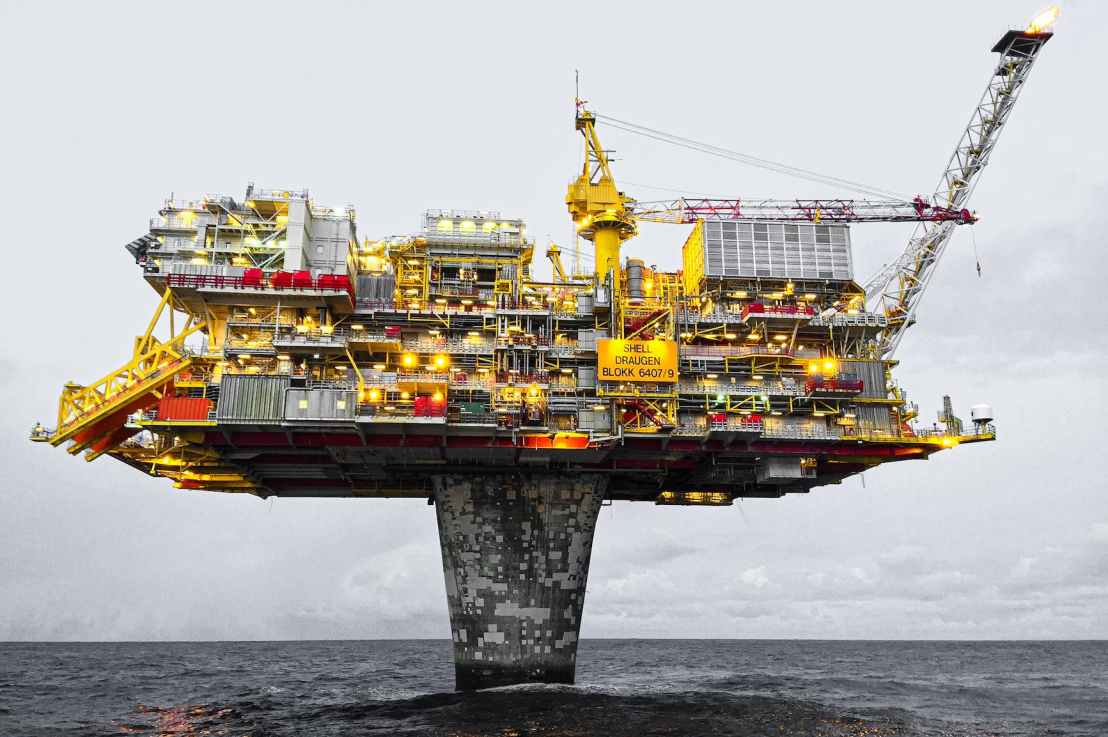
It’s a big question who owns petroleum deposits by default near the coastline in the U.S. After much deliberation, in 1953 the United States Federal Congress passed The United States Submerged Lands Act. This law stipulates that any minerals or deposits found within three nautical miles (5.556 kilometers) of the waters of a U.S State belong to the aforementioned State government. An exception is made for Texas and Florida, who have a right within three nautical leagues (16.668 kilometers).
“What determines if a water body in the U.S state of Louisiana is public or private?”
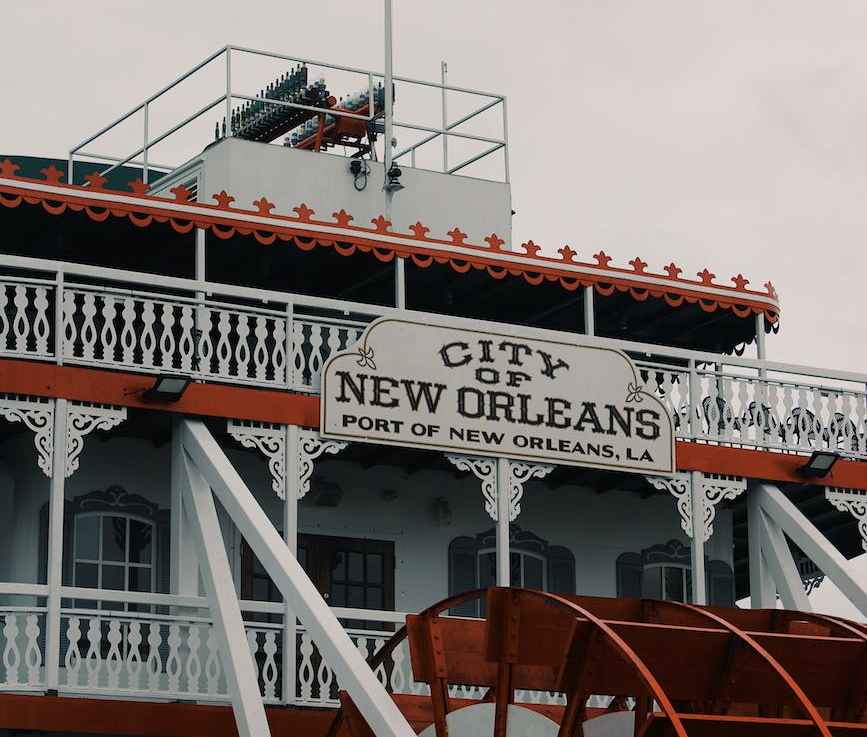
Louisiana was a French and Spanish colony until it entered the United States in 1812. Before this time, all navigable water bodies were deemed to be for the public’s benefit. Once it became a state, all water bodies that were navigable by 1812 were still considered public property, but water bodies that became navigatable after were now considered private. This is what determines Lousiana Water Body Ownership.