Why Tearing Down Highways is a Good Climate Adaptation Measure
10/10/22
“Why is tearing down highways a good climate adaptation measure?”
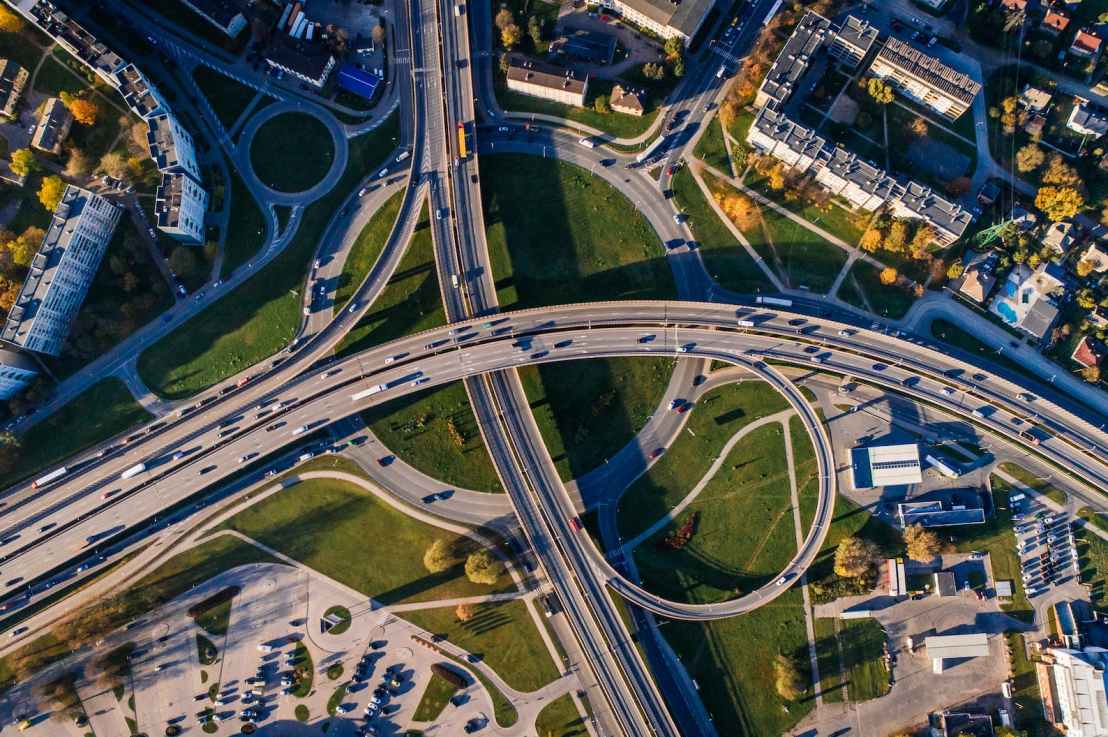
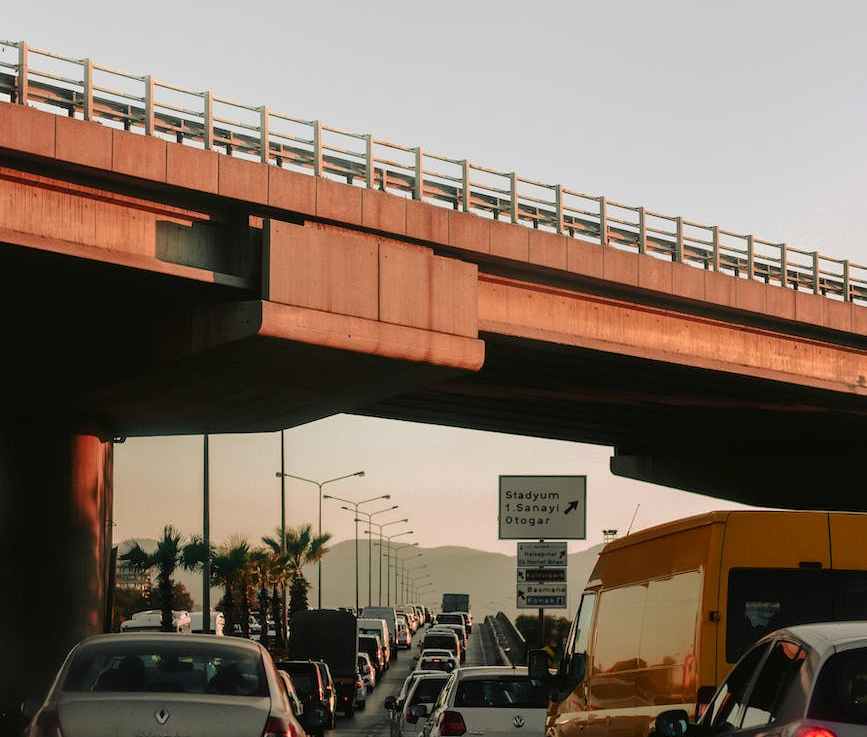
Highways are hazards for communities. They incarcerate communities, block flow underneath them, and can get flooded during rainstorms. All of these are climate hazards that cities have to think about. Tearing them down would be a natural way to make a place more adapted to climate change. The asphalt which once covered the earth can be replaced with flood-absorbing greenery. People who were cut off from the surrounding area can freely move around the area. This is Why Tearing Down Highways is a Good Climate Adaptation Measure.
Why Stopping Dense Housing From Being Built Increases Air Pollution
10/08/22
“Why does stopping dense housing from being built increase air pollution?”
Building affordable dense housing allows people to live in walkable, transit-oriented neighborhoods. But if this can’t happen, then people will be forced to live in outlying areas and drive to work. This increased vehicular traffic results in more air pollution. This is Why Stopping Dense Housing From Being Built Increases Air Pollution.
A clear sky lets light rays glide through space with little disruption. But when air pollution enters the atmosphere, this light bounces off the extra particles. This scattering makes it more difficult for long-distance objects to be seen by observers, decreasing visibility. This is Why Air Pollution Reduces Visibility.
“Why is comparative urban climate adaptation analysis a useful tool?”
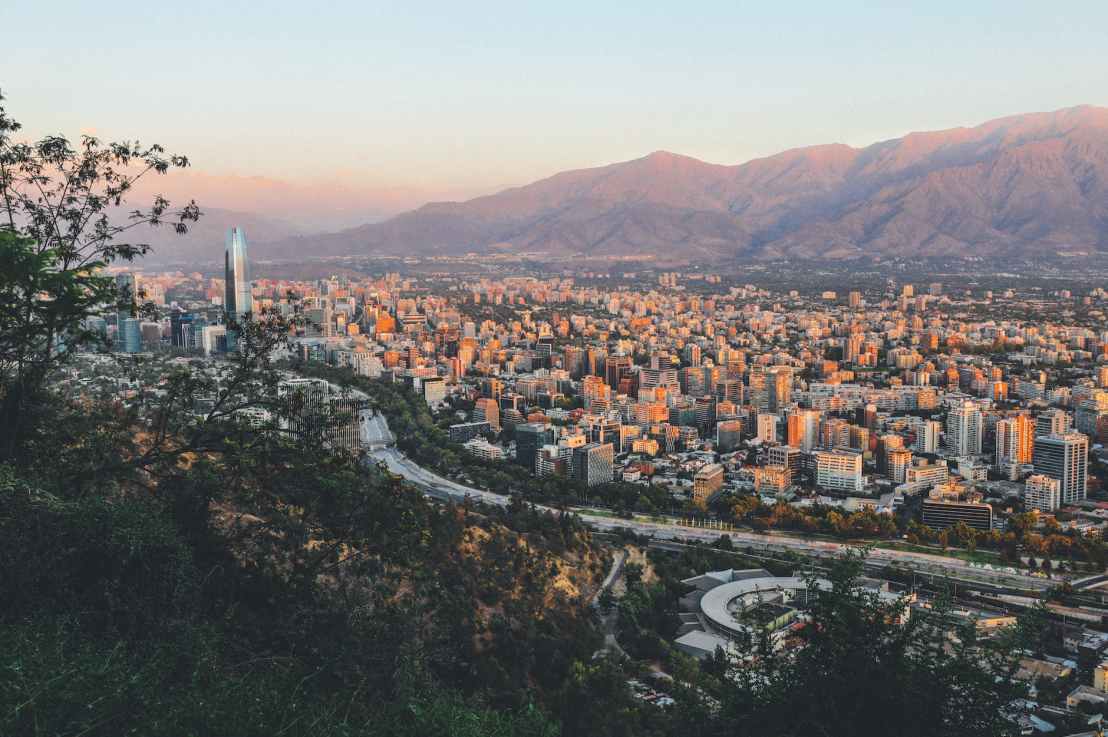
Cities around the world have differing needs when it comes to adapting to climate change. However, looking at them together and seeing how their problems are similar/different could provide for greater understanding. To illustrate, comparing how a drought-prone city like Santiago Chile, and a flood-prone one like Dhaka Bangladesh may have to adapt can help see how practices to solve both challenges could be intertwined. This is why Comparative Urban Climate Adaptation Analysis can be so useful.
Why Piping Needs to Be Designed With the Future Climate in Mind
10/01/22
“Why does piping need to be designed with the future climate in mind?”
Climate change is going to cause climates to change. This means that infrastructure will have to be built to operate in these new conditions. Pipes are no exception to this. This is Why Piping Needs to Be Designed With the Future Climate in Mind.
Why Piping Needs to Be Designed for the Local Climatic Area in Mind
09/30/22
“Why does piping need to be designed with the local climatic area in mind?”
Piping is one of the most vital parts of many modern cities. However, the local climate can have a noticeable effect on these pieces of infrastructure due to thermal expansion and rain/snow. These can rupture pipes and leave them destroyed. But by designing these piping systems with these in mind, resilience can be achieved. This is Why Piping Needs to Be Designed with the Local Climatic Area in Mind.
“How do municipalities communicate that the water is unsafe to drink?”
Water sources can become contaminated. When this happens, residents will have to boil their water before drinking it. Municipalities will often send out Boil Water Notices to inform residents that this will happen. Boil water notices can be sent out in a variety of ways, such as texts, emails, or printed material.
How Low Pressure in Municipal Water Pipes Can Lead to Contamination
09/24/22
“How can low pressure in municipal water pipes lead to contamination?”
Municipal water systems use pressure to send water to customer areas. However, if pressure drops such as through a leak, then other substances can seep into the system. This could lead to contamination, harming residents in a multitude of ways. This is How Low Pressure in Municipal Water Pipes Can Lead to Contamination.
Progressive Mandate Climate Adaptation Building Codes
09/18/22
“Why might climate adaptation building codes that become stricter with time be a useful measure?”
The effects of climate change become increasingly intense with each passing year. Whether it be storms, fires, or heat waves, the effects can be clearly seen. And unfortunately, building codes are often set in stone for long periods of time and can’t update as fast as necessary. So how could we use our climate adaptation mindset to solve this? Well, what if we were to implement codes that are set to have their standards updated every year in response to climate destabilization? These Progressive Mandate Climate Adaptation Building Codes can be another tool in the toolbox for making the built environment more sturdy in the future.






 Isaac's Science Blog