“How can microorganisms coalesce into a sticky object?”
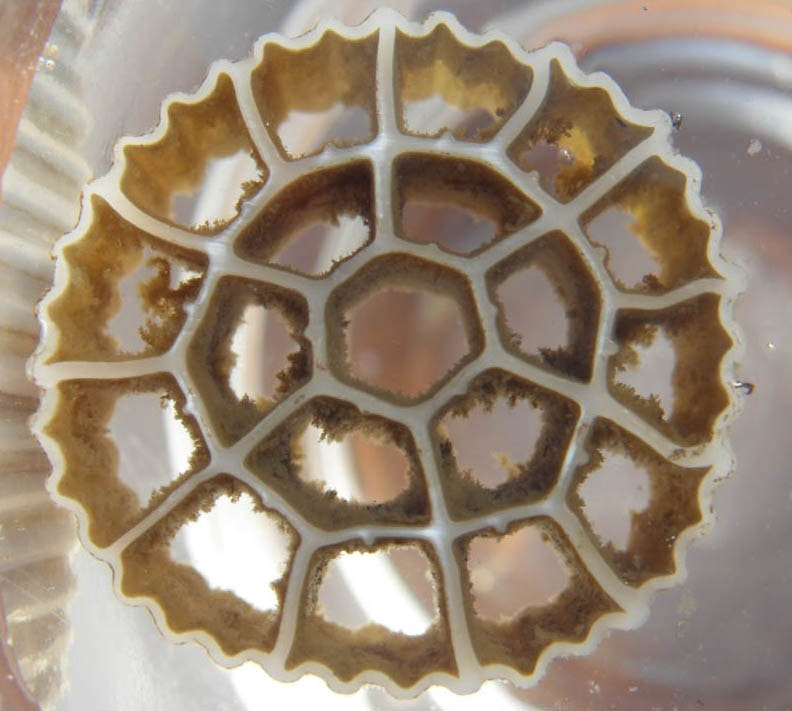
Microorganisms are a wonder to behold. They have so many features that their larger-scale cousins cannot even dream of. One of these is that they’re able to coalesce together to create a sticky object called a Biofilm. Biofilms have a three-dimensional structure and are often conceptualized as “cities for microbes”. Biofilms are commonly used in wastewater treatment to extract and digest organic compounds.
Sand Filters come in all different shapes and sizes. The earliest sand filters were slow-operating mechanisms. Water would slowly trickle over a large, contained sand bed. Over the course of a few weeks, the sand bed will develop a Schmutzdecke, or thin biofilm derived from the accumulation of suspended organic particles and microorganisms from the water. The schmutzdecke will break down organic contaminants as water passes through it. The sand will then adsorb and retain particles from the water as it passes through. The slow process allows for the creation and operation of the schmutzdecke. These Slow Sand Filters are an electricity and chemical-free way to biologically and physically treat water. Slow sand filters usually have a loading rate of 200 – 400 liters of water per square meter per hour, forcing them to take up large amounts of space for municipal usage.
Sand has many wonderful properties. People can use some of these aspects to filter water. Sand’s small pore size makes it easy for large particles to get trapped, stick to sand particles, or settle down from low velocity. So what if we were to fill a filter with sand, pump water onto the top of the sand bed, and then place pipes near the bottom of the sand to catch the cleaned water at the end of the journey? Well, this is the main idea behind Sand Filters. Sand filters are an excellent way to filter water for your purposes. Some sand filters require backwashing to operate
“Why does measuring how much water flows through a tank per area matter for sedimentation tank design?”
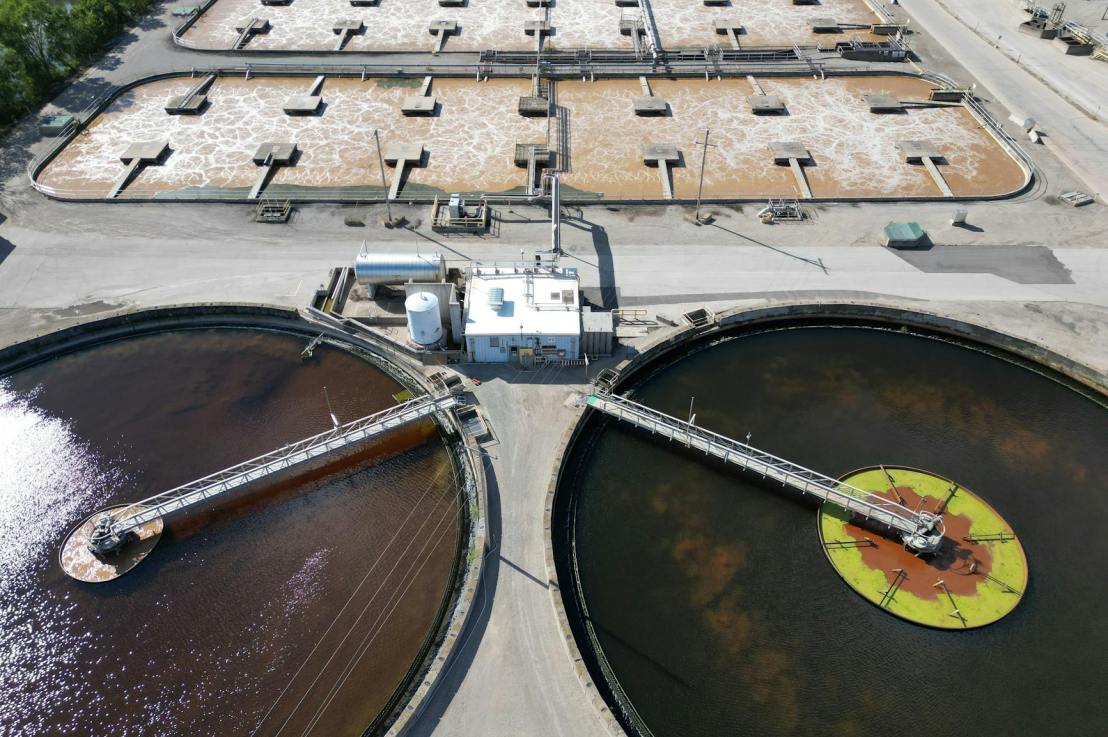
Sedimentation tank design involves a lot of variables. One of them includes how much area a settlement tank will need to take up for effective operation. This can be found out by dividing the volumetric flow by the surface area of the tank to obtain the Surface Overflow Rates. The surface overflow rate expresseshow fast the upward velocity of a clarifier is moving. If the particle settling velocity is faster than the surface overflow rate, then it will succeed in removal.
Dissolved oxygen in water is vital for sustaining aquatic life and supporting aerobic microorganisms. However, if there are too many organisms consuming the dissolved oxygen, then it will eventually be depleted. Common culprits of Dissolved Oxygen Depletion include algal blooms from eutrophication, high water temperatures, low aquatic plant activity, low wind speeds, and large numbers of dead organisms. People must take care of water bodies to prevent dissolved oxygen depletion.
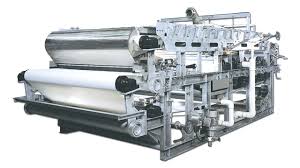
Sludge needs to be dewatered to increase solid content. One way to do it is to condition sludge with a chemical flocculant to aggregate suspended particles, transport it onto a mechanical moving porous belt where free water drains out, then squeeze it into a top belt to force more water out, and then move it through rollers to pressure even more water out, and finally discharge it as a cake. This Beltpress Dewatering syste is a common approach for wastewater dewatering worldwide.
“How can water stay in liquid form while hotter than its boiling point?”
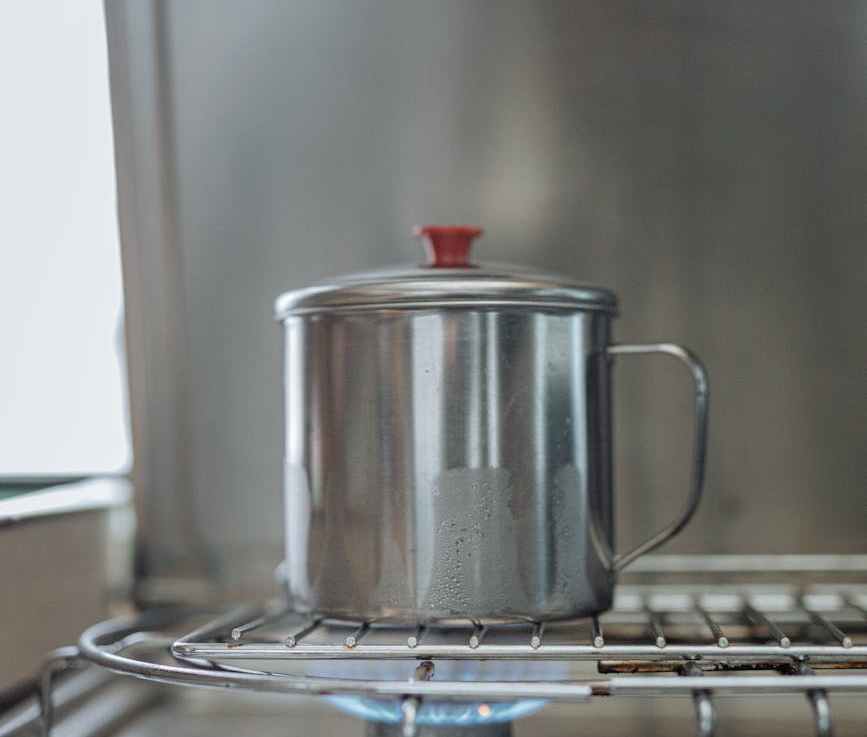
Water at atmospheric pressure levels boils at 100 degrees celsius. But if water is subject to high pressures, it can become Superheated Water at higher temperatures. Superheated water is useful for a multitude of industrial applications such as cleaning and heating.
“How can we visualize how water moves through soil?”
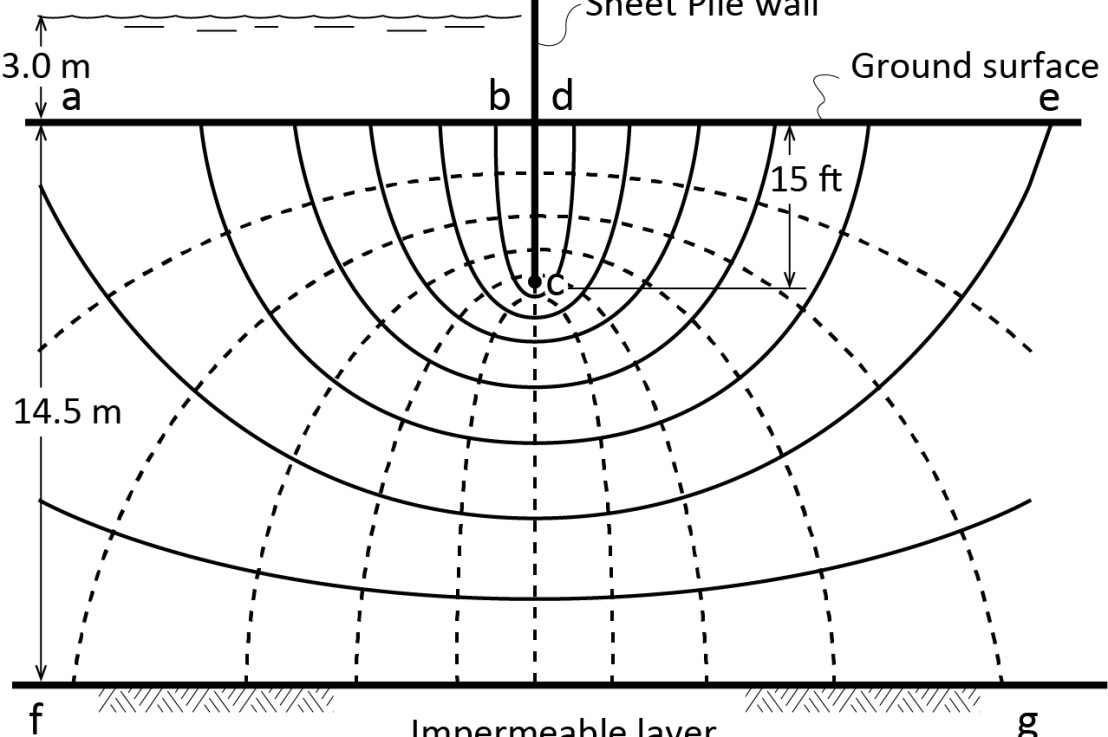
While it may not be obvious, water actually moves through soil. One way we can visualize this is to draw flowlines from the origin to the destination and then equipotential lines going through right angles at equal potentials. These Flow Nets are a great way to spatially describe how water moves through soil. You can use the ratio of the number of flow channels and the number of equipotential drops to estimate the flow through the soil.
The Difference Between Suppressed and Contracted Weirs
02/06/26
“What’s the difference between suppressed and contracted weirs?”
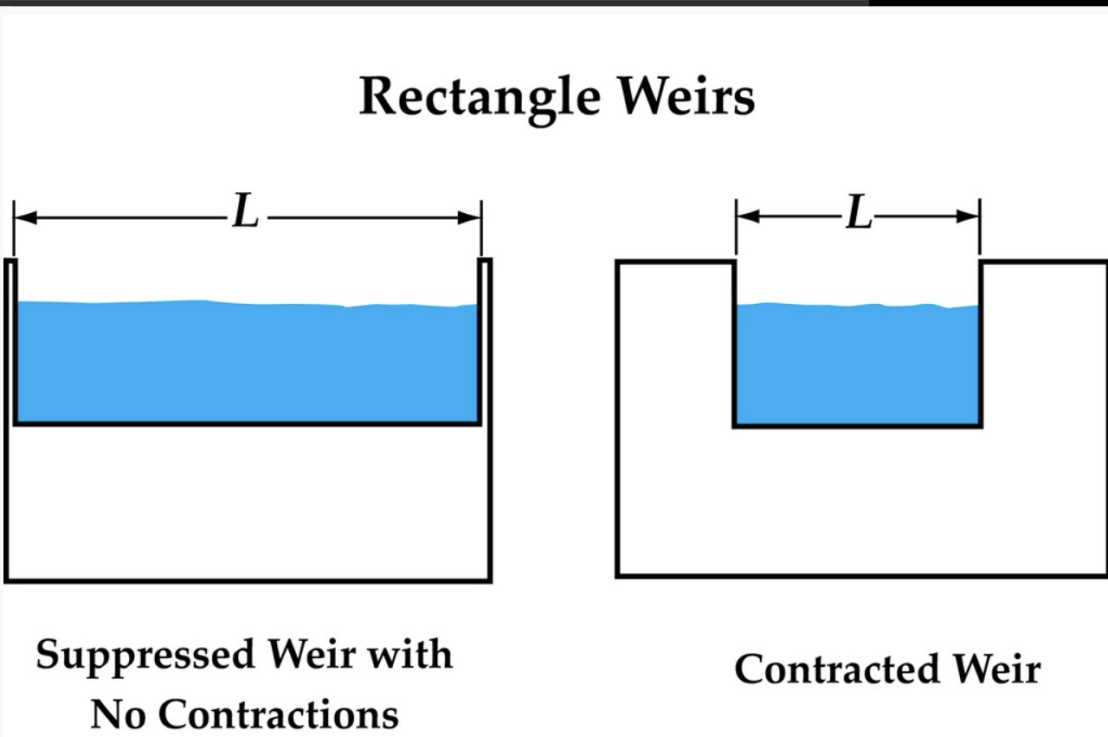
Weirs control water flow heights and measure discharge. Just like there are all types of water flows, there are all types of weirs. Suppressed weirs are simple rectangular blocks that allow the flow to completely pass through them. These are typically used for simple hydraulic and measurement needs. Contracted weirs are like suppressed weirs, except they have two equal-length blocks on top of the flat crest. This forces water to narrow and go through the small opening. Contracted weirs are more commonly used for flows with limited space, given the smaller area needed. This is The Difference Between Suppressed and Contracted Weirs.

 Isaac's Science Blog