“How is it that wildfires can increase social vulnerability?”
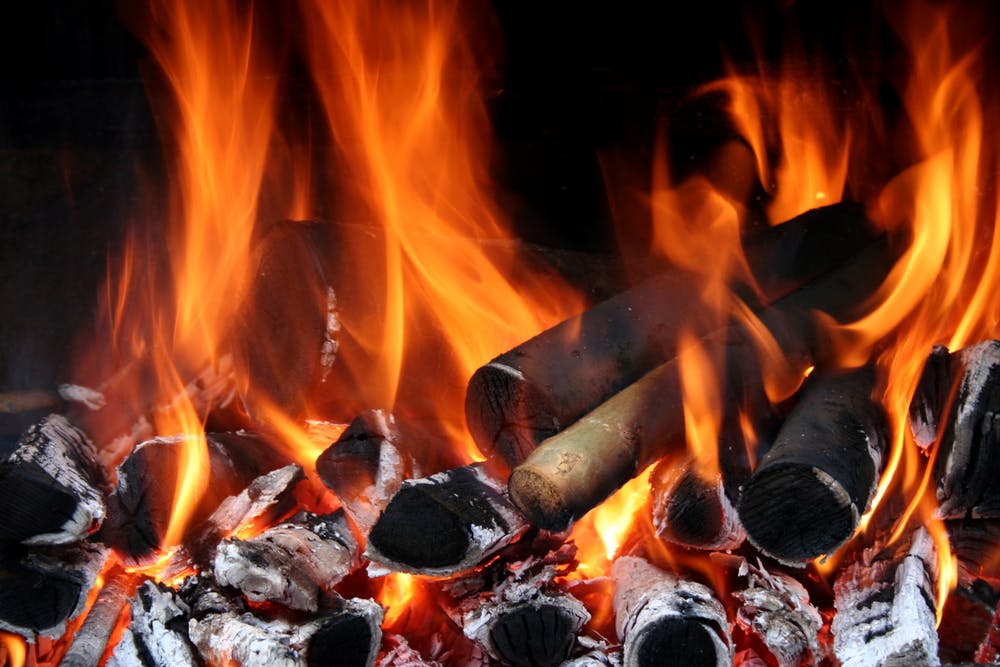
Social vulnerability can be a factor of many things, such as employment opportunities, education level, and monetary income. However, disasters can also be a larger factor. In dry and forested areas such as Northern California, wildfires can wreak havoc on communities, adding to this problem. This is Why Wildfires Can Increase Social Vulnerability.
“How can we computationally process geographic data?”
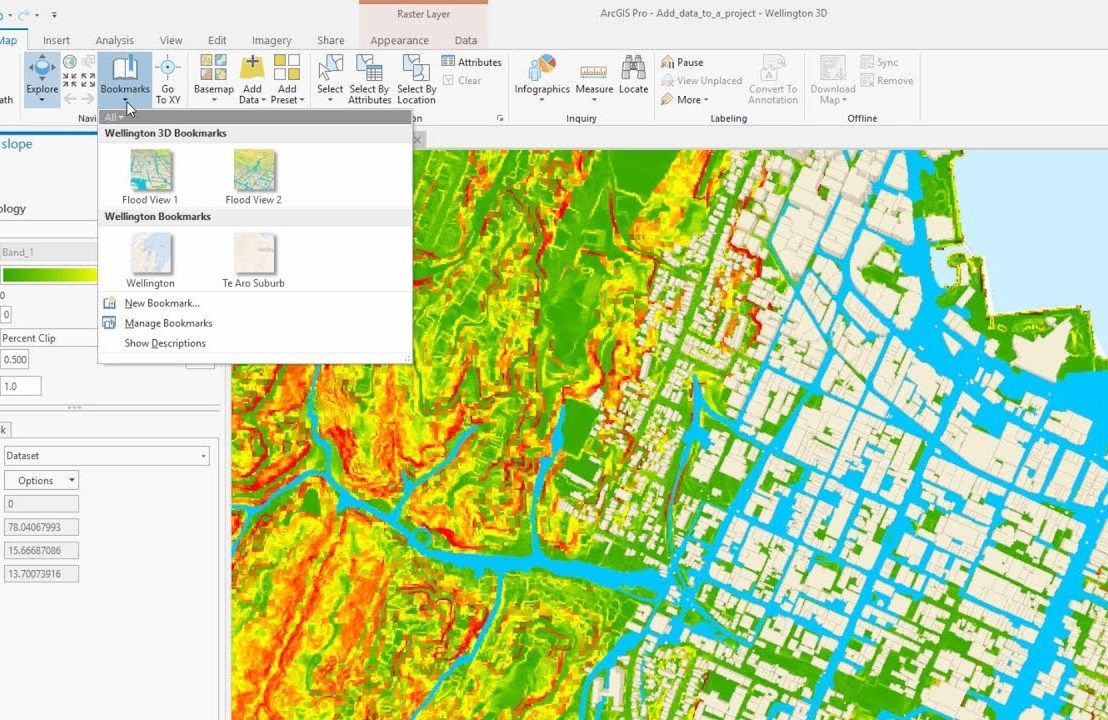
Geographic data is one of the underpinnings of modern computational technology. From visualizing the effects of climate change to voter forecasting, everything seems to stem from these computational techniques. Well, these stem from an organized framework and set of tools that process geographic and related data known as Geoprocessing. Geoprocessing allows researchers to take in data and manipulate it to create new information, such as making a buffer zone around a river.
“Why is weather prediction so important for farming?”
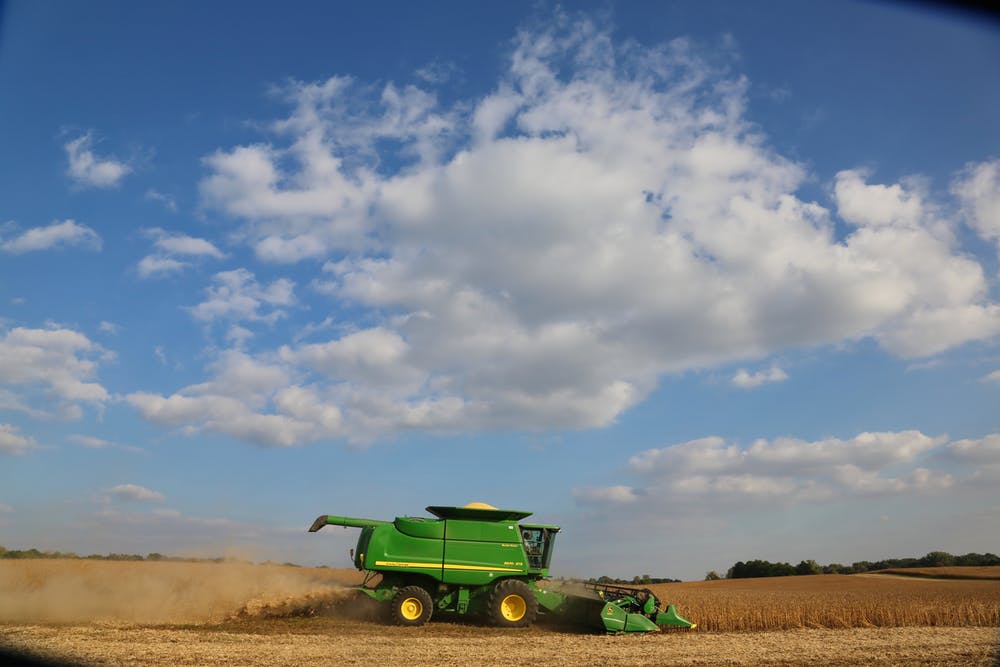
Plants grow according to the availability of sunshine and water. This makes them dependent on the whims of the environment. To help make the amount of produce necessary for the modern world, weather prediction has become an essential tool in optimizing the amount of produce and sensing whether or not bad environmental conditions are to ensue. This is Why Weather Prediction is Critical for Farming.
Why Utilities Should Trim Trees Near Roads for Wildfire Resilience
03/12/20
“Why should utilities trim trees near the road for wildfire resilience?”
Utility lines often run near roads. Trees and other foliage also grow in close proximity. If these interact too much, a wildfire can occur. Cutting down the nearby foliage can reduce this potential loss. This is Why Utilities Should Trim Trees Near Roads for Wildfire Resilience.
Why Climate Resilience and Adaptation Need to Recognize and Correct Past Injustices
03/10/20
“Why does anyone working in resilience and adaptation need to help recognize and correct past injustices?”
Great injustices of the past (and present) have thrust marginalized communities into shakier economic and environmental foundations. And with the advent of climate change, these inequities will only be amplified, whether it be through forced migrations of climate gentrification or inequal access to cooling. Because of this, resilience and adaptation professionals will need to understand what injustices have been caused and work to correct them. Only through this can we understand the problems that face communities and make a truly resilient and sustainable future.
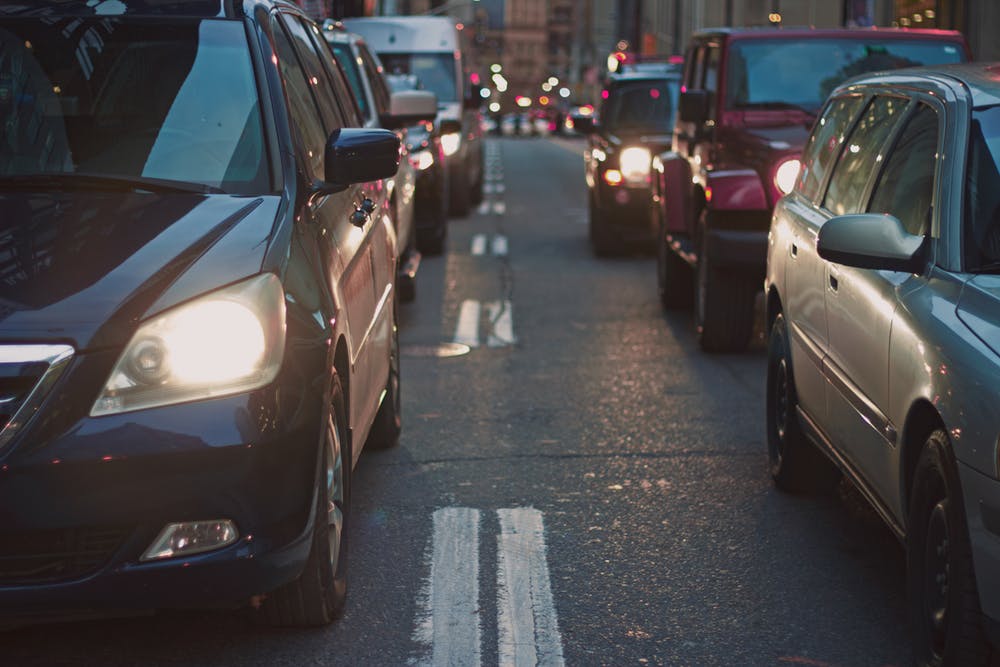
“How can higher gas prices lower carbon emissions?”
Gas quite literally fuels much of our civilization. Whether it be the cars we drive or the planes we fly, gasoline makes us move. Since gas is a commodity, it has a price to it. And when the prices become higher, the more necessary it will be to conserve. As a result, higher gas prices cause people to burn less fuel and therefore fewer emissions into the atmosphere. This is How Higher Gas Prices Can Lower Emissions.
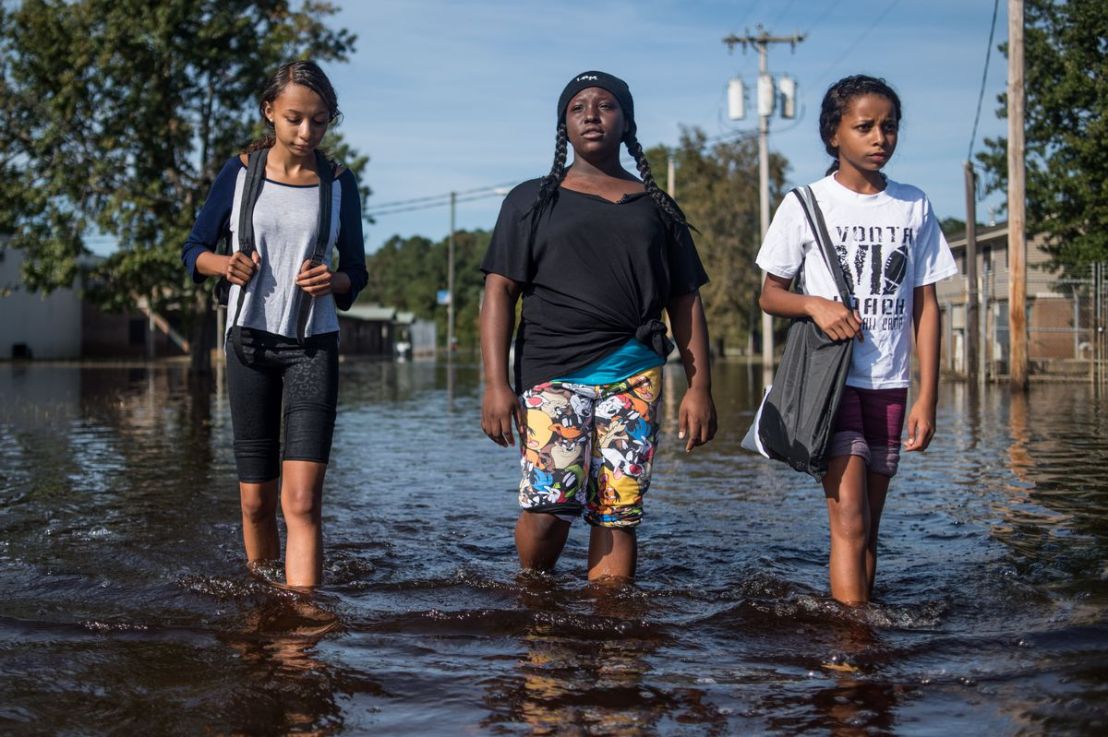
“How can sea-level rise displace people from their homes?”
Since the dawn of civilization, humans have built their cities near the oceans and seas. However, with the advent of climate change, the sea levels are going to rise, destroying structures in their path and forcing people to flee. To prepare for this, governments and communities around the world will need to build their towns in accordance with Displacement From Sea-Level Rise.
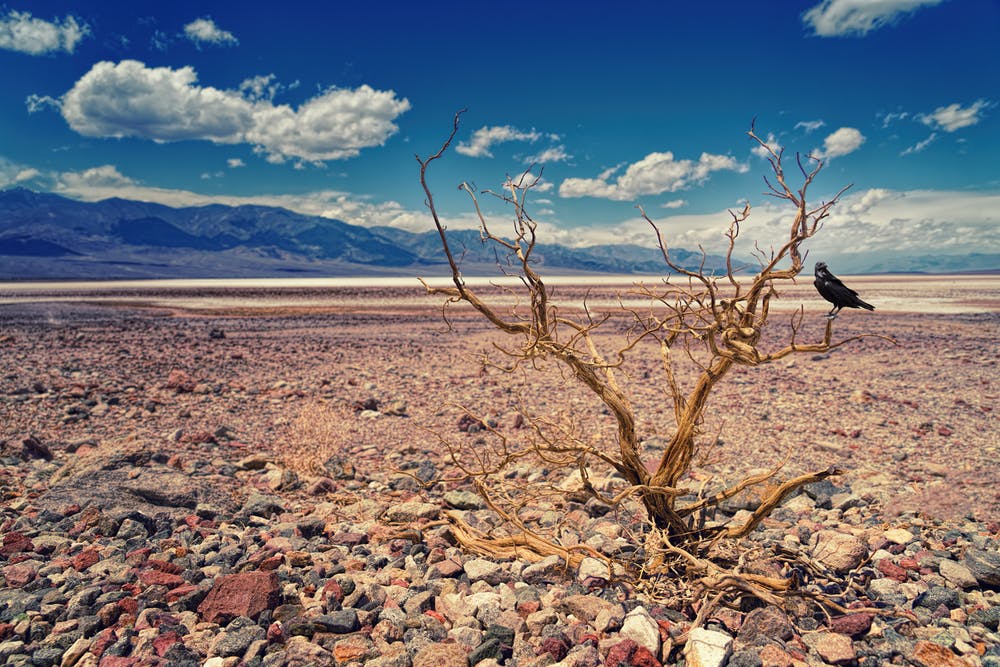
“How can droughts cause mass ecological devastation?”
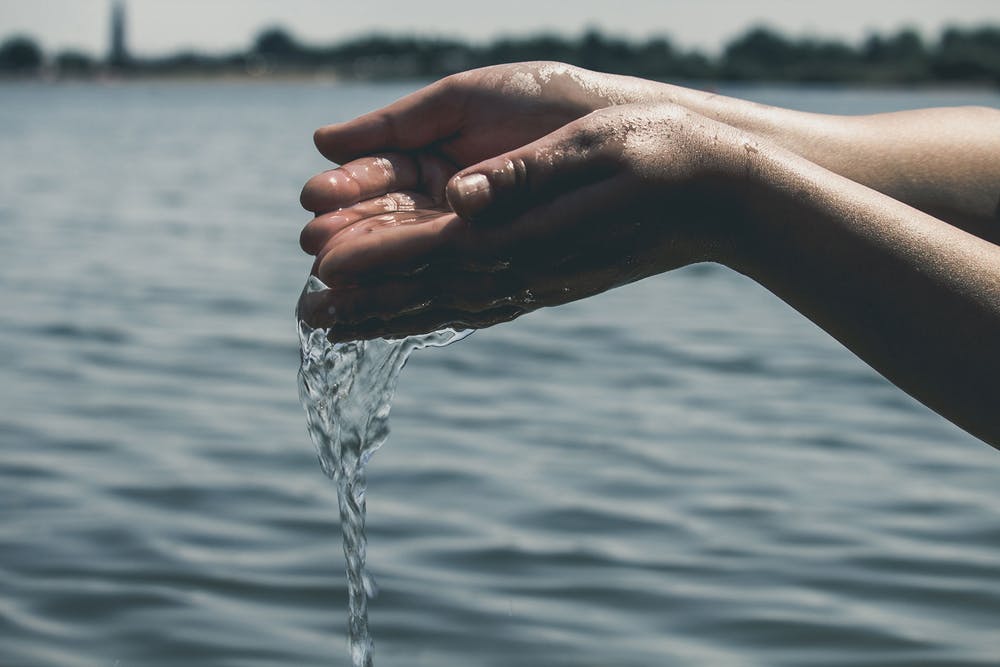
Water is one of the most important ingredients of life. However, with the changing climate, droughts are becoming more common. When there is an extended period of rain-loss, plants can die out, reducing food sources for animals, cascading until a vast ecosystem death occurs. This is How Droughts Can Lead to Ecological Devastation.
How Surfaces With Friction Can Help With Flood Resilience
03/05/20
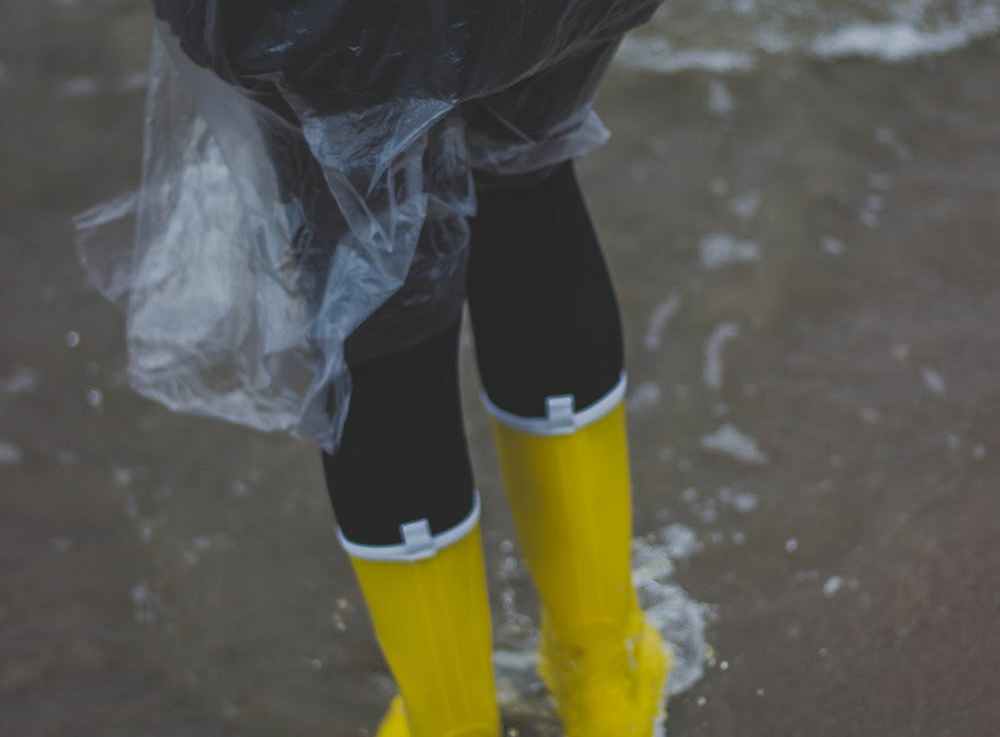
“How can surfaces with friction help with flood resilience?”
Floods can devastate nearby communities with their fast-approaching behavior. However, if the land nearby has frictional elements such as foliage, then the flood energy can be dissipated and prevent destruction. Mangrove forests are a common example of this process. This is How Surfaces With Friction Can Help With Flood Resilience.