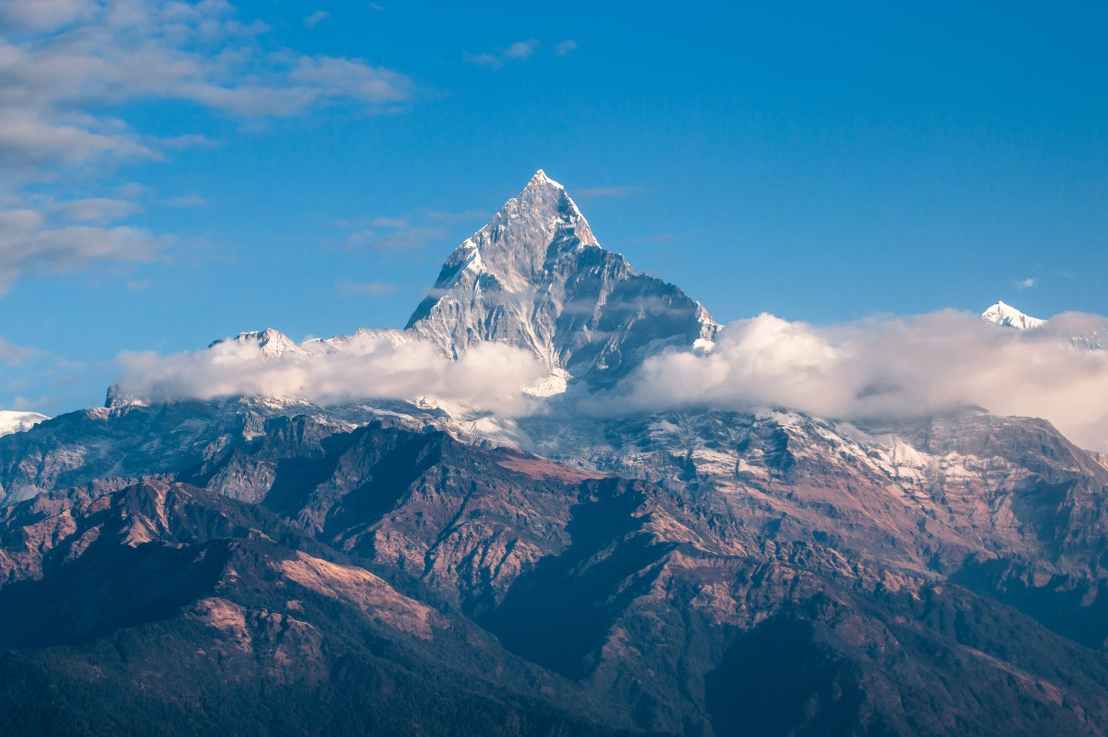
In the universe, the only constant thing is change, and Geology is no exception. Soils, rock, and debris at the top of a mountain will move downhill overtime due to gravity. This process is known as Mass Wasting and is one of the contributing factors to mudslides.
How Recycling Urine Can Help Sustainable Agriculture
01/11/19
“How can recycling your urine be sustainable?”
Urine is one of the biggest pieces of waste that humans create. But it can be recycled for various beneficial uses. One thing it can be is decontaminated to provided water to agriculture. This is How Recycling Urine Can Help Sustainable Agriculture.
Many children around the world play with clay when they are young. But what exactly are they? Well, when natural rock or soil material is highly grounded, it can combine with a large amount of other elements overtime to make Clay. Clay’s flexibility and strength when hardened have made it useful in building materials and early writing utensils.
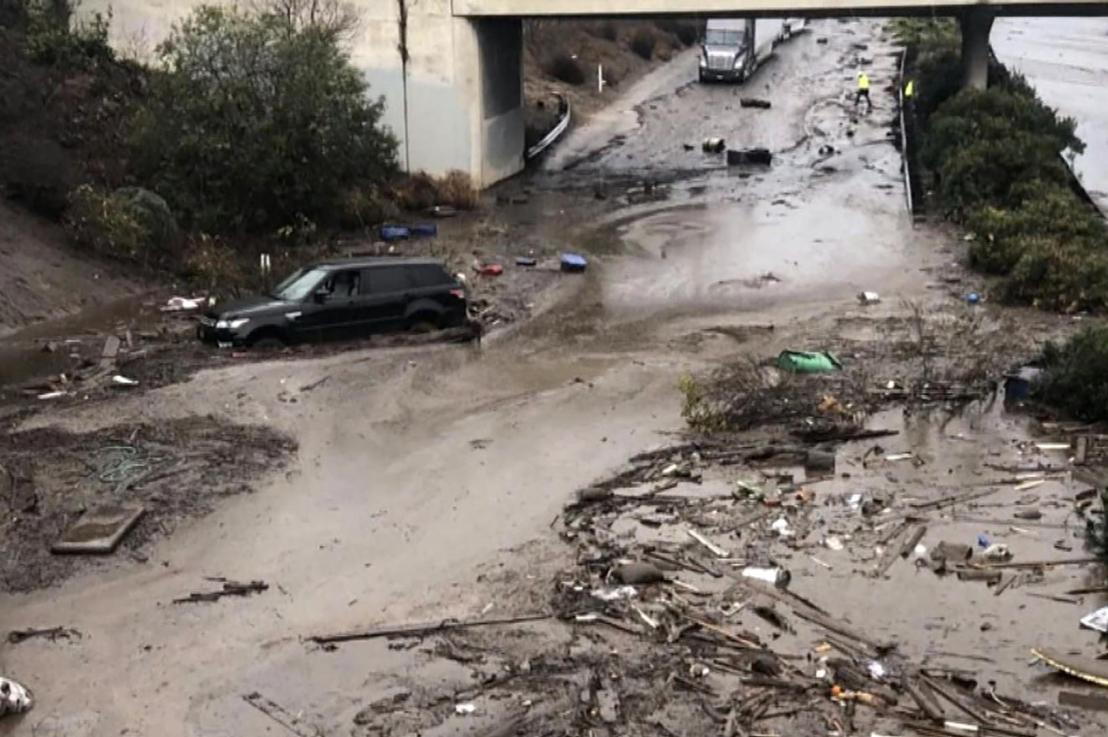
It is well known that the ground is made of dirt. And when this dirt becomes moist in the event of rainfall, it will have less cohesiveness and can flow out. These events are known as Mudslides and can trigger extensive property damage.
“How is rock and soil material transported from one part of the Earth’s surface to another?”
Weathering can break down rocks and soils on the Earth into smaller components. Once they are small enough, they can be easily scooped up by natural Earth fluids such as wind and rainwater runoff. This process is known as Erosion and is one of the most fundamental aspects of geology.
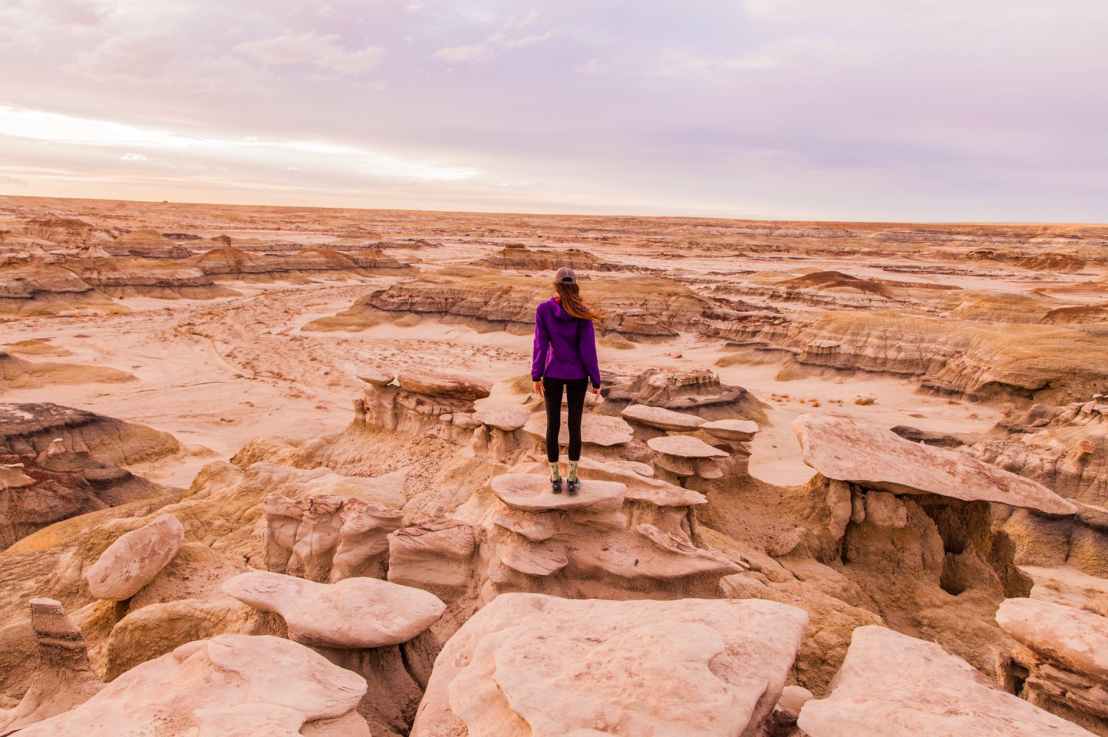
Thanks to entropy, nothing stays permanent over time. This is very true on the geological scale. Over time, rocks on the Earth’s surface will be broken down by contact with the Earth’s Atmosphere, Water, and Biological Organisms. This is known as Weathering and is one of the primary changers of the Earth’s surface.
“How is Heat Transfer Used to Model Climate Change?”
Heat Transfer is one of the foundational course for a Mechanical Engineer. But internal combustion engines and HVAC are not the only things that the theory can be applied to. Climate Scientists will use many of the same Heat Transfer equations when designing climate models. In this way, Heat Transfer is Used to Model Climate Change.
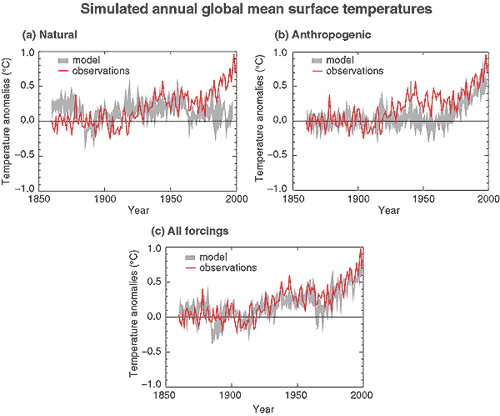
Climate models are extremely useful for helping us predict the impacts of climate change. But how can we verify them? Well, what if we were to map their mathematical functions to historical data and see if they accurately predict temperature rises? If it turns out to be correct, then the model has a good chance of being valid. This Climate Model Verification, often known as hindcasting, gives our methods validity for future policy work.
“How can we create models for the future climate?”
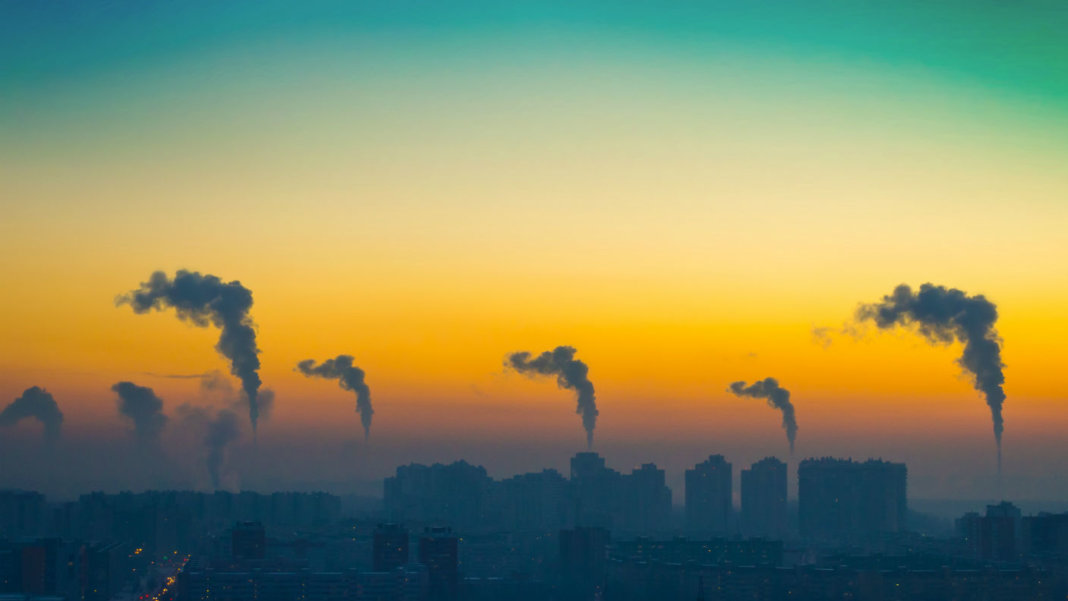
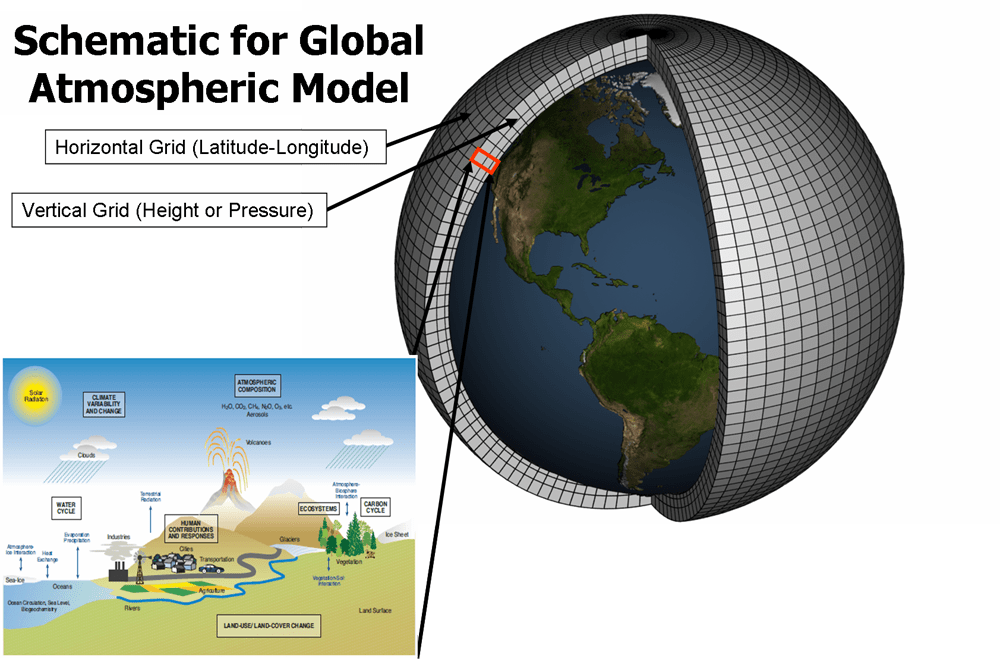
We seem to hear about the predictions of the future climate all the time in the media. Whether it be a warning if we go 2 degrees centigrade above pre-industrial levels or the ever-increasing rate of global warming. But how do we actually obtain this information? Well, people from a variety of different academic disciplines come together to make mathematical models that take in a variety of complex terrestrial processes and their interactions with each other and then layer it on to a physical model of the earth to produce a simulation of what will happen. This is known as Climate Change Modeling and is one of the most important tools that humans have to make policy goals.



 Isaac's Science Blog