Category: Chemistry

Resource Conservation and Recovery Act (RCRA) Sampling

Resource Conservation and Recovery Act (RCRA) Sampling

Resource Conservation and Recovery Act (RCRA) Sampling

02/28/26

“How do we sample waste to make sure it isn’t hazardous?”

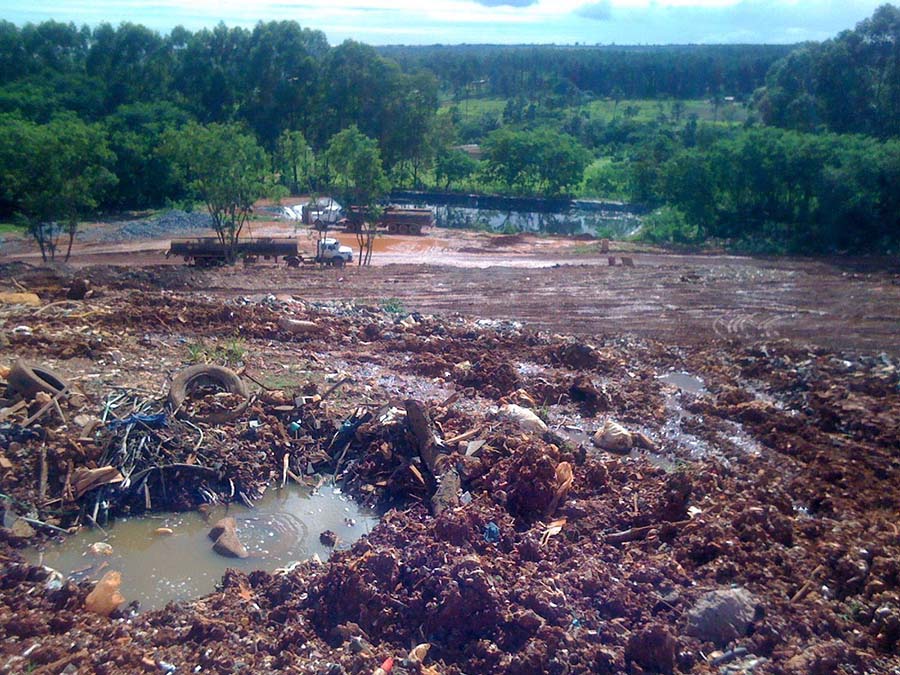
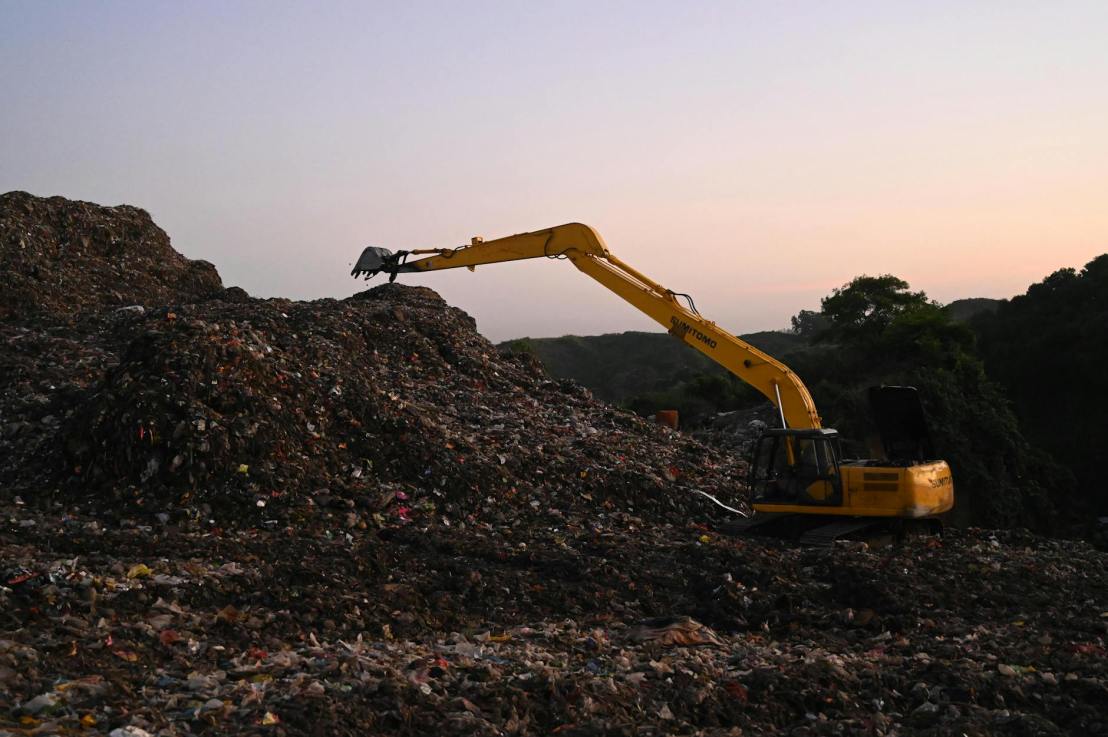
Proper waste disposal is important for keeping the local environment clean. Under the US Resource Conservation and Recovery Act (RCRA), waste generators must determine if their waste is hazardous. If there’s uncertainty about the waste composition, then waste generators must take samples to labs to determine if the waste is ignitable, corrosive, reactive, and/or toxic. Because waste samples can vary widely in contaminants, the waste generator must apply statistical sampling procedures. This means determining the mean, standard deviation, probability of detecting contamination if it truly exists, confidence that our conclusion is correct, the smallest difference from the regulatory standard that we want to detect, and the number of samples needed. Resource Conservation and Recovery Act (RCRA) Sampling is a vital part of determining waste hazards in the U.S.
Suspended Growth Wastewater Treatment

Suspended Growth Wastewater Treatment

Suspended Growth Wastewater Treatment

02/27/26

“How can we treat wastewater with free-floating microorganisms?”

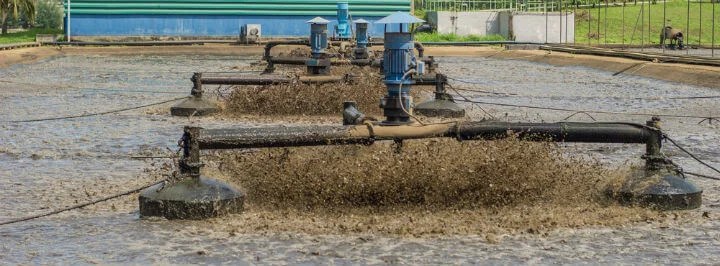
There are many ways to go about wastewater treatment. One of the most common categories is for microorganisms to float freely in wastewater and consume pollutants. This Suspended Growth Wastewater Treatment is an effective way to treat wastewater through mixing the right microorganisms. Activated sludge treatment and aeration lagoons are examples of suspended growth wastewater treatment.

Image credit: https://www.waterandwastewater.com/

Material Toughness

Material Toughness

Material Toughness

02/19/26

“How can we measure how much energy a material can absorb before rupture?”

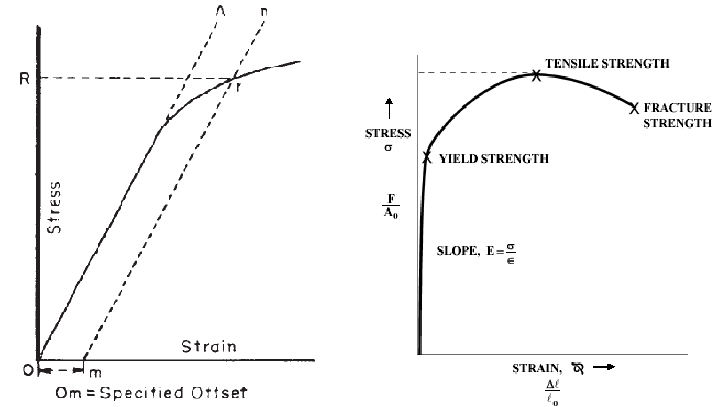
People need materials to absorb energy before rupture. The more energy an item can absorb, the higher its Material Toughness, and the better it will perform for tasks that require heavy resistance to heavy energy shocks. Material toughness is measured by the area under the curve in a stress-strain diagram. Material toughness can be thought of as a combination of hardness and ductility.

Ceramics

Ceramics

Ceramics

02/15/26

“What material properties make ceramics special?”

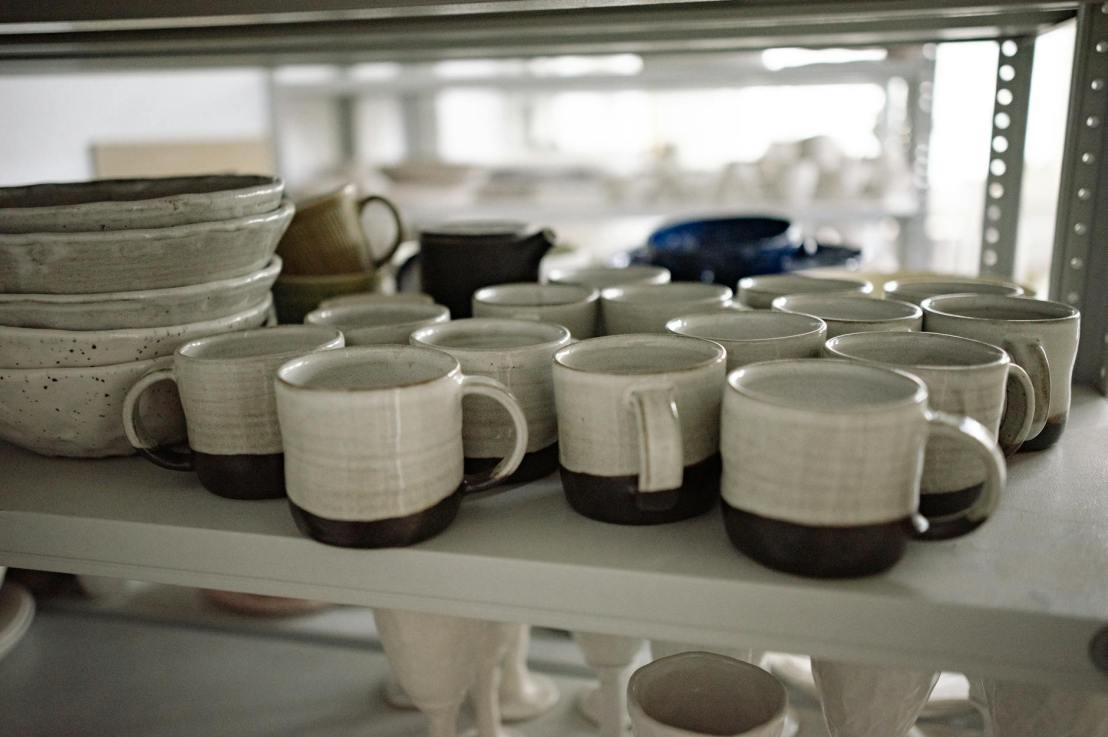
We use ceramics in our everyday life, whether it’s the mug for our morning coffee, the bricks in the buildings we inhabit, or the fillings in our teeth. But what material properties make them so special? Well, ceramics are materials made up of nonmetallic, inorganic chemical compounds strung together by ionic and/or covalent bonding. This gives them high compressive strength, hardness, melting points, and wear resistance, with the drawbacks of high brittleness, low toughness, and vulnerability to cracks. Ceramics are also corrosion-resistant and thermally stable, making them well-suited for chemically and thermodynamically intense applications. 

Yield Point

Yield Point

Yield Point

02/14/26

“At what point is a material so stressed so much that it doesn’t return to its original form?”

Materials stretched by a small amount may return to their original shape. But if they’re stretched beyond a certain Yield Point they may not return. Materials that move beyond the yield point transition from elastic to plastic behavior.

Image credit: https://pubs.sciepub.com/

Corosion

Corosion

Corosion

02/13/26

“Why do objects corrode?”

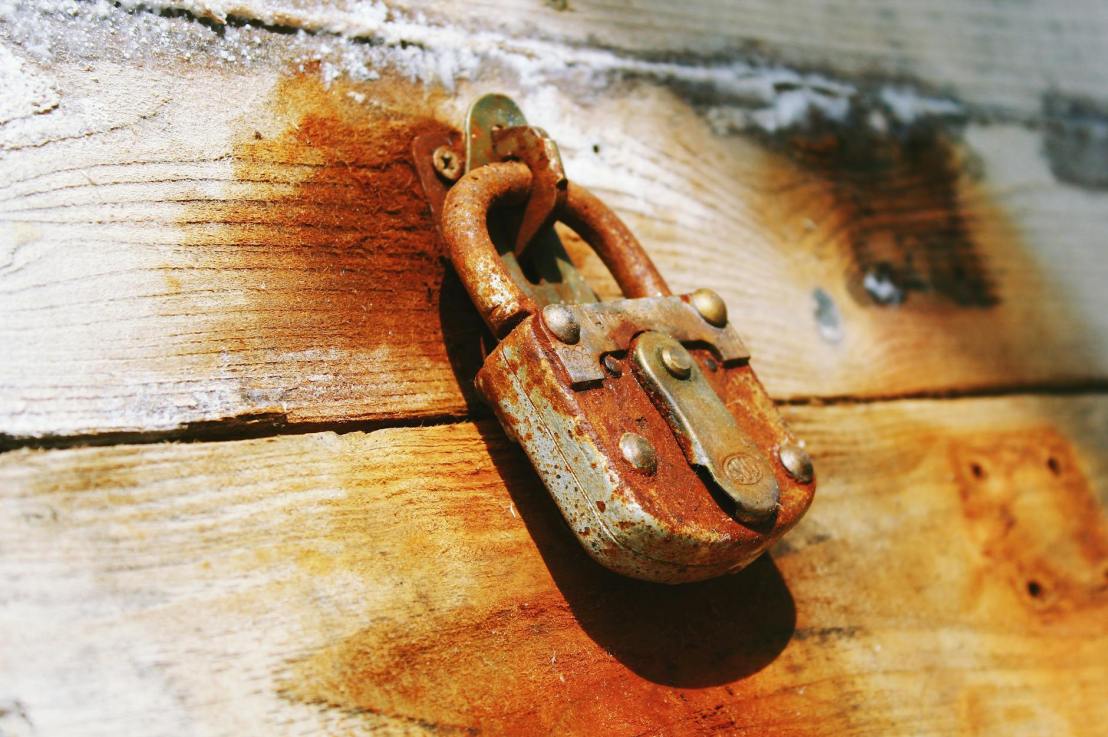
You’ve probably heard people talking about objects corroding away. You may have even used the term itself. But what does it mean, and what’s the process behind it? Well, when a metal is exposed to environmental factors, it may lose electrons, becoming an anode. These electrons may then travel along the metal where a reduction reaction occurs (cathode), such as oxygen and water. The products of this redox reaction will then react with the metal ions to form oxides, leading to a degradation of the material. This Corosion process is affected by the presence of potential anodes, cathodes, electrolytes, and electrical conductors. Rusting is a form of corosion. Corrosion is a critically important factor for material design, whether it’s for water supply pipes or electrical transformers.

Carbonaceous Biochemical Oxygen Demand

Carbonaceous Biochemical Oxygen Demand

Carbonaceous Biochemical Oxygen Demand

02/11/26

“How can we represent the amount of oxygen bacteria use to break down carbon-based matter?”

Bacteria use oxygen to power themselves while they break down material. Sometimes, people want to know only the amount of oxygen for consuming specific materials. The amount of oxygen bacteria use to solely consume carbon-based matter is known as Carbonaceous Biochemical Oxygen Demand.

Oxidation State

Oxidation State

Oxidation State

02/08/26

“How can we quantify the number of electrons an element is likely to have after it breaks all bonds?”

Chemical bonds may be broken. With bonds involving shared electrons, some elements may take all shared electrons with them. The number of electrons that an element is likely to take or give in a chemical breakup is known as the Oxidation State. Oxidation states range from +2 (alkaline earth metals) to -2 (oxygen).

Leachates

Leachates

Leachates

02/01/26

“What happens when liquid picks up dissolved/suspended solids as it moves through a permeable layer?”

Liquids can move through permeable layers. Sometimes, the layer may have soluble or suspended solids along its journey and form what’s called a Leachate. Leachate properties are dependent on the liquid and its solvent. Leachates from stormwater landing on landfills can pollute nearby surface and groundwater.

Image credit: https://d2t3x0k5v8rzxl.cloudfront.net/