Category: Chemistry

Activated Carbon

Activated Carbon

Activated Carbon

03/22/26

“How can we use extremely dense carbon to filter water?”

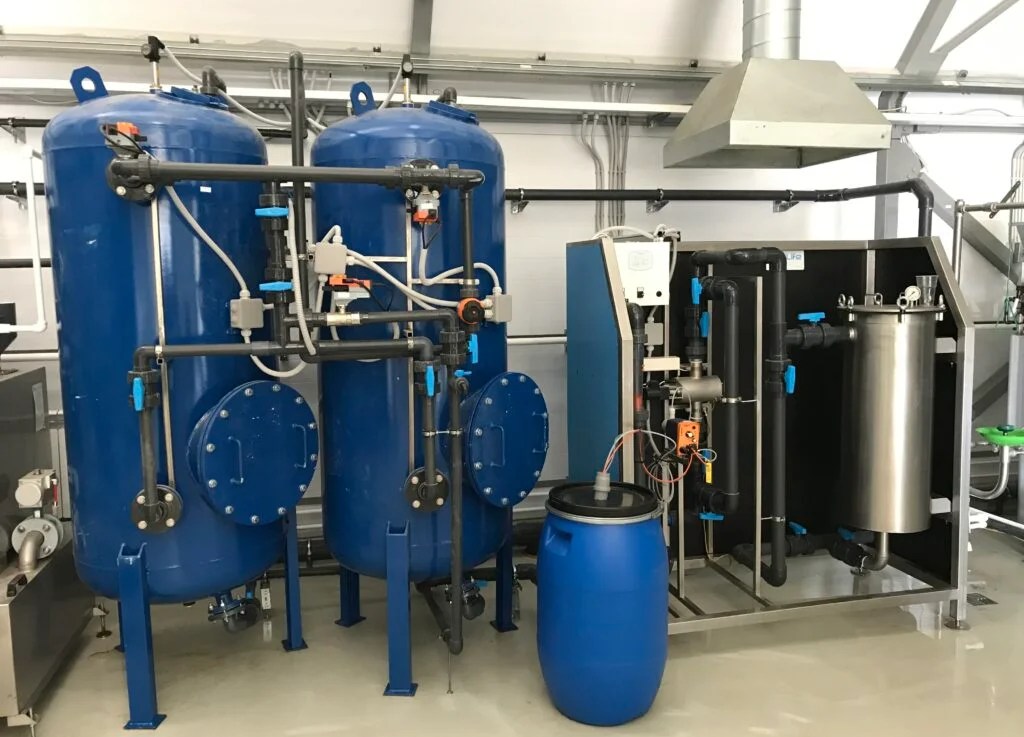
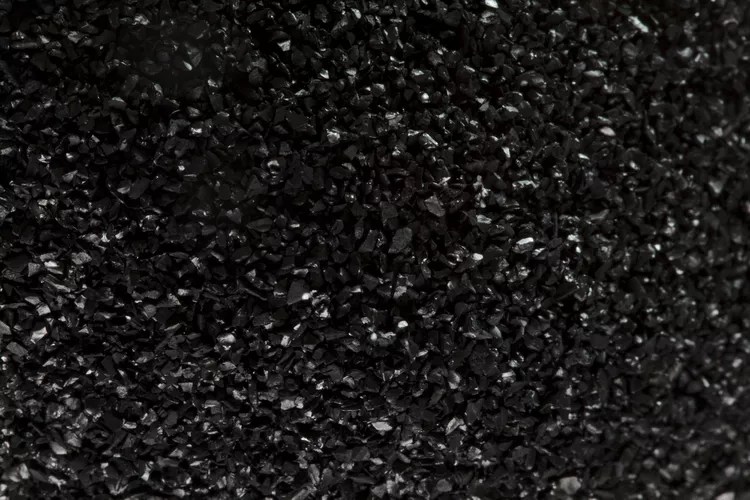
Certain materials are good at filtering water. One of them is Activated Carbon. Activated carbon is hyperdense with tiny pores (often over 3,000 square meters per gram), which can adsorb water contaminants on its interior surface. Activated carbon pores will fill up over time and will need to be cleaned out. 

Image credit: https://www.thoughtco.com/
Stoichiometric Air-Fuel Ratio 

Stoichiometric Air-Fuel Ratio 

Stoichiometric Air-Fuel Ratio 

03/19/26

“What’s the ratio of air-fuel mass in combustion to ensure all ingredients are used?”

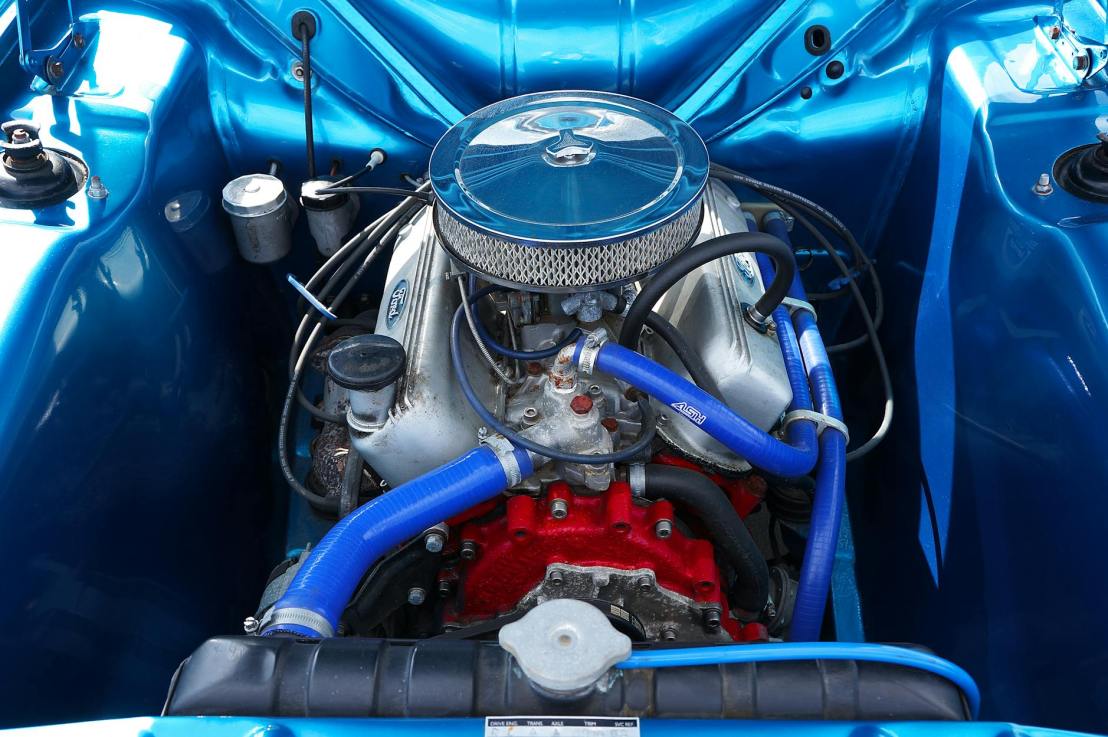
Combustion reactions require air and fuel. If the ratio of air to fuel is not perfect, there will be some unspent air or fuel at the end. The ratio where all air and fuel are consumed in the reaction is called the Stoichiometric Air-Fuel Ratio. The stoichiometric air-fuel ratio produces only carbon dioxide, water, and nitrogen.

Air-Fuel Ratio

Air-Fuel Ratio

Air-Fuel Ratio

03/18/26

“What’s so special about the mass of air to fuel in a combustion process?”

Combustion reactions require air and fuel to operate. The quality of the reaction is determined by the ratio of air to fuel mass present, also called the Air-Fuel Ratio. The air-fuel ratio is usually represented by the amount of air compared to fuel. For example, an air-fuel ratio of 8:1 means that for every 8 kg of air, there is 1 kg of fuel.If there is too little air in the ratio, some fuel will not burn. If there’s too much air, then there will not be enough fuel present to burn effectively.

Weight-By-Weight

Weight-By-Weight

Weight-By-Weight

03/17/26

“How can we quantify the percentage of weight that a certain substance takes up in a solution?”

Solutions are made up of more than one substance. Sometimes we want to quantify the mass percentage that one of the substances makes up in the solution. The Weight-By-Weight variable represents this. For example, say a solution is made up of 20 grams of potassium chloride and 80 grams of water for a total 100 g of a substance. The weight-by-weight for potassium chloride is 20%.

Hydroxyl Radicals

Hydroxyl Radicals

Hydroxyl Radicals

03/15/2026

“Why is there a molecule called “the detergent of the atmosphere”?

Hydroxide ions (OH-), also called Hydroxyl Radicals, are molecules made up of one oxygen atom, one hydrogen atom, and a single unpaired valence electron. This valence electron makes hydroxyl radicals very reactive and potent in neutralizing stable organic chemicals like toxic pollutants. Hydroxyl radicals also readily oxidize troposphere pollutants like methane, carbon dioxide, and VOCs, earning hydroxyl radicals the nickname as “the detergent of the atmosphere”.

Fugacity

Fugacity

Fugacity

03/14/2026

“How can we quantify how much a substance wants to escape from its mixture?”

Different substances have different levels of internal stability. Some very much want to escape their mixture, while others are happy where they are. So how can we quantify this? Well, scientists developed Fugacity theory to explain this phenomenon. Fugacity is defined as the empirically measured vapor pressure rather than the ideal vapor pressure. Chemicals will move between substances like air and water until their fugacity potentials are equal.

Radicals (Chemistry)

Radicals (Chemistry)

Radicals (Chemistry)

03/13/26

“What do we call an atom with at least one unpaired valence electron?”

Chemistry is all about bonds formed between substances. Substances with atoms that have at least one unpaired valence electron are much more reactive. These atoms, called Radicals, are a fundamental part of understanding many parts of chemistry.

RCRA Listed Waste

RCRA Listed Waste

RCRA Listed Waste

03/02/26

“Is there a US EPA list that tells us if a particular waste is hazardous?”

The Resource Conservation and Recovery Act (RCRA) classifies how the US EPA handles waste. Title 40 of the Code of Federal Regulations (CFR) in part 261 has four lists, the F, K, P, and U lists, that delineates if a particular type of waste is hazardous. It’s important for American waste producers to check if they’re creating RCRA Listed Waste.