Category: Biology

Why Hydric Soils Are Critical to Wetland Restoration

Why Hydric Soils Are Critical to Wetland Restoration

Why Hydric Soils Are Critical to Wetland Restoration

11/19/24

“Why are hydric soils critical to wetland restoration?”

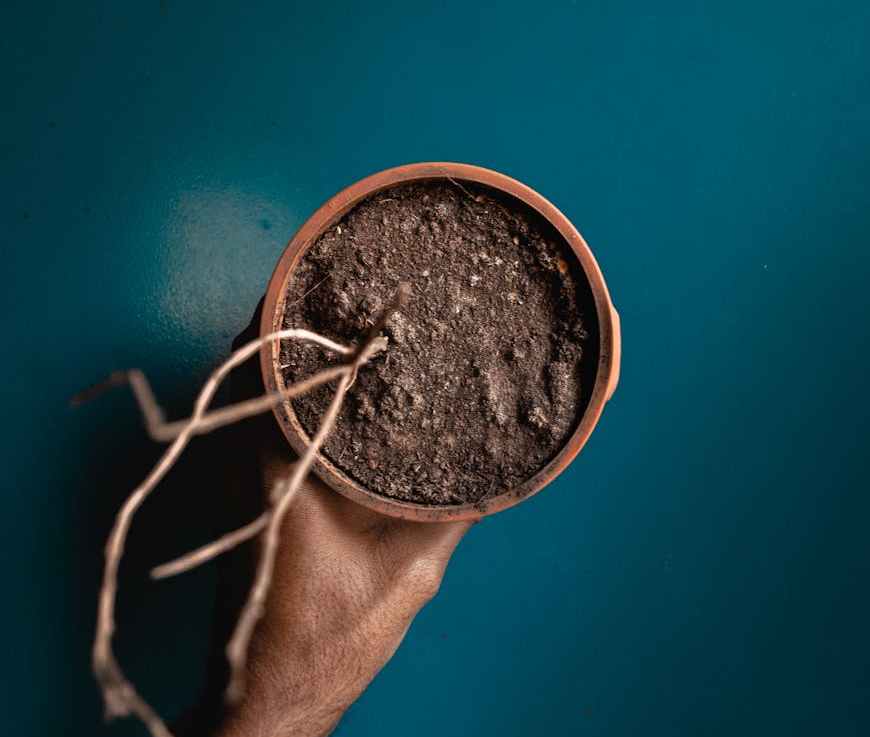
Wetland foliage requires hydric soils to survive. If there is a presence of hydric soils, then it means wetlands can be restored at that location. This is Why Hydric Soils Are Critical to Wetland Restoration.

Holdfasts

Holdfasts

Holdfasts

11/14/24

“What is the equivalent of roots for ocean algae organisms like seaweed?”

Ocean algae organisms like seaweed are attached to ocean ground. But what attaches them to that ground? Well, it comes in the form of something called a Holdfast that functions much like roots.

 Aquatic Plant Adaptations

 Aquatic Plant Adaptations

 Aquatic Plant Adaptations

11/11/24

“How are aquatic plants adapted to their environments?”

Aquatic plants live in marine environments. This requires a number of specific adaptations. Many reproduce asexually, metabolize bicarbonate to make up for the dearth of photosynthesis, and are more buoyant than their land-based cousins. These  Aquatic Plant Adaptations affect the form and structure of an untold number of plant organisms around the world.

Aerial Roots

Aerial Roots

Aerial Roots

11/10/24

“Can plants have aboveground roots?”

Plant roots are associated with being buried in the ground. But they can also extend into the air above ground. Plants with Aerial Roots can absorb moisture and nutrients from the air.

Why Plants Have Roots

Why Plants Have Roots

Why Plants Have Roots

11/09/24

“Why do plants have roots?”

Roots are one of the most recognizable features of a plant. But why do they have them? Well, it’s because roots help the plant absorb water and nutrients while anchoring it to the soil. This is Why Plants Have Roots.

Aquatic Plants

Aquatic Plants

Aquatic Plants

11/08/24

“What are plants that have adapted to aquatic life?”

Plants can be found all over the world. Aquatic Plants are plant species that are specifically adapted to aquatic ecosystems. These typically come with a few adaptations that make their survival feasible.

Phylogenetic Trees

Phylogenetic Trees

Phylogenetic Trees

10/12/24

“How can we represent evolutionary history on a tree diagram?”

Phylogenetics studies how organisms evolve with time. But how can we visualize how organisms evolve from one another? Well, what if we were to visualize all organism’s genetic history as starting out from a root (the first single-celled organism) and then evolving outwards in a tree-like structure? This is the idea behind Phylogenetic Trees and it’s one of the most standard ways to display an organism’s evolutionary history.

Phylogenetics

Phylogenetics

Phylogenetics

10/10/24

“How can we use genetics to study the evolutionary history of life?”

Genetics can tell us a lot about an organism. One of the things it can do is tell us about the evolutionary history of life and how organisms became the way they are. This field of science is called Phylogenetics.

The Ventral Cavity

The Ventral Cavity

The Ventral Cavity

09/27/24

“What is the human body cavity that contains the most organs?”

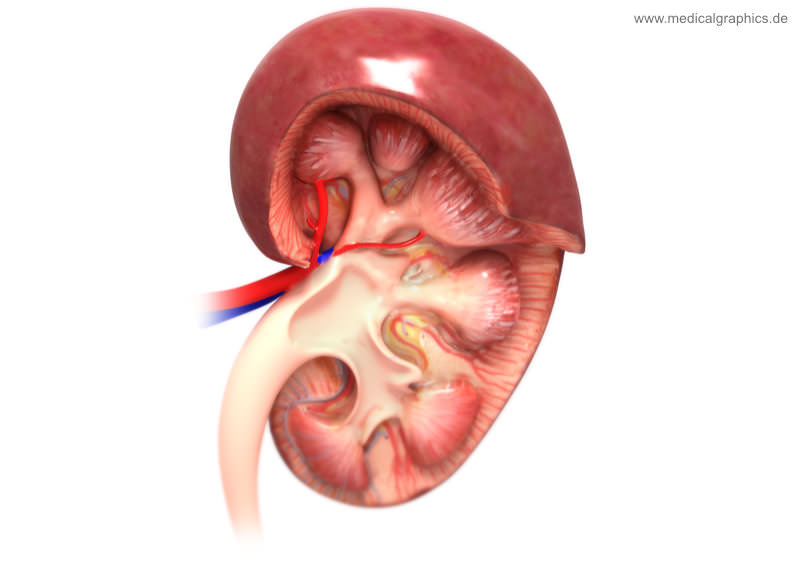
The human body contains cavities that protect its organs. One of the two major human body cavities is The Ventral Cavity, which protects the central organs such as the stomach, kidneys, heart, and liver.