Author: Isaac Gendler

Why Are Australia’s Current Bushfires so Intense?

Why Are Australia’s Current Bushfires so Intense?

Why Are Australia’s Current Bushfires so Intense?

01/07/20

“Why is Australia going through such an intense Bushfire season right now?”


In the beginning in 2020 one country is all over the news when it comes to climate change, Australia. As of writing, the ongoing Australian bushfire (the Ozzy way of saying wildfire) has already ravaged more than 12.35 million acres of land (larger than the entirety of the Netherlands) and taken the lives of over two dozen humans and half a billion animals! But what exactly is the cause behind such carnage? Well, like California, Much of Australia has a dry and hot climate, creating ample conditions for fires to break out.  With the advent of climate change, Australia has seen its average temperatures grow and droughts and heatwaves become more frequent. This has culminated in a bushfire season starting earlier with greater strength, which is Why Australia’s Current Bushfires are so Intense.


Image credit images.theconversation.com
How Climate Resilience Funding Can Be Enhanced Through Policy

How Climate Resilience Funding Can Be Enhanced Through Policy

How Climate Resilience Funding Can Be Enhanced Through Policy

01/06/20

“How can climate resilience funding be made stronger with the proper policy?”


Funding is a vital part of establishing climate resilience. However, if there are not that many proper mechanisms for it, then it can all fall apart.  To prevent this, proper policy-making can codify how funding is raised for climate resilience projects and for whom it goes to. An example of this is California’s SB 30 bill by Ricardo Lara,  which requires the Insurance Commissioner to convene a working group to assess new and innovative investments in natural infrastructure and insurance products in light of California’s worsening fire vulnerability due to climate change. How Climate Resilience Funding Can Be Enhanced Through Policy.

How Single-Family Zoning Is Driving Wildfire Vulnerabilities in Northern California

How Single-Family Zoning Is Driving Wildfire Vulnerabilities in Northern California

How Single-Family Zoning Is Driving Wildfire Vulnerabilities in Northern California

01/05/20

“Why is extremely single-family zoning in Northern California a resilience threat?”


When the city of San Francisco becomes a topic of conversation, images of the Golden Gate Bridge, sourdough bread, and brightly-colored Victorians often pop into people’s heads. However, the policies that allow for the last part is also strangling Northern California itself.  Strict single-family zoning in urban areas forces municipalities to become much less dense. If these towns or cities become economic hotspots such as in the Bay Area, then prices near job centers will rise and people have to build outwards and further away to find a place to live. This phenomenon has pushed people into the wildland-urban interface, making it more likely for fires to start and more difficult for people to cope with the effects of climate change. This is How Single-Family Zoning Is Driving Wildfire Vulnerabilities in Northern California.

Why Utilities Need to Constantly Monitor Their Assets

Why Utilities Need to Constantly Monitor Their Assets

Why Utilities Need to Constantly Monitor Their Assets

01/04/20

“Why is it that utilities need to keep constant oversight of their infrastructure?”


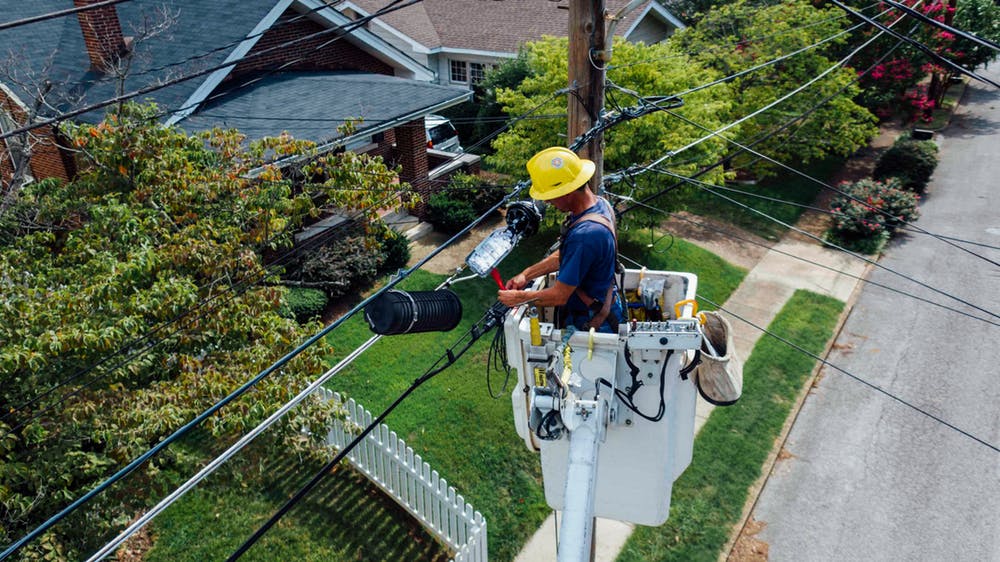
Utilities are entrusted with operating vast amounts of critical infrastructure systems. However, with this comes the responsibility to maintain all of it to the fullest standard.  If any part breaks down, it can cause grave public damage (as in the case of the Paradise Fires) and will usually be considered a liability committed on behalf of the utility. For this reason, utilities need to keep constant maintenance over their assets, whether it be using drones to keep oversight, implement fault-prediction algorithms, or do in-person inspections. This is Why Utilities Need to Constantly Monitor Their Assets.

How Scada Data Can Inform Us When the Grid Has a Fault

How Scada Data Can Inform Us When the Grid Has a Fault

How Scada Data Can Inform Us When the Grid Has a Fault

01/03/19

“How can we learn when our grid is upset just by analyzing SCADA data?”


SCADA is a very useful tool for measuring real-time data pertaining to large industrial systems like the electric grid. Furthermore, since this data constantly monitors highway system is operating, we can see how our system is acting and if it needs help, all from the safety of our computer terminals. So when something like the grid is having a fault, it can be easily detected. This is How Scada Data Can Inform Us When the Grid Has a Fault.

Why Having Plastics in Households Is a Wildfire Resilience Liability

Why Having Plastics in Households Is a Wildfire Resilience Liability

Why Having Plastics in Households Is a Wildfire Resilience Liability

01/02/19

“Why do having plastics in households make a place more dangerous when wildfires come?”


All sorts of items can burn, whether it be wood used for fires or petroleum to power our gas engines. However, one material group that stands out is plastics. When burnt plastics can release chemicals such as styrene gas (which causes damage to the nervous system).  If a wildfire engulfs a house, then this can deal a great amount of damage to the surrounding community. This is Why Having Plastics in Households Is a Wildfire Resilience Liability.

Why Electric Utilities Needs to Be Held Accountable for Infrastructure Upkeep

Why Electric Utilities Needs to Be Held Accountable for Infrastructure Upkeep

Why Electric Utilities Needs to Be Held Accountable for Infrastructure Upkeep

01/01/20

“Why do electric utilities always need to be held accountable for maintaining their infrastructure?”


By ensuring that the general public receives their power, electric utilities hold some of the greatest infrastructure responsibility in the modern world. However, in order to show that they can handle this level of responsibility, they need to be responsible to look after the condition of their own assets. Failure to do this can great havoc on the general public. To illustrate, Pacific Gas and electricity in Northern California had been negligent about looking over their own transmission infrastructure for decades. As a result of this, one autumn day heavy winds broke one transmission line that would ignite what would become the paradise fire. This cost the company and the public tens of billions of dawn rulers of damages and dozens of lives were lost. This is Why Electric Utilities Needs to Be Held Accountable for Infrastructure Upkeep.

International Wildfire Cooperation

International Wildfire Cooperation

International Wildfire Cooperation

12/31/19

“How can countries across the world unite to solve the wildfire crisis?”


Wildfires are a global problem. Whether it be Paradise burning down in California or the seemingly-apocalyptic bushfires in Australia, all an area needs is a dry climate and high wind speeds for this problem to occur.  Fire agencies around the world have taken out of this, and routinely send help to other countries when a catastrophe is going on. To illustrate, in 2018 138 firefighters from Australia and New Zealand were sent to the United States to help for almost 30 days and now in return the United States and Canada are sending 21 firefighters each to help out Australia with the trouble they’re going through right now. This is what International Wildfire Cooperation looks like.

Image credit wildfiretoday.com

Why Do Transmission Line Failure Cause a Disproportionate Amount of the Wildfires in California

Why Do Transmission Line Failure Cause a Disproportionate Amount of the Wildfires in California

Why Do Transmission Line Failure Cause a Disproportionate Amount of the Wildfires in California

12/30/19

“Why is it that transmission line failures cause ten times more wildfires than they should in California?”


Transmission line failures have the ability to start wildfires, as in the case of Paradise. However, In California, while these accidents are responsible for starting only around 1% of fires they cause 10% of all damage (Mitchell, 2013)!  This is because these transmission lines failures are more likely to occur during periods of high winds and low humidity, which are ripe for wildfires. So when they do occur, they’re much more likely to spin out of control. This is Why Transmission Line Failure Cause a Disproportionate Amount of the Wildfires in California.

Image credit https://cdn.theatlantic.com/

References:

Mitchell, J. W. (2013). Power line failures and catastrophic wildfires under extreme weather conditions. Engineering Failure Analysis, 35, 726–735. https://doi.org/10.1016/j.engfailanal.2013.07.006